





Tuscany for couples: what to know before you go (2026)
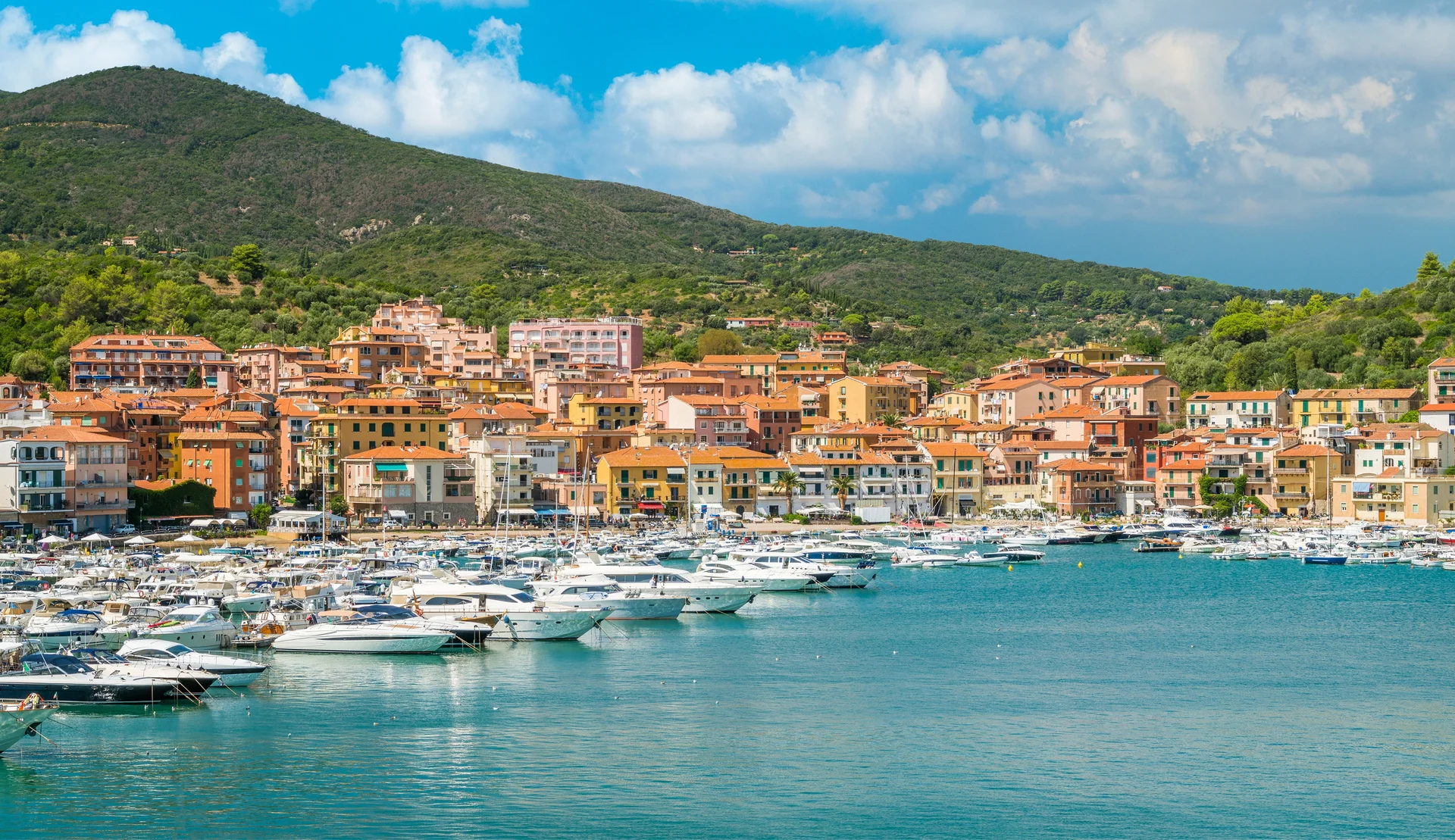
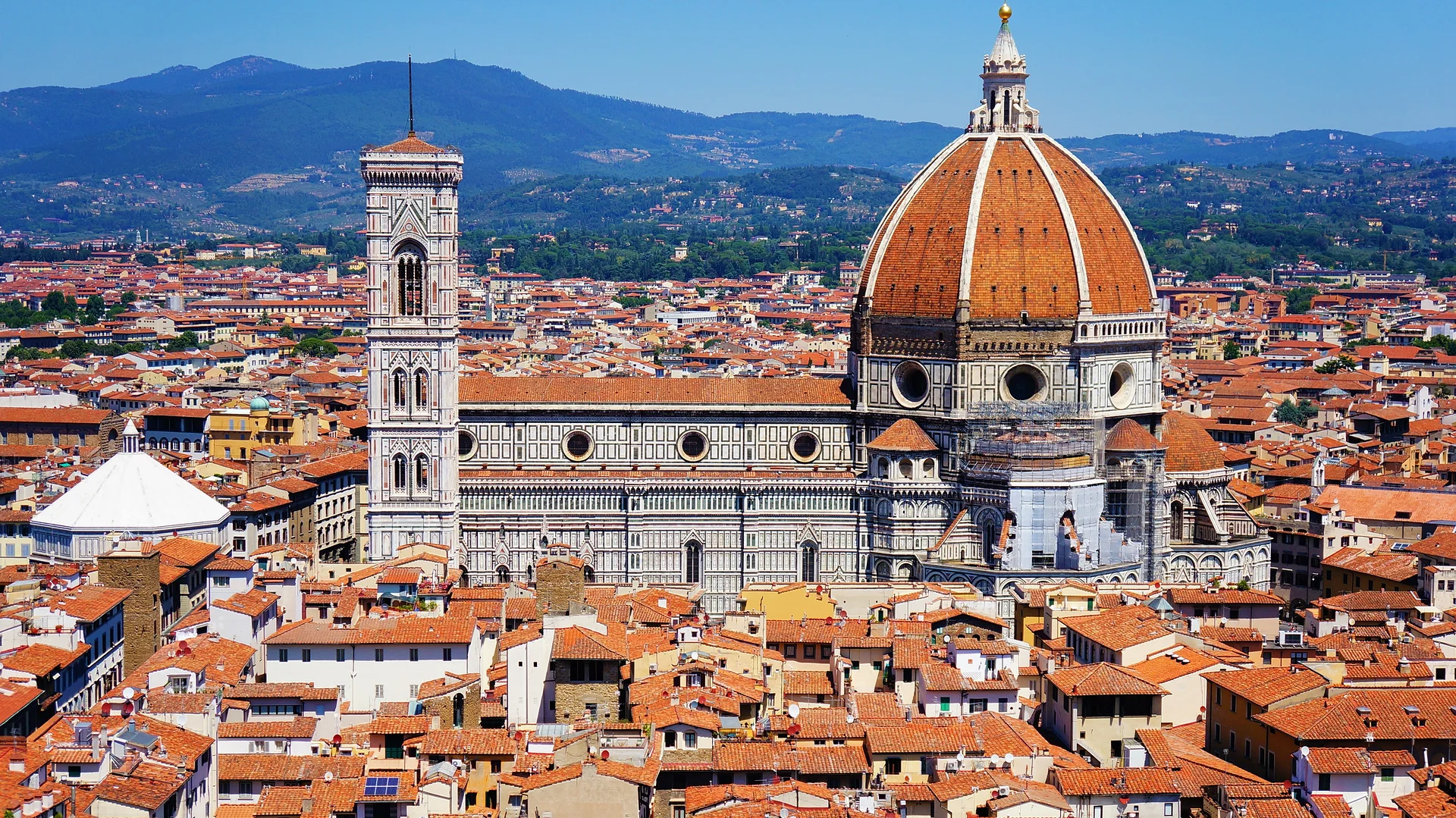
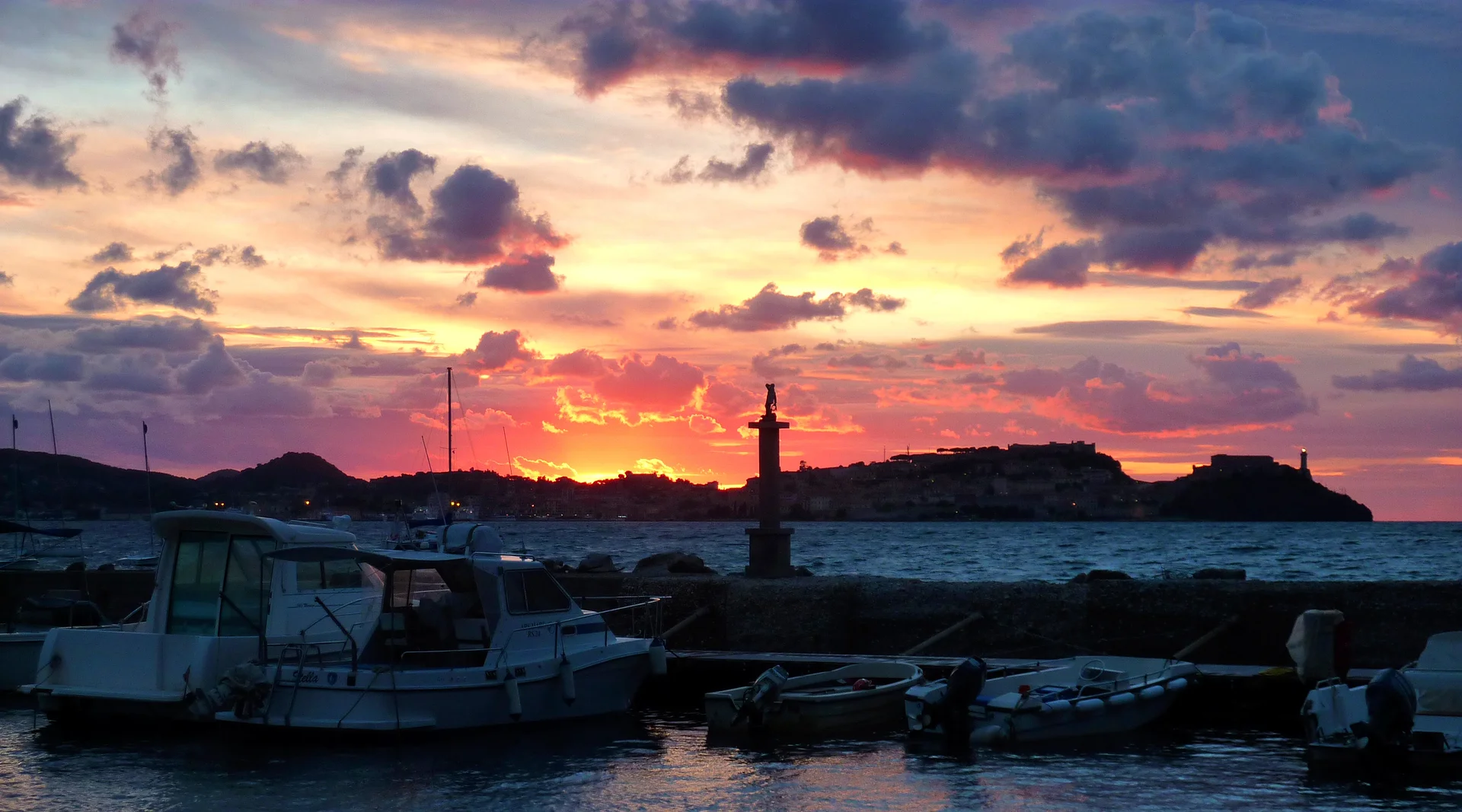
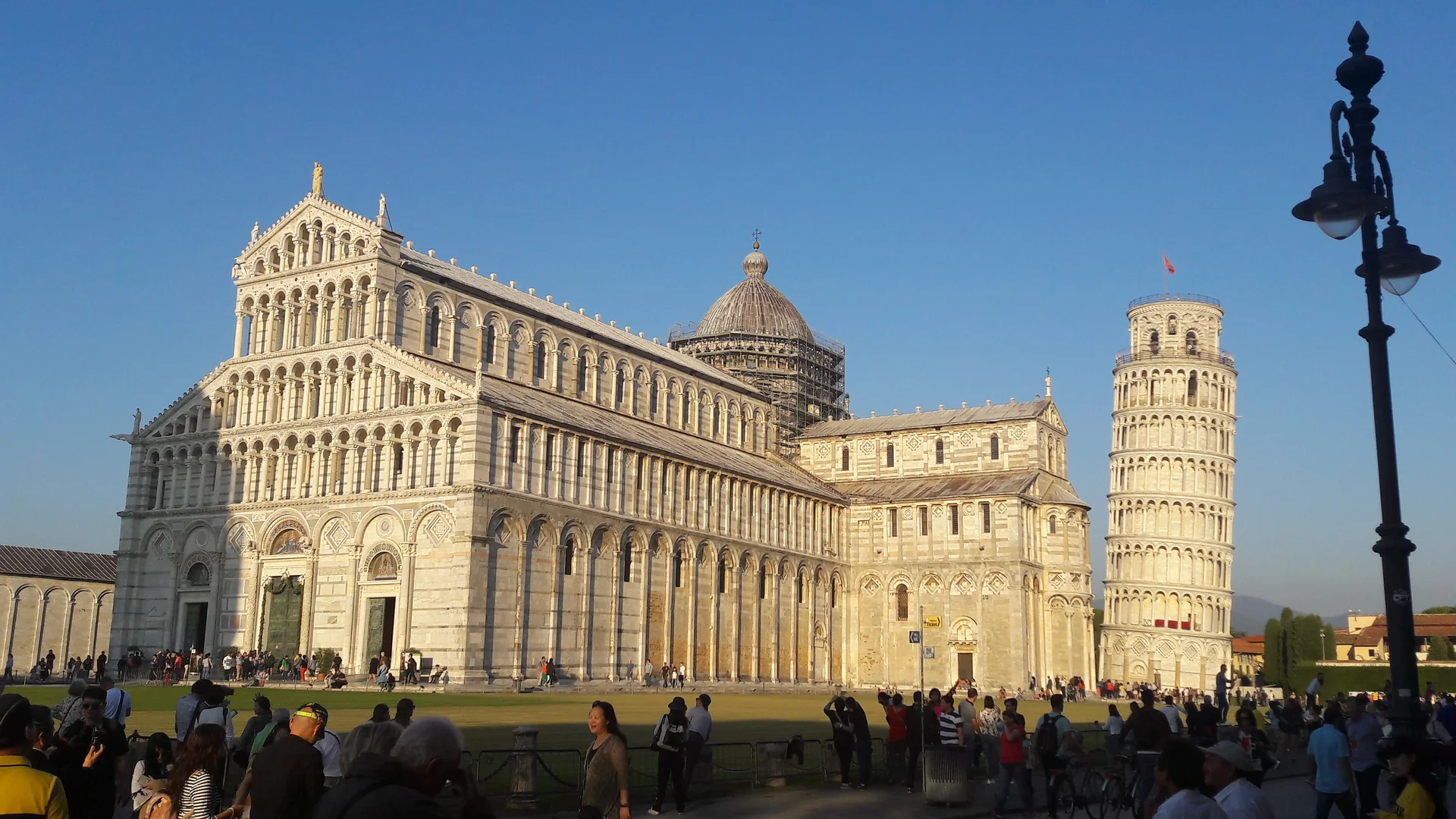
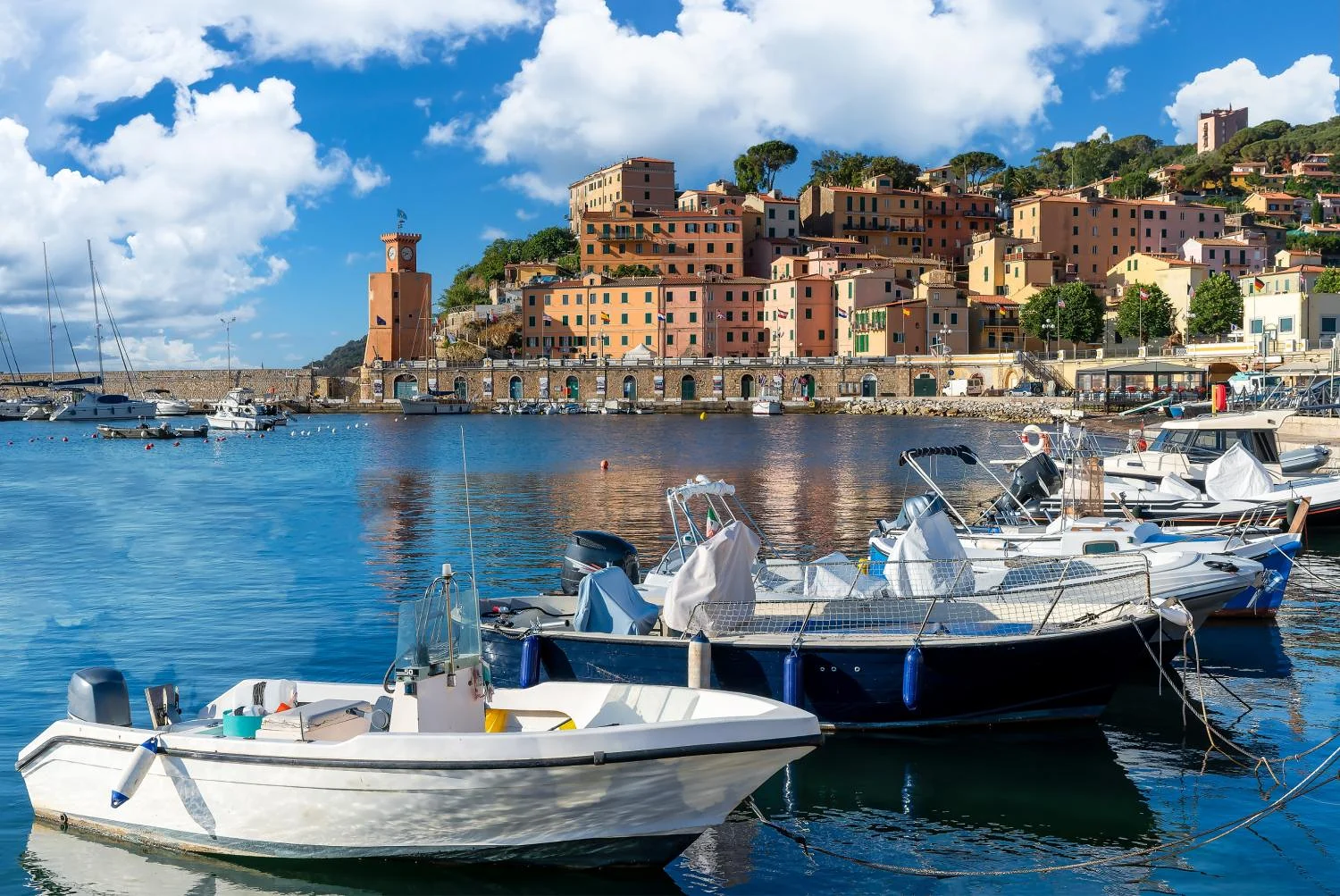
Before you book, choose between two Tuscanies: the cities, Florence, Pisa and Siena, which you explore on foot and by train, and the hills, Chianti, San Gimignano and the Val d'Orcia, where you will only get around by car, from one hilltop village to the next. Then choose the month: in May, June and September, the terraces are open and the hills are green or golden; in July and August, it is over 30 °C (86 °F) on the squares, and that is the time to head for the sea, on the island of Elba.
At a glance
- When to go
- Go from mid-April to June, or in September and October: 20 to 28 °C (68 to 82 °F), green hills in spring, the grape harvest in fall. In July and August, the squares top 30 °C (86 °F) and the Val d'Orcia fields are cut.
- How many days
- Allow five days for Florence, San Gimignano, Siena and the Val d'Orcia by car, a week to see the same places at your own pace from two bases, and ten days with the sea.
- Which base
- Stay in Siena for a first visit: Chianti, San Gimignano and the Val d'Orcia are less than an hour's drive away. For the sea, add a second base on the island of Elba.
- Budget for two
- Count on about $2,750 for a comfortable week, with hotels, meals, a rental car and visits, excluding flights, and about $1,650 staying in B&Bs and eating in trattorie.
- The moment for two
- Walk the ramparts of Pienza, the small Renaissance town of the Val d'Orcia, at sunset, facing the hills, then have dinner in town.
- What to book
- Book the Uffizi and the Accademia Gallery in Florence a month ahead in spring, the rental car at the same time as your flights, and, for July and August, the ferry to Elba.
Why Tuscany for two
Tuscany is the region of Florence, in central Italy, between the Apennine mountains and the Tyrrhenian Sea. South of Florence, the hills of Chianti are covered in vineyards; farther south, around Siena and in the Val d'Orcia, the roads follow ridges lined with cypresses, from one stone village to the next, each with its square, its church and its wine cellars.
You will spend your days driving between villages, your lunches on terraces, your late afternoons in a cellar tasting the region's red wines, Chianti, Vino Nobile or Brunello, and your evenings on a square emptied of tour buses. On the coast, less known, you will find the beaches of the island of Elba and the coves of Monte Argentario, a headland in the far south.
When to go
| Period | Weather | Crowds | Our take |
|---|---|---|---|
| April, May | 18 to 24 °C (64 to 75 °F), a few showers | Heavy at Easter and around May 1 in Florence | Green hills, poppies in the wheat, terraces open |
| June | 25 to 30 °C (77 to 86 °F) | Heavy in Florence, moderate elsewhere | The longest days; the wheat is cut at the end of the month |
| July, August | 30 to 35 °C (86 to 95 °F) | Very heavy, Siena full for the Palio | Sightsee before 11am and after 5pm, or head to the sea |
| September, October | 20 to 28 °C (68 to 82 °F) | Heavy in September, lighter in October | The harvest, then the vines turning red; some country and coastal hotels close at the end of October |
| November to March | 5 to 14 °C (41 to 57 °F), rain | Light, except in Florence | Low prices, but shuttered villages and closed cellars |
Siena's Palio, the horse race between the city's districts, is run on July 2 and August 16 on piazza del Campo, Siena's main square: on those days, hotels double their prices and the center is packed. In Montepulciano, the Bravio delle Botti, a race in which teams push barrels up the steep streets, is held on the last Sunday of August.
When to go: the climate in Florence
The best months: April, May.
- Jan 11° 2° 8 rainy days
- Feb 13° 3° 7 rainy days
- Mar 16° 6° 7 rainy days
- Apr 20° 9° 9 rainy days best month
- May 25° 13° 9 rainy days best month
- Jun 30° 17° 6 rainy days
- Jul 34° 20° 3 rainy days
- Aug 33° 19° 5 rainy days
- Sep 29° 16° 6 rainy days
- Oct 22° 11° 8 rainy days
- Nov 15° 6° 10 rainy days
- Dec 11° 3° 9 rainy days
Monthly averages, in degrees Celsius.
Paperwork: passport, visa, health
| Documents | Visa | Health | |
|---|---|---|---|
| United States, Canada | Passport valid at least 3 months after you leave the Schengen area, issued within the last 10 years | None for stays up to 90 days | Travel insurance with medical cover |
| United Kingdom | Passport valid at least 3 months after you leave the Schengen area, issued within the last 10 years | None for stays up to 90 days in any 180 | Your free GHIC covers state healthcare; travel insurance for the rest |
| Ireland | Passport or passport card in date, checked at boarding and at the hotel | None | Free EHIC for public healthcare |
Entering the Schengen area from the US, Canada or the UK
On your first entry into the Schengen area, border police record your fingerprints and a photo (the EES system): allow more time at passport control, especially if you connect in Frankfurt, Munich or Paris, where you enter the Schengen area before your flight to Tuscany. Also check before you leave whether the ETIAS travel authorization is required on your dates: you apply for it online on the European Union site (travel-europe.europa.eu).
Getting there
By plane: Florence or Pisa
| From | To Florence (FLR) | To Pisa (PSA) |
|---|---|---|
| London | ~2h, British Airways and Vueling | ~2h, British Airways, easyJet, Ryanair |
| Manchester, Birmingham, Bristol | One stop | ~2h20, easyJet, Ryanair, Jet2 |
| Edinburgh, Glasgow | One stop | ~2h40, in summer |
| Dublin, Cork | One stop | ~2h30, Ryanair |
| New York, Boston, Chicago | One stop, 11 to 15h | One stop |
| Toronto, Montreal | One stop, 11 to 14h | One stop |
Florence Peretola airport (FLR), 5 km (3 miles) from downtown Florence, is the most convenient for the city and for a loop through the hills. Pisa airport (PSA), an hour to the west, has more flights, often cheaper, and it is the closest to Piombino, the ferry port for Elba. For the Val d'Orcia or Monte Argentario, also compare with Rome Fiumicino (FCO), a two-hour drive from southern Tuscany.
From North America, no airline flies nonstop to Tuscany: connect in Frankfurt, Munich, Zurich, Paris or Amsterdam for Florence, or fly nonstop to Rome Fiumicino, served from many US and Canadian cities, then take the train: the Frecciarossa high-speed trains link Rome Termini to Florence Santa Maria Novella in about 1h30.
By train
From London, allow a long day, about twelve hours: the Eurostar to Paris, a direct train to Milan, then a high-speed train to Florence, two hours from Milan. If you land in Milan or Rome, the train is the simplest way on: you arrive downtown, at Santa Maria Novella station.
To Elba
Ferries run by Moby, Toremar and Blu Navy link Piombino to Portoferraio, the island's main port, in about an hour, all day long; other crossings arrive in Rio Marina. For July and August, book the crossing with your car weeks ahead; the rest of the year, a few days are enough.
Practical things to know before you leave
Phone
US and Canadian plans charge roaming at full price, and most UK plans now charge a daily fee in Europe: turn on a travel pass or install a European eSIM before you leave. With an Irish plan, nothing changes, Italy being in the European Union. Download an offline map of the region: the signal drops in the valleys of Chianti and the Val d'Orcia.
Outlets
Italian outlets, at 230 volts, take plugs with two or three round pins. American, Canadian, British and Irish plugs do not fit: bring an adapter, one per person. North American appliances must accept 230 volts, as almost all phone and laptop chargers do, but rarely hair dryers.
Money, cover charge and tourist tax
- The currency is the euro; cards work almost everywhere, but keep $33 to $55 in cash for small bars, markets and the parking meters in villages. At ATMs and card terminals, decline the conversion into dollars or pounds and let your own bank convert.
- In restaurants, the coperto, a cover charge of $2.20 to $4.40 per person, appears on the bill; tipping is not expected as it is in North America: round up if the service pleased you.
- Every town charges a tourist tax per person per night, paid at the hotel and rarely included in the price shown online: in Florence, it goes up to $8.80 in luxury hotels.
Language and water
In hotels and wineries, you will get by in English; in the villages, a few words of Italian help: buongiorno (good morning), grazie (thank you), il conto (the check). Tap water is safe to drink, and the fountains on the squares often give cool water.
What to book, and how far ahead
Outside Florence, you will visit most villages and churches without booking: what fills up in spring and summer are the time slots at Florence's museums, the rental cars and the rooms inside the village walls.
| What | Price | Book | Good to know |
|---|---|---|---|
| Uffizi Gallery, Florence | $28 to $32 / pers. | 1 month ahead in spring | Timed ticket; closed on Mondays |
| Accademia Gallery (the David) | ~$22 / pers. | 1 to 2 months ahead | Closed on Mondays |
| Brunelleschi's Dome | ~$33 / pers. | 1 to 2 months ahead | Timed climb, 463 steps |
| Leaning Tower of Pisa | ~$22 / pers. | A few days ahead | Time slot; no children under 8 |
| Rental car | $39 to $66 / day | With your flights | A small car gets through villages more easily |
| Tasting at a wine estate | $22 to $55 / pers. | The day before | By appointment; village cellars serve without booking |
| Ferry to Elba | Depends on date and car | Weeks ahead in summer | Piombino to Portoferraio, ~1h |
From the airport to your hotel
© OpenStreetMap contributors
The airports and the bases they serve
- Florence Airport (FLR)
- Pisa Airport (PSA)
- 1Florence
- 2Siena
- 3San Gimignano
- 4Montepulciano
- 5Piombino
| Destination | Transport | Time | Typical fare |
|---|---|---|---|
| Florence | T2 tram to Santa Maria Novella station | ~20 min. | $1.90 / pers. |
| Florence | Taxi | ~20 min. | Flat fare, ~$33 / taxi |
| Siena | Rental car, on the expressway | ~1h15 | $39 to $66 / day |
| San Gimignano | Rental car | ~1h | $39 to $66 / day |
| Montepulciano | Rental car, on the A1 highway | ~1h30 | $39 to $66 / day |
| Destination | Transport | Time | Typical fare |
|---|---|---|---|
| Florence | Pisa Mover shuttle to Pisa station, then train | ~1h15 | ~$18 / pers. |
| San Gimignano | Rental car | ~1h20 | $39 to $66 / day |
| Siena | Rental car | ~1h45 | $39 to $66 / day |
| Piombino | Rental car, on the coast road | ~1h20 | $39 to $66 / day |
What works best
If you start with Florence, take the tram, and rent the car on the day you leave for the hills, at an agency by Santa Maria Novella station. If you head straight for the countryside or the sea, pick it up at the airport when you land: in Pisa, the rental companies share a building a few minutes from the terminal, served by a shuttle.
Getting around
By car, for the hills
For the hills, rent a car: buses serve the larger villages a few times a day, and almost never the farms and estates. The expressway between Florence and Siena is free; the A1 highway, a toll road, runs along the east of the region. Hill roads are narrow and winding: allow an hour for 50 km (30 miles). On the strade bianche, the gravel roads, most rental contracts do not cover damage.
The limited traffic zones
The center of every town and village is a ZTL, a limited traffic zone closed to cars without a permit and watched by cameras that read license plates: in Florence, Monday to Friday from 7:30am to 8pm and Saturday from 7:30am to 4pm, and almost everywhere else all day. Each pass costs a fine of $88 to over $330, which the rental company forwards to you months later, with its own fees.
Always park in the lot outside the town gate. If your hotel is inside the walls, ask before you arrive whether it can register your plate so you can drop off your bags.
By train and bus
The train links Florence to Pisa in an hour, and to Lucca, the walled town near Pisa, in an hour and a half. For Siena, take the bus, 1h15 to piazza Gramsci, inside the walls, rather than the train, 1h30 and often a change in Empoli. San Gimignano has no station: take the train or bus to Poggibonsi, then a local bus. Without a car, see the Val d'Orcia on a day tour from Siena or Florence.
Budget for two
In Tuscany, hotels and restaurants cost most in Florence; in the villages, you will eat well for less. Here is what a week for two costs, excluding flights:
| Savvy | Comfort | Splurge | |
|---|---|---|---|
| Hotel, per night | $88 to $132 (a former convent in Siena, a B&B) | $154 to $250 (a boutique hotel in a village) | from $440 (Il Pellicano on Monte Argentario, the Grand Hotel Continental in Siena) |
| Meals, per day for two | $55 (a trattoria and panini) | $110 (lunch on a terrace, dinner à la carte) | $220 (a chef's table and a good bottle) |
| Car, per day | $39 plus fuel | $55 plus fuel | $99 for a large automatic |
| Visits, tastings, parking | $165 | $330 | $770 with private tastings |
| Total, seven days | ~$1,650 | ~$2,750 | from $5,500 |
Useful benchmarks: an espresso at the counter $1.50, a glass of Chianti $5.50 to $8.80, a plate of pici $14 to $17, a bistecca alla fiorentina $55 to $77 per kilo (2.2 lb), to share, and gas at about $2.20 a liter, far above North American prices. If you need an automatic, ask for it when you book: most rental cars in Italy are stick shift, and automatics cost more.
Specialties to taste
Tuscan food is peasant cooking, made of unsalted bread, olive oil, beans and grilled meat: few sauces, good ingredients. In a restaurant, a starter and a main course are often enough for two.
At the table
-
Bistecca alla fiorentina
A T-bone steak three fingers thick, grilled over a wood fire and served rare, sold by weight: count on a kilo (2.2 lb) for two.
-
Pici
Thick hand-rolled pasta, the specialty of Siena and the Val d'Orcia, served with garlic and tomato, all'aglione, or with wild boar ragù.
-
Ribollita
A thick soup of stale bread, beans and black kale, Florence's winter dish, which you will find on menus until spring.
-
Pecorino di Pienza
The sheep's milk cheese of the Val d'Orcia, sold at every stage of aging in the delis of Pienza: fresh and mild, or aged and sharp.
-
Panforte and ricciarelli
Siena's sweets: panforte, a dense cake of dried fruit and spices, and ricciarelli, soft almond cookies.
-
Cantucci and vin santo
Dry almond biscotti that you dip at the end of a meal into vin santo, a sweet wine made from dried grapes.
To drink
Taste Chianti Classico, the red wine of the hills between Florence and Siena, recognizable by the black rooster on the bottle; Brunello di Montalcino, the region's most expensive red, and its lighter younger sibling, Rosso di Montalcino; Vino Nobile di Montepulciano, the red wine of Montepulciano; and in San Gimignano, Vernaccia, a dry white.
Customs and rules to know
A few customs will spare you a refused entry or a remark at the market.
| Rule | What happens |
|---|---|
| Entering a church with bare shoulders or knees | Entry refused at the Duomo in Florence and in Siena; a scarf in your bag is enough |
| Touching fruit and vegetables at the market | Frowned upon: point to what you want, and the vendor serves you |
| Picnicking on church steps in Florence | Banned on several streets and squares downtown, with a fine |
Tuscans have lunch around 1pm and dinner around 8pm; between 1pm and 4pm, shops and many village churches close. Italians drink cappuccino in the morning: after lunch, order an espresso.
Safety
Tuscany is safe for a couple, day and night; the most common troubles are pickpocketing in Florence and traffic fines.
- Pickpockets in Florence, around Santa Maria Novella station, on the Ponte Vecchio, on buses and in museum lines: keep your bag closed and in front of you.
- The parked car by country roads, near viewpoints and the Vitaleta chapel near Pienza: leave nothing visible, especially on arrival and departure days.
- Hill roads at night: unlit bends, cyclists and wild boar; plan to be back before dark, or have dinner in your own village.
- The heat in July and August: little shade on the squares and in the fields; sightsee in the morning and carry water.
Mistakes to avoid
The two mistakes that cost the most in Tuscany: trying to see too many villages in too few days, and driving where cars are banned.
- Driving into the center of Florence, Siena or a village, even "just to drop off the bags": the ZTL camera will cost you a fine, plus the rental company's fees.
- Changing hotels every night: stay at least two nights in the same place, for one day without luggage.
- Booking Siena for July 2 or August 16 without knowing it: the Palio doubles prices and closes the streets downtown.
- Planning the Uffizi or the Accademia on a Monday: they are closed.
- Heading for Elba in August without a ferry booking: crossings with a car sell out weeks ahead.
- Trying to see all of Tuscany in a week: the coast, Lucca and the northern mountains are far from the Val d'Orcia; keep them for another trip.
Tuscany
Compare hotel prices
Pick your dates and see the offers from the major booking sites side by side.
Compare live offers from Booking, Expedia, Agoda and other partners.
Tuscany: find your hotel
Frequently asked questions
How many days do you need in Tuscany as a couple?
Five days for Florence, San Gimignano, Siena and the Val d'Orcia by car, changing hotels three times; a week for the same places from two bases, plus Chianti; ten days to add three nights by the sea, on Elba or Monte Argentario.
Do you need to rent a car in Tuscany?
Yes for the hills: buses serve Chianti, the Val d'Orcia and the wine estates poorly. No for Florence, Pisa and Siena, linked by train and bus. Rent it on the day you leave Florence, and always park outside the village gates. With a US or Canadian license, bring an International Driving Permit.
What is the best time for a couple in Tuscany?
May, June and September: 20 to 28 °C (68 to 82 °F), terraces open, green hills in spring and the harvest in September. In July and August, the heat and the crowds make for long days; head for the sea instead.
Can you visit Tuscany without a car?
Yes, by staying in Florence and then in Siena: trains and buses link Florence, Pisa, Lucca and Siena, and buses reach San Gimignano via Poggibonsi. For the Val d'Orcia, book a day tour by minibus.
Is Tuscany expensive?
Florence is: hotels cost more there than elsewhere in the region. In the villages, a charming room costs about $154 to $250 and dinner for two about $77. Count on about $2,750 for a comfortable week, excluding flights.