




Alsace for Couples: What to Know Before You Go (2026)
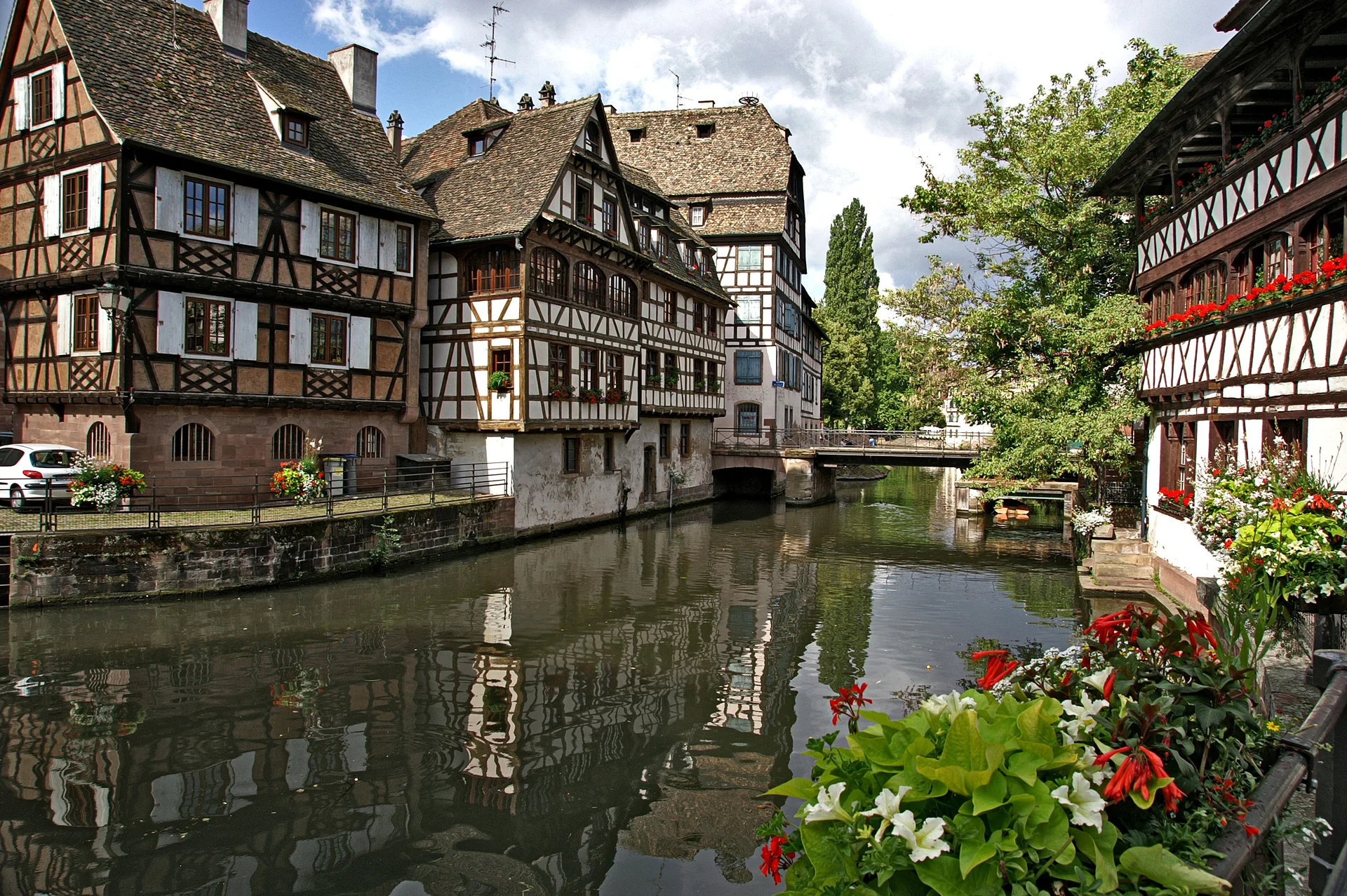
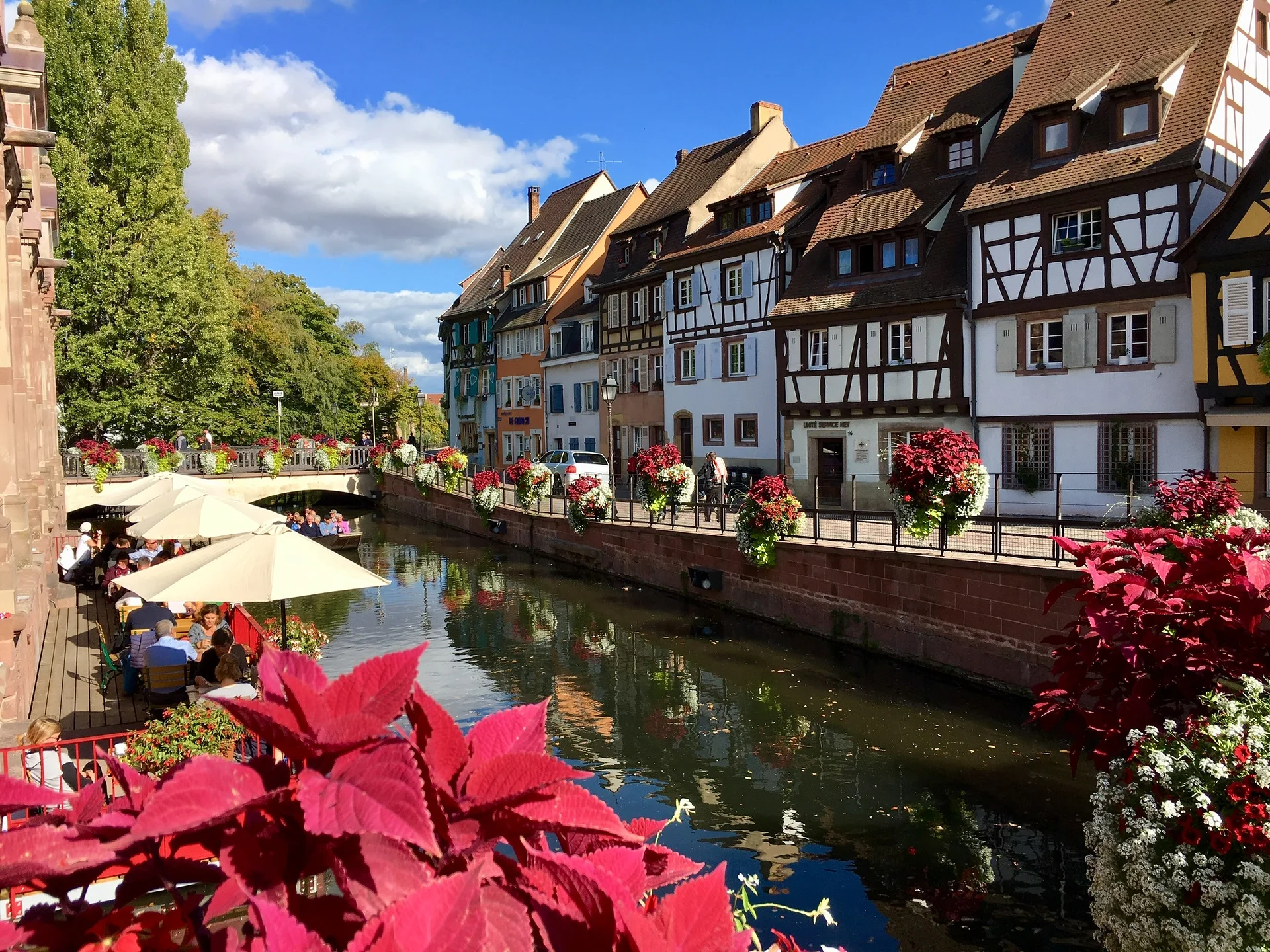
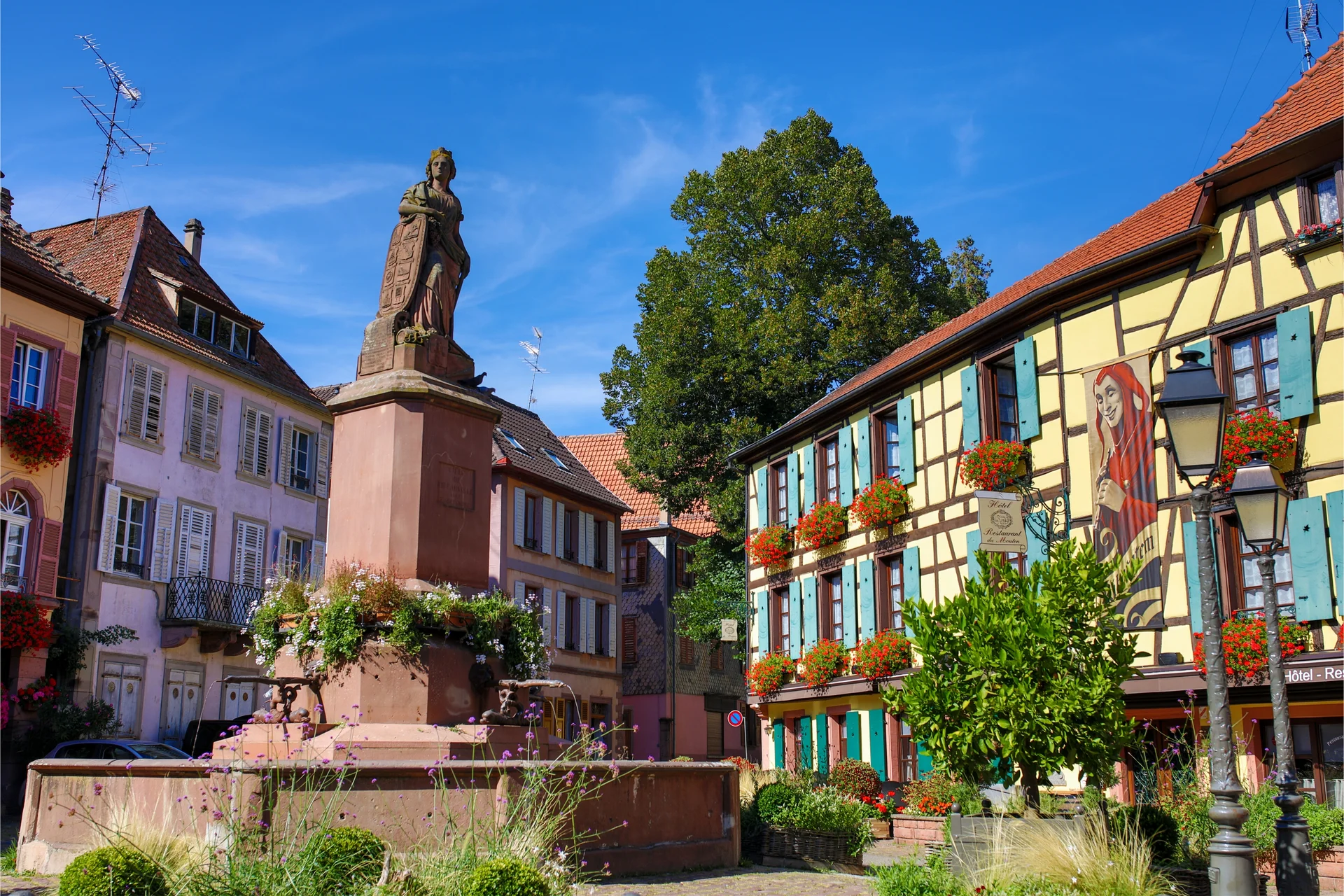
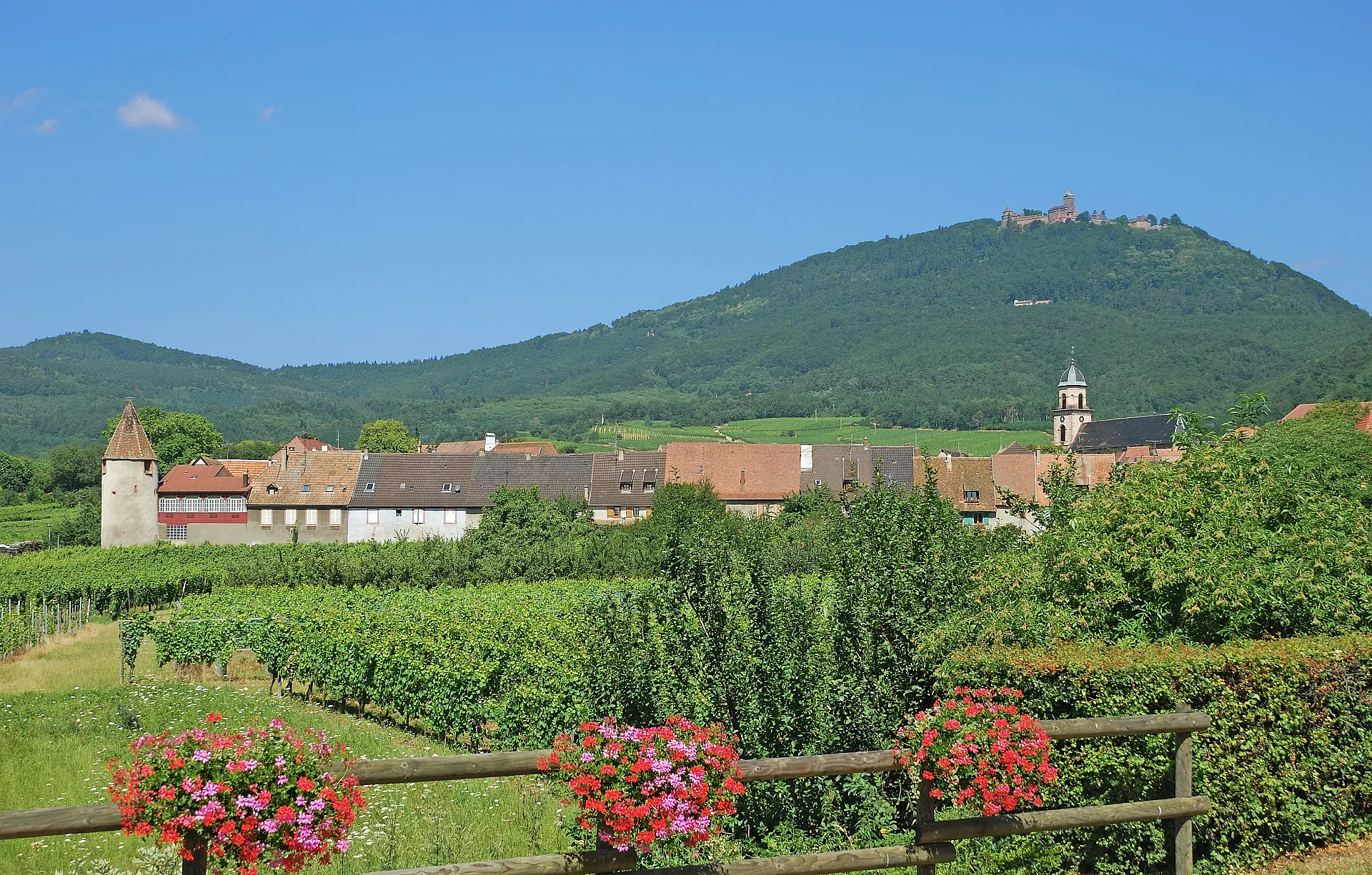
In Alsace, choose your season first. From late November to Christmas, the Christmas markets of Strasbourg, Colmar and the Wine Route villages draw the crowds, and you need to book your hotel by the summer. In May, June and September, you drive through Riquewihr, Kaysersberg and Eguisheim among the vines, with fewer tour buses. Then decide whether to rent a car: trains link Strasbourg, Obernai, Sélestat and Colmar, but none of them stops in the best-known wine villages.
At a glance
- When to go
- Go in May, June, or from mid-September to late October: green or golden vines, 15 to 25 °C (59 to 77 °F), quiet villages on weekdays. For the Christmas markets, aim for a weekday in early December.
- How many days
- Plan five days for Strasbourg, the Wine Route and Colmar, with a car from the second day; three days are enough if you stay around Colmar.
- Which base
- Stay in Colmar on a first trip: the train station, the canals of Little Venice, and the best-known villages less than thirty minutes away. For peace and quiet, choose Kaysersberg or Eguisheim.
- Budget for two
- Allow about $280 a day for two outside Advent, with a mid-range hotel, dinner in a winstub and the rental car; about $198 if you stay in Colmar on weeknights and have tarte flambée for lunch.
- The moment for two
- Taste wine at a grower's cellar in Riquewihr or Eguisheim in the late afternoon, then walk the lanes once the tour buses have left, around 6pm.
- What to book
- For Advent, book the hotel by the summer. The rest of the year, book the car when you book your train or flight, Michelin-starred tables a month ahead, and a winstub a few days ahead for a Saturday night.
Why Alsace for two
The Alsace Wine Route runs for 170 km (106 miles), from Marlenheim, west of Strasbourg, to Thann, south of Colmar, at the foot of the Vosges mountains. It passes through half-timbered villages surrounded by vines: you sleep in one of them, have dinner in a winstub, the Alsatian wine tavern, and taste riesling at the grower's, a short walk from your hotel.
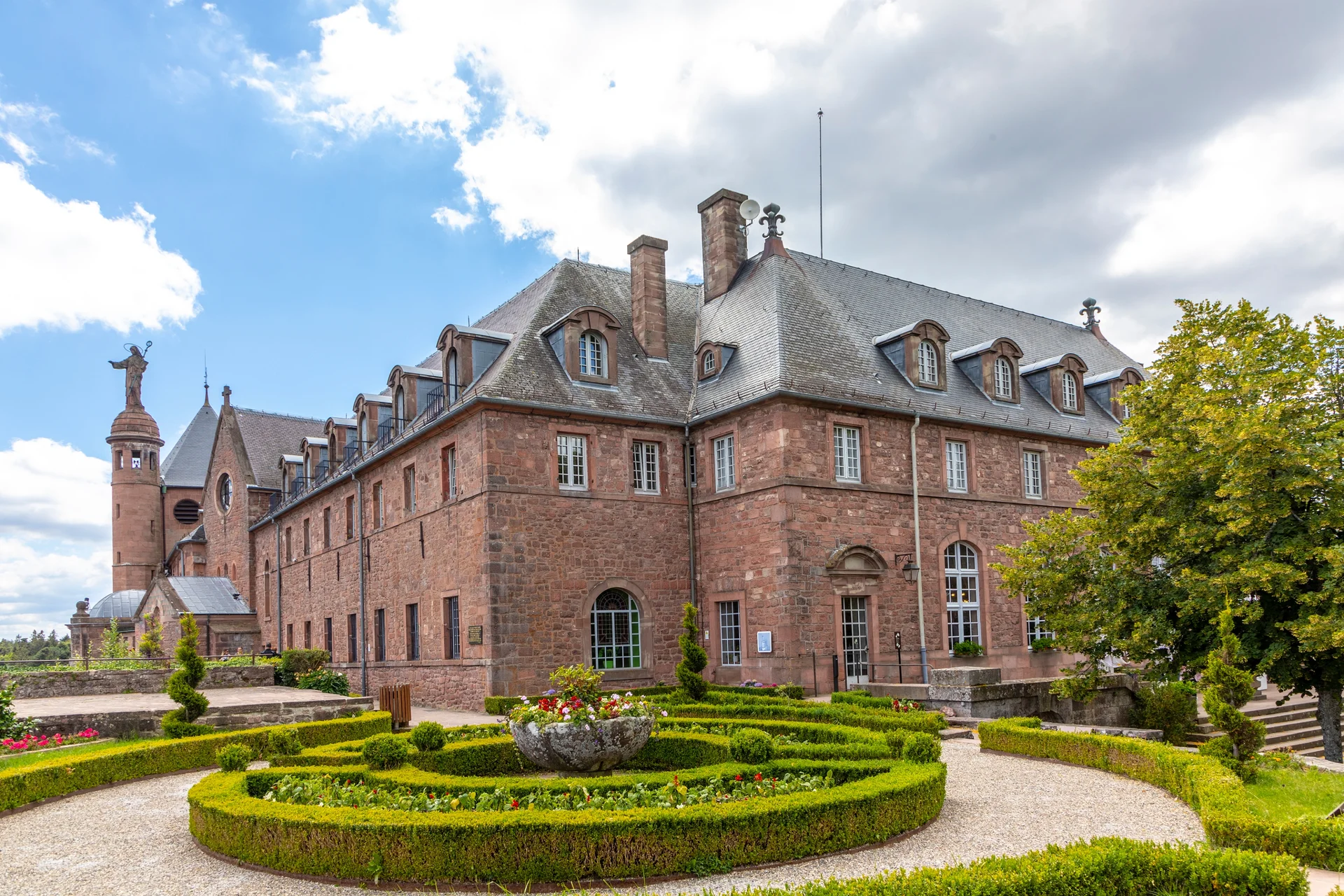
Distances are short: Riquewihr, Kaysersberg, Ribeauvillé and Eguisheim are less than thirty minutes from Colmar by car. From the Haut-Koenigsbourg, a restored medieval castle, and from Mont Sainte-Odile, an abbey on the edge of a cliff, you can see the whole Alsace plain and, on a clear day, the Black Forest across the Rhine.
When to go
| Period | Our verdict | What matters |
|---|---|---|
| April, May | The vines wake up | 14 to 20 °C (57 to 68 °F), storks on their nests; the Ascension and Pentecost weekends fill the villages |
| June | Long evenings | Up to 26 °C (79 °F), terraces open until 10pm, green vines |
| July, August | Hot and busy | Over 30 °C (86 °F) some days in the plain, tour buses in the villages, wine festivals at weekends |
| September, October | The harvest | Grape harvest from mid-September into October, golden vines, 15 to 22 °C (59 to 72 °F) |
| Late November to Christmas | The Christmas markets | Villages lit up, crowds at weekends, rooms up to twice the May price |
| January to March | Bare vines | Cold, grey skies, low prices; some village restaurants close for a few weeks in January |
The Vosges block the rain coming from the west: Colmar is one of the driest towns in France, and rain will rarely spoil a day on the Wine Route between May and October.
For the Christmas markets, come Monday to Thursday: on Saturdays, the streets of Strasbourg and Riquewihr are so packed that you shuffle along, and the village parking lots are full by 11am.
Paperwork: passport, visa, health
| Documents | Visa | Health | |
|---|---|---|---|
| United States, Canada | Passport valid at least 3 months after you leave the Schengen area, issued within the last 10 years | None for stays up to 90 days in any 180 | Travel insurance with medical cover |
| United Kingdom | Passport valid at least 3 months after you leave the Schengen area, issued within the last 10 years | None for stays up to 90 days in any 180 | Your free GHIC covers state healthcare; travel insurance for the rest |
| Ireland | Valid passport or passport card | None | Free EHIC for public healthcare |
Entering the Schengen area from the US, Canada or the UK
On your first entry into the Schengen area, border police record your fingerprints and a photo (the EES system): allow extra time at passport control in Paris, Frankfurt or Basel-Mulhouse. Also check whether the ETIAS travel authorization is required on your dates: if so, apply for it online on the European Union website before you leave.
Getting there
Fly to Paris, Frankfurt or Basel, then take the train
| From | To Strasbourg | To Colmar |
|---|---|---|
| US, Canada, via Paris | Direct TGV from Paris-Charles de Gaulle airport, ~2h | TGV from Paris, ~2h20 |
| US, Canada, via Frankfurt | Direct TGV from Frankfurt main station, ~2h | With a change in Strasbourg |
| London | Eurostar to Paris, then TGV, ~5h in all | Eurostar, then TGV, ~5h30 in all |
| London, Manchester, Edinburgh | Fly to Basel-Mulhouse, then bus and train, ~1h45 | Fly to Basel-Mulhouse, then bus and train, ~1h |
| Dublin | Fly to Paris, Frankfurt or Basel-Mulhouse | Fly to Basel-Mulhouse, then bus and train, ~1h |
From North America, fly into Paris-Charles de Gaulle or Frankfurt, both with nonstop flights from many US and Canadian cities. At Charles de Gaulle, the TGV station under Terminal 2 has a few direct trains a day to Strasbourg, so you avoid crossing Paris; from central Paris, TGVs leave from the Gare de l'Est. From Frankfurt airport, take a train to the main station or change in Mannheim or Karlsruhe.
Basel-Mulhouse, for the south of the Wine Route
The Basel-Mulhouse EuroAirport (MLH, or BSL on the Swiss side) has low-cost flights from London, Manchester, Edinburgh and Dublin, and it is the closest airport to Colmar. Strasbourg-Entzheim airport (SXB) mostly has flights from elsewhere in France and a few European cities.
Car rental companies have desks at Strasbourg and Colmar stations as well as at the airports. Driving is on the right, and most rental cars have a manual transmission.
Practical things to know before you leave
Phone
US and Canadian plans charge full price for roaming in France, and most UK plans now charge for Europe too: turn on a travel pass with your carrier, or install a European eSIM before you leave. With an Irish plan, calls and data work as at home, roaming being free within the European Union.
Money and tipping
Cards are accepted almost everywhere, including in wine cellars and at the Christmas markets; keep a few coins for village parking meters that do not take them. Service is included in restaurant prices, so there is no 15 to 20 percent to add: leave a few euros on the table if you enjoyed the meal, with no obligation. At card terminals, choose to pay in euros and let your own bank convert.
Outlets
French outlets are type E, at 230 volts, for plugs with two round pins. American, Canadian, British and Irish plugs do not fit: bring an adapter. North American appliances must also accept 230 volts, which almost all phone and laptop chargers do, but rarely hair dryers.
Two extra public holidays
Alsace has two public holidays that the rest of France does not, Good Friday and December 26: shops and many wine cellars are closed on those days, as on Sundays. Restaurants stay open; on December 26, the Strasbourg Christmas market has already closed, but Colmar's is still open.
What to book, and how far ahead
Outside Advent, you can visit Alsace almost without bookings: you walk into museums and wine cellars without a ticket bought in advance. What runs out are village rooms during the Christmas markets, and tables at the well-known restaurants on Saturday nights.
| What | Book | Good to know |
|---|---|---|
| Hotel during Advent | By the summer | Villages full at weekends, rooms still free in the plain |
| Hotel in May or September | 1 to 2 months ahead | The Ascension and Pentecost weekends go first |
| Rental car | With your train or flight | Automatics are rare, ask for one early |
| Michelin-starred table | 1 month ahead | Longer for a Saturday in December |
| Winstub on a Saturday night | A few days ahead | On weeknights, the day before is enough |
| Haut-Koenigsbourg | On the spot | In August, arrive at opening time |
From the airport to your hotel
© OpenStreetMap contributors
The airports and the bases they serve
- Strasbourg-Entzheim Airport (SXB)
- Basel-Mulhouse EuroAirport (MLH)
- 1Strasbourg
- 2Obernai
- 3Colmar
| Destination | Transport | Time | Typical fare |
|---|---|---|---|
| Strasbourg | Train to the main station | ~10 min. | ~$5.50 / pers. |
| Strasbourg | Taxi | ~20 min. | ~$39 / taxi |
| Obernai | Rental car | ~25 min. | $39 to $66 / day |
| Colmar | Train, change in Strasbourg | ~1h | ~$22 / pers. |
| Destination | Transport | Time | Typical fare |
|---|---|---|---|
| Colmar | Rental car, via the A35 | ~50 min. | $39 to $66 / day |
| Colmar | Bus to Saint-Louis station, then train | ~1h | ~$17 / pers. |
| Strasbourg | Bus to Saint-Louis station, then train | ~1h45 | ~$33 / pers. |
What works best
If you arrive in Strasbourg, take the train to the main station and rent the car the next day, at the station: you explore central Strasbourg on foot. If you land at the EuroAirport, pick up the car on the French side of the airport and start with Colmar and Eguisheim; return it to the same place, as a one-way rental to Strasbourg costs extra.
Getting around
Trains, between the towns
Regional trains link Strasbourg to Sélestat in about twenty minutes, to Colmar in half an hour, and to Obernai in a little more. From Colmar, Mulhouse is twenty minutes away. No train serves Riquewihr, Kaysersberg, Ribeauvillé or Eguisheim.
Buses, to the villages
From Colmar station, regional buses run to Kaysersberg, Riquewihr and Ribeauvillé several times a day on weekdays, far less often on Sundays: check the time of the last bus back before you set off in the morning.
A car, for the Wine Route
To stay in a village and visit three or four a day, a car is still the best choice. Follow the brown “Route des Vins d'Alsace” signs; the A35 highway, which runs parallel in the plain, is toll-free. Park at the parking lots by the town gates: the centers of Riquewihr, Kaysersberg and Eguisheim are pedestrian.
By bike
A signposted cycle route follows the vineyards between Marlenheim and Thann, partly on small roads through the vines. Rent an e-bike in Colmar or Obernai for a day of villages: the climbs are short, but there are many of them.
Budget for two
Outside Advent, allow about $280 a day for two, with a mid-range hotel, a simple lunch, dinner in a winstub, the rental car and fuel. During the Christmas markets, room prices can double.
| Item | Price |
|---|---|
| Double room, mid-range, village, in May | $110 to $165 |
| Double room, mid-range, Strasbourg, in May | $132 to $198 |
| Dinner in a winstub, wine included | ~$44 / pers. |
| Tarte flambée | $11 to $16 |
| Glass of Alsace wine | $4.40 to $7.70 |
| Compact rental car | $39 to $66 / day |
Sightseeing costs little: the villages, the viewpoints and most tastings are free. The hotel is the biggest expense; to bring it down, stay on weeknights rather than Saturdays, and in Colmar rather than in the best-known villages.
Specialties to try
Alsatian food is hearty: a choucroute or a baeckeoffe is often enough for two, especially at lunch. Winstubs serve it in wood-paneled dining rooms, with the village wine by the jug.
To eat
-
Tarte flambée
A very thin crust topped with cream, onions and bacon, baked in a wood-fired oven, called flammekueche in Alsatian. Order one for two, then a second if you are still hungry.
-
Choucroute
Sauerkraut cooked in riesling, served with sausages and cuts of pork; winstubs also serve a seafood version, with fish.
-
Baeckeoffe
Three meats marinated in white wine, slow-cooked for hours with potatoes in an earthenware dish sealed with dough: many restaurants ask you to order it the day before.
-
Munster
The cheese of the Vosges valleys, with an orange rind and a strong flavor, served with cumin; it goes well with a gewurztraminer.
-
Kougelhopf
A brioche with raisins and almonds, baked in a ring-shaped mold, which Alsatians eat for breakfast or with a glass of white wine.
-
Bredele
Small Christmas cookies flavored with anise, cinnamon or almonds, sold by weight at the Advent markets alongside gingerbread.
To drink
Alsace makes mostly white wines, named after their grape: riesling, dry and mineral, gewurztraminer, aromatic, pinot gris, rounder, and sylvaner, light. Pinot noir is the region's only red wine, and crémant d'Alsace is its sparkling wine. On the label, “grand cru” refers to one of 51 classified hillsides.
Customs and rules to know
A few Alsatian habits will spare you a closed door or a table turned down.
| Habit | What to expect |
|---|---|
| Arriving at a village winstub after 9pm | The kitchen often closes around 9pm; book for 7:30pm |
| Walking into a cellar unannounced | Fine at a large wine house; at a small grower's, call before you stop by |
| Tasting without buying | Accepted, but buy a bottle to thank the grower for a free tasting |
| Looking for a shop open on Sunday | Closed, except bakeries in the morning and the Christmas market stalls |
In the villages, you will still hear older people speaking Alsatian among themselves; with you, everyone speaks French. Say “bonjour” when you walk into a cellar or a shop, before asking anything.
Safety
Alsace is safe for a couple, by day and by night; the points to watch are the December crowds and the roads.
- Pickpockets at the Strasbourg and Colmar Christmas markets, especially on Saturdays in front of the mulled wine stalls: keep your bag closed and in front of you.
- Security checks around the Grande Île in Strasbourg during the Christmas market: officers control the entrances and may search bags, and cars can only enter with a permit.
- Drinking and driving: the limit is 0.05 percent blood alcohol, reached with two glasses of wine, and the police check the village exits at weekends; one of you spits at tastings or does not taste.
- The Vosges roads in winter, up to Mont Sainte-Odile and the Haut-Koenigsbourg: ice and fog are possible from December to February.
Mistakes to avoid
- Booking a village hotel in October for a weekend in December: it has been full since the summer.
- Visiting Riquewihr or Kaysersberg between 11am and 4pm on a summer Saturday: that is when the tour buses arrive; come before 10am or after 5pm.
- Landing at Basel-Mulhouse EuroAirport for a stay in Strasbourg: allow nearly two hours to get there, against ten minutes from Entzheim.
Alsace
Compare hotel prices
Pick your dates and see the offers from the major booking sites side by side.
Compare live offers from Booking, Expedia, Agoda and other partners.
Alsace: find your hotel
Frequently asked questions
How many days do you need to visit Alsace as a couple?
Five days let you see Strasbourg, the Wine Route villages and Colmar without rushing. With three days, stay around Colmar: Riquewihr, Kaysersberg and Eguisheim are less than thirty minutes away. A week lets you add the Haut-Koenigsbourg, Mont Sainte-Odile and a day of hiking in the Vosges.
Do you need a car in Alsace?
For the Wine Route, yes: no train serves the wine villages, and buses are rare in the evening and on Sundays. For a stay in Strasbourg and Colmar only, the train is enough, and you do not have to look for parking.
When is the best time to see the Christmas markets?
A weekday in the first half of December: the markets are open, the crowds are smaller, and hotels cost less than at weekends.
Is Alsace expensive?
Outside Advent, it is reasonable: about $280 a day for two in mid-range hotels, car included, and tastings are often free. In December, village rooms can cost twice as much as in May.
Can you combine Alsace with the Black Forest or Basel?
Yes: Freiburg, the main city of the southern Black Forest, is about forty-five minutes' drive from Colmar, and Basel an hour. Add a day while keeping your hotel in Colmar; check with the rental company that you can take the car into Germany or Switzerland.