





Austria for couples: what to know before you go (2026)
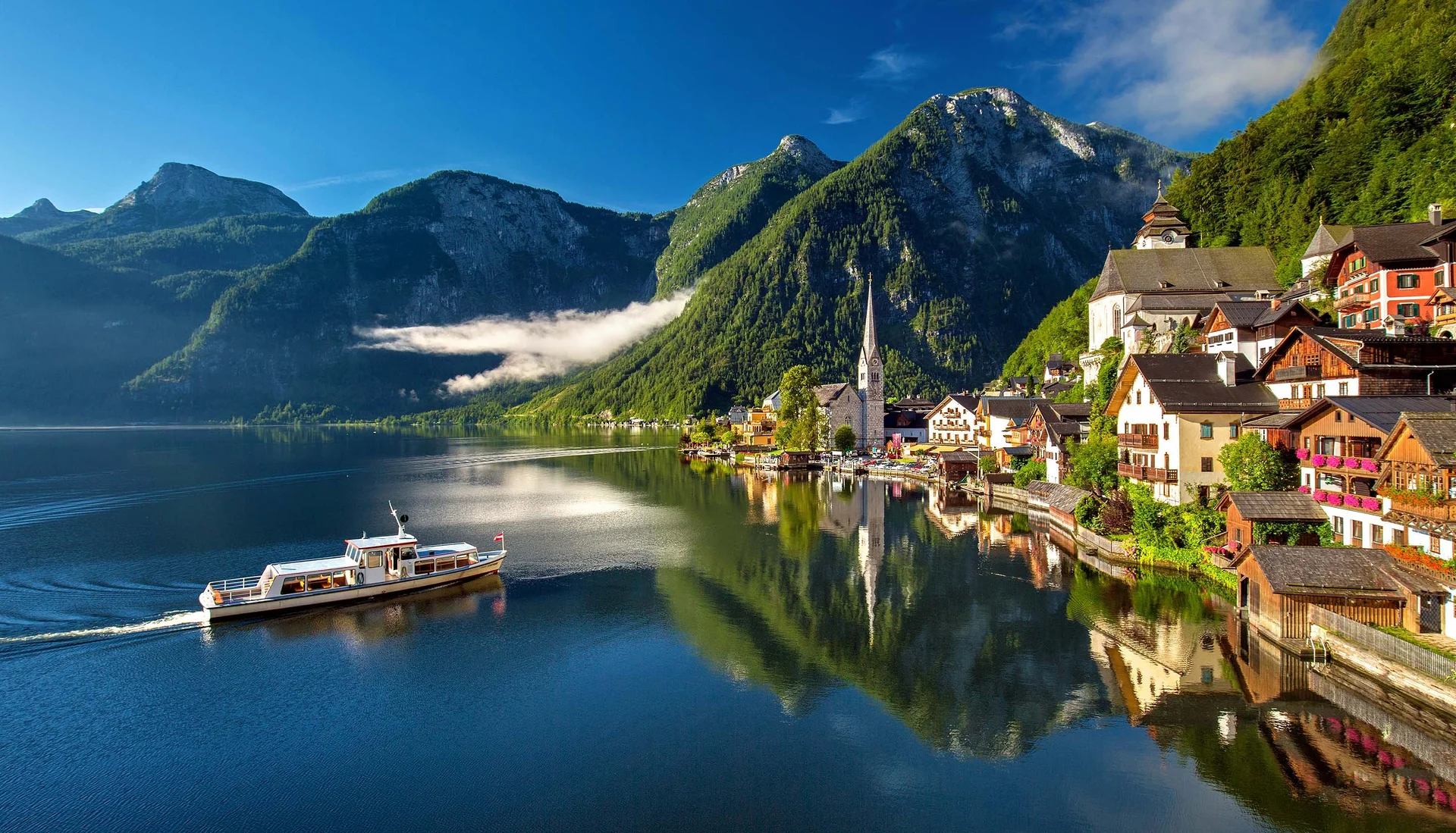
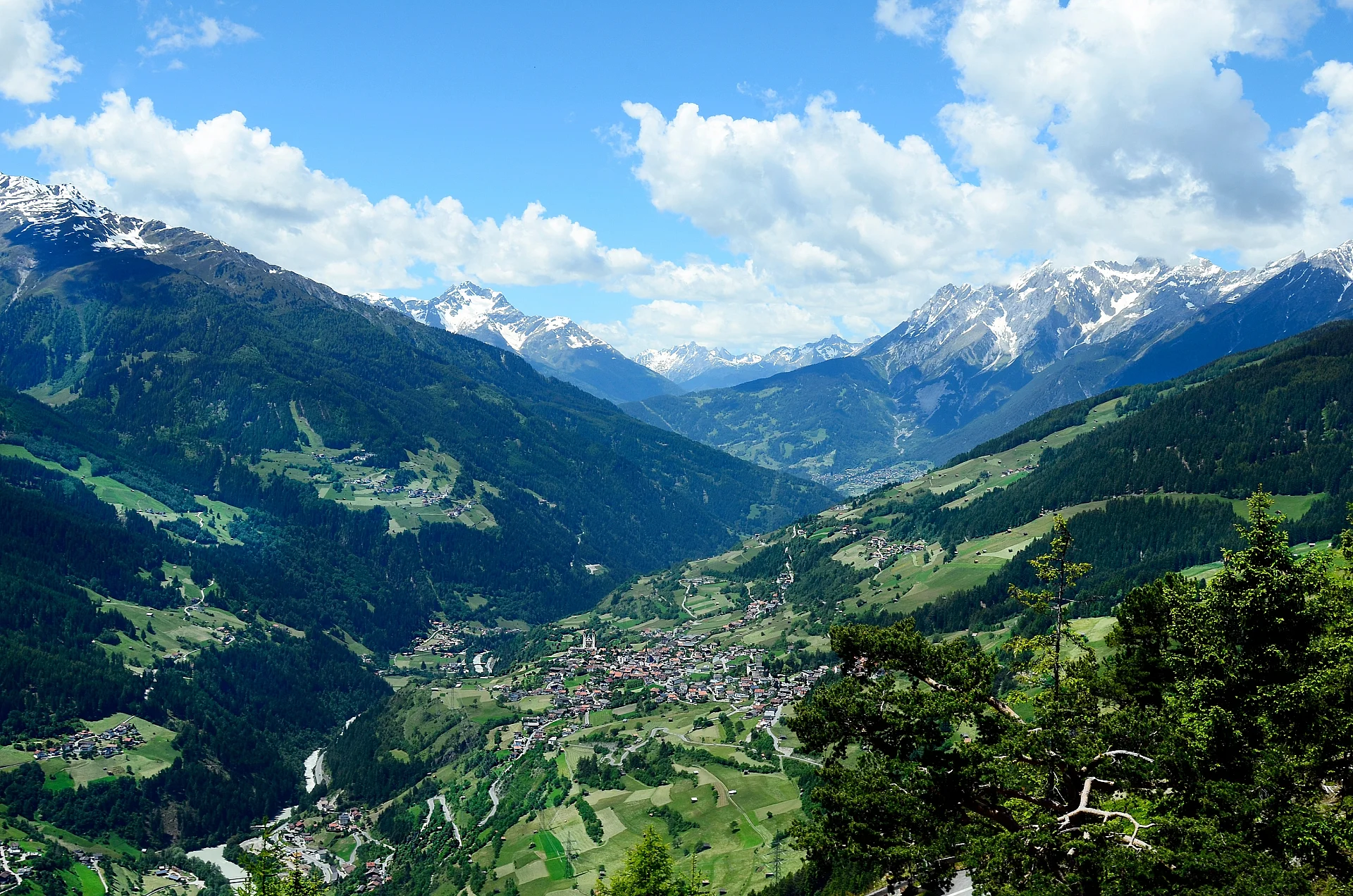
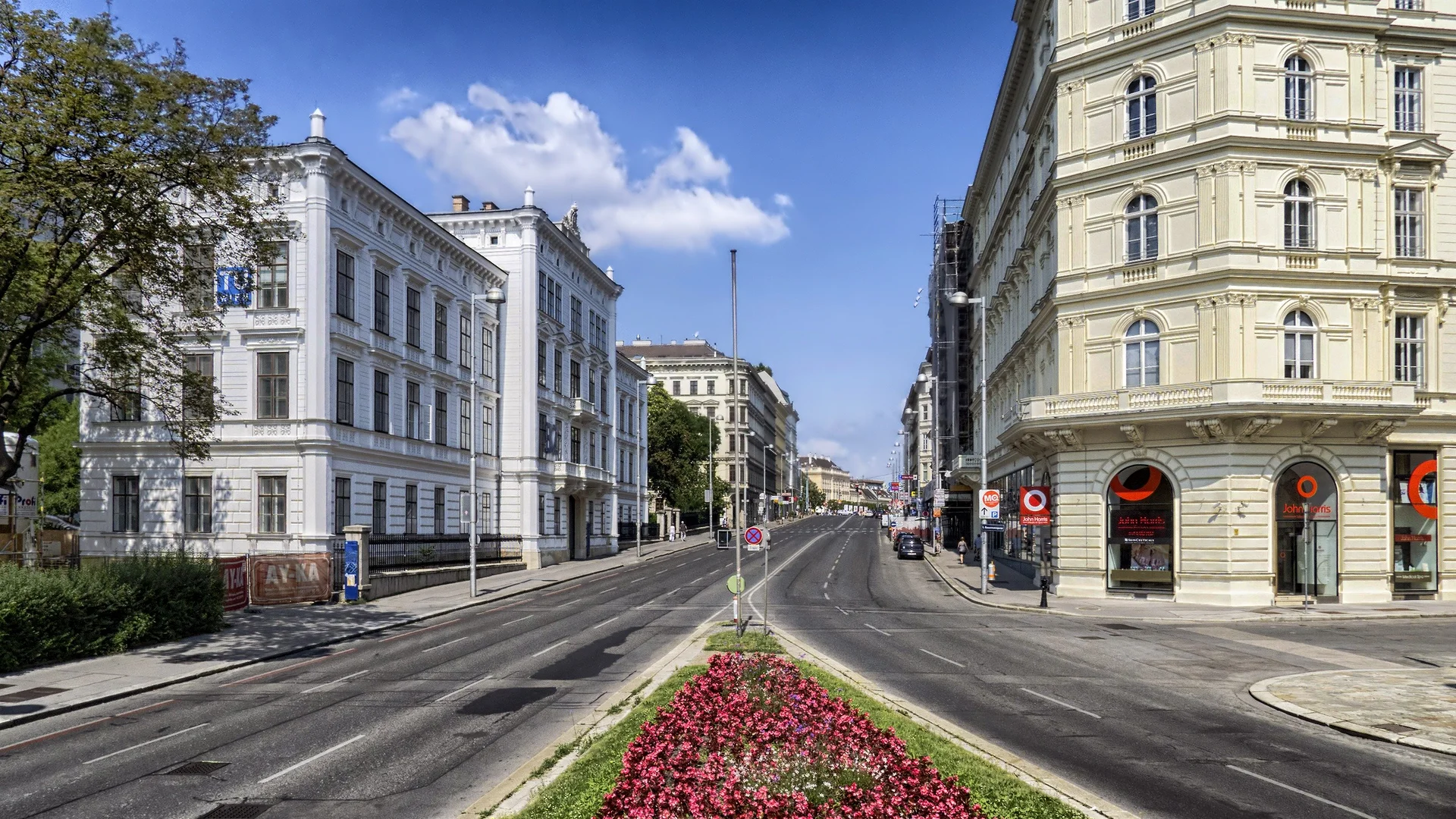
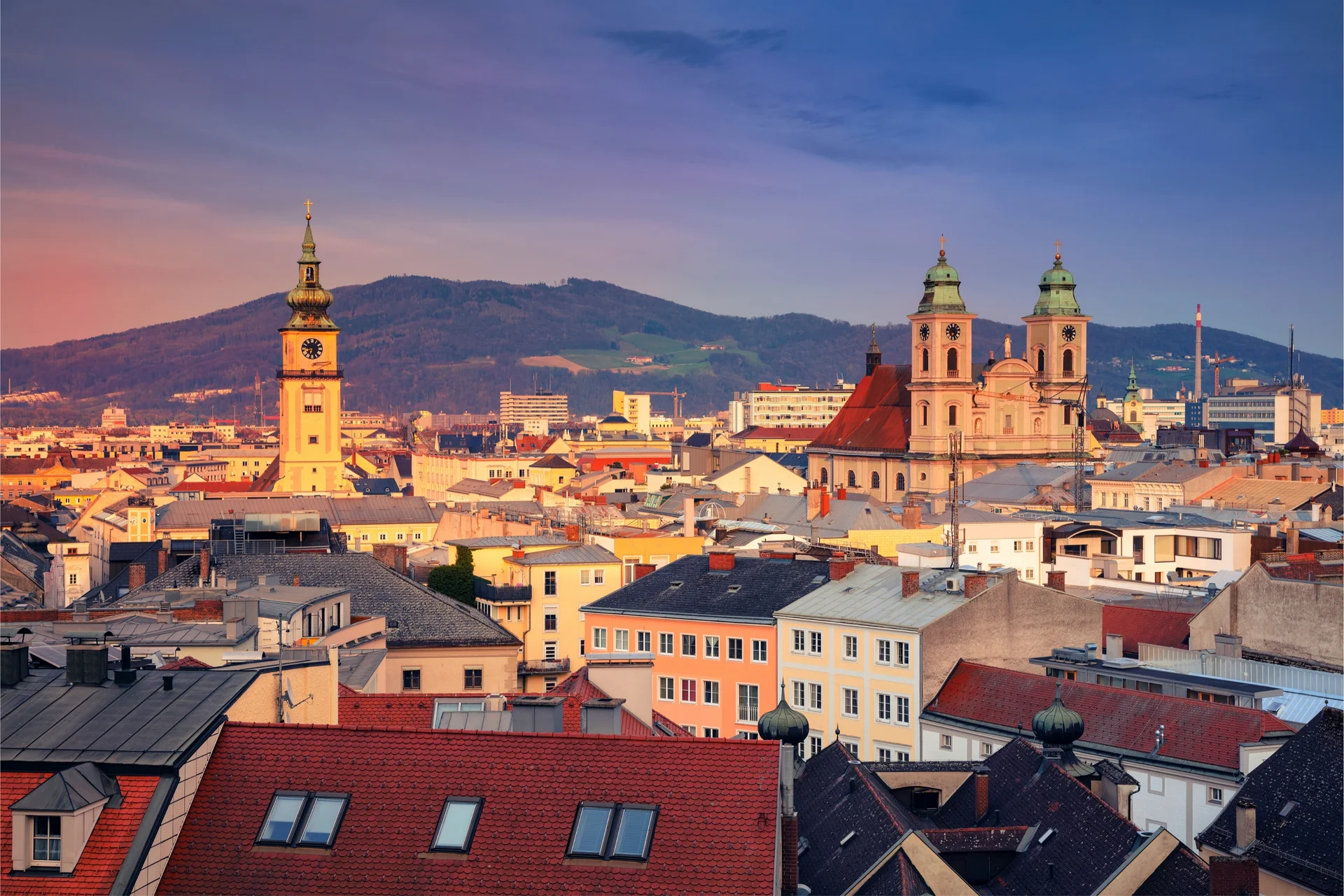
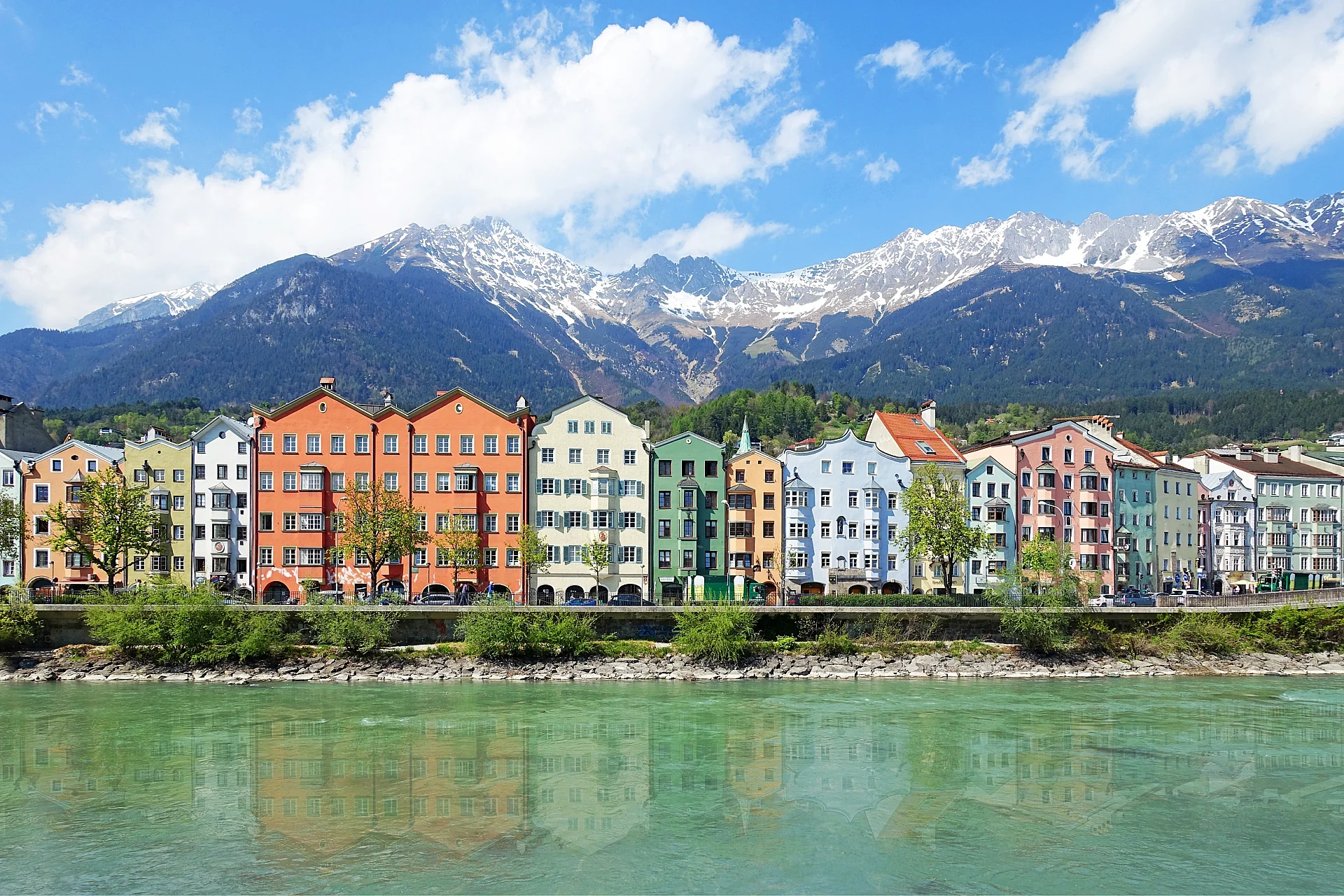
Before you book, choose your Austria: the imperial cities, Vienna and Salzburg, 2h30 apart by train, or the lakes of the Salzkammergut and the peaks of Tyrol, where a car will save you hours. With ten days, you can combine the two. The rest depends on the season: June to September for the passes, the cable cars and swimming, December for the Christmas markets, and never Hallstatt in high summer without a room booked months ahead.
At a glance
- When to go
- June and September: 68 to 77 °F (20 to 25 °C) in the valleys, the cable cars and pass roads open, Hallstatt without the July and August coaches. December for Vienna and Salzburg under the lights of the Christmas markets.
- How many days
- Three days for Vienna alone; seven for Salzburg, the lakes, Hallstatt and Innsbruck, by car; ten to start with Vienna and reach Salzburg by train.
- Which base
- Vienna for a first visit, Salzburg for day trips to the lakes, one night in Hallstatt for the village without the crowds, Innsbruck for the mountains at the end of the street.
- Budget for two
- About $3,190 for seven nights in comfort, flights excluded: mid-range hotels, dinners in country inns, sights, cable cars and a rental car included.
- The moment for two
- An evening on the terrace of a Heuriger, a winemaker's tavern in the hills above Vienna, with a jug of this year's white wine and the city lights coming on below.
- What to book
- The room in Hallstatt three to four months ahead for summer, the Vienna State Opera and the Spanish Riding School weeks ahead, and Salzburg during the festival, mid-July to the end of August.
Why Austria for two
A mountain country 355 miles (570 km) from east to west, where in the same week you can go from the gilded halls of the Hofburg to a green lake under a limestone wall. As a couple, you will find cafés where nobody hurries you out, village inns where dinner costs less than in Vienna, and cable cars that take you from a city center to 6,230 feet (1,900 m) in twenty minutes.
Austrian trains link Vienna, Salzburg, Innsbruck and Graz almost every hour, center to center: you can do the cities without a car, and rent one only for the Salzkammergut lakes and the valleys of Tyrol.
When to go
| Period | Weather | Crowds | Our take |
|---|---|---|---|
| May | 59 to 72 °F (15 to 22 °C) in the valleys, snow up high | Moderate, except Ascension and Whitsun | The cities in spring, but some pass roads and cable cars still closed |
| June | 68 to 77 °F (20 to 25 °C), meadows in flower | Moderate on weekdays | Everything is open, the lakes warm up, Hallstatt stays quiet in the evening |
| July, August | 77 to 86 °F (25 to 30 °C) in Vienna, afternoon storms in the mountains | Very heavy in Hallstatt and Salzburg | Lakes at 72 °F (22 °C), but the Salzburg festival and the coaches fill everything |
| September, early October | 64 to 72 °F (18 to 22 °C), clear skies over the peaks | Heavy in September, light afterward | Our favorite: the grape harvest around Vienna, golden larches in Tyrol |
| November to March | 23 to 41 °F (-5 to 5 °C), snow in the mountains | Heavy in December, light afterward outside the ski resorts | The Christmas markets and the Vienna balls, but closed passes and snowy roads |
Two dates to know: the Salzburg Festival, from mid-July to the end of August, which doubles the price of rooms in the city, and the Christmas markets, from mid-November to Christmas, when Vienna and Salzburg fill up on weekends. In the mountains, the rack railways and the cable cars that do not serve a ski area close between early November and May: check the dates of the one you have in mind.
Entry requirements: documents, visa, health
| Documents | Visa | Health | |
|---|---|---|---|
| United States, Canada | Passport valid at least 3 months after you leave the Schengen area, issued within the last 10 years | None for stays up to 90 days | Travel insurance with medical cover |
| United Kingdom | Passport valid at least 3 months after you leave the Schengen area, issued within the last 10 years | None for stays up to 90 days in any 180 | Your free GHIC covers state healthcare in Austria; travel insurance for the rest |
| Ireland | Valid passport or passport card | None | Free EHIC for public healthcare |
Entering the Schengen area from the US, Canada or the UK
On your first entry into the Schengen area, border police record your fingerprints and a photo (the EES system): allow a little more time at passport control. Check before you leave whether the ETIAS travel authorization is required on your dates: you apply for it online on the European Union site (travel-europe.europa.eu), and it is valid for three years.
Getting there
By plane, into Vienna or Munich
| From | Flight time | Good to know |
|---|---|---|
| London (Heathrow, Gatwick, Stansted) | ~2h15 | Several nonstops a day to Vienna; to Salzburg and Innsbruck mostly in the ski season |
| Dublin | ~2h40 | Nonstops to Vienna with Aer Lingus and Ryanair |
| New York, Newark, Boston, Washington, Chicago | 8h30 to 9h30 | Nonstop to Vienna with Austrian Airlines; nonstops to Munich with Lufthansa and United |
| Montreal, Toronto | 8h30 to 11h | Nonstop Montreal-Vienna several times a week; from Toronto, nonstop to Munich or one stop to Vienna |
| Los Angeles, San Francisco | 11h30 to 14h | Nonstop to Munich; one stop for Vienna |
Vienna Airport (VIE) handles almost all of the country's international flights. Salzburg (SZG) and Innsbruck (INN) are fifteen minutes from their centers, but their flights from the UK are mostly winter flights, for skiing. For a trip to the Alps between May and October, Munich Airport (MUC), in Germany, 1h45 from Salzburg and 2h from Innsbruck by motorway, has the most flights and every rental company. From North America, an open-jaw ticket, into Munich or Vienna and out of the other, saves you from backtracking.
By train
From London, allow a full day: the Eurostar to Paris, the TGV to Munich, about 6h, then the Austrian Railjet to Salzburg (1h30) or Innsbruck (1h45). The cheapest ÖBB tickets, the Sparschiene fares, are sold on the Austrian railways' website weeks ahead.
Practical things to know before you go
Phone
US and Canadian plans charge roaming at full price, and most UK plans now charge for Europe too: turn on a travel pass or install a European eSIM before you leave. With an Irish plan, calls and data work as at home, Austria being in the European Union. In the mountains, the network covers the valleys but not always the trails: download the offline map.
Outlets and voltage
European outlets with two round pins, at 230 volts. British and Irish three-pin plugs do not fit, nor do American and Canadian ones: one adapter per person, bought before you leave. North American 110-volt appliances only work if they are dual voltage, which is the case for phones and laptops, rarely for hair dryers.
Money and tipping
- The euro everywhere, and cards accepted almost everywhere; keep $55 in cash for mountain inns, the Heuriger and the market stalls, where cards are sometimes refused. Decline the conversion into dollars or pounds at the machine and let your own bank convert.
- A tip is expected in restaurants and cafés, but not at American levels: round up by 5 to 10 % and tell the server the total when you pay, rather than leaving coins on the table.
- In Viennese cafés, one waiter looks after your table from start to finish: ask that waiter for the bill.
Water, Sundays and opening hours
Tap water is excellent: Vienna's comes from Alpine springs through a 93-mile (150 km) aqueduct, and your coffee comes with a glass of water. On Sundays, shops are closed, except in train stations and a few bakeries; do your shopping the day before.
What to book, and how far ahead
In Austria, you book rooms and performances long in advance, rarely sights: the room in Hallstatt, the evening at the Vienna State Opera, a performance of the Spanish Riding School. Castles, museums and cable cars are bought on the spot or the day before.
| What | Book | Good to know |
|---|---|---|
| A room in Hallstatt | 3 to 4 months ahead for summer | Few hotels in the village, full from May to October |
| Salzburg during the festival | 4 to 6 months ahead | From mid-July to the end of August, prices double |
| Vienna State Opera | Weeks ahead | No performances in July and August |
| Spanish Riding School | Weeks ahead for a performance | The morning training session can be booked a few days ahead |
| Schönbrunn Palace | The day before in summer | Timed tickets: the first slot of the day avoids the groups |
From the airport to your hotel
© OpenStreetMap contributors
The airports and the cities they serve
- Vienna (VIE)
- Salzburg (SZG)
- Innsbruck (INN)
- Graz (GRZ)
- 1Vienna, Innere Stadt
- 2Salzburg, Altstadt
- 3Innsbruck, Altstadt
- 4Graz, Hauptplatz
| Destination | Transport | Time | Indicative fare |
|---|---|---|---|
| Vienna, Innere Stadt | City Airport Train (CAT) to Wien Mitte | 16 to 25 min. | ~$17 / pers. |
| Vienna, Innere Stadt | ÖBB Railjet or REX to the main station | ~15 min. | ~$5.50 / pers. |
| Vienna, Innere Stadt | Taxi or ride-hailing app | 25 to 35 min. | $44 to $55 / taxi |
| Destination | Transport | Time | Indicative fare |
|---|---|---|---|
| Salzburg, Altstadt | Trolleybus 10 | ~20 min. | ~$3.30 / pers. |
| Salzburg, Altstadt | Taxi | ~15 min. | $22 to $28 / taxi |
| Destination | Transport | Time | Indicative fare |
|---|---|---|---|
| Innsbruck, Altstadt | Bus F | ~20 min. | ~$3.30 / pers. |
| Innsbruck, Altstadt | Taxi | ~10 min. | $17 to $22 / taxi |
| Destination | Transport | Time | Indicative fare |
|---|---|---|---|
| Graz, Hauptplatz | S-Bahn to the station, then tram | ~30 min. | ~$3.30 / pers. |
| Graz, Hauptplatz | Taxi | ~20 min. | $28 to $39 / taxi |
From Munich Airport
Munich Airport is too far for a taxi transfer: rent the car for your trip there, buying the Austrian motorway sticker before the border, or take the train to Salzburg, about 2h with a change in Munich. For Innsbruck, the train takes about 2h30, with a change at Munich's main station.
Getting around
The train between cities
| Route | Train | Car |
|---|---|---|
| Vienna-Salzburg | ~2h30 | ~3h |
| Salzburg-Innsbruck | ~1h50 | ~2h |
| Vienna-Graz | ~2h35 | ~2h |
| Salzburg-Hallstatt | ~2h30 with the boat | ~1h15 |
ÖBB Railjets leave every half hour or every hour between Vienna, Salzburg and Innsbruck; the private company Westbahn also runs Vienna-Salzburg, often for less. A ticket bought the day before costs two to three times a Sparschiene fare bought three weeks ahead. Reserve a seat in July, in August and on Friday evenings.
The car, for the lakes and the valleys
For the Salzkammergut, Hallstatt, the Kaprun dams and the valleys of Tyrol, rent a car: buses run there, but rarely in the evening. Motorways are paid for with a vignette, already paid for on a car rented in Austria; for a car rented in Germany, buy the ten-day vignette, ~$15, at a gas station before the border or online on the site of ASFINAG, the motorway company: it is valid as soon as you buy it. Without it, the fine is $220.
In the cities
In Vienna, the subway, trams and buses share one ticket: a 24-hour pass costs about $11; there is no longer a 72-hour pass, and from three days on, the 7-day pass, about $28, works out cheaper. In Salzburg and Innsbruck, you will do everything on foot, and take the bus only for the station and the airport. Never park a car in central Vienna: the blue zones are paid parking everywhere, and hotels use a nearby garage at $28 to $44 a night.
Budget for two
A hotel and a dinner cost less in Vienna than in London or New York, more in Salzburg during the festival, and less in the villages. What makes the budget vary is the hotel, the car and the mountains: each cable car or summit train costs $39 to $66 per person, round trip. What seven nights for two cost, flights excluded:
| Smart | Comfort | Treat | |
|---|---|---|---|
| Hotel, per night | $110 to $154 (a village inn, a simple old-town hotel) | $176 to $270 (a boutique hotel in the center) | from $440 (the Sacher, the Goldener Hirsch) |
| Meals, per day for two | $66 (an inn dish, a picnic) | $121 (a simple lunch, dinner in an inn) | $280 (a fine-dining table) |
| Sights and cable cars, for the stay | $165 | $330 | $550 with the Opera |
| Transport, for the stay | $165 by train | $500 with a car for five days | $770 with an automatic |
| Total, seven nights | ~$1,710 | ~$3,190 | from $6,050 |
Useful markers: a Melange coffee $5.50 to $6.60 in a Viennese café, a slice of Sachertorte $6.60 to $11, a Wiener Schnitzel $20 to $31, a half-liter beer $5.50 to $6.60, a quarter-liter of wine at a Heuriger $4.40 to $6.60, a sausage at a stand $5.50.
Specialties to try
Austrian cooking is that of a former empire: breaded veal from Milan, pastries from Bohemia, goulash from Hungary, and in the Alps a cuisine of cheese and potatoes for days at altitude. In the evening, look for a Gasthaus, the neighborhood or village inn, rather than a restaurant with a menu translated into five languages.
To eat
-
Wiener Schnitzel
The breaded veal cutlet, fried in clarified butter, served with potato salad and a wedge of lemon. The pork version is written Schnitzel vom Schwein on the menu and costs a third less.
-
Tafelspitz
Viennese boiled beef, served in its broth with apple purée and grated horseradish: the Sunday dish of Viennese families, to order in a restaurant that has made it its specialty.
-
Sachertorte and Apfelstrudel
The chocolate cake with an apricot filling, served with whipped cream, and the warm apple strudel: coffee time, around 3pm, is cake time across the country.
-
Kaiserschmarrn
A thick pancake torn into pieces in the pan, sugared and served with plum compote: the dish of the mountain huts, generous enough for two.
-
Kaspressknödel and Käsespätzle
The food of Tyrol: bread and cheese dumplings served in broth, and small noodles with melted cheese and fried onions, in the inns of Innsbruck and the valleys.
-
Pumpkin seed oil
The dark green oil of Styria, Kürbiskernöl, poured over potato salad or vanilla ice cream around Graz; a bottle travels well in a suitcase.
To drink
Try Grüner Veltliner, the dry, peppery white wine of the Danube valley and the hills of Vienna, and Zweigelt, the country's most planted red. At a Heuriger, a winemaker's tavern serving this year's wine, order a Gespritzter, white wine topped up with sparkling water. Without alcohol, Almdudler is the national herbal lemonade.
Customs and rules to know
Austrians care about manners and quiet: a few simple courtesies get you a warmer welcome, and some rules come with a fine.
| Rule | What to expect |
|---|---|
| Say hello when you walk into a shop, a café or a mountain hut: Grüß Gott everywhere, Servus among young people | A friendlier welcome; walking in without a word comes across as rude |
| Crossing on a red light, even on an empty street | Disapproving looks, and a fine if the police see you |
| Walking in a bike lane, in Vienna or along the lakes | An insistent bell; the lanes are marked in red on the sidewalk |
| Making noise on Sundays or after 10pm in an apartment building or a village | Sunday is a day of rest: no mowing, no music, and neighbors who will remind you |
| Smoking in a restaurant or a café | Banned in all enclosed public places, with a fine |
Austrians eat dinner early, between 6pm and 8pm; in the villages, the kitchen often closes at 9pm, and many inns have a closing day, the Ruhetag, posted on the door. In a café, you can stay for hours over a single drink: the waiter will only bring the bill when you ask for it.
Safety
Austria is one of the safest countries in Europe: you can walk back to your hotel at midnight in Vienna, Salzburg or Innsbruck. The risks lie elsewhere, in the mountains and in crowds.
- Pickpockets in Vienna: on Stephansplatz, on Kärntner Strasse, in the subway at rush hour and in the Christmas market crowds; carry your bag in front of you.
- The mountains in summer: a storm builds almost every afternoon in July and August; set out on the trails in the morning, come down before 3pm, and check the summit webcam before paying for a cable car.
- The cold at altitude: at 6,560 feet (2,000 m), it is 18 °F (10 °C) colder than in the valley, even in August; pack a warm jacket and closed shoes.
- Mountain lakes: the water stays cold below the surface even when the air is hot; do not swim far from the shore when a storm is coming.
- In Vienna at night, do not linger around Praterstern station: the city bans drinking in public there to keep drunken groups away.
Mistakes to avoid
Most disappointments come from the same mistake: trying to do Vienna, Salzburg, Hallstatt and Innsbruck in five days, packing your bags every night.
- Doing Hallstatt as a day trip, between 10am and 4pm, with the coaches: you will see the village's single street in a line. Sleep there one night.
- Crossing the German border without a vignette in a car rented in Munich: a $220 fine at the first check.
- Arriving in Salzburg between mid-July and the end of August without a room: the festival fills the city and prices double.
- Paying for a cable car under a ceiling of cloud: $55 per person to look at fog. Go up in the morning, when the sky is clearest.
- Renting a car for Vienna: you will pay $33 a night for parking a car that never moves, when the subway and the trams do everything.
- Planning to shop on a Sunday: everything is closed, except shops in the big train stations.
Austria
Compare hotel prices
Pick your dates and see the offers from the major booking sites side by side.
Compare live offers from Booking, Expedia, Agoda and other partners.
Austria: find your hotel
Frequently asked questions
How many days do you need for Austria as a couple?
Three days for Vienna alone, seven for Salzburg, the Salzkammergut lakes, Hallstatt and Innsbruck by car, ten to start with Vienna and reach Salzburg by train. With two weeks, add Graz and southern Styria, with its hills of vineyards.
Do you need to rent a car in Austria?
Not for the cities: Vienna, Salzburg, Innsbruck and Graz are linked by fast trains, center to center. Yes for the Salzkammergut lakes, Hallstatt and the valleys of Tyrol, where buses are rare in the evening. Rent it for those days only, motorway sticker included.
What is the best time of year for a couple in Austria?
June and September: the passes, the cable cars and the lake boats are running, the villages are quiet on weekdays and hotels cost less than in July. December is the other good season, for Vienna and Salzburg during the Christmas markets, but not for driving in the mountains.
Is Austria expensive?
Less than London or New York for a hotel and a dinner, more in Salzburg during the festival. Allow about $3,190 for seven nights for two in comfort, car and cable cars included, flights excluded, and $1,710 if you sleep in inns and travel by train.
Do people speak English in Austria?
Yes in hotels, city restaurants and at the cable cars, and often among young people. In village inns, the menu is sometimes in German only: Grüß Gott when you come in and Danke when you leave go a long way.