





Kansai for couples: what to know before you go (2026)
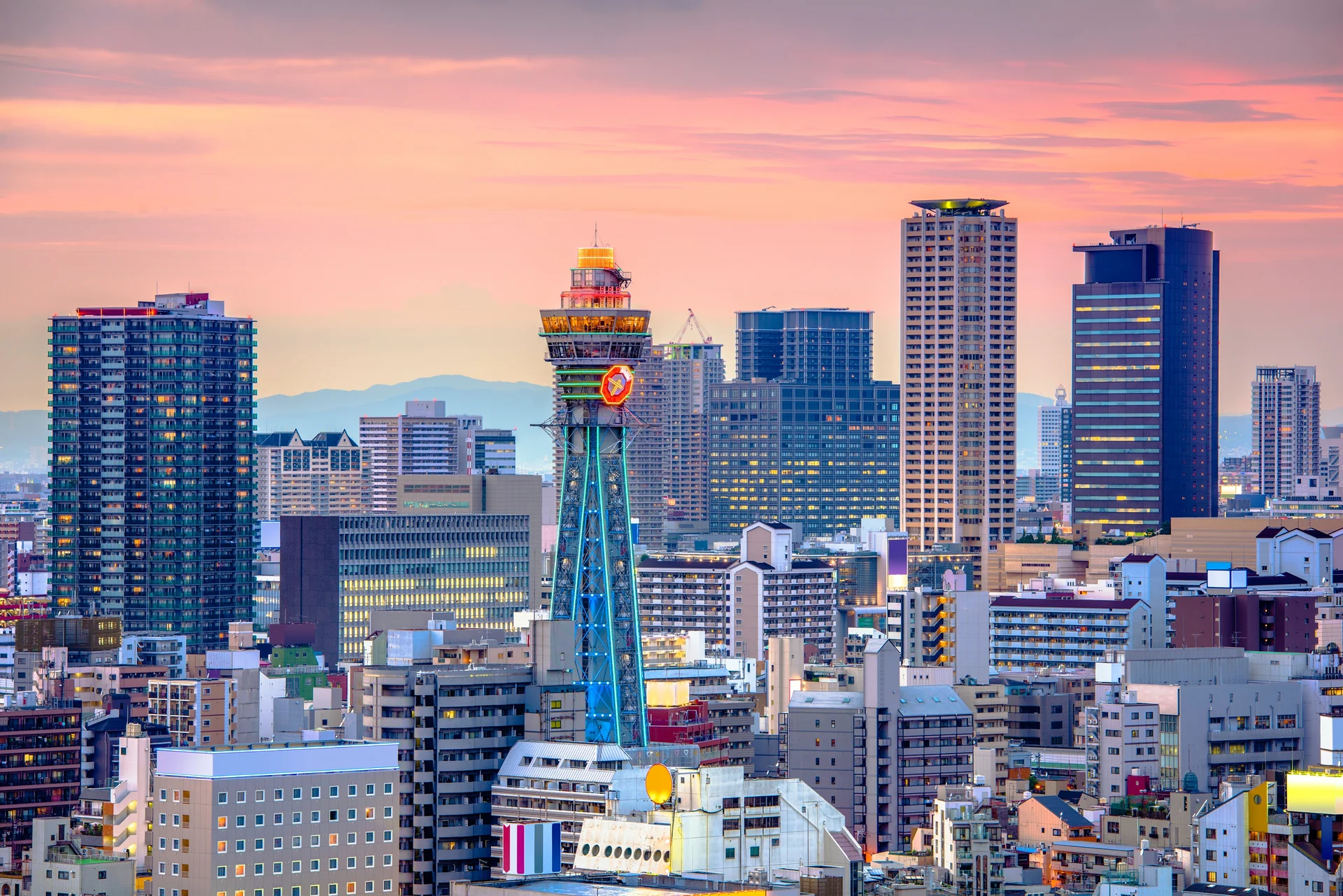
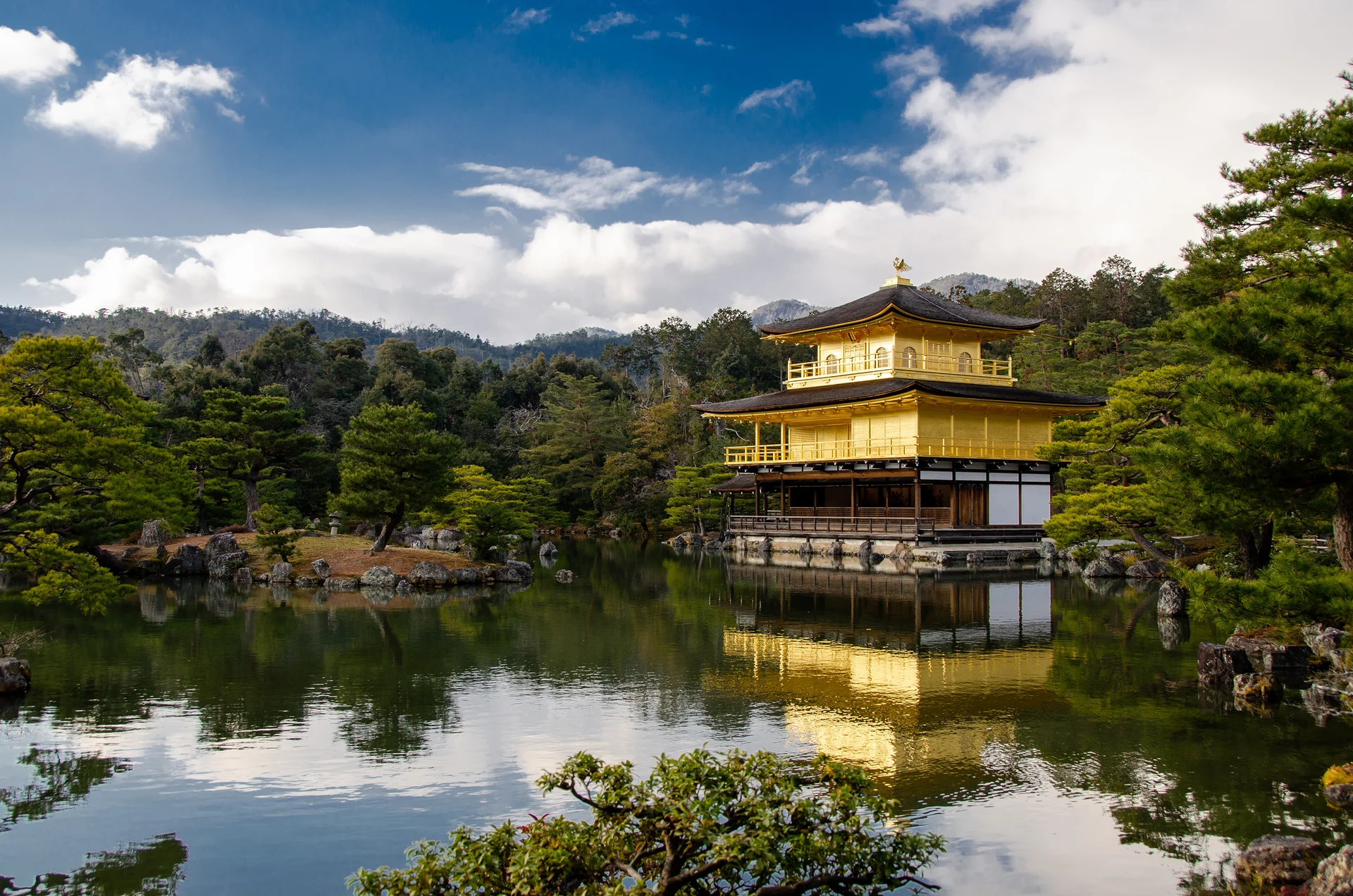
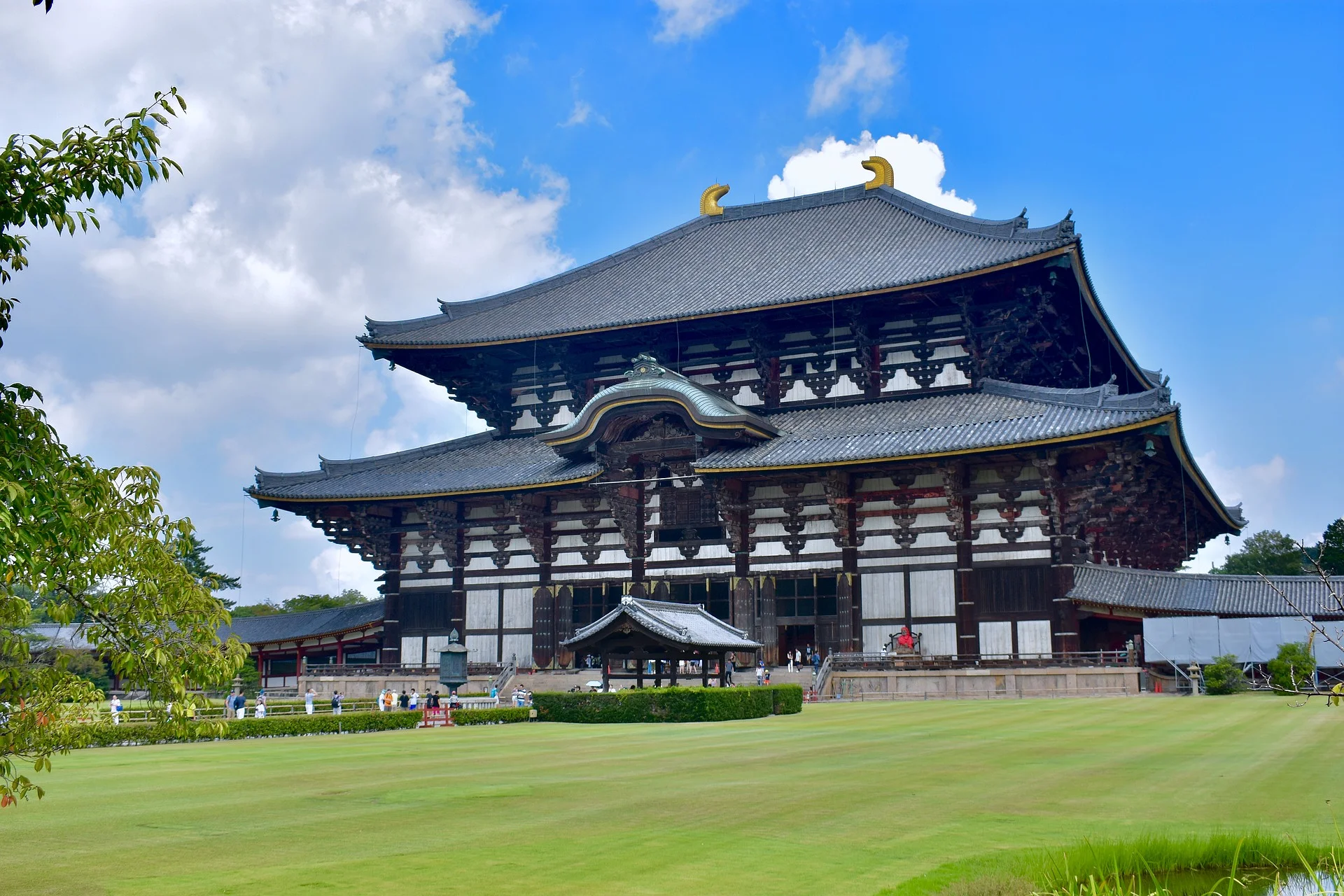
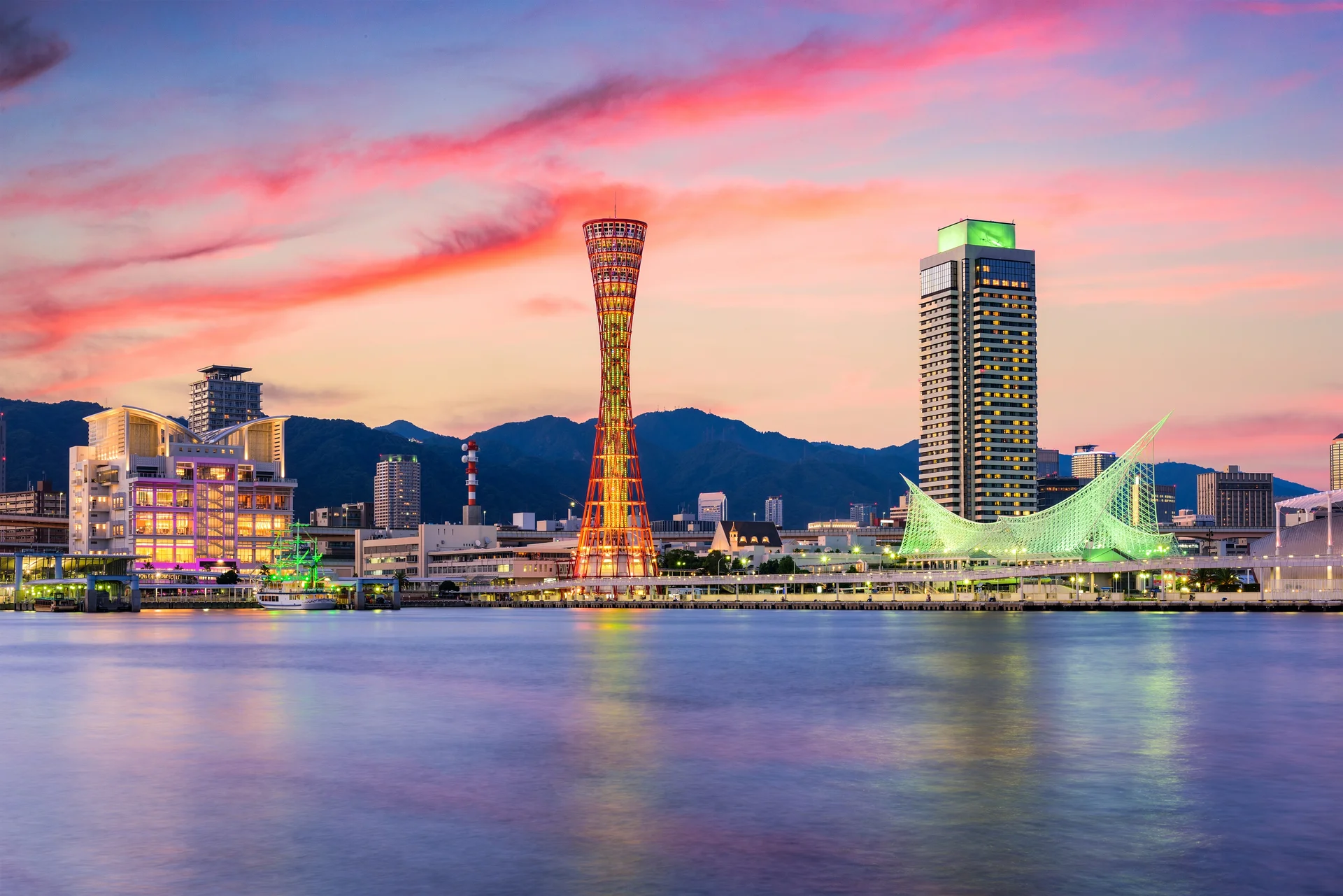
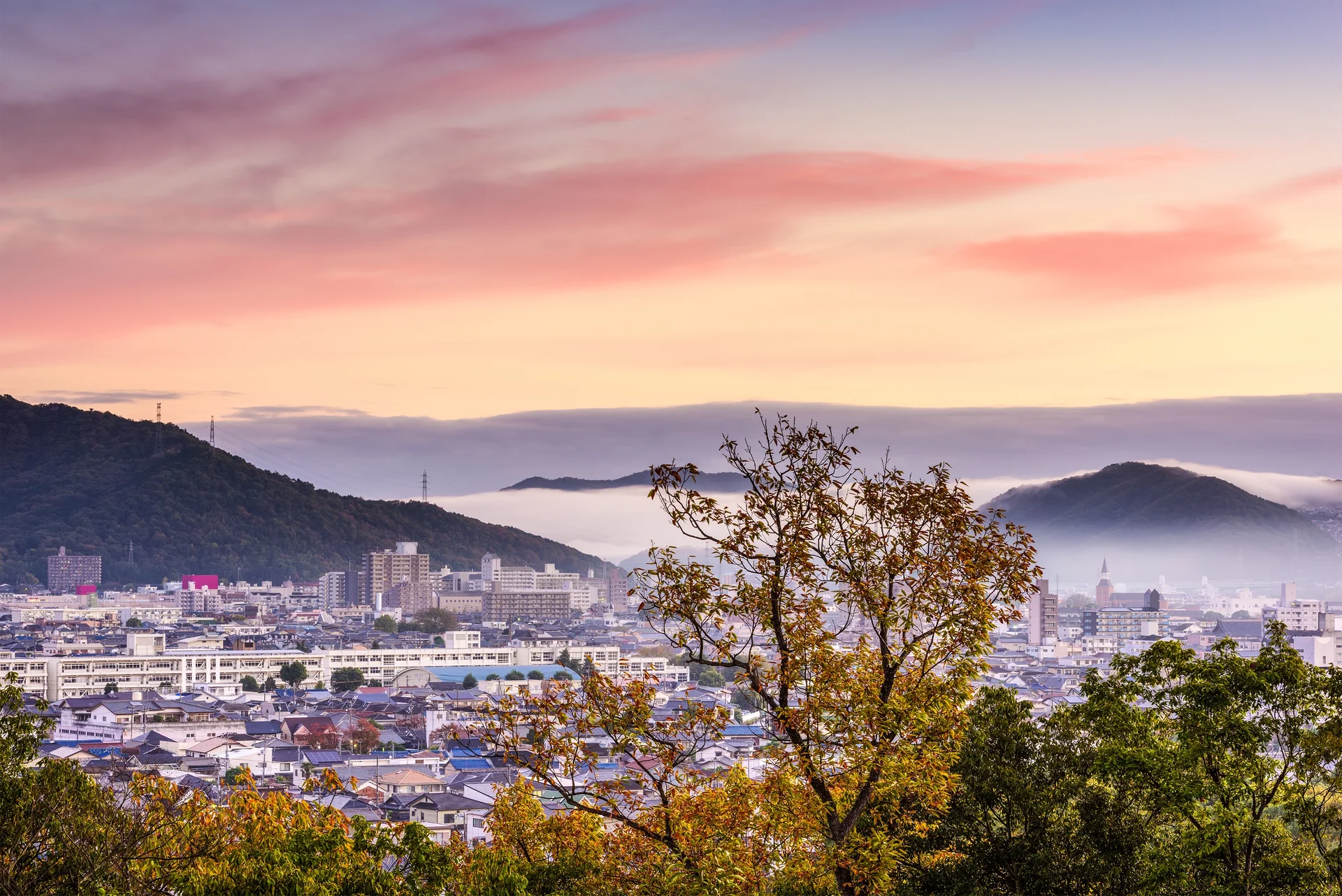
In Kansai, you don't have to choose between Kyoto, Osaka and Nara: the three cities are less than an hour apart by train, and Kobe and Himeji castle are less than an hour from Osaka. Before you leave, settle three things: the season, since rooms cost twice as much in cherry blossom and maple season; your base, Kyoto for temples at dawn, Osaka for evenings and trains; and your ticket, for which an ICOCA transit card is all you need.
At a glance
- When to go
- Go in May, after Golden Week (public holidays from April 29 to May 5), or in October and November: 59 to 77 °F (15 to 25 °C), little rain, and Kyoto's maples from mid-November to early December. Skip June, the rainy season, and summer.
- How many days
- Plan seven days to see Kyoto, Uji, Nara, Osaka, Himeji and Kobe without rushing, and nine to add two nights facing Amanohashidate, the pine-covered sandbar on the Sea of Japan.
- Where to stay
- Stay in Kyoto to reach the temples before the tour groups and to spend evenings in Gion, the teahouse district; in Osaka for food, nightlife and cheaper rooms; in Nara for one quiet night.
- Budget for two
- Allow about $1,980 for four nights in mid-range comfort, with hotel, meals, sights and trains, excluding flights; one night with dinner in a ryokan, a traditional Japanese inn, costs $440 to $990 for two.
- Just the two of you
- Walk through Gion in the evening, when the lanterns of Yasaka Shrine come on and the crowds leave the Shirakawa Canal, then climb at 6:30 a.m. the next day, almost alone, under the thousands of vermilion gates of Fushimi Inari.
- Book ahead
- Book your Kyoto hotel four to six months ahead for cherry blossom and maple season, a ryokan three to six months ahead, and a kaiseki dinner, the seasonal meal of many small dishes, a month ahead.
Why Kansai for a couple
Kansai is the region of western Japan that held the country's old capitals: Nara in the 8th century, then Kyoto for more than a thousand years. Its cities are close together and linked by trains every ten minutes: you can visit a Kyoto temple in the morning, have lunch in Nara among the deer and eat dinner along the Dōtonbori canal in Osaka, without changing hotels.
You will find Kyoto's moss gardens and wooden lanes, the hot baths of the ryokan, Osaka neighborhoods busy until midnight, and in Himeji the best-preserved castle in the country. You can sleep in quiet Kyoto and spend your evenings in Osaka, Japan's great food city.
When to go
| Period | Weather | Crowds | Our verdict |
|---|---|---|---|
| Late March to mid-April | 50 to 68 °F (10 to 20 °C), some showers | Very heavy, hotels at double price | Cherry blossoms, but Kyoto packed and rooms to book six months ahead |
| Late April to May | 59 to 77 °F (15 to 25 °C), dry and bright | Extreme during Golden Week, April 29 to May 5 | Our favorite in May, once Golden Week is over |
| June to mid-July | 72 to 86 °F (22 to 30 °C), rain almost daily | Moderate | The rainy season, tsuyu: moss and hydrangeas, but days under an umbrella |
| Mid-July to August | 90 to 99 °F (32 to 37 °C), humid | Heavy, especially mid-August | Heavy heat from 9 a.m.; the evening festivals remain |
| September and October | 68 to 86 °F (20 to 30 °C), typhoons in September | Moderate | October is mild and calm; in September, a typhoon can stop the trains for a day |
| Mid-November to early December | 46 to 64 °F (8 to 18 °C), dry | Very heavy in Kyoto | Red maples in Kyoto and Nara, and dry weather |
| December to February | 36 to 50 °F (2 to 10 °C), a few snowy days | Light, except at New Year | The lowest prices and temples without crowds, but short days |
A few dates shift crowds and prices: the Gion Matsuri, Kyoto's great festival, lasts all of July, with the float parade on July 17; Obon, the week of festivals for the ancestors in mid-August, fills trains and hotels, as Golden Week does. From December 29 to January 3, many restaurants and museums close, but shrines draw crowds for the first prayer of the year.
When to go: the climate in Kyoto
The best months: April, May, October, November.
- Jan 9° 1° 9 rainy days
- Feb 10° 1° 9 rainy days
- Mar 14° 4° 11 rainy days
- Apr 20° 9° 10 rainy days best month
- May 25° 14° 10 rainy days best month
- Jun 28° 18° 12 rainy days
- Jul 32° 23° 12 rainy days
- Aug 33° 24° 9 rainy days
- Sep 29° 20° 11 rainy days
- Oct 23° 13° 8 rainy days best month
- Nov 17° 8° 7 rainy days best month
- Dec 12° 3° 8 rainy days
Monthly averages, in degrees Celsius.
Entry rules: passport, visa and health
| Documents | Visa | Health | |
|---|---|---|---|
| United States | Passport valid for your whole stay, and a return or onward ticket | None for tourist stays of up to 90 days | US health plans rarely cover you abroad: buy travel medical insurance with evacuation |
| United Kingdom, Ireland | Passport valid for your whole stay | None for tourist stays of up to 90 days, which you can apply to extend in Japan | The GHIC and EHIC do not cover Japan: buy travel insurance with medical cover and repatriation |
| Canada | Passport valid for your whole stay | None for tourist stays of up to 90 days | Provincial plans cover little abroad: buy travel insurance with medical cover and repatriation |
No vaccines are required. Care is good but expensive for visitors: an emergency visit is often paid on the spot, before your insurer reimburses you. Several common medicines are banned or need a permit in Japan, including decongestants with pseudoephedrine and ADHD medication such as Adderall: check the list on the Japanese Ministry of Health website before you pack them.
Japan is preparing an electronic travel authorization, JESTA, on the model of the American ESTA: before you book, check on the Japanese Ministry of Foreign Affairs website whether it applies at your dates. The Visit Japan Web site, optional and free, lets you fill in the immigration and customs forms before you leave and speeds up your arrival; every foreign visitor is also fingerprinted and photographed at the desk.
Getting there
By air, into Kansai Airport
| From | Flight time | Good to know |
|---|---|---|
| San Francisco | ~12h nonstop | United flies nonstop to KIX; from other West Coast cities, one stop |
| New York, Chicago, other US cities | 16 to 20h | One stop, often in Tokyo, San Francisco or Seoul |
| London, Dublin | 16 to 19h | One stop, in Europe, the Gulf or Tokyo; London also has nonstop flights to Tokyo |
| Toronto, Vancouver | 12 to 18h | From Vancouver, Air Canada flies nonstop in summer; otherwise one stop, often in Tokyo or Vancouver |
Kansai International Airport (KIX) is built on an artificial island in Osaka Bay, 25 miles (40 km) from Osaka and 75 minutes by train from Kyoto. All long-haul flights to the region land there; Osaka-Itami and Kobe airports handle almost only domestic flights.
Through Tokyo, then the Shinkansen
There are more nonstop flights to Tokyo from North America and London. From Tokyo, the Nozomi Shinkansen, the bullet train, reaches Kyoto in 2h15 and Osaka in 2h30, every ten minutes: take it if you start your trip in Tokyo, or if the flight to Tokyo costs much less. An open-jaw ticket, into Tokyo and home from KIX, saves you the trip back.
Jet lag
Japan is 14 hours ahead of New York in winter and 13 in summer, 17 and 16 ahead of Los Angeles, and 9 and 8 ahead of London and Dublin; Japan has no daylight saving time. Flights from North America often land in the afternoon or evening: keep the first day for a stroll, stay awake until 9 p.m., and start the temples at dawn the next day, when jet lag wakes you early.
Practical things to sort out before you go
Phone
Pay-as-you-go roaming in Japan is expensive, and most UK and Irish plans do not include it. Some US and Canadian carriers sell a daily pass; a Japanese data eSIM, installed before you leave, usually costs less for ten days, or rent a pocket Wi-Fi router at the airport if one of you has an older phone. You will need data for train times, which map apps track closely.
Plugs: two flat pins
Money, tipping and luggage
- Everything is paid in yen. Cards work in hotels, large restaurants, trains and convenience stores, but carry $55 in cash for temples, small restaurants, markets and amulets. ATMs at 7-Eleven stores and post offices take foreign cards.
- No tipping, anywhere, restaurants and taxis included: money left on the table will be run back to you. Service is included, and an arigatō gozaimasu (thank you very much) is enough.
- Trains have little room for big suitcases, and the Shinkansen requires a reservation for a bag over 160 cm (63 in) in total length, width and height. Send your bags from hotel to hotel by the delivery service, takkyūbin, from the front desk, for $17 to $22 a bag: they arrive the next day.
Language and water
Few people speak English outside hotels, but stations, trains and most menus have English signs, and many restaurants show photos of their dishes. Start every request with sumimasen (excuse me). Tap water is safe everywhere, and water or cold tea comes free with a restaurant meal.
What to book, and how far ahead
In Kansai, you book almost no temples: you pay at the gate. What sells out is rooms, especially in Kyoto in cherry blossom and maple season, ryokan and the best restaurants. You don't need to book trains between cities, except the Shinkansen and reserved-seat express trains if you travel during Golden Week or Obon.
| What | Price | Book | Good to know |
|---|---|---|---|
| Kyoto hotel, late March and November | 4 to 6 months ahead | Prices double and the best Higashiyama addresses go first | |
| Ryokan with dinner | $440 to $990 / night for two | 3 to 6 months ahead | Kaiseki dinner and breakfast included; ask for a private bath when you book |
| Kaiseki dinner in Kyoto | $88 to $220 / pers. | 1 month ahead | For the Gion houses, your hotel often has to book for you |
| teamLab Biovortex Kyoto | A few days ahead | Digital art museum near Kyoto Station, timed tickets | |
| Universal Studios Japan | $55 to $72 / pers. | 2 to 4 weeks ahead | Dated ticket, price varies by day; the Express Pass sells out fast on weekends |
| Shinkansen | The day before | A reserved seat, or the luggage space for a big suitcase |
From the airport to your hotel
© OpenStreetMap contributors
Airports and the bases they serve
- Kansai (KIX)
- Osaka-Itami (ITM)
- Kobe (UKB)
- 1Kyoto
- 2Osaka, Umeda
- 3Osaka, Namba
- 4Nara
- 5Kobe, Sannomiya
| Destination | Transport | Time | Typical fare |
|---|---|---|---|
| Kyoto | Haruka, JR express, every 30 min. | ~75 min. | ~$14 / pers. with the ICOCA & Haruka ticket |
| Kyoto | Airport bus | ~90 min. | ~$18 / pers. |
| Osaka, Umeda | JR Kansai Airport Rapid | ~70 min. | ~$7.70 / pers. |
| Osaka, Umeda | Airport bus | ~60 min. | ~$13 / pers. |
| Osaka, Namba | Rapi:t, Nankai express | ~38 min. | ~$9.90 / pers. |
| Osaka, Namba | Nankai express, no surcharge | ~45 min. | ~$6.60 / pers. |
| Nara | Airport bus | ~90 min. | ~$14 / pers. |
| Kobe, Sannomiya | Airport bus | ~65 min. | ~$15 / pers. |
| Destination | Transport | Time | Typical fare |
|---|---|---|---|
| Osaka, Umeda | Airport bus | ~25 min. | ~$4.40 / pers. |
| Osaka, Namba | Airport bus | ~30 min. | ~$4.40 / pers. |
| Kyoto | Airport bus | ~55 min. | ~$8.80 / pers. |
| Nara | Airport bus | ~60 min. | ~$9.90 / pers. |
| Destination | Transport | Time | Typical fare |
|---|---|---|---|
| Kobe, Sannomiya | Port Liner, driverless metro | ~18 min. | ~$2.20 / pers. |
What works best
For Kyoto, take the Haruka: buy the discounted ICOCA & Haruka ticket, sold only to foreign visitors, at the JR counter in arrivals; it also gives you the ICOCA card for the rest of the trip. For Osaka, pick the station closest to your hotel: the Rapi:t, the Nankai company's express, for Namba, the JR train or the bus for Umeda. A taxi from Kansai Airport to Osaka costs more than $110: skip it.
Getting around
One card for every train
Several companies share Kansai's rails: JR, originally state-run, and private lines, Kintetsu for Nara, Hankyu and Keihan between Kyoto and Osaka, Nankai for the airport, plus the Kyoto and Osaka subways. The ICOCA card, topped up at station machines, pays for all of them, as well as buses and convenience stores; you can also add it to the Wallet app on an iPhone.
Tap it on the gate when you enter and when you leave: the fare is deducted automatically, whatever the company.
| Route | Train | Time | Fare |
|---|---|---|---|
| Kyoto - Osaka | JR Special Rapid | ~30 min. | ~$4.40 / pers. |
| Kyoto - Nara | Kintetsu express, or JR Miyakoji Rapid | 35 to 45 min. | ~$5.50 / pers. |
| Kyoto - Uji | JR Nara Line | 20 to 30 min. | ~$1.70 / pers. |
| Osaka Namba - Nara | Kintetsu Rapid | ~40 min. | ~$4.40 / pers. |
| Osaka - Kobe Sannomiya | JR Special Rapid | ~22 min. | ~$3.30 / pers. |
| Osaka - Himeji | JR Special Rapid, or Shinkansen from Shin-Osaka | 60 min., or 30 min. | ~$9.90, or ~$22 / pers. |
| Kyoto - Amanohashidate | Hashidate express, a few trains a day | ~2h | ~$30 / pers. |
In Kyoto: the subway and your feet
Kyoto's buses serve every temple, but they are packed from 9 a.m. to 5 p.m. and crawl through Higashiyama: take the subway and the JR and Keihan trains, then walk, and keep the bus for the Golden Pavilion, which the subway doesn't reach.
For two, a taxi often costs barely more than two bus fares over a short distance: $8.80 to $17 to cross the center. The doors open and close on their own; book one with the GO app.
Days when you change cities
Between cities, avoid rush hours, 7:30 to 9 a.m. and 5:30 to 7 p.m., when Osaka's commuter trains are full. On reserved-seat express trains, one car stays unreserved: board it without a seat ticket, with your ICOCA or your pass.
Budget for two
In Kansai, meals and trains cost little; the hotel is what moves your budget, especially in Kyoto in high season, and the ryokan night if you plan one.
| Smart | Comfort | Treat | |
|---|---|---|---|
| Hotel, per night | $99 to $154 (a simple hotel near an Osaka station) | $220 to $360 (a hotel in Higashiyama or Umeda) | from $660 (a luxury hotel, a ryokan with dinner) |
| Meals, per day for two | $55 (ramen, okonomiyaki, convenience-store meals) | $132 (a neighborhood lunch, an izakaya dinner) | $390 (a kaiseki or Kobe beef dinner) |
| Sights, for the stay | $55 | $110 | $280 with a tea ceremony and a guide |
| Transport, for the stay | $66 with the ICOCA | $110 with a few taxis | $280 with the Shinkansen and taxis |
| Total, four nights | ~$880 | ~$1,980 | from $4,400 |
Useful benchmarks: a bowl of ramen $6.60 to $9.90, eight takoyaki $4.40, a set lunch $8.80 to $14, a draft beer in an izakaya, the Japanese pub, $3.90, a coffee $3.30, a convenience-store meal $4.40 to $6.60. A temple entrance costs $3.30 to $6.60 per person; Himeji castle, ~$17.
What to eat and drink
Each Kansai city has its own cooking: Kyoto, the refined seasonal food of the temples and the imperial court; Osaka, street food, to the point that the city has a word for eating yourself into ruin, kuidaore; Kobe, its beef. You will eat best at the counter of small places, next to the locals.
To eat
-
Kaiseki
Kyoto's meal of eight to twelve small seasonal dishes, each served in a bowl chosen for it: the dinner of the ryokan. Allow two hours.
-
Yudōfu
Kyoto tofu, warmed in a kelp broth and dipped in a soy sauce: the lunch of the restaurants around Nanzen-ji, served in gardens.
-
Takoyaki
Balls of batter filled with octopus, cooked in front of you in half-sphere molds in Dōtonbori: $4.40 for eight. Let them cool for a minute, the inside is scalding.
-
Okonomiyaki
Osaka's savory pancake of cabbage, batter and pork or seafood, cooked on the hot plate at your table and topped with sauce and mayonnaise.
-
Kushikatsu
Breaded, deep-fried skewers of meat, vegetables or cheese that you dip in a shared tray of sauce: only once per skewer, a rule posted everywhere in Shinsekai, the old working-class district south of Namba.
-
Uji matcha
Powdered green tea from Uji, the tea town south of Kyoto: whisked with a bamboo whisk in the teahouses, or as ice cream and pastries in the shops on the street to Byōdō-in.
To drink
Taste the sake of Fushimi, south of Kyoto, where you can visit breweries along a canal, and that of Nada, in Kobe, Japan's largest sake-brewing district. Sencha and hōjicha, two green teas, are served hot or iced; in an izakaya, order draft beer at the start of the meal, as locals do.
Customs and rules to know
People in Kansai are more direct and chattier than in Tokyo, especially in Osaka, but the same rules of public behavior apply everywhere: a little care earns you a warm welcome, and some slips will get you a remark, sometimes a fine.
| Rule | What to expect |
|---|---|
| Entering Gion's private lanes, photographing a maiko, an apprentice geisha, up close, or following her | No-entry signs, a possible fine and wardens in the evening |
| Keeping your shoes on in a temple, a ryokan or a fitting room | An immediate reminder; take them off where the floor changes level, and wear clean socks |
| Entering a ryokan or onsen bath without washing first, or with tattoos | Many public baths turn away tattoos; choose a private bath |
| Talking on the phone in the train | Disapproving looks; set your phone to silent |
| Dropping trash anywhere | Public bins are rare: carry a bag and throw everything away at the hotel or a convenience store |
| Feeding Nara's deer anything but their crackers | Forbidden; only the crackers sold in the park, shika senbei, are allowed |
On escalators, stand on the right in Osaka and on the left in Kyoto. In a restaurant, wait to be seated, and pay at the register on the way out, not at the table. Say hello when you walk into a small restaurant, and gochisōsama deshita (thank you for the meal) when you leave.
Safety
Kansai is one of the safest regions in the world for a couple: you can walk back at midnight in Kyoto or Osaka, and a bag left on a train usually turns up at the lost property office.
- Earthquakes: phones on a Japanese network get an alert at the slightest tremor. Install the Safety tips app from the Japan Tourism Agency, in English, and read the evacuation plan at your hotel.
- Typhoons, from August to October: trains stop and the bridge to Kansai Airport closes for a few hours, sometimes a day. Leave a margin before your flight home.
- The humid heat of July and August, above 95 °F (35 °C): drink often, sightsee before 11 a.m. and after 4 p.m., and step into an air-conditioned convenience store for a break.
- Bar touts in Namba and Shinsaibashi, in Osaka, at night: a drink priced like a bottle, and a bill you can't dispute; only walk into a bar that posts its menu and prices.
- Nara's deer: they bite and head-butt when you hold crackers, especially in the fall; show your empty hands and they will leave you alone.
- Bicycles on Kyoto and Osaka sidewalks, silent and fast: keep to the marked side.
Mistakes to avoid as a couple
Most disappointments in Kansai come from the same mistake: trying to see all of Kyoto between 10 a.m. and 4 p.m., at the hours and on the buses every other visitor chooses.
- Arriving at Fushimi Inari or the Arashiyama Bamboo Grove at 10 a.m.: the crowd shuffles under the torii and between the bamboo. Go before 8 a.m., or visit the shrine late in the day.
- Buying the national Japan Rail Pass for a trip to Kansai alone: since its last price rise, it costs far more than all the region's trains put together.
- Changing hotels with two big suitcases on commuter trains: have the front desk send them the evening before.
- Booking Kyoto in February for late March or mid-November: all that will be left are rooms far from the center, at luxury-hotel prices.
- Relying on cards alone: many temples, small restaurants and market stalls take cash only.
Kansai
Compare hotel prices
Pick your dates and see the offers from the major booking sites side by side.
Compare live offers from Booking, Expedia, Agoda and other partners.
Kansai: find your hotel
Frequently asked questions
How many days do you need for Kansai?
In seven days, you can spend three days in Kyoto, visit Uji and Nara, then Osaka, and Himeji and Kobe in one day. With five days, keep Kyoto and Nara, and spend the last evening in Osaka. With nine or ten days, add two nights in a ryokan at Amanohashidate, on the Sea of Japan.
Is the Japan Rail Pass worth it for Kansai?
No, not for a trip limited to Kansai: journeys there are short and cheap, and an ICOCA card is enough. A one- or two-day JR Kansai Area Pass can pay off on days of long JR trips, Himeji and Kobe for example. The national pass only makes sense if you also travel from Tokyo and on to Hiroshima.
Do you need to speak Japanese?
No. Stations, trains, ticket machines and most menus have English signs, and translation apps handle the rest. A few words, sumimasen (excuse me) and arigatō (thank you), always go down well.
When can you see the cherry blossoms in Kyoto?
Usually from late March to mid-April, with full bloom lasting about a week, which shifts from year to year depending on the winter. Bloom forecasts come out from February: book your hotel before then, with free cancellation, across the two possible weeks, then cancel the nights you don't need.
Can you pay by card everywhere?
In hotels, department stores, trains and convenience stores, yes. In temples, small restaurants, markets and some taxis, not always: always carry cash, and withdraw it at 7-Eleven ATMs, which take foreign cards.