





Japan for Couples: What to Know Before You Go (2026)
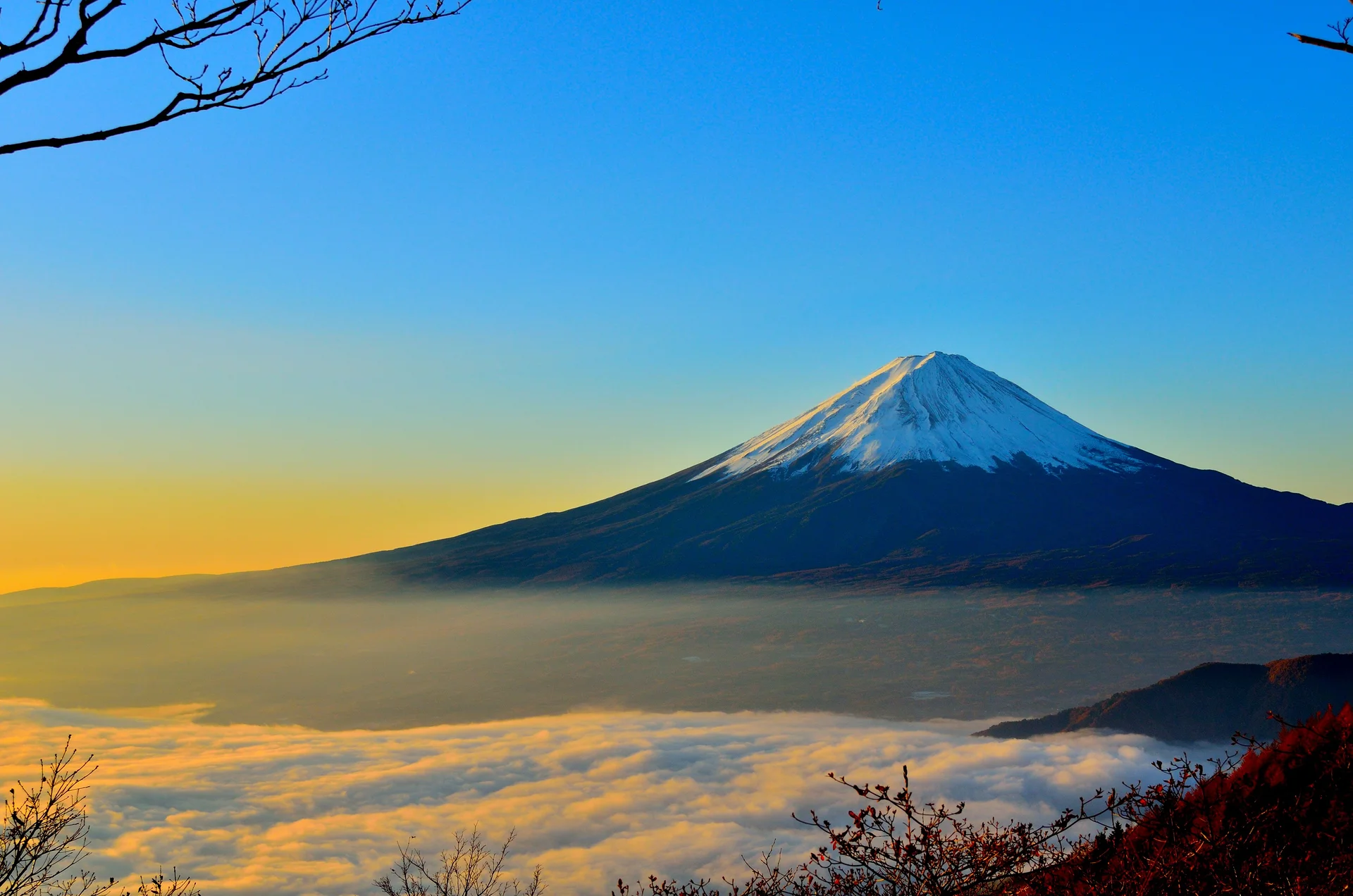
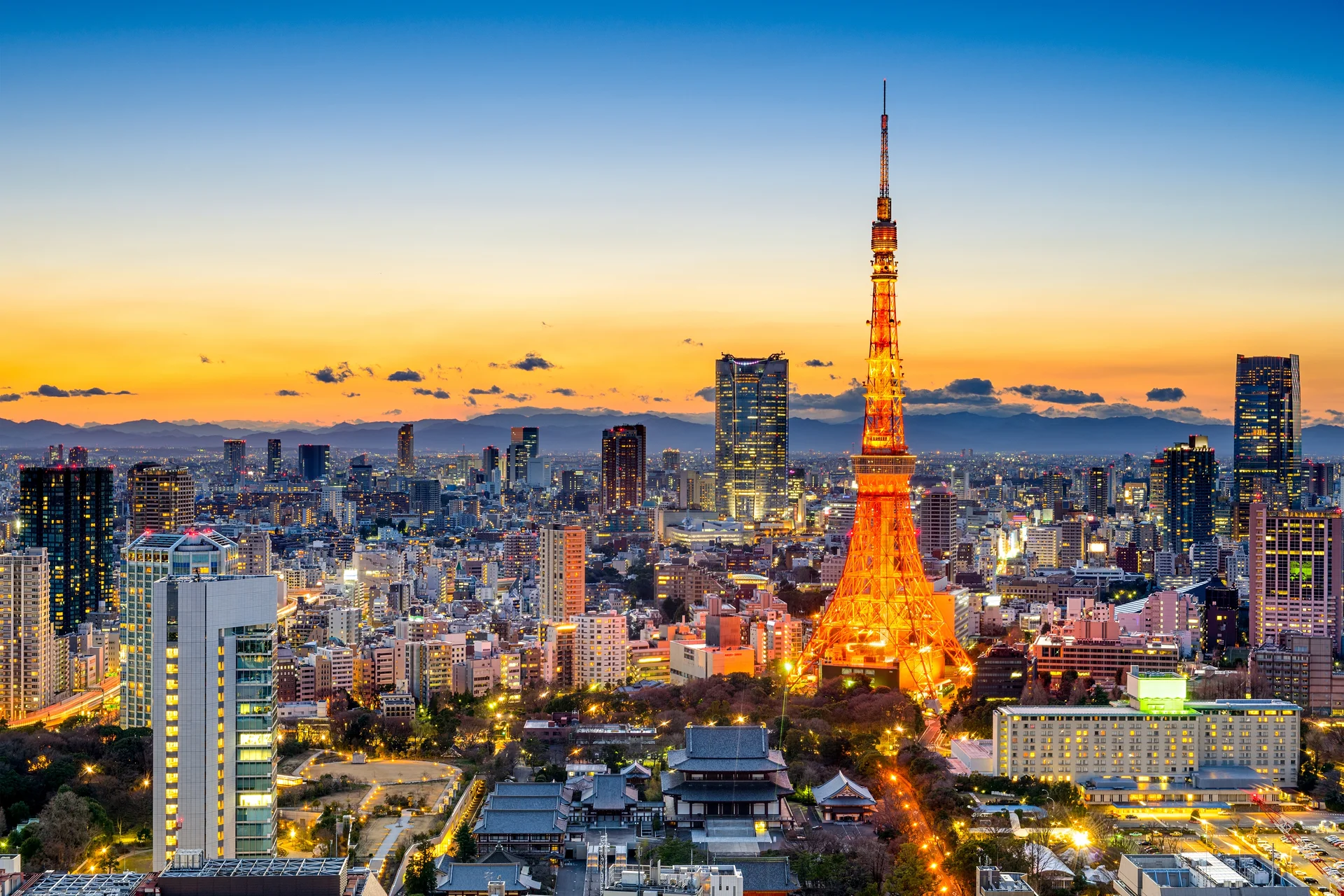
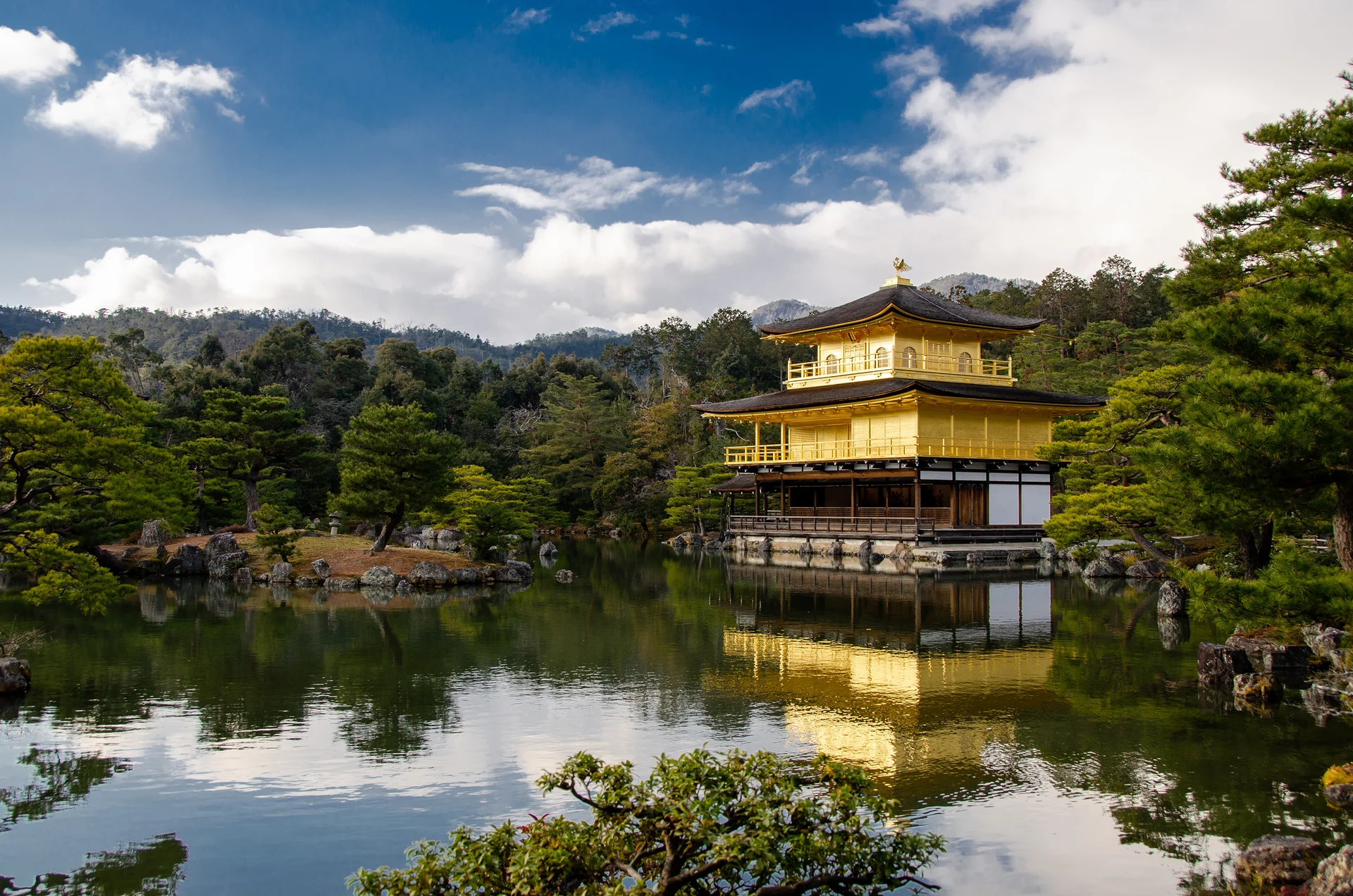
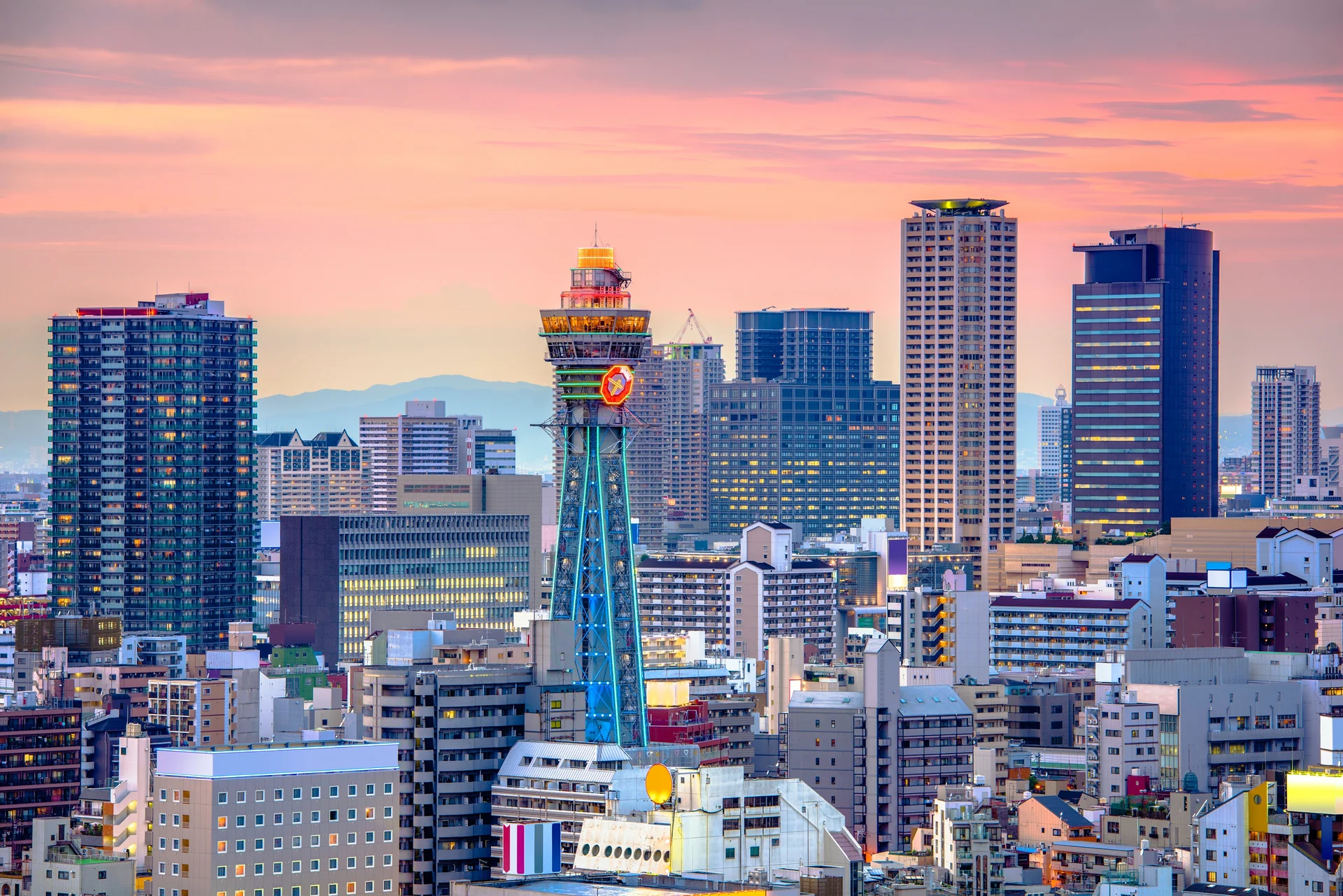
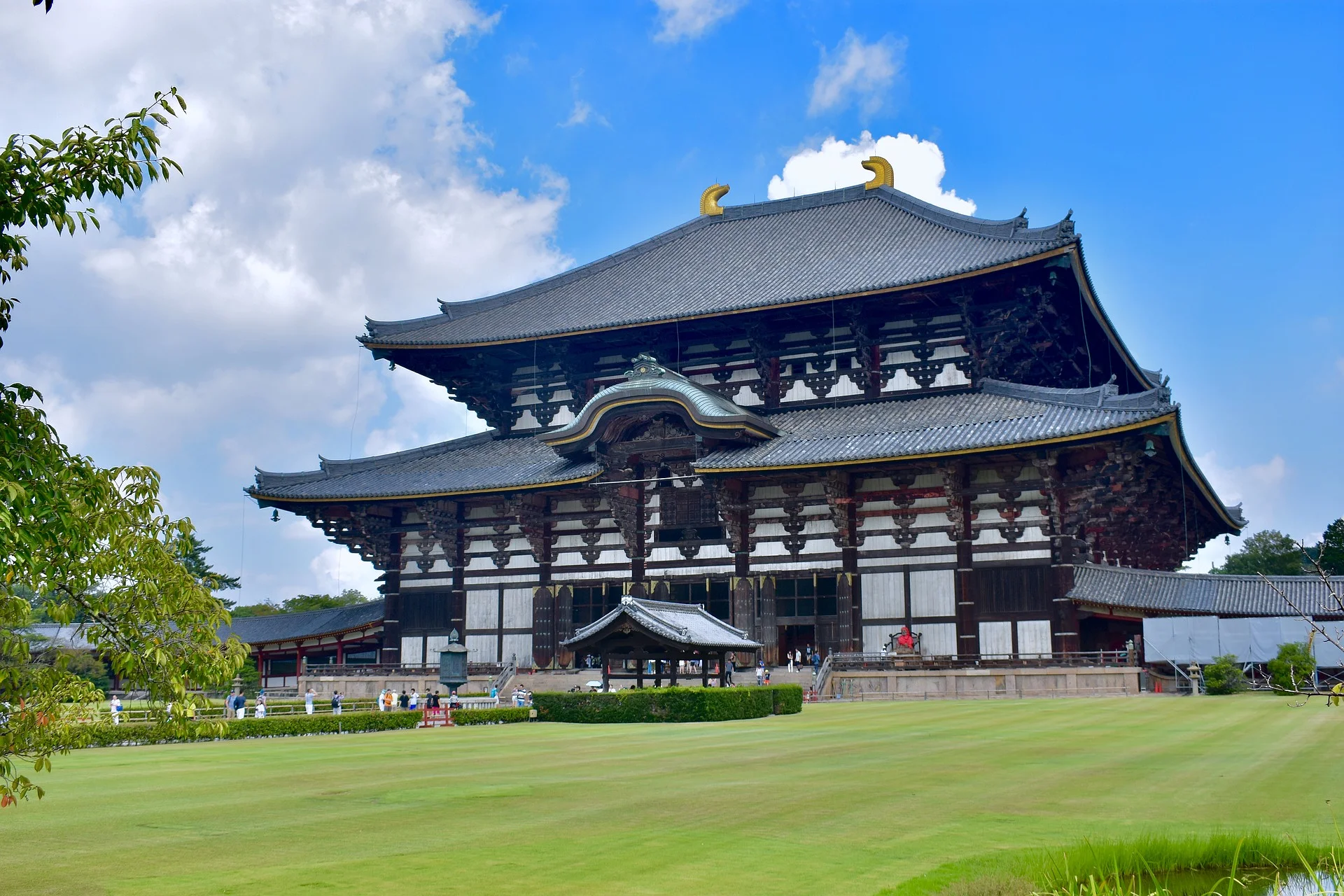
For a first trip to Japan, you have three things to settle before you book: the season, because April's cherry blossoms and November's maples double the price of a room in Kyoto; the direction of travel, flying into Tokyo and home from Osaka so you never retrace your steps; and the night in a ryokan, a traditional inn with a hot-spring bath, in Hakone or at Lake Kawaguchi below Mount Fuji, booked three to six months ahead. You can decide the rest on the spot, the day before: trains, temples and meals.
At a glance
- When to go
- Mid-October to early December for the maples and dry skies, April for cherry blossoms if you book six months ahead; May and late September are mild and cheaper. Avoid July and August, hot and humid.
- How many days
- Plan ten days for Tokyo, Hakone, Kyoto, Nara and Osaka with no domestic flight, a week for Tokyo and Kyoto alone, two weeks to add a night below Mount Fuji and two in Hiroshima.
- Where to base yourselves
- Tokyo to arrive, Kyoto for the temples early in the morning, Osaka for the flight home from Kansai airport, and one night in a ryokan in Hakone, between Tokyo and Kyoto.
- Budget for two
- About $3,520 for ten days at a comfortable level, with hotels, one ryokan night, trains, meals and sights, excluding flights. Food costs little; the hotel room is the biggest line in the budget.
- Your moment together
- The private hot-spring bath of a ryokan, facing the mountain, then the kaiseki dinner, a dozen small seasonal dishes served in your room, which you eat in a yukata, the cotton kimono the inn lends you.
- To book
- The ryokan three to six months ahead, Kyoto hotels six months ahead for April and November, the Ghibli Museum (Miyazaki's films, in Tokyo) on the 10th of the previous month, and teamLab's digital art rooms two to four weeks ahead.
Why Japan for two
In Japan, you can go in the same week from Shibuya crossing to a Zen temple in Kyoto where you will be alone at 8am, then to a mountain inn where dinner is served in your room. Trains leave on the exact minute, the streets are safe at any hour, and a meal at a counter often costs less than in North America, the UK, Ireland or Australia.
For a first trip, follow the Shinkansen, the bullet train: Tokyo, Hakone, Kyoto, Nara and Osaka all sit along the same 500 km (310 miles) of track, and none is more than 2h15 by train from the next. Our guides to Tokyo, Kyoto, Osaka and the Kansai region cover each city in detail.
When to go
| Period | Our view | What matters |
|---|---|---|
| Late March, early April | Cherry blossoms | The bloom lasts a week and shifts by ten days from year to year; Kyoto hotels full months ahead, prices doubled |
| Mid-April to mid-May | Spring | 18 to 24 °C (64 to 75 °F), wisteria and azaleas; avoid Golden Week, the holidays from April 29 to May 5 |
| June | Rainy season | Light rain almost daily, a humid 25 °C (77 °F); hydrangeas in Kamakura and Hakone, cheaper hotels |
| July, August | Hot and sticky | 33 °C (91 °F) and 70% humidity, storms; fireworks and festivals, but Obon, the festival of the dead in mid-August, packs the trains |
| September | Summer winds down | Still hot, typhoons possible; late September turns pleasant and prices drop |
| Mid-October to early December | Autumn maples | 15 to 20 °C (59 to 68 °F), dry skies, red maples in Kyoto from mid-November to early December, temple gardens open in the evening |
| January, February | Clear winter | 5 to 10 °C (41 to 50 °F), blue skies, Mount Fuji visible almost daily; from December 29 to January 3, many restaurants and museums close |
If you have the choice, go in early November: the light is dry, the maples start turning red in Kyoto, and you can still find a hotel a month ahead. Cherry blossom season is a gamble: the date moves, and you pay double for the hotel. In winter, you see Mount Fuji almost every morning, and a ryokan costs less than in November.
When to go: the climate in Tokyo
The best months: March, April, May, October, November.
- Jan 10° 2° 5 rainy days
- Feb 10° 2° 6 rainy days
- Mar 14° 5° 10 rainy days best month
- Apr 19° 10° 10 rainy days best month
- May 24° 15° 10 rainy days best month
- Jun 26° 19° 12 rainy days
- Jul 30° 22° 11 rainy days
- Aug 31° 24° 9 rainy days
- Sep 28° 20° 12 rainy days
- Oct 22° 15° 9 rainy days best month
- Nov 17° 9° 7 rainy days best month
- Dec 12° 4° 4 rainy days
Monthly averages, in degrees Celsius.
Paperwork: passport, visa, health
| Documents | Visa | Health | |
|---|---|---|---|
| United States | Passport valid for your whole stay | None for up to 90 days | No required vaccines; travel insurance with medical cover, since Medicare does not pay in Japan |
| Canada | Passport valid for your whole stay | None for up to 90 days | No required vaccines; travel insurance with medical cover, since provincial plans repay little abroad |
| United Kingdom, Ireland | Passport valid for your whole stay | None for up to 90 days | No required vaccines; travel insurance with medical cover, since the GHIC and the EHIC are not valid in Japan |
| Australia | Passport valid for your whole stay | None for up to 90 days | No required vaccines; travel insurance with medical cover, since Medicare does not pay in Japan |
There is no visa to apply for and no fee to pay, but a passport is required for everyone. On arrival, immigration takes your fingerprints and photo. Before you leave, fill in the immigration and customs forms on the Visit Japan Web site: you get a QR code to show at immigration and then at customs, which gets you through the airport kiosks faster.
Japan is preparing an electronic travel authorization, the JESTA, modeled on the ESTA required for visiting the US: check the Japanese embassy's website before you book to see whether it is required for your dates.
How to get there
Flights: into Tokyo, home from Osaka
| From | To Tokyo | Home from Osaka |
|---|---|---|
| Los Angeles, San Francisco, Seattle | Nonstop, ~11h to 12h | 1 stop in most cases |
| New York, Chicago, Dallas | Nonstop, ~13h to 14h30 | 1 stop in most cases |
| Vancouver, Toronto, Montreal | Nonstop, ~10h to 13h30 (Air Canada) | 1 stop, via Tokyo or Vancouver |
| London | Nonstop, ~14h | 1 stop in most cases |
| Dublin | 1 stop, ~16h | 1 stop |
| Sydney | Nonstop, ~10h | 1 stop in most cases |
Book a multi-city ticket, also called open-jaw: into Tokyo, home from Kansai Airport in Osaka. It costs about the same as a round trip and saves you the ride back to Tokyo on the last day. Tokyo's two airports are equally good: Haneda is 30 minutes from the center, Narita an hour; choose the flight for its fare and arrival time.
ANA, JAL, United, Delta and American fly nonstop to Tokyo from several US cities; British Airways, JAL and ANA from London; Qantas, JAL and ANA from Sydney. Dublin has no nonstop: connect in London, continental Europe or a Gulf hub. Schedules change with the airline and the season.
The time difference
Japan is 13 or 14 hours ahead of New York and Toronto, 16 or 17 ahead of Los Angeles and Vancouver, 8 or 9 ahead of London and Dublin, and 1 or 2 hours behind Sydney, depending on daylight saving time. A flight that lands in the morning leaves you a whole day to get through: stay outside in the daylight and go to bed around 9pm. Book nothing with a set time on arrival day.
Practical things to know before you go
Phone
Most US, Canadian, British, Irish and Australian plans charge for roaming in Japan, often through a daily pass that adds up over ten days: install a Japanese or Asian eSIM before you leave, or rent a pocket Wi-Fi router at the airport. You will need data every day, for maps, train times and translating menus.
Money and tipping
- The yen, and still a lot of cash: temples, small restaurants, markets and country buses often take cash only. Withdraw yen from the ATMs at 7-Eleven stores and post offices, which accept foreign cards.
- Cards work in hotels, department stores, stations and most chains; at the terminal, decline the conversion into your home currency.
- No tipping, anywhere, not even in a taxi: it embarrasses people, and a server will chase you down the street to hand back change you left on the table.
- A Suica or Pasmo transit card, added to your phone's wallet before you leave or bought at the airport, pays for the subway, local trains, convenience stores and drink machines.
Plugs and power
Language, water, baths
Little English is spoken outside hotels, but stations, the subway and major sights are signposted in English. An arigatō (thank you) and a sumimasen (sorry, or excuse me to call a server) will get you through the day. Tap water is safe everywhere. If you have a tattoo, many public baths will turn you away: ask your ryokan for a private bath.
What to book, and how far ahead
In Japan, book your accommodation very early and the rest the day before or a few days ahead. Temples and shrines have no timed tickets, and you can buy train tickets a few days before. Only a handful of Tokyo attractions sell by time slot, and those go fast.
| What | Price | Book | Good to know |
|---|---|---|---|
| Ryokan in Hakone or at Lake Kawaguchi | $330 to $770 a night for two | 3 to 6 months ahead | Dinner and breakfast included; rooms with a private bath go first |
| Kyoto hotels, late March, April and November | Up to double the price | 6 months ahead | In other months, two months ahead is enough |
| Ghibli Museum, Tokyo | ~$6.60 / pers. | The 10th of the previous month | Sales open at 10am Japan time; weekends sell out within the hour |
| teamLab Planets or Borderless, Tokyo | ~$28 / pers. | 2 to 4 weeks ahead | Late-afternoon slots go first |
| Shibuya Sky, Tokyo | ~$18 / pers. | A few days ahead | The sunset slot goes first |
| Kaiseki dinner or a renowned sushi counter | $88 to $220 / pers. | 2 to 4 weeks ahead | Through the hotel concierge: many places don't take bookings from abroad |
| Temples, shrines, castles | $3.30 to $6.60 / pers. | On the spot | Often cash, at the entrance |
From the airport to your hotel
© OpenStreetMap contributors
The three international airports and the bases they serve
- Haneda (HND)
- Narita (NRT)
- Kansai (KIX)
- 1Tokyo Station
- 2Asakusa
- 3Ueno
- 4Shinjuku
- 5Kyoto Station
- 6Namba
| Destination | Transport | Time | Approx. fare |
|---|---|---|---|
| Tokyo Station | Monorail, then JR Yamanote line | ~30 min. | ~$4.40 / pers. |
| Tokyo Station | Taxi | ~30 min. | ~$55 / taxi |
| Asakusa | Keikyu train, no change | ~40 min. | ~$4.40 / pers. |
| Shinjuku | Airport Limousine bus | 35 to 60 min. | ~$9.90 / pers. |
| Destination | Transport | Time | Approx. fare |
|---|---|---|---|
| Ueno | Keisei Skyliner | ~45 min. | ~$18 / pers. |
| Tokyo Station | Narita Express (JR) | ~1h | ~$21 / pers. |
| Tokyo Station | Airport bus | ~1h15 | ~$8.80 / pers. |
| Destination | Transport | Time | Approx. fare |
|---|---|---|---|
| Kyoto Station | JR Haruka | ~1h20 | ~$22 / pers. |
| Namba | Nankai rapi:t | ~40 min. | ~$9.90 / pers. |
| Namba | Nankai Airport Express | ~45 min. | ~$6.60 / pers. |
What works best
Take the train: it beats a taxi at rush hour, and it stops at the main stations near our bases. With big suitcases, have them delivered from the airport to your hotel by the luggage delivery counter in the arrivals hall, for about $17 a bag, and travel with your hands free.
Getting around
The Shinkansen, and the pass that no longer always pays off
The Shinkansen links Tokyo to Kyoto in 2h15 and to Osaka in 2h30, with a departure every ten minutes during the day; count on about $94 per person for a reserved seat. The Japan Rail Pass, valid on most JR trains for seven, fourteen or twenty-one days, has risen sharply in price: for a one-way trip from Tokyo to Kyoto and Osaka, single tickets cost less. It can pay off again if you go as far as Hiroshima and come back to Tokyo by train.
Buy tickets at the station machines, whose screens switch to English, or online on smartEX, the app of the JR Central rail company. Reserve a seat: the supplement is small, and unreserved cars fill up on weekends.
Suitcases: have them delivered
Takkyūbin, the luggage delivery service, picks up your suitcases at hotel reception and delivers them the next day to your next hotel, for about $17 a bag. A suitcase over 160 cm (63 inches) in total dimensions must be declared when you book the Shinkansen, or you pay a fee on board: have it delivered, and travel with a day bag.
On trains and the subway
Be on the platform five minutes early, at the floor marking for your car: the train leaves on the exact minute. You can eat on the Shinkansen, not on the subway. To find a place, search its name in Google Maps or Apple Maps: Japanese addresses go by district and block number, not by street, and taxi drivers also search by the name of the place.
Budget for two
In Japan, the room drives the budget: meals, local trains and temples often cost less than in North America, the UK, Ireland or Australia, but a decent double room in Kyoto in November costs more than $280 a night. Here is what ten days for two cost, excluding flights:
| Budget | Comfort | Splurge | |
|---|---|---|---|
| Hotel, per night | $88 to $132 (business hotel near a station) | $165 to $280 (chain hotel or small city ryokan) | from $500 (Tokyo luxury hotel, grand ryokan) |
| Ryokan night, dinner included | $220 | $390 | $770 with a private bath |
| Food, per day for two | $55 (ramen, convenience stores, counters) | $99 (a simple lunch, an izakaya dinner) | $280 (a kaiseki or a sushi counter) |
| Trains and subway, ten days | $390 | $440 | $500 in the Green Car, first class |
| Total, ten days | ~$2,420 | ~$3,520 | from $6,050 |
Useful benchmarks: a bowl of ramen $6.60 to $9.90, a convenience-store onigiri $1.10, a coffee $3.30, a draft beer $4.40, a temple $3.30 to $6.60, a subway ride $1.10 to $2.20. A ryokan often quotes its price per person, dinner and breakfast included: double it before comparing with a hotel.
Specialties to try
In Japan, many restaurants serve a single dish, often for decades: a ramen shop, a tempura counter, a soba shop for buckwheat noodles. Choose a restaurant for its dish, and look for a line of locals at the door.
-
Ramen
Wheat noodles in a pork, soy or miso broth, ordered at a ticket machine by the door and served at the counter in five minutes; slurping loudly offends no one.
-
Sushi
At the counter, the chef sets each piece in front of you: eat it right away, with your fingers if you like. Conveyor-belt restaurants serve decent sushi for $1.10 to $3.30 a plate.
-
Kaiseki
Seasonal cooking in a dozen small dishes, born in Kyoto: it is the dinner of the ryokan, and of a special evening in the city, to book through your hotel.
-
Okonomiyaki and takoyaki
The savory filled pancake cooked on a griddle in front of you, and batter balls with octopus inside: Osaka's street food; our guides to the city list the best addresses.
-
Wagyu and yakitori
Marbled beef, grilled or thinly sliced, from $44 for lunch, and charcoal-grilled chicken skewers in the alleys under the railway tracks, $1.10 to $3.30 each.
-
Matcha
Powdered green tea whisked with a bamboo whisk, served with a red bean sweet; the town of Uji, twenty minutes from Kyoto, has grown it for centuries.
To drink
Sake, the rice wine, is served chilled or warm, by the glass in an izakaya, a Japanese pub, for $4.40 to $8.80. Japanese whisky comes as a highball, topped up with soda water. In convenience stores and vending machines on every corner, you will find unsweetened cold green tea for $1.10.
Customs and rules to know
People in Japan forgive visitors who don't know the etiquette, but they notice every sign of respect, and some rules apply to everyone.
| The faux pas | What to know |
|---|---|
| Walking onto tatami, into a temple or a ryokan with your shoes on | Take your shoes off at the entrance, where the floor steps up; slippers are provided, except on tatami, where you walk in socks |
| Getting into an onsen, a hot-spring bath, without washing first | Wash sitting at the tap before you get in, naked, no swimsuit; the towel stays out of the water |
| Photographing a geiko, a Kyoto geisha, up close or following her through Gion | Fines are posted in the district's private lanes, and everyone frowns on it |
| Smoking while walking in the street | Banned in central Tokyo and Kyoto, with possible fines; smoke in the marked smoking areas |
| Talking on the phone in the subway or the Shinkansen | Hard stares; set your phone to vibrate and step into the space between cars |
| Sticking chopsticks upright in rice, or passing food from chopsticks to chopsticks | Both recall funeral rites; rest your chopsticks on their holder |
In the subway, wait on either side of the doors and let people off before you get on. On escalators, stand on the left in Tokyo and on the right in Osaka. Public trash cans are rare: keep a bag for your garbage until you reach your hotel or a convenience store.
Safety
Japan is one of the safest countries in the world: you can walk back to your hotel at midnight in any of the districts we recommend, and a lost wallet is often handed in. The main risks are natural.
- Earthquakes: at the hotel, find the evacuation plan on the back of the door; during a tremor, take cover under a table and follow the staff's instructions. Alerts also come through on your phone.
- Typhoons, from August to October: they cancel trains and flights for a day or two; keep a spare day before your flight home.
- The heat of July and August, over 33 °C (91 °F) and very humid: drink often, and visit temples before 11am.
- Touts in Kabukichō, Shinjuku's bar district, and in Roppongi, who offer a drink in a bar: the bill can climb past $330. Choose your bar yourselves.
- Bicycles on the sidewalks, silent and fast: walk on the side where they don't ride, and look before you change direction.
Mistakes to avoid
Most disappointments on a first trip to Japan come from an overloaded plan: too many cities, too many hotel changes, and too few early mornings in the temples.
- Buying the Japan Rail Pass by reflex: compare it with the price of single tickets for your route, often cheaper since the pass went up.
- Trying to see Tokyo, Kyoto, Hiroshima and the Japanese Alps in ten days: you will spend your days on the train. Keep two or three bases.
- Booking a round trip to Tokyo: you spend 2h30 on the Shinkansen back to Tokyo on your last day. Fly home from Kansai Airport, in Osaka.
- Reaching the ryokan after 6pm: dinner is served at a set time, and you may miss it. Call the inn if your train runs late.
- Traveling during Golden Week or Obon without knowing it: full trains, overpriced hotels, packed temples.
- Counting on your card everywhere: temples, small restaurants and markets take cash.
- Boarding the Shinkansen with a large suitcase you haven't declared: have the hotel send it ahead the day before.
Japan
Compare hotel prices
Pick your dates and see the offers from the major booking sites side by side.
Compare live offers from Booking, Expedia, Agoda and other partners.
Japan: find your hotel
Frequently asked questions
How many days do you need for a first trip to Japan?
Ten days for Tokyo, a night in a ryokan in Hakone, Kyoto, Nara and Osaka, with no domestic flight. With a week, keep Tokyo and Kyoto; with two, add a night below Mount Fuji and two in Hiroshima.
Do you need a visa for Japan?
No, for a tourist stay of up to 90 days with a passport valid for your whole stay, if you are a US, Canadian, British, Irish or Australian citizen. Fill in the arrival forms on Visit Japan Web before you leave, and check whether the JESTA electronic authorization is required for your dates.
Is the Japan Rail Pass still worth it?
Rarely for a first trip from Tokyo to Osaka: single tickets cost less since its steep price rise. Do the math if you go as far as Hiroshima and come back to Tokyo by train: the seven-day pass may then pay off.
Is Japan expensive for a couple?
Less than its reputation: meals, local trains and sights often cost less than in North America, the UK, Ireland or Australia. The hotel makes the difference: count on about $3,520 for ten days for two at a comfortable level, excluding flights, with one night in a ryokan.
Can you go to an onsen with a tattoo?
Many public baths turn away people with tattoos, even a small one. Book a ryokan with a private bath, in your room or by the hour, and ask when you book: some places accept a tattoo covered with a bandage.
Do you need to speak Japanese?
No: stations, the subway and major sights are signed in Latin letters, and a translation app is enough for a menu. Hotel staff speak English; staff in small restaurants much less so, but a picture menu or a window of wax food models helps you order.