




Dalmatia for couples: what to know before you go (2026)
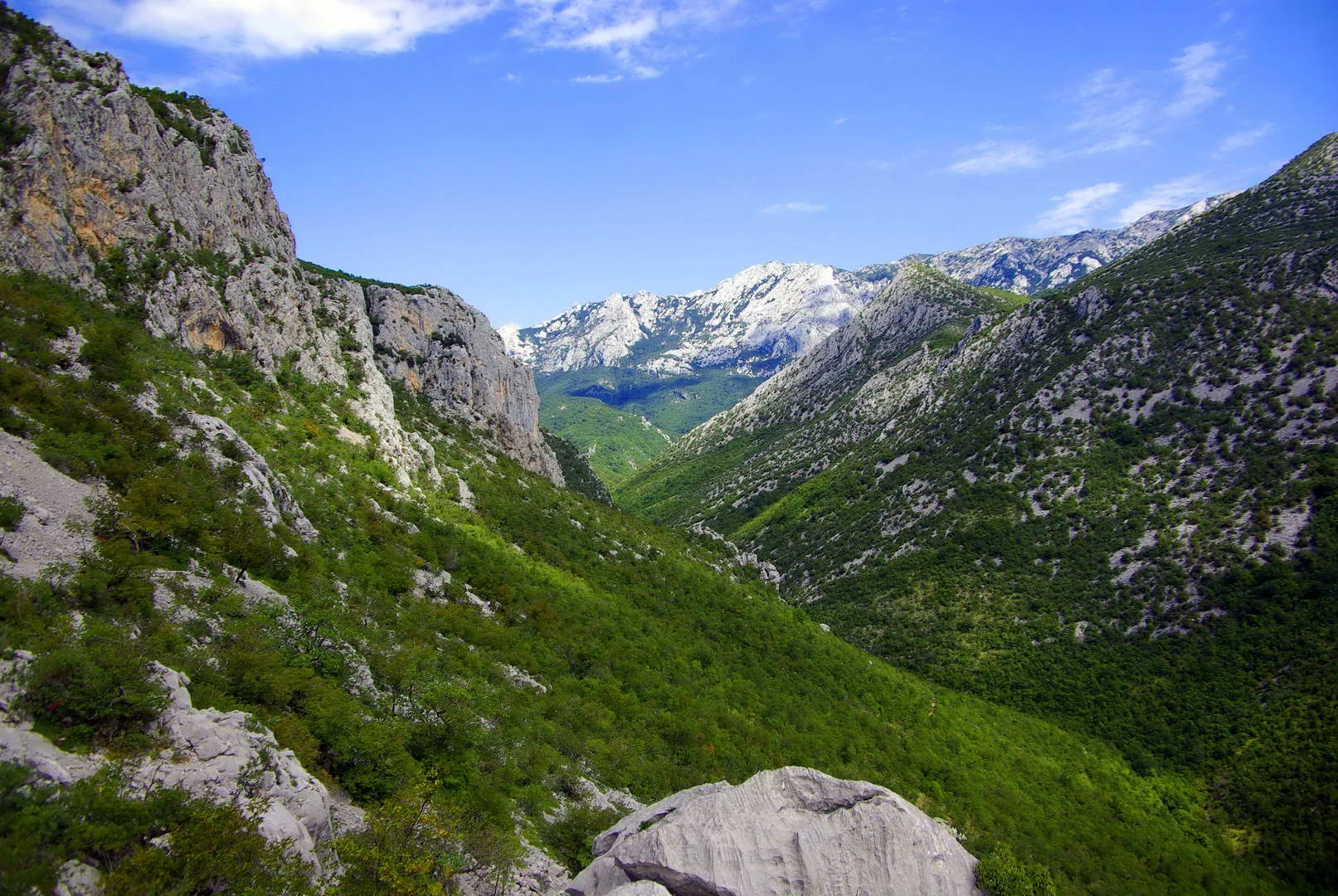
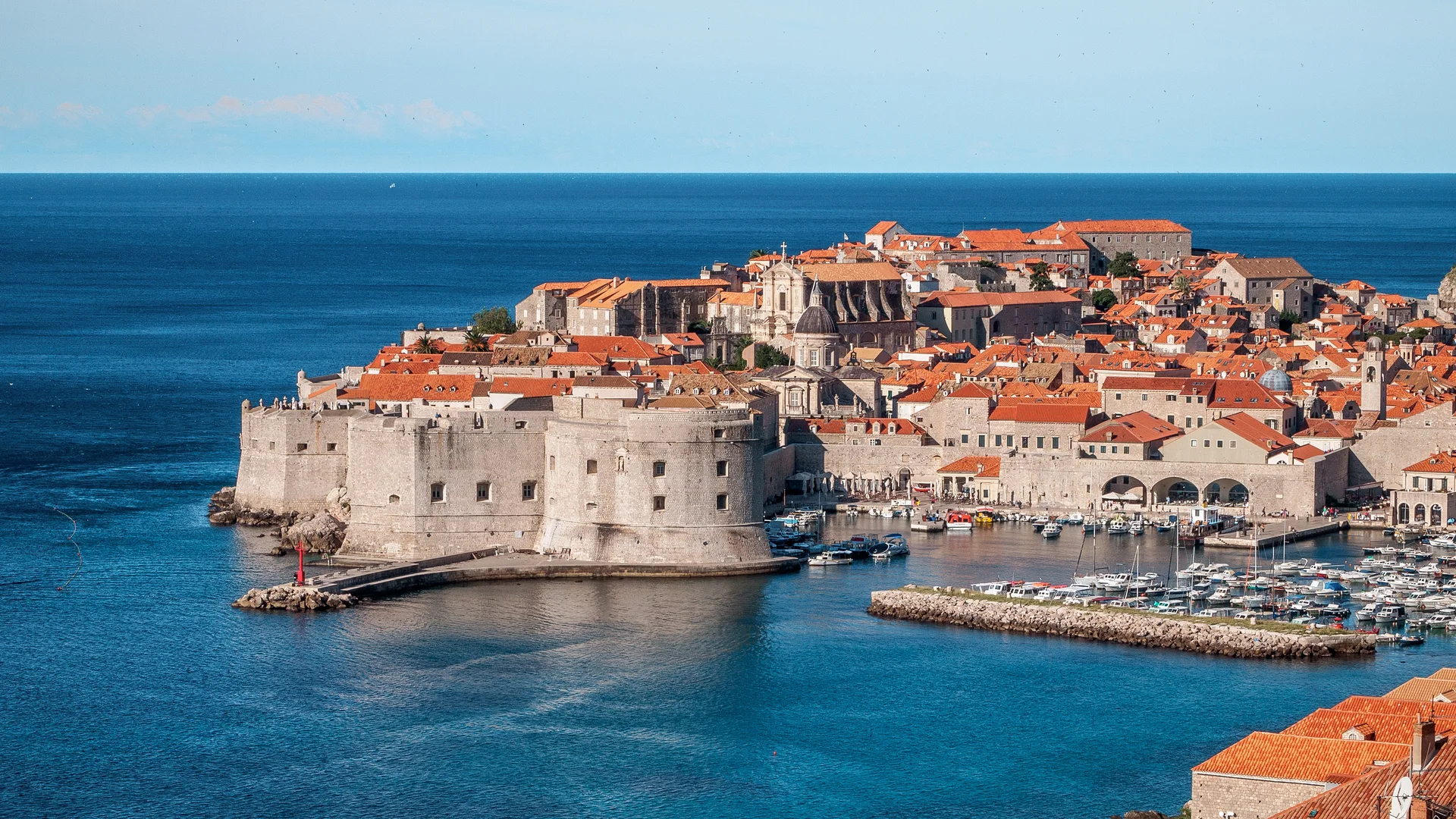
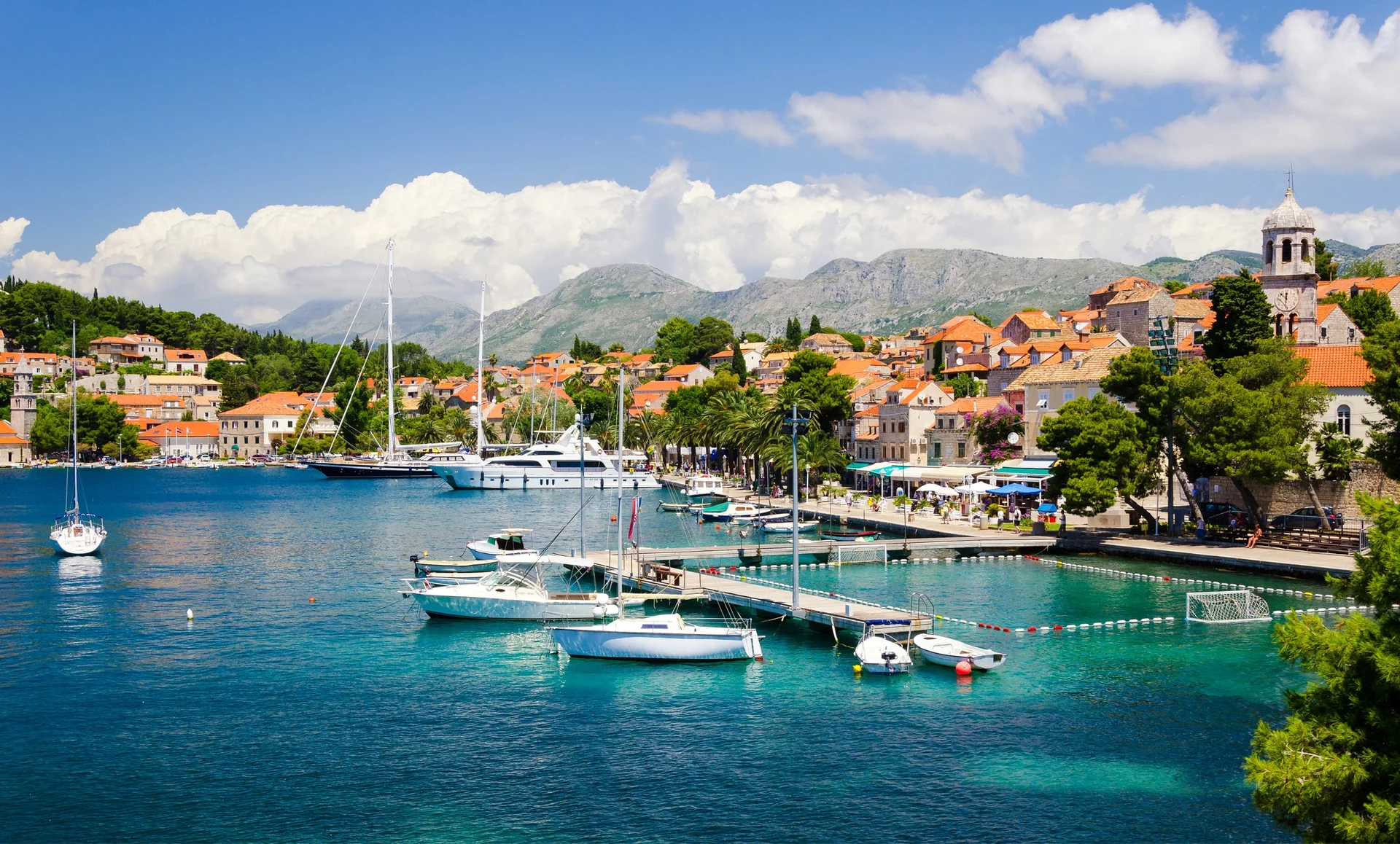
In Dalmatia, fly into Split and home from Dubrovnik: the two cities are three hours apart by road, and between them lie the islands of Hvar, Brač and Korčula, which you reach by ferry or catamaran. Then decide whether to rent a car: with one, you can explore the Pelješac peninsula, between Korčula and Dubrovnik, and the interior of the islands, but you will leave it in a parking lot at the gate of every old town. And go in June or September: the sea reaches 22 to 24 °C (72 to 75 °F), and the ferries are not full.
At a glance
- When to go
- In June or September: 25 to 28 °C (77 to 82 °F) in the afternoon, the sea at 22 to 24 °C (72 to 75 °F), and hotels still available on the islands. In July and August, prices double in Hvar and Dubrovnik.
- How many days
- Plan seven days to travel from Split to Dubrovnik by way of Hvar and Korčula; with five days, keep Split, Hvar and Dubrovnik and leave Korčula out.
- Which base
- Split for a first trip, a five-minute walk from the boats to the islands; Korčula for quiet evenings; Cavtat to end your trip close to Dubrovnik airport.
- Budget for two
- Count on about $3,300 for a week in June, with mid-range hotels, meals, car and ferries, flights not included; a good deal more in August.
- The moment for two
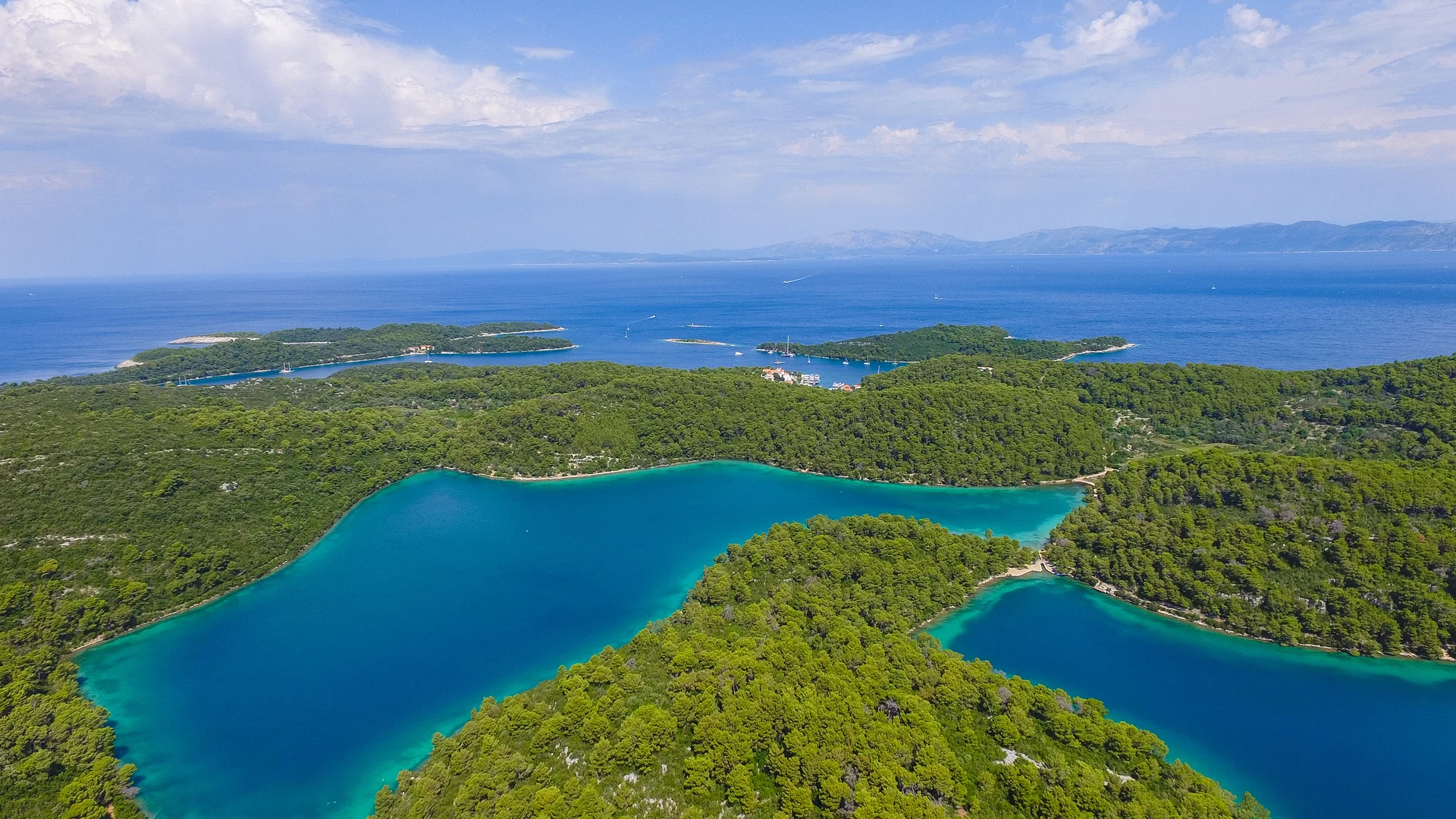
- Swim in the saltwater lakes of Mljet National Park, an island an hour and a half by catamaran from Dubrovnik, among the pines, then take the boat to the islet of St Mary's monastery, in the middle of the large lake.
- Book ahead
- Hotels in Hvar and in Dubrovnik's old town from spring for July and August, the rental car a month ahead, and catamaran tickets a few days ahead in summer.
Why Dalmatia as a couple
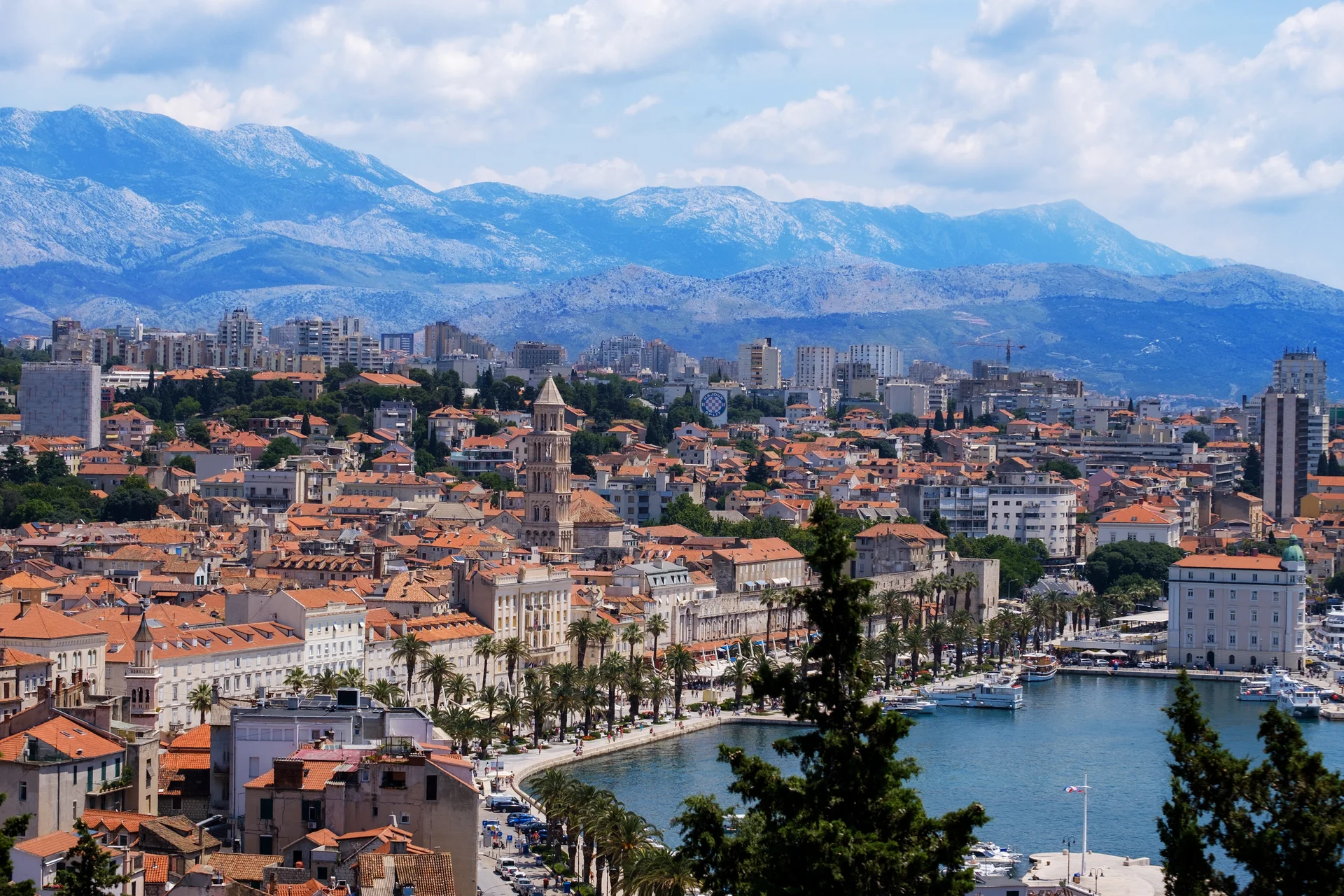
Dalmatia is the southern coast of Croatia, from Zadar to Dubrovnik, and the islands that line it. You travel from one white-stone town to the next, almost all of them shaped by Venice or by the Republic of Ragusa, the old name of Dubrovnik: a Roman palace people still live in at Split, a fortified town on a headland at Korčula, an unbroken ring of walls around Dubrovnik.
Between two towns, you swim in very clear water, from pebble or rocky coves rather than sandy beaches, and in the evening you eat grilled fish in a konoba, the Dalmatian tavern.
When to go
| Period | Weather | Crowds | Our take |
|---|---|---|---|
| April, May | 18 to 24 °C (64 to 75 °F), sea 16 to 19 °C (61 to 66 °F) | Light | The towns without the crowds; the sea is still cool, and not all island hotels are open |
| June | 25 to 28 °C (77 to 82 °F), sea 22 °C (72 °F) | Moderate | Our favorite month: a warm sea, boats on the summer timetable, long evenings |
| July, August | 30 to 33 °C (86 to 91 °F), sea 25 °C (77 °F) | Very heavy | Hotels full and prices doubled in Hvar and Dubrovnik, ferries packed |
| September | 24 to 27 °C (75 to 81 °F), sea 24 °C (75 °F) | Moderate | The sea still warm, the grape harvest on Pelješac |
| October | 19 to 22 °C (66 to 72 °F), sea 21 °C (70 °F), first rains | Light | You can still swim; some island hotels and restaurants close during the month |
| November to March | 10 to 15 °C (50 to 59 °F), rain and wind | Very light | Split and Dubrovnik stay open, but the islands are almost closed and boats are few |
From July 10 to August 25, the Dubrovnik Summer Festival puts on open-air theater and concerts in the old town, and hotels there are full. The south wind, the jugo, and the northeast wind, the bura, can cancel catamarans and water taxis for a day: keep a spare day before your flight home.
When to go: the climate in Split
The best months: April, May, June, July, August, September.
- Jan 12° 5° 11 rainy days Sea 14°
- Feb 13° 6° 10 rainy days Sea 13°
- Mar 16° 8° 9 rainy days Sea 14°
- Apr 19° 11° 7 rainy days Sea 15° best month
- May 23° 15° 6 rainy days Sea 17° best month
- Jun 28° 19° 4 rainy days Sea 21° best month
- Jul 31° 22° 2 rainy days Sea 24° best month
- Aug 31° 22° 2 rainy days Sea 25° best month
- Sep 27° 18° 4 rainy days Sea 23° best month
- Oct 22° 14° 6 rainy days Sea 20°
- Nov 17° 10° 9 rainy days Sea 17°
- Dec 14° 7° 11 rainy days Sea 15°
Monthly averages, in degrees Celsius.
Paperwork: passport, visa, health
| Documents | Visa | Health | |
|---|---|---|---|
| United States, Canada | Passport valid at least 3 months after you leave the Schengen area, issued within the last 10 years | None for stays up to 90 days | Travel insurance with medical cover |
| United Kingdom | Passport valid at least 3 months after you leave the Schengen area, issued within the last 10 years | None for stays up to 90 days in any 180 | Your free GHIC covers state healthcare; travel insurance for the rest |
| Ireland | Passport in date | None | Free EHIC for public healthcare |
Croatia is in the European Union, the Schengen area and the euro zone. Pay by card or withdraw euros from an ATM on arrival; at the machine, decline the conversion into dollars or pounds and let your own bank convert.
Entering the Schengen area from the US, Canada or the UK
On your first entry into the Schengen area, border police record your fingerprints and a photo (the EES system): allow extra time at passport control, which you go through at your connecting airport if you change planes in Frankfurt, Munich, Paris or Zagreb. Check before you leave whether the ETIAS travel authorization is required on your dates: you apply for it online on the European Union site (travel-europe.europa.eu).
Getting there
By plane: into Split, home from Dubrovnik
| From | To Split | To Dubrovnik |
|---|---|---|
| London | Nonstop, ~2h30, mostly April to October | Nonstop, ~2h45 |
| Manchester, Birmingham, Edinburgh | Nonstop in summer, ~2h45 to 3h | Nonstop in summer, ~3h |
| Dublin | Nonstop in summer, ~3h | Nonstop in summer, ~3h |
| New York, Boston, Chicago | One stop in Europe, 11 to 14 hours | One stop in Europe, 11 to 14 hours |
| Toronto, Montreal | One stop in Europe, 11 to 14 hours | One stop in Europe, 11 to 14 hours |
| Los Angeles, San Francisco | One or two stops, 16 to 20 hours | One or two stops, 16 to 20 hours |
Book an open-jaw ticket: into Split airport and home from Dubrovnik airport, or the other way round. You find it on the same sites as a round trip, "multi-city" option, and you avoid three hours of driving back to where you started. From North America, the usual connections are in Frankfurt, Munich, London, Paris or Zagreb; in summer, check for a seasonal nonstop from Newark to Dubrovnik.
Via Zadar airport
Zadar airport, in northern Dalmatia, has low-cost flights from the UK and Ireland in summer: it is 160 km (100 miles) from Split, 1h45 on the A1 highway. Choose it if you start with Zadar and the northern coast.
By ferry from Italy
If you are combining Italy and Croatia, an overnight ferry links Ancona, on Italy's Adriatic coast, to Split in season, with the Jadrolinija and SNAV lines; you can take a car on board.
Practical things to know before you leave
Phone
US and Canadian plans charge roaming at full price, and most UK plans now charge for Europe too: turn on a travel pass or install a European eSIM before you leave. With an Irish plan, calls and data work as at home, Croatia being in the European Union.
Outlets
Croatian outlets, at 230 volts, take European plugs with two round pins. American, Canadian, British and Irish plugs do not fit: bring an adapter, one per person. North American appliances must accept 230 volts, which almost all phone and laptop chargers do, but rarely hair dryers.
Money and tipping
- The currency is the euro; cards work in hotels, most restaurants and at ferry ticket offices, but keep cash for water taxis, small island konobas and older parking meters.
- Service is not included in the bill: leave about 10 percent in a restaurant if you were well looked after, preferably in cash. Nobody expects the 15 to 20 percent usual in North America.
- In apartments and many hotels, a tourist tax per person per night is added to the price shown: check whether it is included before you book.
Beaches and water
Almost all the beaches are pebble or rock, with sea urchins in places: bring water shoes. Tap water is safe to drink throughout the region.
What to book, and how far ahead
In June and September, you can book almost everything a few days ahead; in July and August, the hotels on the islands and in Dubrovnik's old town are full months in advance.
| What | When to book | Why |
|---|---|---|
| Hotels in Hvar and Dubrovnik, July and August | From spring | Few rooms in the old towns |
| Rental car | 1 month ahead | Few automatics |
| Foot-passenger catamaran, in summer | A few days ahead | Morning sailings sell out |
| Split - Stari Grad car ferry, in summer | A few days ahead | Cars board in order of arrival |
| Restaurants in Dubrovnik's old town | The day before | Few tables in the evening |
From the airport to your hotel
© OpenStreetMap contributors
The airports and the bases they serve
- Split Airport (SPU)
- Dubrovnik Airport (DBV)
- 1Split
- 2Trogir
- 3Hvar town
- 4Dubrovnik
- 5Cavtat
| Destination | Transport | Time | Typical fare |
|---|---|---|---|
| Split | Shuttle bus to the bus station, next to the harbor, after every flight | ~30 min. | ~$11 / pers. |
| Split | Taxi | ~30 min. | ~$44 / taxi |
| Trogir | Taxi | ~15 min. | ~$28 / taxi |
| Hvar town | Shuttle bus to Split harbor, then catamaran | 2h to 2h30 | ~$33 / pers. |
| Destination | Transport | Time | Typical fare |
|---|---|---|---|
| Dubrovnik | Shuttle bus to the Ploče Gate, then the Gruž bus station | ~30 min. | ~$11 / pers. |
| Dubrovnik | Taxi | ~30 min. | ~$44 / taxi |
| Cavtat | Taxi | ~10 min. | ~$22 / taxi |
What works best
In Split, take the shuttle bus to the harbor: it is a five-minute walk from the palace, and the catamarans to the islands leave from the same quay. If you rent a car, pick it up the next day at an agency near the bus station rather than paying for a night of parking. In Dubrovnik, agree on the taxi fare before you get in, or book a ride through an app.
Getting around
By boat
Two kinds of boats link the coast and the islands. The ferries of Jadrolinija, the state-owned company, carry cars: Split - Stari Grad for Hvar, Split - Supetar for Brač, Orebić - Dominče for Korčula. The foot-passenger catamarans of Jadrolinija and Krilo are faster and dock in the heart of the towns: Split, Hvar, Bol on the island of Brač, Korčula, the island of Mljet and Dubrovnik.
Timetables change with the season and are reduced from November to March: check them on each company's site before you book a hotel on an island.
By car
With a car, you can explore the Pelješac peninsula, the interior of the islands and the villages that no boat serves. The coast road is narrow and winding; the A1 highway, a toll road, runs from Split to Ploče, halfway to Dubrovnik. Since the Pelješac bridge opened, the road to Dubrovnik no longer crosses Bosnia and Herzegovina at Neum. Traffic keeps to the right: if you drive on the left at home, get used to it on the highway out of Split, not on the island roads.
A UK or Irish license is accepted on its own. Croatia also recognizes US and Canadian licenses, but some rental companies ask for an International Driving Permit: get one before you leave, from AAA in the US or CAA in Canada. The blood alcohol limit is 0.05%, stricter than in most US states and in England, about one glass of wine.
By bus
Buses link Split, Trogir, Makarska and Dubrovnik several times a day, from the Split bus station, next to the harbor, and the Dubrovnik one, at Gruž harbor, 3 km (2 miles) from the old town. Split - Dubrovnik takes about 4h30.
Budget for two
Dalmatia costs more than inland Croatia, and Hvar and Dubrovnik are the two most expensive towns on the coast. The hotel is what makes your budget vary, above all in July and August.
| Item | Typical price |
|---|---|
| Mid-range double room, Split or Korčula | $132 to $176 / night |
| Mid-range double room, Hvar or Dubrovnik's old town | $198 to $280 / night |
| Dinner in a konoba, wine included | $39 to $55 / pers. |
| Split - Hvar catamaran | $11 to $28 / pers. |
| Walls of Dubrovnik | ~$44 / pers. |
| Compact rental car | $44 to $77 / day |
For a week in June, count on about $3,300 for two in mid-range hotels, with meals, car and ferries, flights not included. In August, the same hotels cost up to twice as much. Use a card with no foreign transaction fee: it saves you a few percent on every bill.
What to eat and drink
Dalmatian cooking is built on the sea and olive oil, close to that of Italy, across the Adriatic: grilled fish, vegetables, smoked ham and sheep's cheese, served in the konobas of the towns and islands.
At the table
-
Peka
Lamb or octopus cooked with potatoes under an iron bell covered in embers: order it the day before or in the morning, as most konobas only make it to order.
-
Pašticada
Beef marinated and braised in wine with prunes, served with gnocchi: the Dalmatian feast-day dish, best tried in Split.
-
Crni rižot
Black risotto made with cuttlefish ink, on every menu along the coast.
-
Ston oysters
Flat oysters raised in the bay of Mali Ston, at the start of the Pelješac peninsula, served in the restaurants on the Mali Ston quay.
-
Rožata
Dubrovnik's caramel custard, flavored with rose liqueur.
To drink
Try Plavac Mali, the red wine of Pelješac and Hvar, and two white wines from the islands: Pošip from Korčula and Grk, which grows only at Lumbarda, east of Korčula town. At the end of a meal, Dalmatians often pour a glass of rakija, a brandy flavored with herbs or fruit.
Customs and rules to know
Three rules will spare you a fine or being turned away at a church door.
| Rule | What happens |
|---|---|
| Walking shirtless or in swimwear in the center of Split, Hvar or Dubrovnik | A fine; put on a T-shirt when you leave the beach |
| Drinking alcohol in the street in the old town of Hvar or Split | Banned on some streets, and you can be fined |
| Entering a church or cathedral with bare shoulders or knees | Entry refused; a scarf is enough |
Dalmatians eat dinner around 8pm and linger over coffee on café terraces for hours: nobody will rush you to give up your table. A dobar dan (good day) and a hvala (thank you) always go down well, even though almost everyone on the coast speaks English.
Safety
Dalmatia is a safe region, day and night. The risks come from the crowds and the sea.
- Pickpockets on the Stradun, Dubrovnik's main street, and on the Riva, Split's waterfront, when the cruise ships are in, and on the airport buses.
- Taxis with no meter and no fare agreed, outside airports and harbors: ask the price before you get in.
- Sea urchins on the rocks in the coves, and the sun on the walls of Dubrovnik, where there is no shade at all.
Mistakes to avoid
The costliest mistakes in Dalmatia come from the boats and the summer.
- Booking a round trip to Split and driving back from Dubrovnik on the last day: three hours on the road, when an open-jaw ticket often costs no more.
- Planning one island a day: each crossing takes half a day, with the wait and the trips to and from the harbor.
- Booking a room in Hvar or Dubrovnik for August at the last minute: what is left are the most expensive rooms, far from the center.
- Taking the last-day catamaran just before your flight: in strong wind, the boats stay in port, and the next one sometimes leaves the following day.
- Leaving without water shoes: the beaches are pebble and the coves are rock.
Dalmatia
Compare hotel prices
Pick your dates and see the offers from the major booking sites side by side.
Compare live offers from Booking, Expedia, Agoda and other partners.
Dalmatia: find your hotel
Frequently asked questions
How many days do you need for Dalmatia as a couple?
Seven days to travel from Split to Dubrovnik by way of Hvar and Korčula, with a car and four ferry crossings. With five days, keep Split, Hvar and Dubrovnik; with ten, add the island of Brač or Mljet.
Do you need to rent a car in Dalmatia?
No, if you stay in the towns linked by catamaran: Split, Hvar, Korčula and Dubrovnik. Yes for the Pelješac peninsula, Ston, Klis fortress and the interior of the islands: pick it up in Split and drop it off in Dubrovnik, one way.
Do I need an International Driving Permit in Croatia?
Not with a UK or Irish license. With a US or Canadian license, Croatia accepts your license, but some rental companies ask for the International Driving Permit: get it before you leave, from AAA or CAA, and ask when you book.
What is the best time for a couple to visit Dalmatia?
June and September: the sea at 22 to 24 °C (72 to 75 °F), boats on the summer timetable and hotels still available. Avoid late July and August if you want coves without crowds and normal prices.
Are the beaches in Dalmatia sandy?
Hardly ever: they are pebble or rock, with very clear water. Zlatni Rat, at Bol, is a beach of fine pebbles; for sand, go to Lumbarda, near Korčula town.
Is Dalmatia expensive?
Hvar and Dubrovnik are the most expensive towns in Croatia, especially in summer; Split, Korčula and Bol cost less. Count on about $3,300 for two for a week in June, flights not included, and up to double for the hotel in August.