

D1 Day 1: Gamla Stan, the palace and City Hall
- D1·1Stortorget Square
- D1·2Storkyrkan Church
- D1·3Royal Palace Castle
- D1·4Riddarholmskyrkan Church
- D1·5Stadshuset Landmark

In December, Stockholm gives you six hours of daylight, from 9am to 3pm: enough for the Old Town, a museum and a view, as long as you take them in that order. This itinerary is built for winter and works all year: walks in the morning, Gamla Stan, Strandvägen, the cliffs of Monteliusvägen; museums as darkness falls, the Vasa Museum, Fotografiska open late; and the evening for the Christmas market, a sauna and a candlelit dinner. In June, keep the same order and add three hours of sunshine on the quays.
© OpenStreetMap contributors
D1 Day 1: Gamla Stan, the palace and City Hall
D2 Day 2: Strandvägen, the Vasa and Skansen
D3 Day 3: the art subway, Östermalm and Södermalm
D4 Day 4: Drottningholm, the palace on the lake
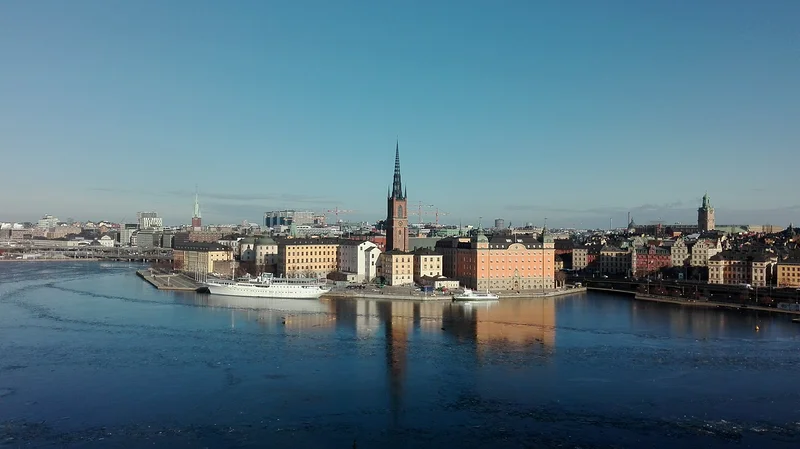
Start at Stortorget, the oldest square in the city, before 10am: the ochre and red gabled houses have no crowds yet, and the Christmas market, from late November to December 23, only opens its stalls late in the morning. The Nobel Prize Museum fills the old Stock Exchange on the square, for an hour.
A few steps away, Storkyrkan, the brick cathedral, holds a wooden statue of Saint George slaying the dragon, carved in the late 15th century. Then head to the Royal Palace, one of the largest palaces in Europe still in use: the state apartments and treasury take two hours, and the changing of the guard happens in the outer courtyard around noon.
After a dagens lunch in a lane parallel to Västerlånggatan, cross to the islet of Riddarholmen: Riddarholmskyrkan, with its open cast-iron spire, holds the tombs of Sweden's kings; it opens only from May to September, but the quay behind it gives a wide view over Lake Mälaren all year.
Cross the bridge to Stadshuset, the red-brick City Hall on the water: the 45-minute guided tour shows the Blue Hall, where the Nobel banquet is held on December 10, and the Golden Hall with its eighteen million mosaic pieces. From May to September, climb the tower for the view, 106 m (348 ft) up.
Return to Stortorget after dark, when the market's red stalls light up: a glögg, an elk or reindeer sausage, ginger snaps. Out of season, have a hot chocolate at Chokladkoppen (Stortorget 18), on the same square.
Dine at Den Gyldene Freden (Österlånggatan 51), a tavern opened in 1722 whose vaulted cellars serve classic Swedish food: herring, game and meatballs by candlelight. Book a few days ahead in December.
Walk along Strandvägen, Östermalm's waterfront lined with turreted façades and old moored boats, then cross the Djurgården bridge. Get to the Vasa Museum at opening time: the warship Vasa sank on her maiden voyage in 1628, a few hundred yards from here, and was raised in 1961, almost intact.
Her 69 m (226 ft) of carved wood fill the museum's dark hall, across seven levels of galleries: allow an hour and a half. On your way out you pass the Nordiska museet, the turreted brick palace that tells the story of Swedish life; in December its rooms lay out Christmas tables from times past.
Have lunch at Rosendals trädgård (Rosendalsterrassen 12), twenty minutes on foot along the island's paths: an organic garden whose café serves soups, tarts and sourdough bread in a greenhouse. It opens every day from 11am to 4pm (3pm in December) and closes from December 23 to 25.
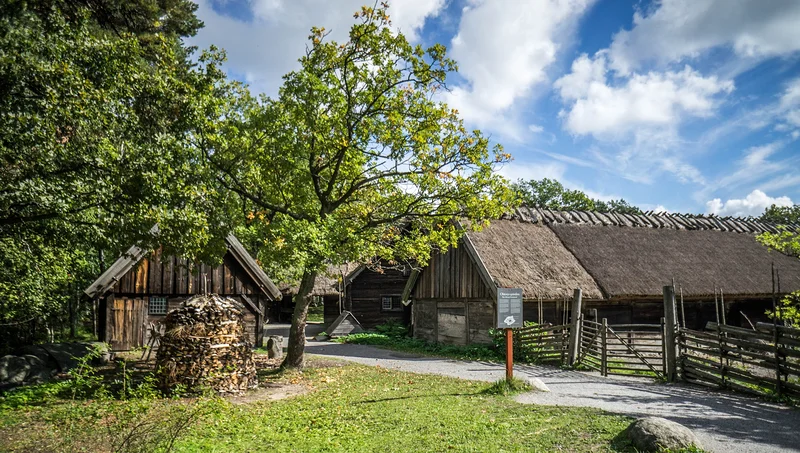
Then enter Skansen, the open-air museum founded in 1891: a hundred and fifty houses, farms and churches brought from all over Sweden, craftspeople in costume, and Nordic animals, elk, bears and wolves. On Advent weekends, Friday to Sunday, its paths host a Christmas market, a tradition since 1903. In winter Skansen closes early: arrive before 1pm.
Head back on tram 7 to Nybroplan, or by ferry to Slussen, and have dinner in Östermalm. Sturehof (Stureplan 2), a seafood brasserie open since 1897, serves herring, oysters and sole meunière until late; its bar fills up from 6pm. For a quieter evening, book a table in one of the streets around Östermalmstorg.
Take the subway at T-Centralen, beneath the station: on the blue line platform, the rock vault is painted with blue vines on a white ground. One stop on, Kungsträdgården shows colorful grottoes, statues and fragments of a demolished palace. A regular ticket is enough, and the visit takes half an hour.
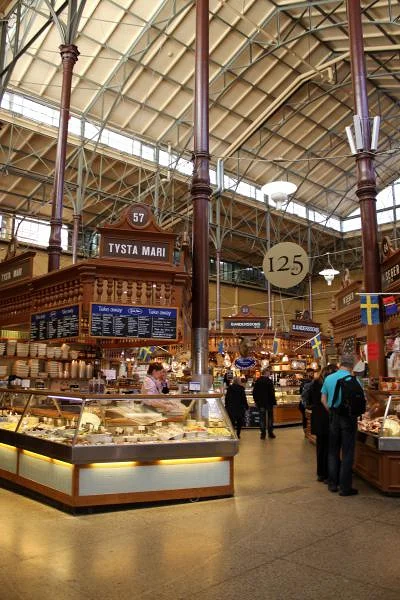
Walk up to Östermalms Saluhall, the 1888 brick market hall on Östermalmstorg, and have lunch at a fishmonger's counter: toast Skagen, pickled herring, fish soup. A coffee and a giant cinnamon bun at Café Saturnus (Eriksbergsgatan 6) round off the meal.
Take the red line to Mariatorget, then climb to Monteliusvägen, a 500 m (a third of a mile) path along the northern cliff of Södermalm. The view takes in City Hall, Riddarholmen and the Old Town on the water. In December, be there before 2:30pm, before the sun disappears; in summer, come back at sunset, around 10pm.
Follow the quay to Fotografiska, the photography museum in a former brick customs house, open late: three or four exhibitions a season, and a top-floor café with a view of Djurgården and the night boats.
Then dine at Pelikan (Blekingegatan 40), a 1904 beer hall with dark wood paneling, for meatballs, mash and lingonberries, with a beer or a snaps. A last drink in the bars around Nytorget, ten minutes on foot, and the green line takes you home.
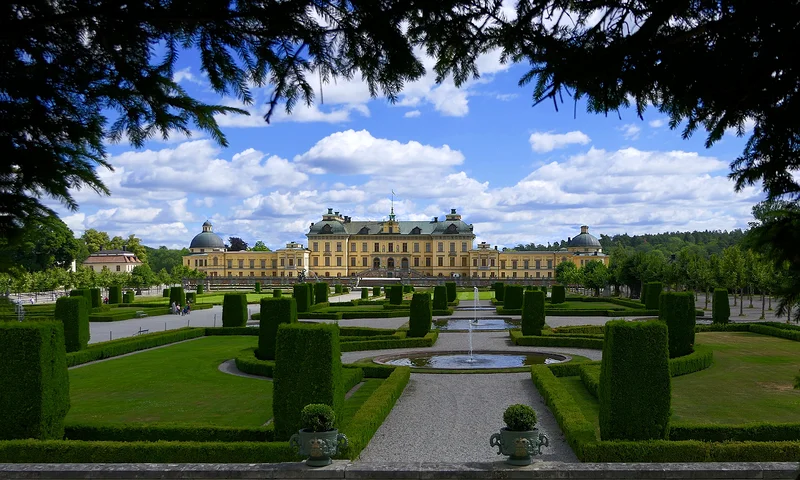
From May to September, take the boat from the Stadshusbron quay, at the foot of City Hall: an hour on Lake Mälaren to Drottningholm. The rest of the year, take the green line to Brommaplan, then a bus to Drottningholm: allow forty minutes.
The palace, home of the royal family and a UNESCO World Heritage site, is visited for its baroque salons and grand staircase; allow an hour and a half. In winter it opens only on Saturdays and Sundays, from 10am to 4pm; it closes for most of December, then opens every day from December 31 to January 6.
The Slottsteater, the palace theater, has kept its 18th-century sets and wooden stage machinery, still in working order: the guided tour, May to September, lets you hear the wind machine and the thunder. Then cross the formal gardens and the English park to Kina slott, the Chinese Pavilion given to a queen, a twenty-minute walk.
The gardens are open and free all year. Have lunch at the estate café in summer, or bring a picnic for the water's edge; in winter, a walk through the snowy park fills the afternoon.
Head back to town for a sauna. Centralbadet (Drottninggatan 88) is a 1904 Art Nouveau bathhouse with a pool, saunas and treatments, five minutes from the station. For the Swedish experience of a sauna by the water, Hellasgården, in the Nacka nature reserve twenty minutes by bus from the center, heats its saunas all year beside a lake where locals take a dip even in winter, through a hole cut in the ice.
Stockholm has lunch early, around 11:30am, and dinner from 6pm. On weekdays the lunch special is the best deal; in December, book the julbord weeks ahead, and a Saturday night table a few days ahead all year.
Classic Swedish cooking
Pelikan (Blekingegatan 40), a 1904 beer hall in Södermalm, and Den Gyldene Freden (Österlånggatan 51), a 1722 tavern in Gamla Stan: meatballs, herring, game in season.
Seafood
The counters of Östermalms Saluhall at lunch, and Sturehof (Stureplan 2) at night, for herring, oysters and sole until late.
December julbord
The Grand Hôtel, Skansen and the big brasseries serve the julbord from November until Christmas, in two or three sittings a day: book three to six weeks ahead, especially for a weekend.
Modern meatballs
Meatballs for the People (Nytorgsgatan 30), in Södermalm: beef, elk or wild boar meatballs with mash and lingonberries, in a neighborhood dining room.
Fika
Vete-Katten (Kungsgatan 55), a 1928 tearoom of small connecting rooms; Café Saturnus (Eriksbergsgatan 6) for its plate-sized cinnamon bun; Drop Coffee (Wollmar Yxkullsgatan 10) for filter coffee.
Lunch in a garden
Rosendals trädgård (Rosendalsterrassen 12), on Djurgården: soups, salads and pastries from the garden, served in a greenhouse or under the apple trees.
Bars open around 5pm for the afterwork, cocktails come after dinner, and the coat check costs extra in winter. Five addresses by mood.
| Mood | Where | Our take |
|---|---|---|
| A cocktail facing the palace | Cadier Bar, at the Grand Hôtel (Södra Blasieholmshamnen 8) | The floodlit Royal Palace across the water |
| A cocktail in the Old Town | Pharmarium (Stortorget 7), a former pharmacy | Herb and spice cocktails on the Christmas market square |
| A Belgian beer or a whisky | Akkurat (Hornsgatan 18), in Södermalm | A long list of beers and whiskies, and mussels at night |
| A drink outdoors in summer | Mosebacke (Mosebacke torg 3), in Södermalm | A rooftop terrace facing the harbor and Djurgården |
| A glögg in December | The Stortorget or Skansen market | Outdoors, hands wrapped around the cup |
A Saint Lucy concert
Around December 13, in the churches of Gamla Stan and at Skansen: candlelit singing in the dark, booked three to four weeks ahead.
The Royal Opera
On Gustav Adolfs torg, facing the palace: opera and ballet from September to June, with The Nutcracker often on in December.
Jazz in a cellar
Stampen (Stora Nygatan 5), in Gamla Stan, for traditional jazz and blues; Fasching (Kungsgatan 63), the city's jazz club since 1977.
A sauna, any season
Centralbadet (Drottninggatan 88), a 1904 Art Nouveau bathhouse; Sturebadet, the 1885 bathhouse in the Sturegallerian arcade; Hellasgården in Nacka for a sauna and a swim in the lake.
The Kungsträdgården ice rink
From late November to late February, a free ice rink in the middle of the park, under the lights; skates can be rented on site.
Vaxholm
An hour by boat from Strömkajen, or bus 670 in winter: painted wooden villas, a fortress on an islet facing the harbor and fishermen's cafés.
Fjäderholmarna
The islands closest to the city, twenty-five minutes by boat, May to September: rocks for swimming, a fish smokehouse and craft workshops.
Sigtuna
Sweden's oldest town, on Lake Mälaren: a main street of wooden houses and ruined medieval churches, an hour away by commuter train and bus.
Uppsala
The university city, forty minutes by train: Scandinavia's largest cathedral, Linnaeus's garden and the royal burial mounds of Old Uppsala.
Stockholm
Pick your dates and see the offers from the major booking sites side by side.
Compare live offers from Booking, Expedia, Agoda and other partners.
Stockholm: find your hotel
Two days give a couple the essentials: Gamla Stan, the palace and City Hall on day one, the Vasa Museum and Skansen on day two. Södermalm, Fotografiska and the art subway need a third day, Drottningholm or the archipelago a fourth.
Keep daylight for views and walks, 9am to 2:30pm, then museums, Fotografiska open late, the Stortorget Christmas market, a sauna and the Kungsträdgården ice rink, which are all better after dark.
Yes, even if museums aren't your thing: the nearly intact ship fills a seven-story hall. Allow an hour and a half, arrive at opening time and buy your ticket the day before in summer.
No: the boat from City Hall runs only May to September. The rest of the year, the green line to Brommaplan and a bus take you to the palace in forty minutes on a regular transit ticket.
Partly: Waxholmsbolaget boats serve some islands all year, and Vaxholm can be reached by bus. But Fjäderholmarna closes from October to April, and most island cafés don't reopen until May.