Copenhagen for Couples: What to Know Before You Go (2026)
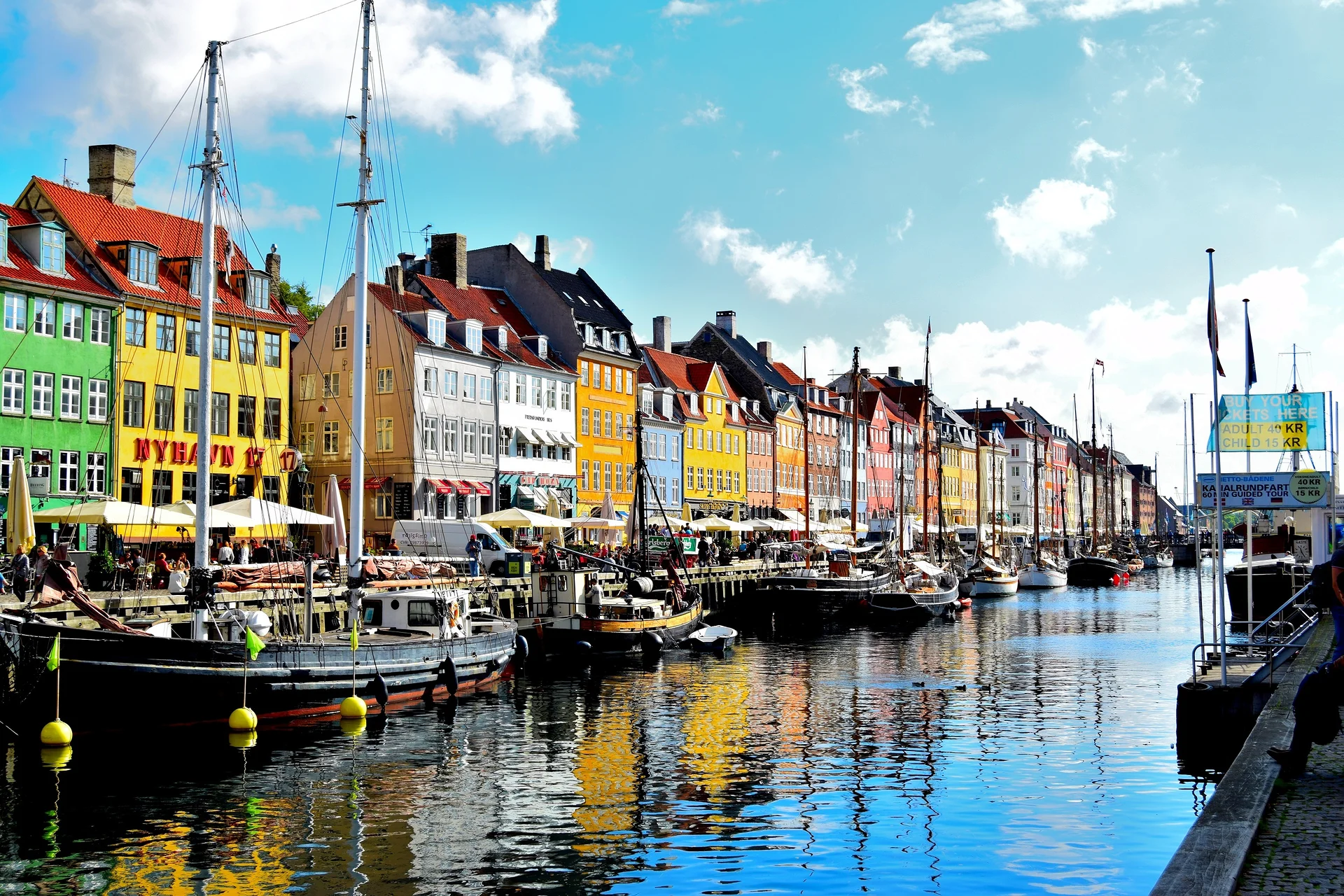
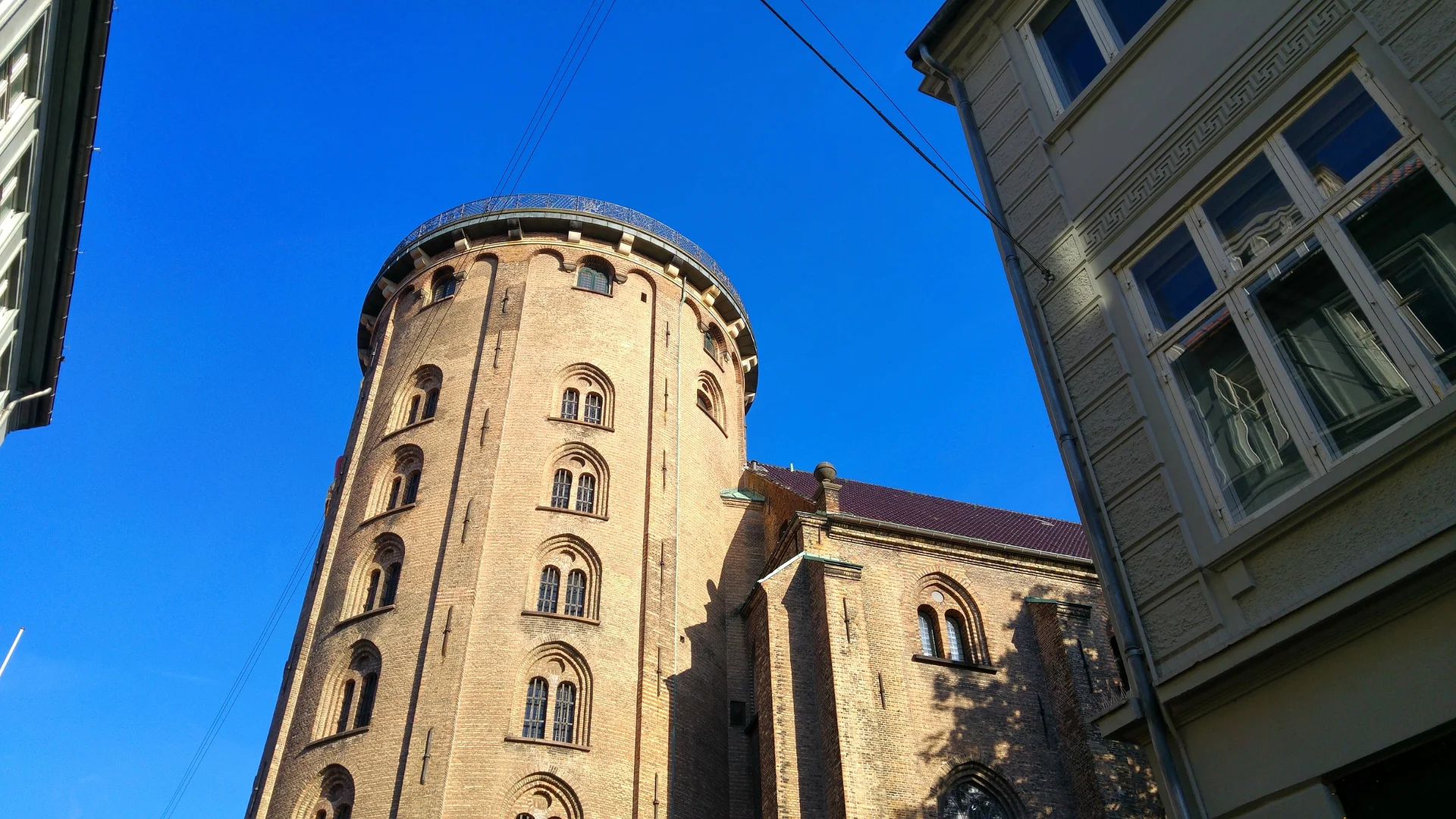
Copenhagen fits inside a circle two miles across: from Nyhavn to Christianshavn, from Tivoli to the Rosenborg gardens, nothing is more than twenty minutes away by bike. What takes preparation is the rest: prices among the highest in Europe, a krone you will almost never take out of your pocket because cards work everywhere, and a light that changes everything, a summer when daylight lasts until 10pm and a winter when darkness falls at 3:45pm. In the evening, Danes light candles and call it hygge: for two, it is the best moment in the city.
At a glance
- When to go
- Late May to early September for long, bright evenings, June for 17 hours of daylight; December for Tivoli and its lights, with the cold and dark by 3:45pm.
- How many days
- Three full days for Nyhavn, Christianshavn, Tivoli and the museums; a fourth for Louisiana and Kronborg on the coast, or Roskilde.
- Which area
- Indre By for a first visit, Christianshavn for canal-side calm, Vesterbro for evenings and gentler prices.
- Budget for two
- About $1,570 for three nights in comfort, hotel, meals, sights and transport included, flights excluded; a beer facing the Nyhavn boats costs $11 or more.
- The moment for two
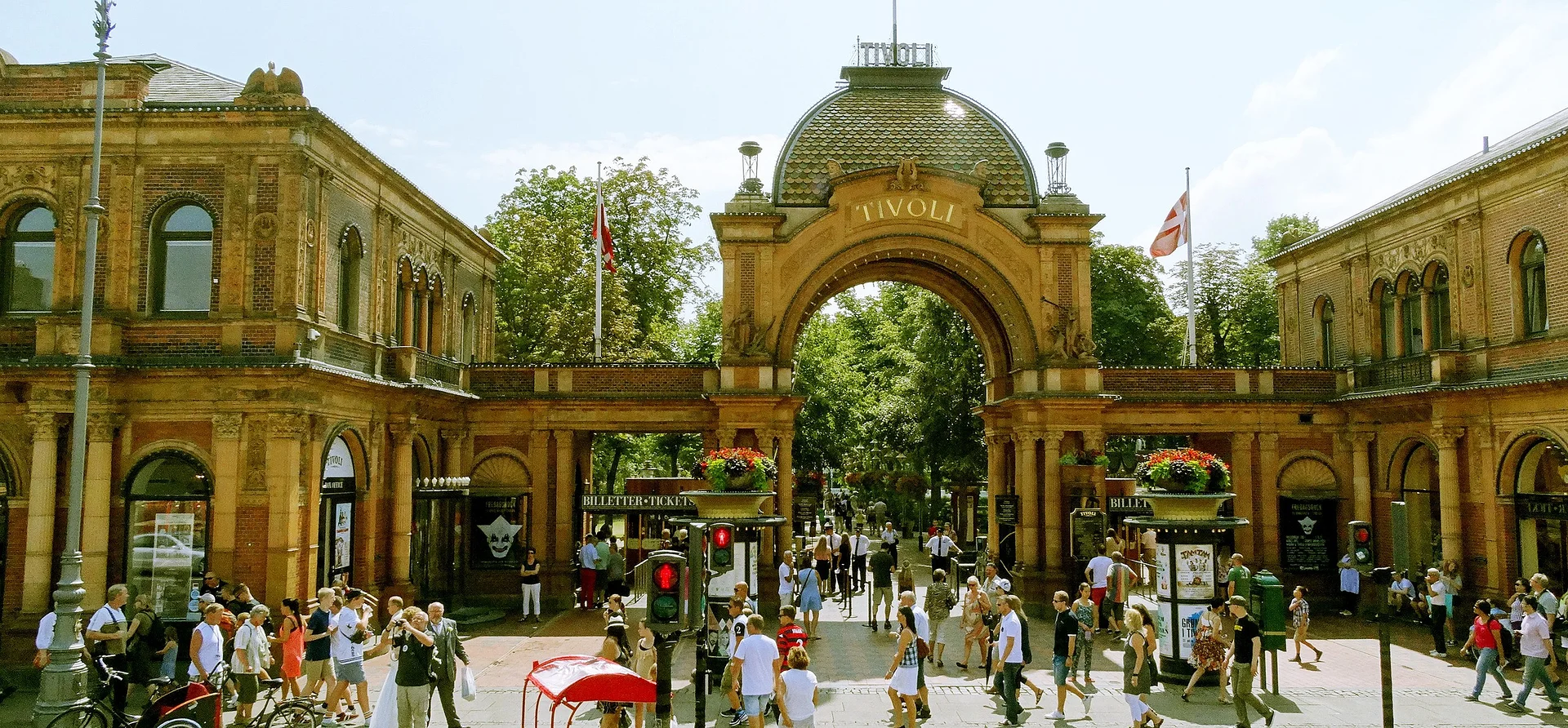
- Tivoli after dark, when lanterns light up the gardens and the old 1914 wooden roller coaster rolls over the paths.
- Book ahead
- A hotel for July and December, two to three months ahead; a table from Friday to Sunday, a week ahead; Rosenborg by time slot, a few days ahead.
Why Copenhagen for couples
Copenhagen is a capital the size of a village: a harbor you can swim in during summer, canals lined with colorful houses, palaces a short stroll apart and a bicycle at every door. You get around on two wheels or on foot, from Nyhavn to the quays of Christianshavn, one café after another, never feeling rushed by a city that expects you to see everything.
Evenings are the other reason to come together. From early autumn, every café, restaurant and window lights candles: that is hygge, the Danish word for the quiet comfort of being together, and it is easier to feel at a table in Vesterbro or on a bench in Tivoli than to explain. The price is the budget: Copenhagen ranks among the most expensive cities in Europe, and it is better to know that before you book.
When to go
| Period | Weather | Crowds | Our take |
|---|---|---|---|
| May and June | Cool to mild, 54 to 68 °F (12 to 20 °C), daylight until 10pm | Moderate, busier on holiday weekends | Our favorite: very long days, full terraces, gardens in bloom, hotels before high season |
| July and August | Mild, 64 to 73 °F (18 to 23 °C), showers | High, hotels expensive; some neighborhood spots close in July | Harbor swims and bright evenings, but crowds at Nyhavn |
| September and October | 50 to 63 °F (10 to 17 °C), wind and frequent rain | Moderate, then low | Golden light, quiet museums, Tivoli reopens for Halloween |
| November to January | 32 to 41 °F (0 to 5 °C), dark by 3:45pm | Low, high at Tivoli in December | Candles, Christmas markets, Tivoli lit up, for couples who like the cold |
| February to April | 32 to 48 °F (0 to 9 °C), wind | Low | Little light and bare gardens; Tivoli reopens in April |
A few dates change the trip. On June 23, Midsummer Eve (Sankthans) lights bonfires on beaches and lake shores. In early July the jazz festival fills cafés and squares for ten days. In late June and early July the Roskilde Festival brings tens of thousands of campers and crowds the trains west. In mid-August, Pride week parades on boats along the canals. From mid-November to early January Tivoli turns into a Christmas market, and cafés serve gløgg, spiced mulled wine, with æbleskiver, round pancake balls dusted with powdered sugar.
Entry requirements: passports, visas, health
| Documents | Visa | Health | |
|---|---|---|---|
| United States | Passport valid at least 3 months after your planned departure from the Schengen area | None for stays up to 90 days within any 180 | Travel insurance with medical cover: an emergency room visit can cost hundreds of dollars, and US plans rarely pay abroad |
| United Kingdom | Passport valid at least 3 months after your departure, issued within the last 10 years | None for stays up to 90 days within any 180 | UK Global Health Insurance Card (GHIC) for state care, plus travel insurance |
| Canada, Australia | Passport valid at least 3 months after your departure from the Schengen area | None for stays up to 90 days within any 180 | Travel insurance with medical cover |
If you are traveling from outside Europe
On your first entry to the Schengen area, border police register your fingerprints and a photo, so allow extra time at passport control in Kastrup. Check before you leave whether the ETIAS travel authorization is required on your dates: you apply online through the European Union website (travel-europe.europa.eu), it costs a few euros and lasts three years.
Getting there
By air, the most direct
| From | Duration | Good to know |
|---|---|---|
| New York, Boston, Washington, Chicago | 7h to 8h30 | Direct flights on several carriers, more in summer |
| Los Angeles, San Francisco | 10h to 11h | Direct in season, otherwise one stop in Europe |
| London | ~1h55 | Many direct flights a day from several airports |
| Manchester, Edinburgh, Dublin | 1h50 to 2h30 | Direct flights daily |
| Toronto, Montreal | 8h to 10h | One stop in London, Paris or Frankfurt, or a direct flight in season |
Kastrup (CPH) is the only airport serving the city, 5 miles (8 km) southeast of the center, with a metro and train station under the terminal: you are at your hotel in under half an hour. Details are below, in “From the airport to your hotel”.
By train, a day-long journey
| From | Duration | Good to know |
|---|---|---|
| Hamburg | ~4h40 | Direct train; it rolls onto the ferry from Puttgarden to Rødby, a 45 min. crossing included |
| Berlin | ~7h | Direct or with one change in Hamburg |
| London | 17h to 20h | Eurostar to Brussels or Cologne, then Hamburg: a flight is easier |
| Malmö (Sweden) | ~35 min. | Across the Øresund bridge, one train every 20 min. |
The train arrives at Hovedbanegård (København H), the central station, next to Tivoli and Vesterbro, in the middle of town. From Paris or Brussels the train is worth it for the German countryside and the ferry crossing more than for speed: book two to three months ahead for the lowest fares, especially on night trains and summer weekends.
By car
Practical things to know before you go
Phone
US carriers charge international roaming by the day or require a travel pass: activate it or install an eSIM before leaving. UK plans no longer always include EU roaming: check yours. Wi-Fi is free almost everywhere, and transport tickets and restaurant tables are booked by app.
Money and tipping
- The currency is the Danish krone (krone, DKK), at about 7.5 kroner to the euro, tied to it and barely moving. You will rarely touch coins: cards work everywhere, even for a coffee or a bus ticket, and several cafés and shops refuse cash. A Visa or Mastercard is enough; American Express is rarely accepted.
- Service is included, so skip the 20 percent. Round the bill up at the table, and after a dinner you loved add 5 to 10 percent at most. Nobody expects more.
- Tap water is excellent and free: ask for a carafe, it comes without charge.
- Prices are among the highest in Europe: a coffee costs $5.60, a 40 cl beer $9 to $12, a main course in a café or restaurant $28 to $45.
Plugs, wind and dress
- Outlets are type C and F at 230 volts. US devices (120 volts) need an adapter and a charger that accepts 230 volts; UK plugs need an adapter.
- It rains one day in two, in short showers, and the harbor wind never stops: a hooded windbreaker beats an umbrella, which will not survive. Danes cycle in the rain in waterproof pants.
- No dress code anywhere: jeans and sneakers go everywhere, even in good restaurants. Pack a warm layer for evenings by the water, even in July.
What to book, and how far ahead
Copenhagen does not need a tight schedule, but a few tickets are timed and others sell out too late for the best slot: Rosenborg sells slots every ten minutes and fills up in high season, Louisiana and Tivoli in December too. For everything else, book a dinner table, especially from Friday to Sunday.
| Site | Price per person | Book | Good to know |
|---|---|---|---|
| Rosenborg Castle | ~$22 | A few days ahead in summer | Slots every 10 min., Crown Jewels in the basement; the visit takes 1h |
| Tivoli | ~$24 | A few days ahead in December | Rides extra, by ticket or wristband; the garden is best after dark |
| Louisiana | ~$23 | The day before, earlier on weekends | Closed Monday; 35 min. train + 10 min. walk from the central station |
| Kronborg Castle | ~$22 | On site or the day before | 2h for the halls and casemates |
| Church of Our Saviour tower | ~$12 | The day before, online | Closed in rain, snow and strong wind, and in January |
| One-hour canal boat | ~$16 | On site | Departures from Nyhavn and Gammel Strand |
| Weekend restaurants | 1 to 2 weeks ahead | Vesterbro and Christianshavn are full from Friday to Sunday | |
| Hotel in July or December | 2 to 3 months ahead | Prices climb and the quiet places go first |
From the airport to your hotel
© OpenStreetMap contributors
The airport and the districts it serves
- Kastrup (CPH)
- 1Indre By, Nyhavn, Frederiksstaden
- 2Vesterbro, Tivoli
- 3Christianshavn
- 4Nørrebro
- 5Østerbro
| Destination | Transport | Time | Indicative fare |
|---|---|---|---|
| Indre By, Nyhavn, Frederiksstaden | Metro M2 | ~15 min. | ~$5.60 / pers. |
| Indre By, Nyhavn, Frederiksstaden | Taxi | 20 to 30 min. | $40 to $56 / taxi |
| Vesterbro, Tivoli | Train to København H | ~12 min. | ~$5.60 / pers. |
| Vesterbro, Tivoli | Taxi | 20 to 30 min. | $40 to $56 / taxi |
| Christianshavn | Metro M2 | ~12 min. | ~$5.60 / pers. |
| Nørrebro | Metro M2 then M3 | ~35 min. | ~$5.60 / pers. |
| Østerbro | Metro M2 then M3 | ~30 min. | ~$5.60 / pers. |
| Nørrebro | Taxi | 25 to 35 min. | $45 to $62 / taxi |
| Destination | Transport | Time | Indicative fare |
|---|---|---|---|
| Indre By, Nyhavn, Frederiksstaden | Metro M3 | ~6 min. | ~$4 / pers. |
| Vesterbro, Tivoli | On foot | 5 to 15 min. | Free |
| Christianshavn | Metro M3 then M2 | ~15 min. | ~$4 / pers. |
| Nørrebro | Metro M3 | ~20 min. | ~$4 / pers. |
| Østerbro | Metro M3 | ~15 min. | ~$4 / pers. |
From Kastrup, the M2 metro leaves from under the terminal every four to six minutes in the daytime, and the M1 and M2 run all night: it drops you at Kongens Nytorv, five minutes on foot from Nyhavn, in a quarter of an hour. The three-zone ticket that covers the airport is sold at the machines or in the DOT app (the metro has no ticket office and no gates, but inspectors do ride, and the fine is steep). The train to København H takes 12 minutes.
Taxis wait at the stand outside the terminal: the meter is mandatory, all accept cards, and the ride to the center costs $40 to $56 depending on the hour. For a couple with two suitcases, the metro is faster at rush hour.
Getting around
By bike and on foot
Everything is within walking range: Nyhavn is twenty minutes from Tivoli, Christianshavn fifteen minutes from Nyhavn. A bike makes the rest a pleasure, Vesterbro to Østerbro in twenty minutes. Rental costs $17 to $28 a day, lock included, in shops near the station or through a bike-share app.
Metro, train, bus and harbor bus
| Ticket | Price | Valid for |
|---|---|---|
| 2-zone ticket, the center | ~$4 | Metro, bus, train and harbor bus for 1h |
| 3-zone ticket, the airport | ~$5.60 | Same validity, as far as Kastrup |
| Copenhagen Card | Depends on length | Transport and many sights; it pays off at three paid visits a day |
| Bike, shared or rented | $17 to $28 / day | By the day, with a lock |
Tickets are sold at every station machine or in the DOT app. The automatic metro (M1, M2 and M3) covers the center without a timetable: a train comes every three to five minutes, and the M1 and M2 run all night. Harbor buses (havnebus) are covered by the same ticket and link Nyhavn to the Opera House and the Black Diamond library by water.
The canals
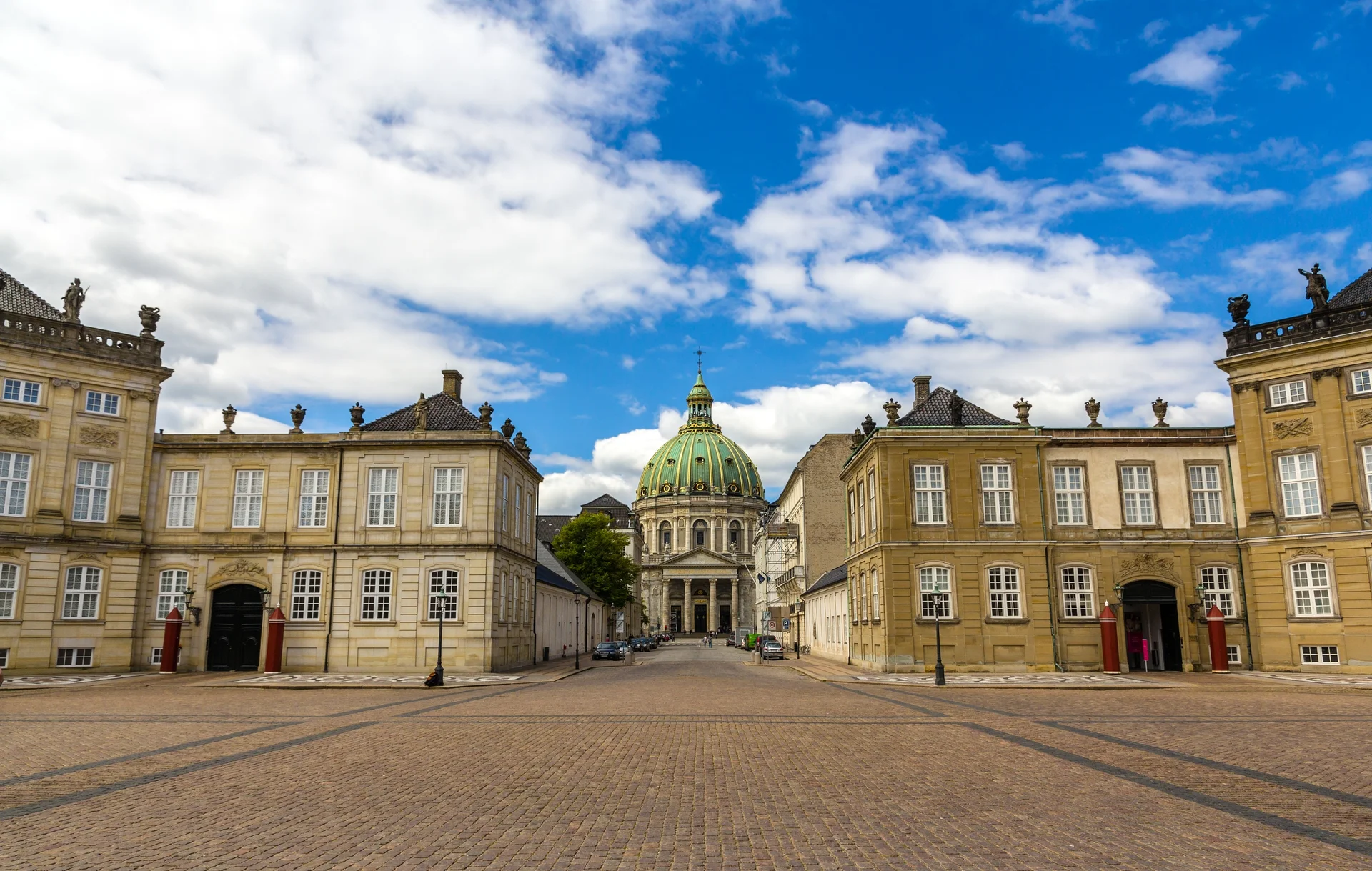
The one-hour boat ($16 per person) leaves from Nyhavn and Gammel Strand and passes under the low bridges of Christianshavn: for two, the early-evening departure, when the light drops on Amalienborg, is worth a fifteen-minute wait. To spend an afternoon on the water, rent a rowboat or a kayak on the Christianshavn canals.
Budget for two
The hotel is the first expense and the restaurant the second: Copenhagen ranks with London and Paris among Europe's priciest capitals, and the krone, pegged to the euro, barely moves, so the exchange rate will not help you. In return, plenty costs nothing: parks, the harbor, palaces seen from outside, the Islands Brygge bath. Here is what three nights for two cost, flights excluded.
| Budget | Comfort | Splurge | |
|---|---|---|---|
| Hotel, per night | $146 | $260 | from $450 |
| Meals, per day for two | $101 | $191 | $360 |
| Sights for the stay | $68 | $135 | $280 |
| Transport and bikes for the stay | $28 | $56 | $135 by taxi |
| Total for three nights | $840 | $1,570 | $2,800 |
A hotel costs 20 to 30 percent less in January, February and November than in June or December, and from Sunday to Thursday than on weekends. At lunch, the same restaurants serve smørrebrød by the piece for half the price of dinner.
Benchmark prices
| Item | Price |
|---|---|
| Coffee, cappuccino | $5.10 to $6.20 |
| Danish pastry, kanelsnegl or wienerbrød | $4.50 to $6.20 |
| 40 cl beer in a bar | $9 to $12 |
| 40 cl beer facing the boats at Nyhavn | $11 to $13 |
| Grilled sausage (pølse) at a stand | $4.50 to $5.60 |
| Smørrebrød, per piece | $11 to $18 |
| Lunch for two (smørrebrød and beer) | $56 to $90 |
| Dinner for two with wine, neighborhood restaurant | $146 to $220 |
| Cocktail | $18 to $23 |
| Tivoli admission | ~$24 / pers. |
What to taste
Danish food is eaten at noon: a smørrebrød (a slice of dark rye bread topped with herring, roast beef, shrimp or egg) with a beer, then a coffee and a pastry. Dinner is simpler and starts early, around 6:30pm, with seasonal produce: fish, pork, farm vegetables, sourdough bread.
At the table
-
Smørrebrød
The lunch dish, on dark rye: curried herring, roast beef with remoulade, shrimp with mayonnaise. At Told & Snaps and Schønnemann it is ordered by the piece and shared.
-
Frikadeller and flæskesteg
Pan-fried pork meatballs with red cabbage and potatoes, or roast pork with crackling: Sunday grandmother cooking, served in neighborhood restaurants.
-
Fish and seafood
Herring, salmon, plaice and shrimp from the North Sea and the Baltic, served fresh in the good restaurants of Vesterbro; the menu follows the day's catch.
-
Danish pastries
The wienerbrød (literally “Viennese bread,” the Danish name for the pastry), the cinnamon kanelsnegl and the poppy-seed tebirkes, at bakeries from 7am; La Glace, the city's oldest pastry shop (1870), has served its house cake, the Sportskagen, since 1891.
-
Æbleskiver and gløgg
In December: æbleskiver, round pancake balls with powdered sugar and jam, dunked into a glass of gløgg, spiced mulled wine, on a bench in Tivoli.
-
Pølse
The street-stand sausage in a small bun with remoulade, fried onions and pickles: at $4.50, it is the cheapest meal in town.
In the glass
-
Craft beer
Copenhagen is a brewery-beer capital: Mikkeller, born in Copenhagen, opened its first bar in Vesterbro; beer bars also pour by the 20 cl glass.
-
Akvavit
The caraway spirit that goes with herring at lunch, poured in small glasses: say skål and look your companion in the eye.
-
Filter coffee
Coffee is strong, lightly roasted and served as filter: Coffee Collective at Torvehallerne is where to try it.
-
Natural wine
Natural wine bars have multiplied in Vesterbro and Nørrebro: a glass and a cheese board make an evening.
Customs and rules to know
Danes are reserved and polite, use first names with everyone and speak flawless English; they expect neither Danish nor long conversations, but three gestures land well: a tak (thank you) on the way out, a skål when raising a glass, and the bike lane left to the bikes.
| Rule | What awaits you |
|---|---|
| Walking or stopping in the bike lane | A bell, sometimes a few words |
| Cycling without lights at night | A police fine, very common in winter |
| Photographing Pusher Street in Christiania | Forbidden by the residents; you will be asked to delete the photo |
| Buying cannabis on the street in Christiania | Sale remains illegal: the police step in |
| Crossing on a red light, even on an empty street | Danes wait for green; a fine is possible |
| Leaving a bike badly locked | It disappears overnight |
- Dinner is early: kitchens open around 5:30pm and close around 9:30pm; a table at 8:30pm on Saturday is booked a week ahead.
- At the bakery, take a numbered ticket from the dispenser and wait for your number: do not step ahead.
- In winter, terraces stay open, with blankets on the chairs: sit down, no need to ask.
- A beer on the quay or in a park is allowed in most of the center, but not in Christiania's parks, and not carried into a café.
- Smoking is banned in all enclosed venues, and hotel rooms are non-smoking.
- Shops close around 6pm on weekdays, earlier on Saturday; on Sunday only the center and supermarkets open.
Safety
Copenhagen is one of Europe's safest capitals: a couple can walk at any hour without a second thought. The two risks are bikes, other people's when you walk and your own when you ride, and pickpockets, who work where crowds gather.
- Look both ways before crossing a bike lane, even an empty one: bikes arrive fast and silent, and do not stop for pedestrians.
- Inside pocket and closed bag at the central station, on Strøget, at Nyhavn and in Tivoli: thieves work ticket queues and crowded quays.
- Around the station and on Istedgade, station side, drug users gather in the evening: harmless to a couple walking calmly, but without charm; prefer the streets of Vesterbro further west.
- In Christiania, stay on the busy paths, do not photograph or run in Pusher Street, and buy nothing: police step in, and tensions between gangs have flared there in recent years.
- Lock the bike by frame and wheel: thefts are common, especially around the station and Nørreport, and a stolen rental is billed to you.
- In harbor water, swim only at designated spots and in daylight: the current is stronger than it looks, and boats pass.
Mistakes couples make
In Copenhagen, disappointment comes from an overpriced stop, a statue that is too small or a rainy day with no plan B. Keep some slack: the city gives itself in what you did not plan, a quay, a bench, a café full of candles.
- Having dinner at Nyhavn: the photo is lovely, the menus are expensive and the dishes average; a beer costs $11 facing the boats, a main $34. Have a drink there, dine elsewhere.
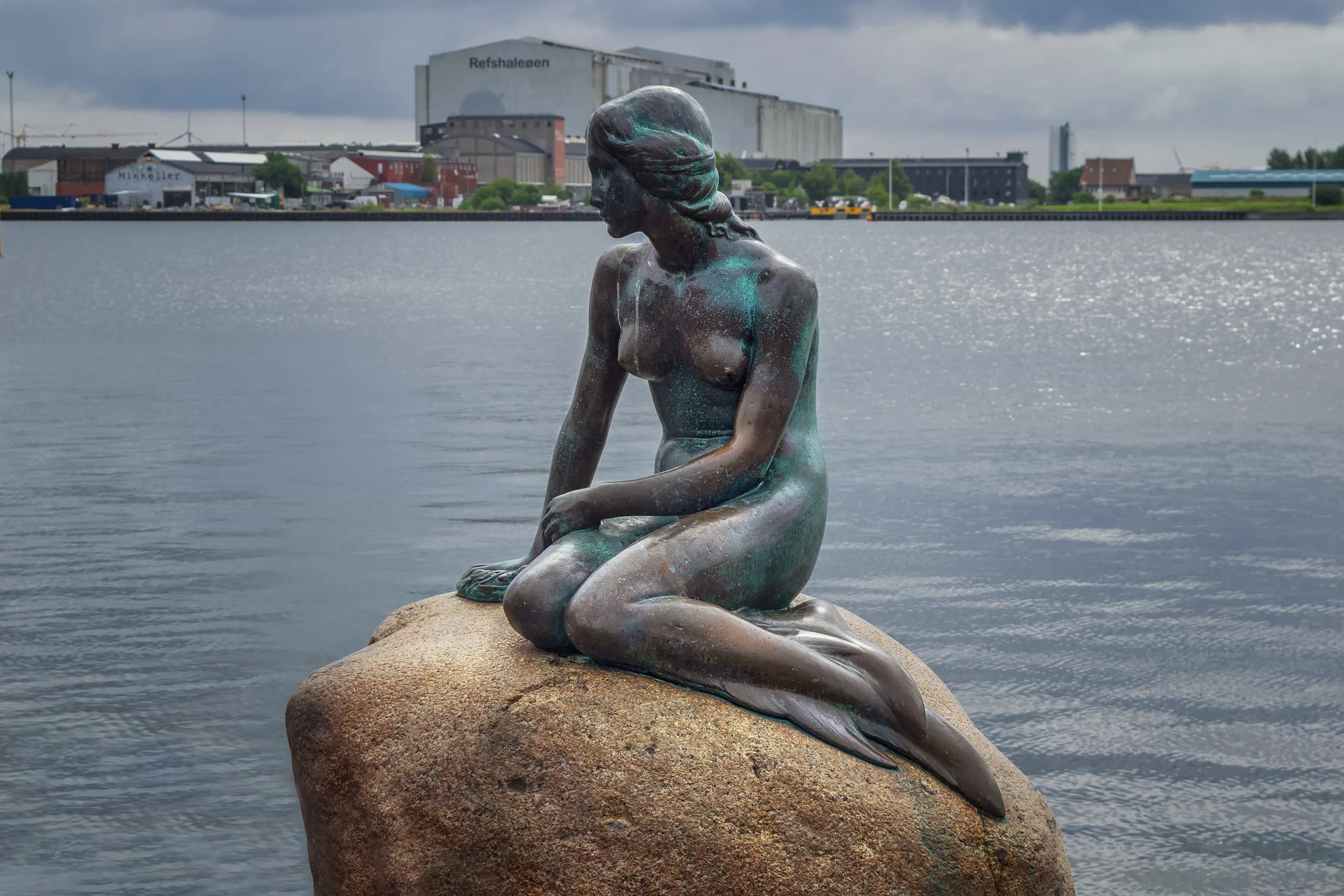
- Expecting a lot from the Little Mermaid: the statue is 4 feet (1.25 m) tall, at the end of a quay, surrounded by tour buses, and that is normal. Do not make a trip of it, pass by on a walk from Kastellet.
- Visiting Tivoli at noon: the garden is made for the night, when the lanterns come on. Arrive around 6pm, dine there, stay for the lights.
- Renting a bike without knowing the rules: stopping in the lane, not signaling by hand, leaving the wheel unlocked. Take a lap in a park first.
- Sleeping near the station to save money: noisy streets at night and a soulless block, when the heart of Vesterbro, ten minutes west, is gentler and livelier.
- Photographing Christiania like a backdrop: people live there, and Pusher Street is no photo spot.
- Carrying only cash: cards are the rule, and an ATM abroad charges fees. One card and a spare are enough.
- Adding Roskilde to the Louisiana and Kronborg day: a third journey that leaves no time to look at anything. Take the northern coast or Roskilde, never both.
Frequently asked questions
Is Copenhagen a good destination for a romantic trip?
Yes, especially from early summer to autumn: the harbor, the Christianshavn canals, the Rosenborg gardens, Tivoli at night and candlelit restaurants are made for two on foot. The only watch-outs are hotel and meal prices, and the wind.
How many days do you need in Copenhagen as a couple?
Three full days cover Nyhavn, Amalienborg, Rosenborg, Christianshavn, Torvehallerne and Tivoli, one district a day. A fourth day lets you visit Louisiana and Kronborg Castle in Helsingør, or the cathedral and Viking ships of Roskilde.
Is the Little Mermaid worth the trip?
It is worth the walk, not the detour: the statue is small, at the water's edge, and photographed in ten minutes. Make it the goal of a stroll from Amalienborg and Kastellet, ideally before 10am or after 5pm, when tour buses have left.
Should we rent bikes in Copenhagen?
Yes, if you are comfortable cycling in a city: everyone does it, and the lanes are wide. Learn the rules first (signal by hand, never stop in the lane, lights at night) and leave the bike at home on windy or rainy days.
Can you pay in cash?
Rarely: many places, buses and cafés accept only cards, and Denmark is one of Europe's least cash-based countries. A Visa or Mastercard is enough; keep a little cash for a market or kiosk, or none.
Can couples visit Christiania?
Yes, by day, on foot and with respect: you will see homes built by their residents, workshops, lakes and cafés. Do not photograph Pusher Street, do not run, buy nothing on the street, and stay on the main paths.