





Andalusia for Couples: What to Know Before You Go (2026)
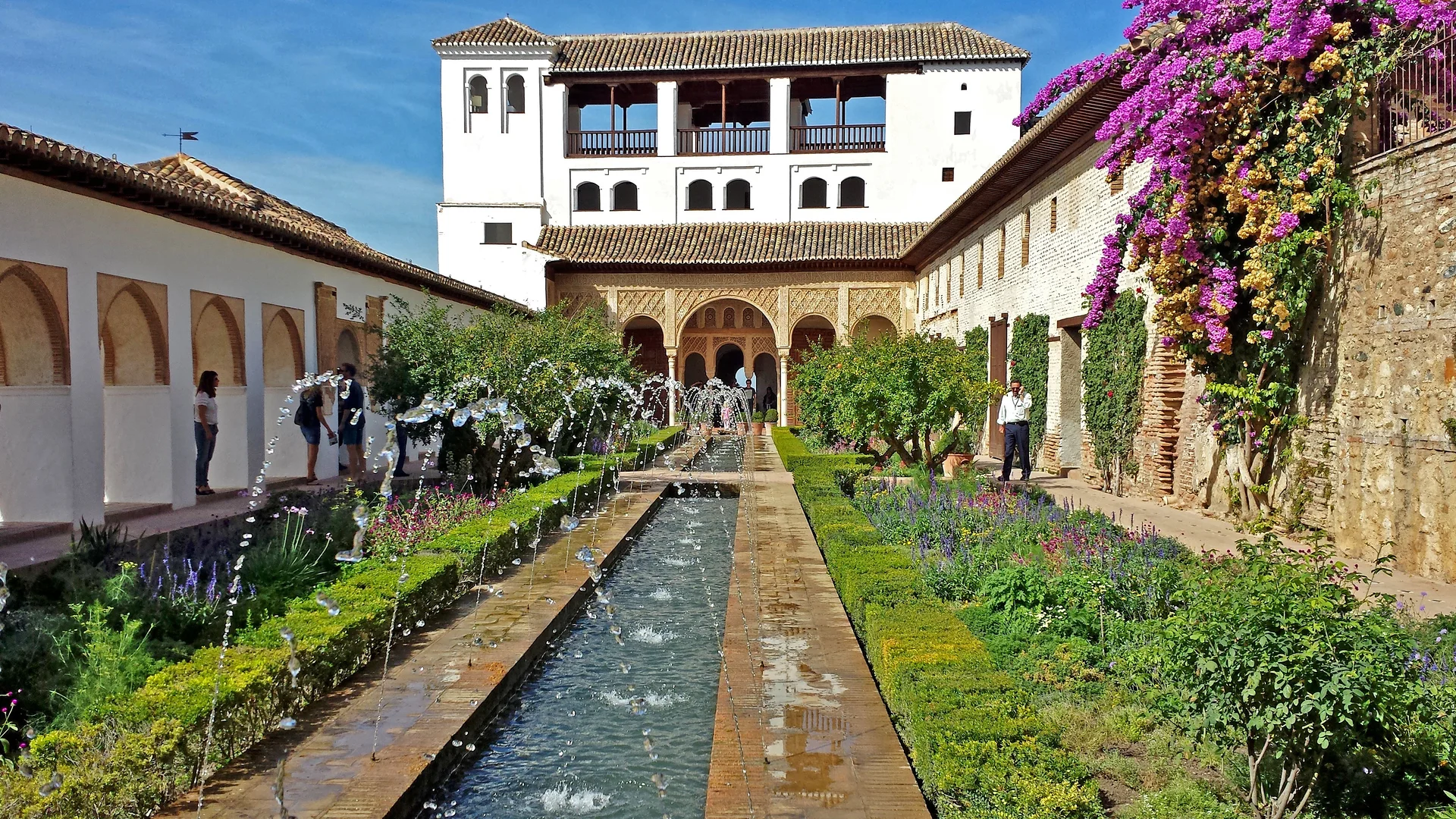
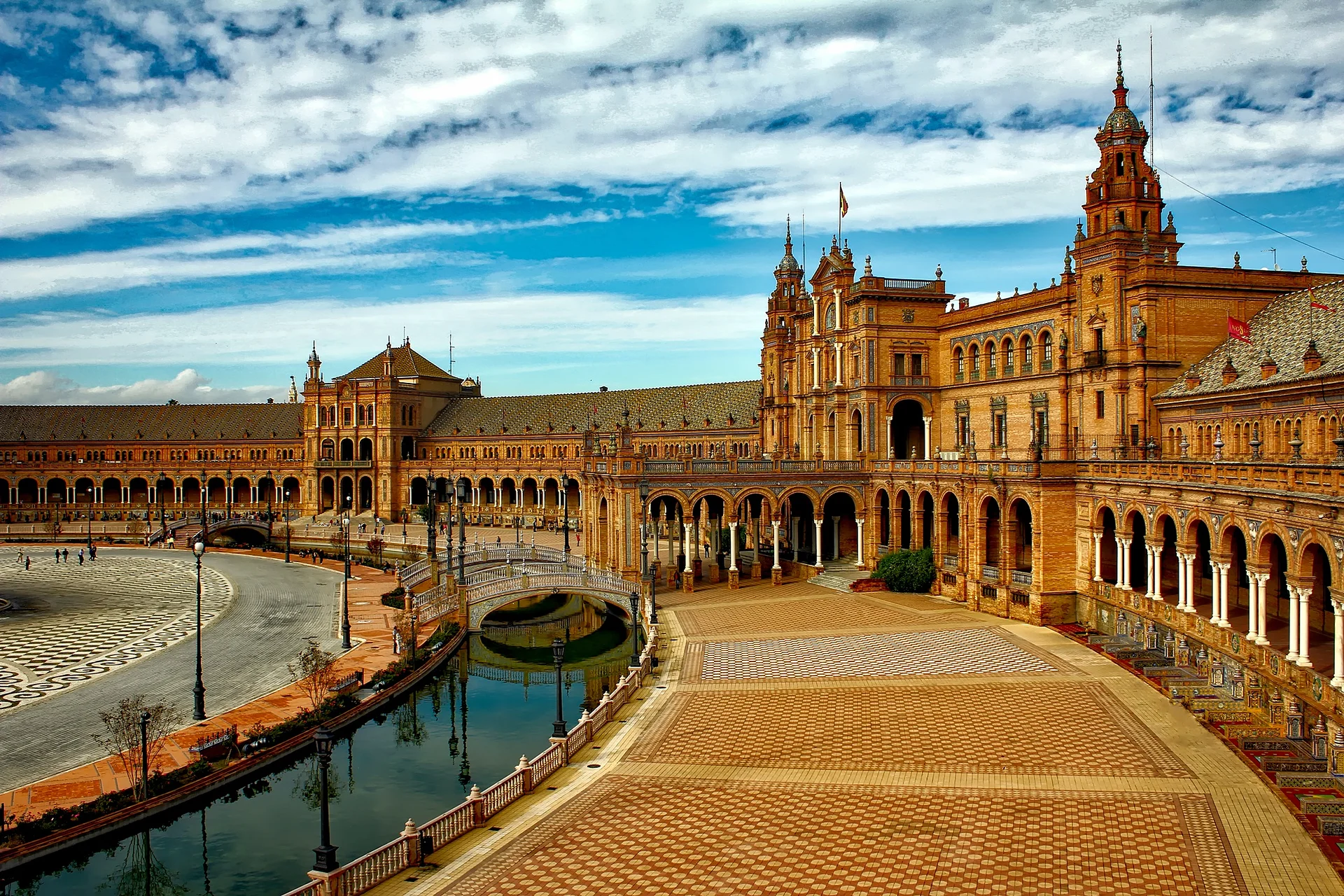
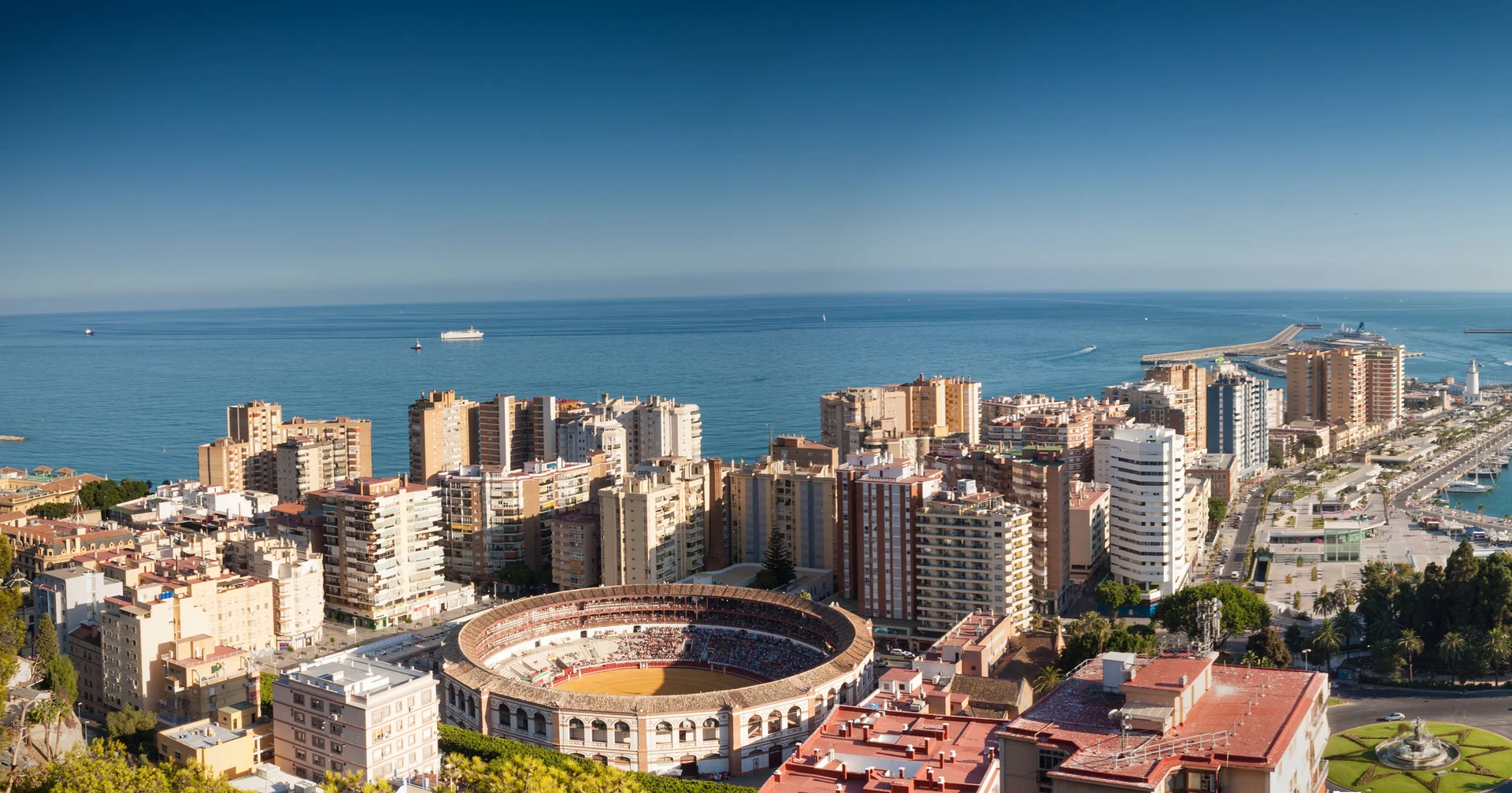
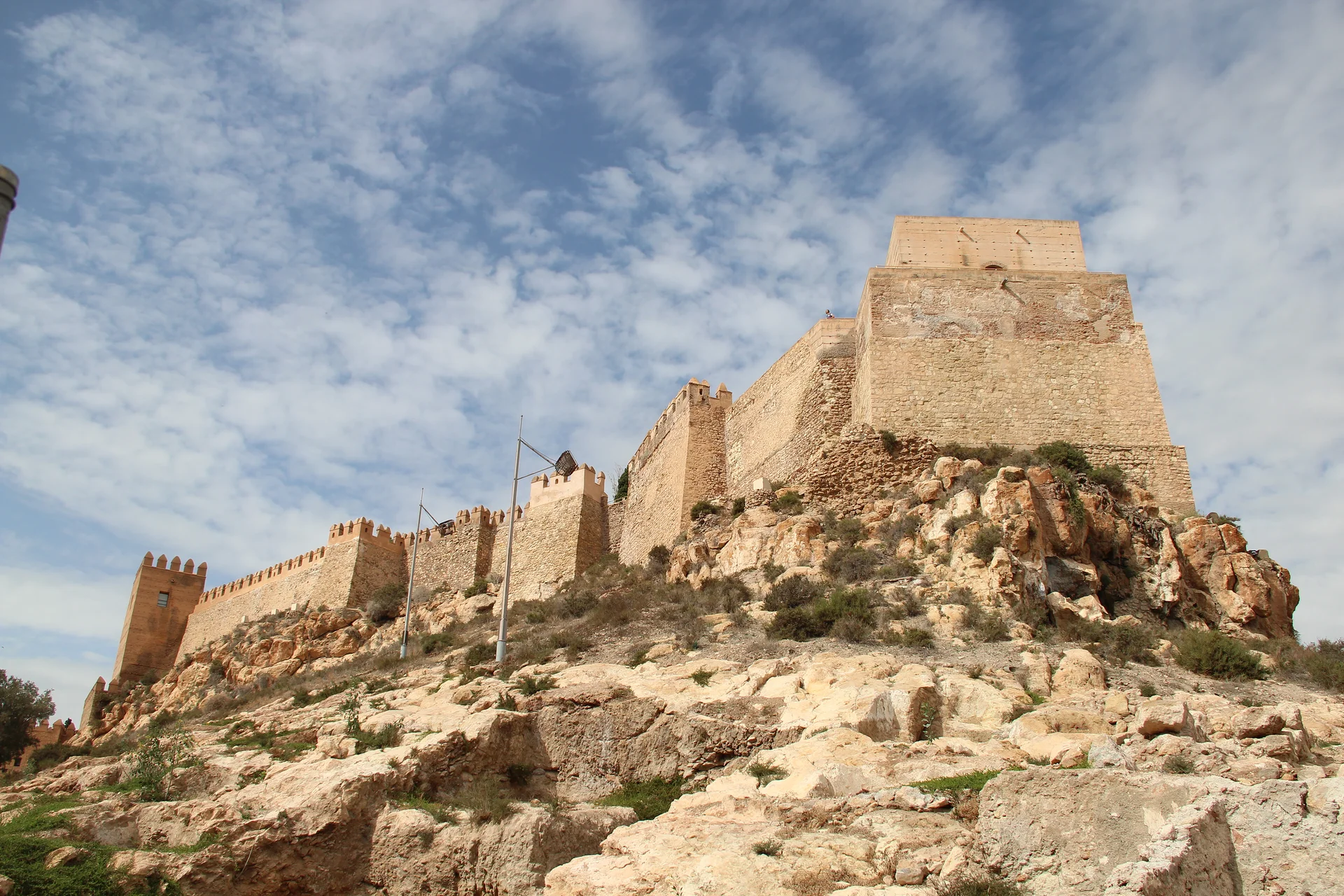
In Andalusia, plan your trip around the distances: Seville, Córdoba and Granada, the three great inland cities, are less than three hours' drive from one another, the Malaga coast is an hour and a half from Granada, and the Cabo de Gata nature park, with its coves and white villages, is four hours from Seville. For a week, keep to the inland cities and one stretch of coast, changing hotels from one city to the next. Book the Alhambra two months ahead, and go in spring or fall: in July and August, Seville and Córdoba pass 104 °F (40 °C) in the afternoon.
At a glance
- When to go
- Go in May or from mid-September to late October: 75 to 86 °F (24 to 30 °C) in the cities, and the sea still warm in the fall. In July and August, sightsee before noon and after 8pm, or stay on the coast.
- How many days
- Plan eight days for Seville, Córdoba, Granada, Ronda and Malaga; four days are enough for Seville and Córdoba by train. Add two days for Cádiz and the Atlantic coast, or three for Cabo de Gata.
- Where to base yourselves
- Stay in Seville for a first trip, then in Granada for the Alhambra. Change hotels rather than driving back and forth: Seville and Granada are almost three hours apart by road.
- Budget for two
- Count on about $2,420 for a comfortable week, hotels, meals, car and sights included, flights not included; about $1,430 on a tighter budget, with tapas in the evening.
- The moment for two
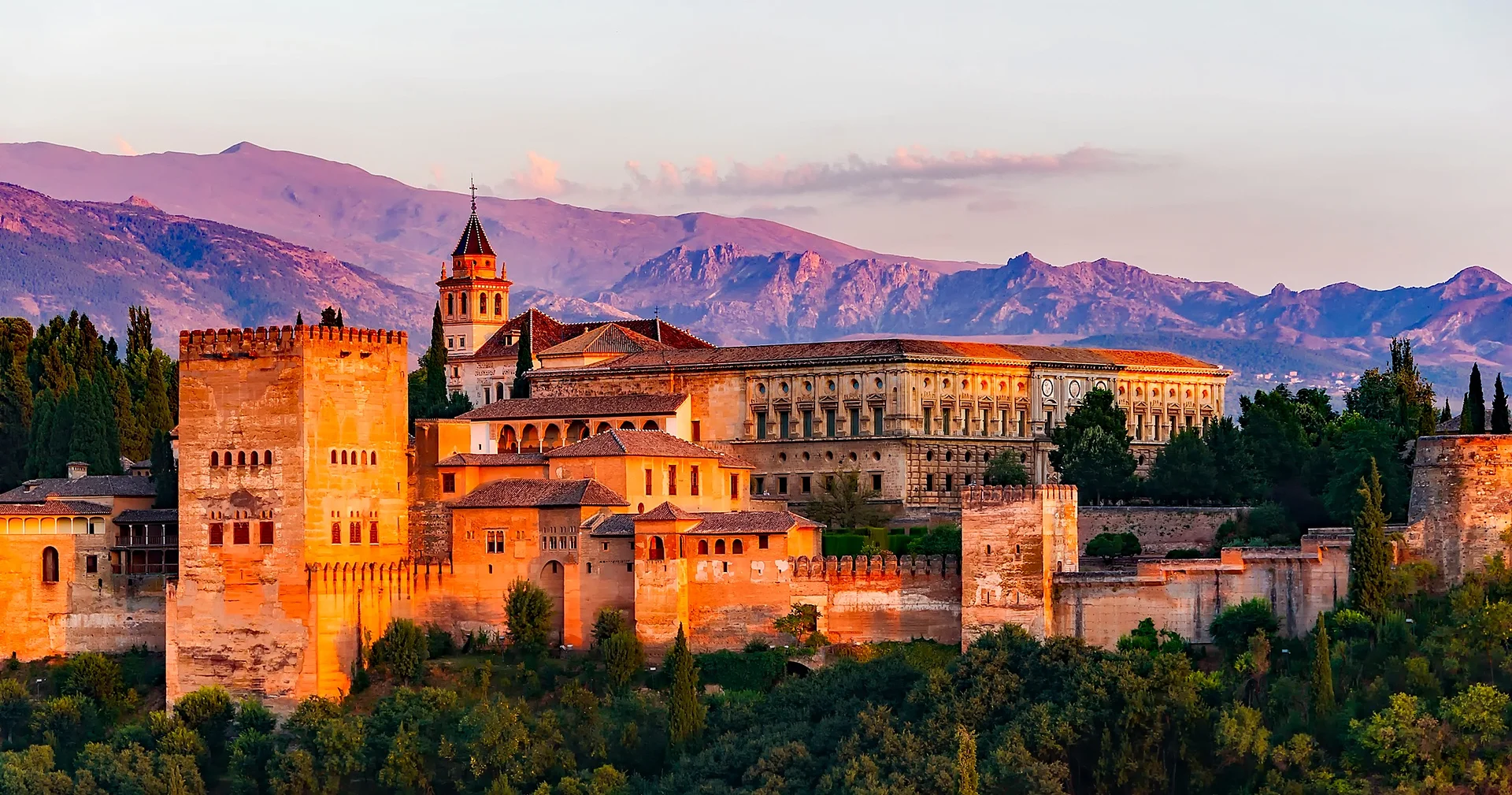
- Climb to the Mirador de San Nicolás, in Granada's Albaicín quarter, an hour before sunset: across the valley, the Alhambra turns red in the evening light, with the Sierra Nevada behind it.
- To book
- Book the Alhambra two months ahead, the Alcázar of Seville two to four weeks ahead, and Seville's hotels as early as winter if you travel during Holy Week or the April Fair.
Why Andalusia as a couple
Andalusia is the southernmost region of Spain, facing Morocco. The Moors, who came from North Africa, ruled it for nearly eight centuries, until the fall of Granada in 1492, and you will visit their palaces and mosques in three cities: the Alcázar of Seville, the Mosque-Cathedral of Córdoba and the Alhambra of Granada.
Between these cities, the roads cross hills of olive trees and pass hilltop white villages and Ronda, a town split in two by a gorge. To the south, the Mediterranean runs along the coast of Malaga and Nerja, then the volcanic coves of Cabo de Gata; to the west, the Atlantic washes Cádiz. In the evening, bars serve tapas until midnight, and you can hear flamenco in small venues, a few feet from the performers.
When to go
| Period | Weather | Crowds | Our view |
|---|---|---|---|
| March, April | 64 to 77 °F (18 to 25 °C), a few showers | Very heavy in Seville during Holy Week and the Fair | Orange trees in blossom; outside the festivals, pleasant cities and fair prices |
| May | 75 to 84 °F (24 to 29 °C), sea at 64 °F (18 °C) | Heavy, especially on weekends | Our favorite month: Córdoba's flowered patios, Seville's jacarandas, whole days outdoors |
| June | 86 to 95 °F (30 to 35 °C) inland, 82 °F (28 °C) on the coast | Moderate | Sightsee in the morning and evening; the sea warms up enough for swimming |
| July, August | 97 to 108 °F (36 to 42 °C) in Seville and Córdoba, 86 °F (30 °C) on the coast | Light in the cities, very heavy on the beaches | Inland cities are scorching in the afternoon; the coast is full and expensive |
| September, October | 77 to 88 °F (25 to 31 °C), sea at 72 °F (22 °C) | Moderate | Summer without its worst heat, the sea still warm, the cities without April's groups |
| November to February | 55 to 64 °F (13 to 18 °C) by day, cool at night | Light | Frequent sunshine, the Alhambra and the Mosque-Cathedral without crowds; too cold to swim |
During Holy Week, before Easter, the brotherhoods, religious associations of each parish, carry huge statues through the streets of Seville, Malaga and Granada, and hotels double or triple their rates. Two weeks after Easter, Seville's April Fair lasts a week, in tents that are mostly private. In Córdoba, during the first half of May, residents open their flowered patios to the public: this is the Patio Festival.
When to go: the climate in Seville
The best months: March, April, May, September, October.
- Jan 16° 5° 6 rainy days
- Feb 18° 6° 5 rainy days
- Mar 21° 8° 4 rainy days best month
- Apr 24° 10° 5 rainy days best month
- May 28° 13° 3 rainy days best month
- Jun 33° 17° 1 rainy day
- Jul 37° 20° 0 rainy days
- Aug 36° 20° 0 rainy days
- Sep 32° 18° 2 rainy days best month
- Oct 26° 14° 5 rainy days best month
- Nov 20° 9° 6 rainy days
- Dec 17° 6° 7 rainy days
Monthly averages, in degrees Celsius.
Paperwork: passport, visa, health
| Documents | Visa | Health | |
|---|---|---|---|
| United States, Canada | Passport valid at least 3 months after you leave the Schengen area, issued within the last 10 years | None for stays up to 90 days | Travel insurance with medical cover |
| United Kingdom | Passport valid at least 3 months after you leave the Schengen area, issued within the last 10 years | None for stays up to 90 days in any 180 | Your free GHIC covers state healthcare; travel insurance for the rest |
| Ireland | Valid passport or passport card | None | Free EHIC for public healthcare |
Entering the Schengen area from the US, Canada or the UK
On your first entry into the Schengen area, border police record your fingerprints and a photo (the EES system): allow extra time at passport control, in Madrid, Lisbon or Paris if you connect there. Also check before you leave whether the ETIAS travel authorization is required on your dates: you apply for it online on the European Union's website.
Getting there
By plane: Malaga or Seville
| From | Flight time | Good to know |
|---|---|---|
| New York, Boston, Chicago | 10 to 13 hours | Usually one stop in Madrid, Lisbon or London; a few summer nonstops to Malaga from the New York area |
| Los Angeles, San Francisco | 14 to 18 hours | One stop, usually in Madrid or London |
| Toronto, Montreal | 9 to 12 hours | One stop, usually in Madrid, Lisbon, London or Paris |
| London | ~2h45 | Nonstops year-round to Malaga and Seville |
| Manchester, Birmingham, Edinburgh, Glasgow | 2h45 to 3h15 | Nonstops to Malaga; to Seville, often with one stop |
| Dublin | ~3h | Nonstops to Malaga, and to Seville |
Malaga Airport (AGP) has the most flights, including the low-cost carriers; Seville Airport (SVQ) has fewer, but it saves you 2h30 of driving if you start with Seville. For a trip from west to east, fly into Seville and out of Malaga, on two one-way tickets. The airports of Granada (GRX) and Almería (LEI), the latter forty minutes from Cabo de Gata, mostly have flights to Madrid and Barcelona.
By train, from Madrid
If you land in Madrid, you do not need a second flight: high-speed trains reach Córdoba in 1h45, Seville and Malaga in 2h30 to 2h45, and Granada in just over three hours. Book them a month ahead for the best fares.
Practical things to know before you leave
Phone
US and Canadian plans charge high roaming rates, and most UK plans now charge for Europe too: turn on your carrier's travel pass or install a European eSIM before you leave. With an Irish plan, calls and data work as at home, Spain being in the European Union.
Outlets
Spanish outlets run at 230 volts and take European plugs with two round pins (types C and F). American, Canadian, British and Irish plugs do not fit: bring an adapter. North American appliances must accept 230 volts, which almost all phone and laptop chargers do, but rarely hair dryers.
Money, opening hours and tipping
- You pay in euros; cards work everywhere, even for a coffee at the counter, but keep a few coins for the small tapas bars in the villages. At ATMs and card terminals, decline the conversion into dollars or pounds and let your own bank convert.
- Andalusians have lunch around 2:30pm and dinner from 9pm: before then, many kitchens are closed, except on the busiest streets.
- Tipping is not expected; leave a few coins at the bar, or round up the bill at a restaurant if you liked the service.
Language and water
Outside hotels and the major sights, little English is spoken: a few words of Spanish help, buenos días (good morning), gracias (thank you), la cuenta, por favor (the check, please). Tap water is safe to drink; in Seville and Córdoba in summer, carry a bottle with you.
What to book, and how far ahead
For Andalusia's major sights, you buy a ticket with a fixed entry time, and Alhambra tickets sell out weeks ahead in spring and fall. Buy your tickets as soon as your dates are set, then book the hotels.
| What | Price | Book | Good to know |
|---|---|---|---|
| Alhambra, Granada | ~$22 / pers. | 2 months ahead | A fixed slot for the Nasrid Palaces; the ticket is in your name, bring ID |
| Alcázar, Seville | ~$17 / pers. | 2 to 4 weeks ahead | The morning slots go first |
| Mosque-Cathedral, Córdoba | ~$17 / pers. | A few days ahead | Closed to visitors during morning Mass |
| Cathedral and Giralda, Seville | ~$15 / pers. | The day before | A time slot, a shorter line online than at the ticket office |
| Caminito del Rey, near Malaga | ~$11 / pers. | 1 to 2 months ahead | A path of walkways hanging above a gorge, 1h from Malaga |
| Flamenco show | $22 to $44 / pers. | The day before | Two or three shows a night in the small venues |
From the airport to your hotel
© OpenStreetMap contributors
The airports and the bases they serve
- Seville Airport (SVQ)
- Malaga Airport (AGP)
- Granada Airport (GRX)
- Almería Airport (LEI)
- 1Seville
- 2Córdoba
- 3Malaga
- 4Ronda
- 5Nerja
- 6Granada
- 7San José
| Destination | Transport | Time | Typical fare |
|---|---|---|---|
| Seville | EA bus to the center | ~35 min. | ~$4.40 / pers. |
| Seville | Taxi, fixed fare | ~20 min. | $28 to $33 / taxi |
| Córdoba | Rental car, on the A-4 highway | ~1h30 | $33 to $55 / day |
| Destination | Transport | Time | Typical fare |
|---|---|---|---|
| Malaga | C1 commuter train to the center | ~12 min. | ~$2.20 / pers. |
| Malaga | Taxi | ~15 min. | $28 to $33 / taxi |
| Ronda | Rental car | ~1h30 | $33 to $55 / day |
| Nerja | Rental car, on the A-7 highway | ~55 min. | $33 to $55 / day |
| Granada | Rental car | ~1h30 | $33 to $55 / day |
| Destination | Transport | Time | Typical fare |
|---|---|---|---|
| Granada | Bus to the center | ~45 min. | ~$3.30 / pers. |
| Granada | Taxi | ~20 min. | $33 to $39 / taxi |
| Destination | Transport | Time | Typical fare |
|---|---|---|---|
| San José | Rental car, through Cabo de Gata | ~40 min. | $33 to $55 / day |
What works best
In the cities, you will not need a car: take the bus or the train to the center, and rent the car on the day you leave town, at the station or the airport. For Ronda, Nerja and Cabo de Gata, pick it up at the airport: buses there are infrequent.
Getting around
By train, between the big cities
High-speed trains link Seville to Córdoba in 45 minutes, Córdoba to Malaga in an hour, and Córdoba to Granada in about 1h30. For a trip limited to the cities, the train is enough, and it spares you the parking. Regional trains serve Ronda, and ALSA buses serve Nerja, but slowly.
By car, for the villages and the coast
The inland highways are toll-free: the A-4 between Seville and Córdoba, the A-92 between Seville, Antequera and Granada, the A-45 toward Malaga. Only the AP-7, along the Costa del Sol west of Malaga, and the AP-46, north of Malaga, charge tolls, and a free road runs alongside each. Allow 1h40 from Seville to Córdoba, 2h50 from Seville to Granada, 1h30 from Granada to Malaga and 2h from Granada to Cabo de Gata. In Spain, you drive on the right; if you drive on the left at home, get used to it on the highway before you tackle the narrow streets of the old towns.
Old town centers, closed to cars
Seville, Córdoba, Granada and Malaga close their historic centers to cars without a permit, with cameras at the entrances: the fine goes to the rental company, which charges it back to you with a fee. Do not follow the GPS to the hotel door: when you book, ask the hotel which parking garage to use, or whether it can register your license plate.
Budget for two
Andalusia is one of the regions of Western Europe where you will eat best for the least money, especially in the evening, on tapas. The hotel is the expense that varies most: the same room in Seville costs two to three times as much during Holy Week, and half as much in January.
| Smart | Comfort | Treat | |
|---|---|---|---|
| Hotel, per night | $77 to $110 (a simple hotel or a guesthouse in the center) | $143 to $220 (a boutique hotel in a house with a patio) | from $330 (a palace in Seville, a parador, a state-run hotel in a historic building) |
| Meals, per day for two | $55 (tapas at lunch and dinner) | $99 (a sit-down lunch, a tapas dinner) | $198 (a chef's restaurant, a dinner facing the Alhambra) |
| Car, per day | $33 plus fuel | $50 plus fuel and parking | $77 for an automatic |
| Sights and shows | $88 | $165 with a flamenco show | $330 with guided tours |
| Total, seven days | ~$1,430 | ~$2,420 | from $4,400 |
Useful benchmarks: a tapa $2.20 to $4.40, a glass of wine or a beer $2.20 to $3.30, a tapas dinner for two with wine $33 to $44, a coffee at the counter $1.70, a night of parking in an old center $22 to $28. In Granada and Almería, every drink you order at the bar comes with a free tapa.
Specialties to try
In Andalusia, you will mostly eat tapas, small portions served at the counter or at a high table, which you order several at a time. For a sit-down meal, ask for raciones, the same dishes in portions to share.
At the table
-
Salmorejo and gazpacho
Two cold tomato soups: Córdoba's salmorejo, thick, made with bread and olive oil, topped with ham and hard-boiled egg, and gazpacho, thinner, drunk from a glass in summer.
-
Jamón ibérico
Ham from acorn-fed Iberian pigs, carved by hand into thin slices; the most famous comes from Jabugo, in the Huelva hills. Share a plate between you.
-
Pescaíto frito
Fried small fish, anchovies, squid and cuttlefish, on the Malaga coast and in Cádiz; on Malaga's beaches, also try espetos, sardines grilled on a skewer over a wood fire.
-
Flamenquín and rabo de toro
Two Córdoba dishes: flamenquín, a breaded, fried roll of pork and ham, and rabo de toro, oxtail stewed in red wine.
-
Churros
Fried dough to dip in thick hot chocolate, at breakfast or late at night; in Seville and Granada, also ask for porras, the thicker version.
-
Olive oil
Andalusia produces a large share of the world's olive oil, around Jaén and Córdoba: taste it at breakfast on a tostada, toasted bread with grated tomato.
To drink
Try sherry, the wine of Jerez, near Cádiz: fino, dry and served very cold, with ham and fried fish, and manzanilla, from Sanlúcar de Barrameda. In Malaga, bars serve the region's sweet wine from the barrel. In summer, Andalusians drink tinto de verano, red wine mixed with lemon soda, more often than sangria.
Customs and rules to know
A few simple habits will spare you being turned away at a monument or getting a dark look at the bar.
| Rule | What to expect |
|---|---|
| Entering a church or the Mosque-Cathedral with bare shoulders or very short shorts | Entry sometimes refused; a scarf in your bag is enough |
| Cutting through a Holy Week procession | Frowned upon; wait for a gap between two brotherhoods, shown by the officers |
| Clapping along during a flamenco show | The performers keep the rhythm among themselves; applaud at the end of a piece |
| Walking around in swimwear away from the beach | Banned by local ordinance in several coastal towns, including Malaga |
At the bar, pay at the end: the waiter keeps track of your tapas, sometimes in chalk on the counter. Between 2pm and 5pm, small shops and many churches close; in summer, the streets of Seville and Córdoba empty at those hours, and the people of Seville only come back out at dusk.
Safety
Andalusia's cities are safe for a couple, by day and by night; the trouble comes from pickpockets around the sights, from the car and from the heat.
- Pickpockets, in the lines at Seville Cathedral and the Alhambra, on calle Larios in Malaga and on crowded buses: keep your phone and wallet in a closed pocket.
- Women who offer a sprig of rosemary outside the cathedrals of Seville and Granada, then read your palm and demand money: say no once, without taking the sprig.
- The car parked at lookouts, in beach parking lots and in Cabo de Gata: leave nothing in sight, as a broken window costs you the rental excess.
- The heat, from June to September: sightsee before noon, drink often and wear a cap; at 104 °F (40 °C), a twenty-minute walk in the sun wears you out.
Mistakes to avoid as a couple
Two mistakes spoil most trips to Andalusia: too much driving for too few days, and the wrong season for the inland cities.
- Trying to see everything in a week: Seville, Granada, Cádiz and Cabo de Gata add up to more than ten hours of driving; in a week, keep to the inland cities and one stretch of coast.
- Arriving in Granada without a ticket for the Alhambra: the Nasrid Palaces sell out weeks ahead in spring and fall.
- Staying on the Costa del Sol, between Torremolinos and Marbella, to visit Seville and Granada: you will spend three to five hours on the road for each round trip.
- Sightseeing in Seville and Córdoba between 2pm and 6pm in July and August: do your visits in the morning, and go back out after 8pm.
- Driving into an old center by following the GPS: the cameras send the fine to the rental company, which charges it back with a fee.
Andalusia
Compare hotel prices
Pick your dates and see the offers from the major booking sites side by side.
Compare live offers from Booking, Expedia, Agoda and other partners.
Andalusia: find your hotel
Frequently asked questions
How many days do you need for Andalusia as a couple?
Eight days for Seville, Córdoba, Granada, Ronda and Malaga, changing hotels four times. With four or five days, keep to Seville and Córdoba, or Granada and the Malaga coast. With ten to twelve days, add Cádiz and the Atlantic coast, or Cabo de Gata.
Do you need to rent a car in Andalusia?
Not for the cities: the train links Seville, Córdoba, Malaga and Granada, and their centers are closed to cars. Rent one for Ronda, the white villages, Nerja and Cabo de Gata, ideally on the day you leave a city, so you do not pay to park it.
When is the best time for a couple to visit Andalusia?
May, then mid-September to late October: it is 75 to 86 °F (24 to 30 °C) in the cities, and the sea is warm in the fall. Avoid July and August in Seville and Córdoba, and book early if you travel during Holy Week or the April Fair.
Seville or Granada, which one if you only have three days?
Seville for the Alcázar, the cathedral and evenings in Triana, the flamenco quarter across the river; Granada if you have an Alhambra ticket and like the mountains, the Sierra Nevada being 45 minutes away. With three days, do not try both: they are almost three hours apart by road.
Is Andalusia an expensive destination?
No, especially for food: a tapas dinner for two with wine costs $33 to $44. Count on about $2,420 for a comfortable week, hotels, meals, car and sights included, flights not included. Seville's hotels cost much more during Holy Week and the Fair.