




Where to stay in Mauritius (2026): which coast, which hotel
Check the month of your trip first, then the coast, and only then the hotel. From May to October, the southeast trade wind blows on the east and south: at Belle Mare, the lagoon is choppy and the afternoons cool, while the north, from Grand Baie to Trou aux Biches, and the west, at the foot of Le Morne, stay sheltered and sunny. From November to April, the wind drops and the eastern lagoon is calm again. On the south coast, the reef breaks off in places, and waves pound the cliffs all year.
At a glance
- First trip
- The north, from Grand Baie to Trou aux Biches: sheltered from the wind all year, beaches lined with casuarina trees, the restaurants of Grand Baie, and Port Louis forty minutes away.
- Honeymoon
- The east, at Belle Mare and Poste de Flacq, from November to April: the longest beach on the island, a turquoise lagoon and the resorts most sought after by honeymooners.
- Sunsets
- The west, at Le Morne: the sun sets over the sea in front of the beach, with Le Morne Brabant behind you, and the dry season lasts from May to October.
- Peace and quiet
- The south, at Bel Ombre and Chemin Grenier: a wild coast of sugarcane fields and cliffs, three or four large hotels, and nothing around them at night.
- On a budget
- The southeast, around Mahébourg and Blue Bay: small, affordable beach hotels, the marine park for snorkeling, and the airport fifteen minutes away.
- What to ask for
- The meal plan: far from the villages, you'll eat dinner at the hotel every night, and half board, requested when you book, costs less than dining à la carte.
Mauritius
Compare hotel prices
Pick your dates and see the offers from the major booking sites side by side.
Compare live offers from Booking, Expedia, Agoda and other partners.
Mauritius: find your hotel
One base or several?
Change hotels once at most, to enjoy two lagoons or to follow the wind, never to save an hour's drive.
- One week
- One base: the north all year, the west from May to October, the east from November to April. Explore the rest of the island on day trips, by car or with a driver.
- Ten days
- Two bases: four nights at Le Morne, in the west, for Chamarel and the sunsets, then five at Belle Mare, in the east, for Île aux Cerfs and the lagoon; from June to August, swap the east for the north.
- Two weeks
- Two bases, seven nights each, on opposite coasts, or three if you want to end with two nights near the airport, at Blue Bay, before a morning flight.
How long between two coasts?
Distances are short, but the roads go through villages at 40 km/h (25 mph): allow the times below outside rush hour, and add half an hour if you go through Port Louis between 7 and 9:30 a.m. or between 4 and 6:30 p.m.
| Route | Driving time | Good to know |
|---|---|---|
| Mauritius airport (MRU) to Mahébourg, Blue Bay | 15 min | |
| Mauritius airport (MRU) to Belle Mare | 50 min | |
| Mauritius airport (MRU) to Bel Ombre | 50 min | |
| Mauritius airport (MRU) to Le Morne | 1h15 | |
| Mauritius airport (MRU) to Grand Baie | 1h15 | via the M1 and M2 highways |
| Le Morne to Belle Mare | 1h45 | via the highway, bypassing Port Louis |
| Grand Baie to Belle Mare | 1h | |
| Le Morne to Bel Ombre | 35 min | via the Baie du Cap coast road |
The areas on the map
© OpenStreetMap contributors
The north, from Grand Baie to Trou aux Biches, our pick for a first trip
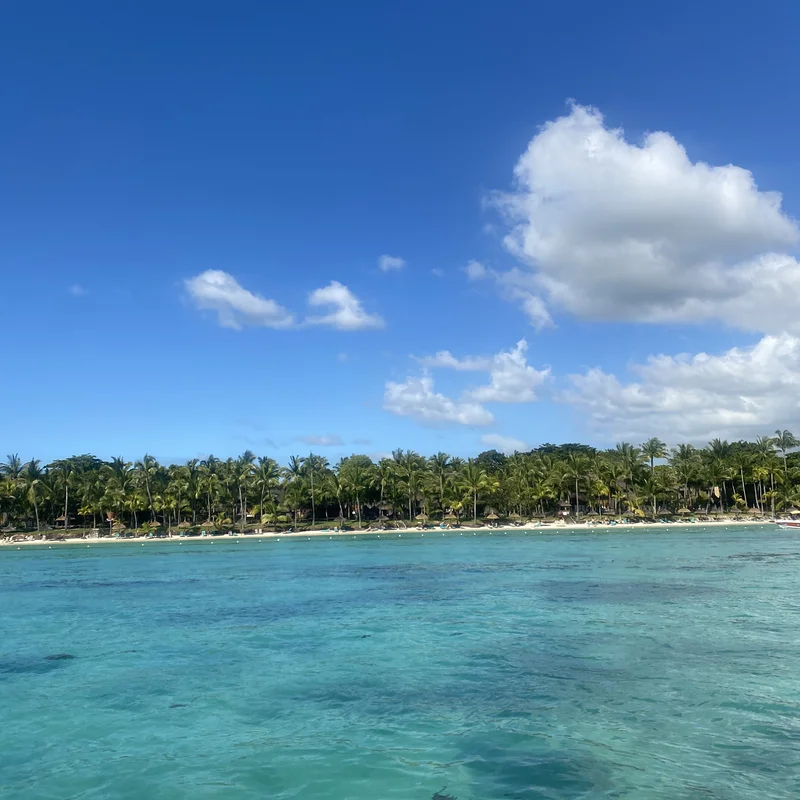
The northwest is the most sheltered coast on the island: from Trou aux Biches to Mont Choisy, the white sand beaches are shaded by casuarinas, trees with fine needles, the lagoon stays shallow and calm almost all year, and the sun sets over the sea.
Grand Baie, ten minutes away, is the liveliest resort town in Mauritius, with its restaurants, bars and shops, and the catamarans that leave for the northern islets.
It's the most practical base for a first trip: Port Louis, the capital, and the Pamplemousses botanical garden are forty minutes away, and Cap Malheureux, the northern tip, with its red-roofed church, a quarter of an hour. Here, you can eat out every evening, which is rare on the other coasts.
Grand Baie is heavily built up, though, congested on weekends, and its public beaches fill up on Sundays. Stay at Trou aux Biches or Pointe aux Canonniers for peace and quiet, and go to Grand Baie for dinner.
- Sheltered from the trade wind all year
- Restaurants and bars ten minutes away
- Port Louis and Pamplemousses forty minutes away
- The most built-up coast on the island
- Public beaches crowded on Sundays
- An hour and a quarter from the airport
Our hotel picks for the north
Available hotels on the map
The east, Belle Mare and Poste de Flacq, the finest beach from November to April
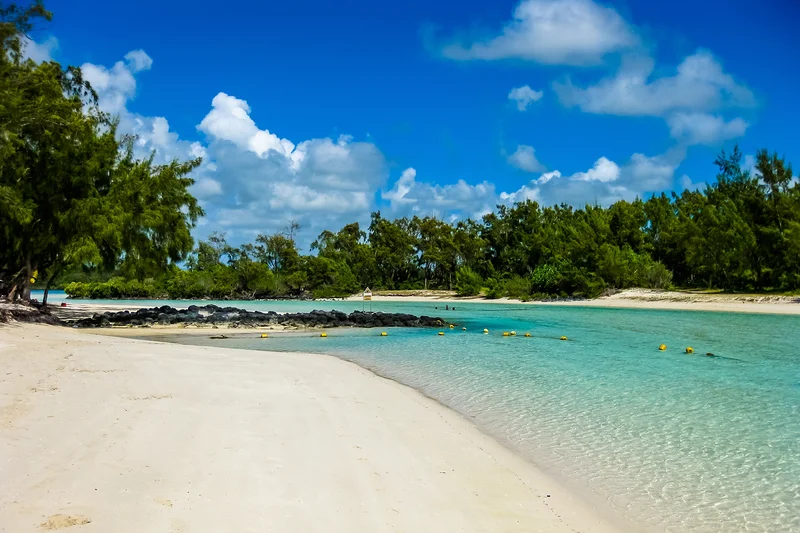
Belle Mare is the longest beach on the island, ten kilometers (six miles) of white sand stretching to Palmar, along a wide turquoise lagoon closed off by the reef. Large resorts line it one after another, with their jetties and gardens, and Île aux Cerfs, a small island with beaches and a golf course, is fifteen minutes by boat from Trou d'Eau Douce, the fishing village south of Belle Mare.
From November to April, the sea is flat and warm, and the breeze cools the nights. From June to August, the trade wind blows almost every day: the lagoon gets choppy, the beach turns cool in the afternoon and water sports are often canceled.
There is almost nothing outside the hotels: a few restaurants in Trou d'Eau Douce and Poste Lafayette, and the first lively village is twenty minutes away. Choose half board, and a car or a driver for your sightseeing days.
- The longest beach on the island, on a wide lagoon
- Île aux Cerfs fifteen minutes away by boat
- The best-known honeymoon resorts
- Windy and cool from June to August
- Almost nothing outside the hotels at night
Our hotel picks for the east
Available hotels on the map
The west, Le Morne and Chamarel, sunsets over the sea
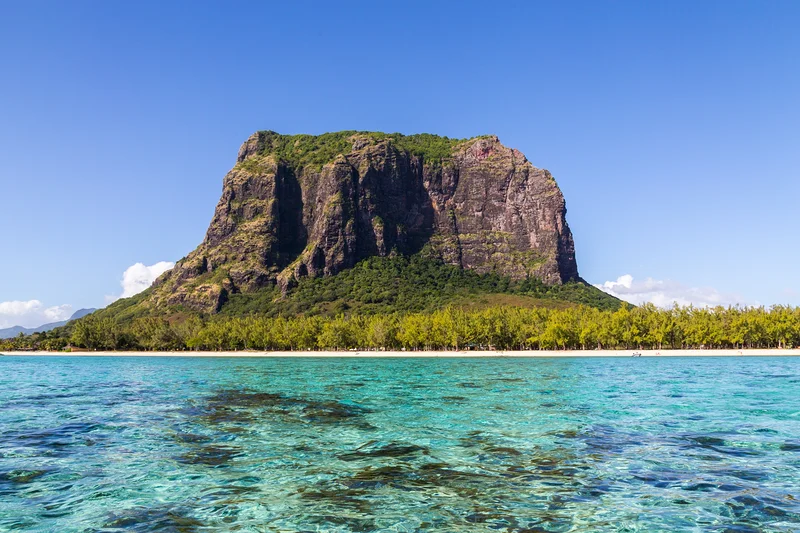
On the Le Morne peninsula, at the southwest tip of the island, rises Le Morne Brabant, a 556-meter (1,824-foot) rock on the edge of the lagoon, a refuge for runaway slaves in the 19th century and a UNESCO World Heritage site; at its foot lies a white sand beach lined with five or six resorts. The sun sets over the sea in front, and the west coast is the driest on the island: it's the best base from May to October.
In the hills, a twenty-five-minute drive away, the village of Chamarel has its waterfall, its rum distillery and its Seven Coloured Earths, dunes of red, ochre and purple soil, and Black River Gorges National Park begins just behind.
In the lagoon, boats leave from the village of La Gaulette for Crystal Rock, a white rock in the middle of the water, and Île aux Bénitiers. From May to October, when the trade wind blows, kitesurfers come from all over the world to the Le Morne spot.
The hotels are away from everything: the first village is La Gaulette, ten minutes away, and Port Louis is an hour's drive. For a quiet stay in the forest, sleep in Chamarel instead, but the sea will be a twenty-five-minute drive away.
- Sunset over the sea, in front of the beach
- The driest coast, from May to October
- Chamarel and the gorges twenty-five minutes away
- Far from everything: an hour and a quarter from the airport
- Few restaurants outside the hotels
- A windy beach on trade-wind afternoons
Our hotel picks for the west
Available hotels on the map
The south, Bel Ombre and Chemin Grenier, the wild coast
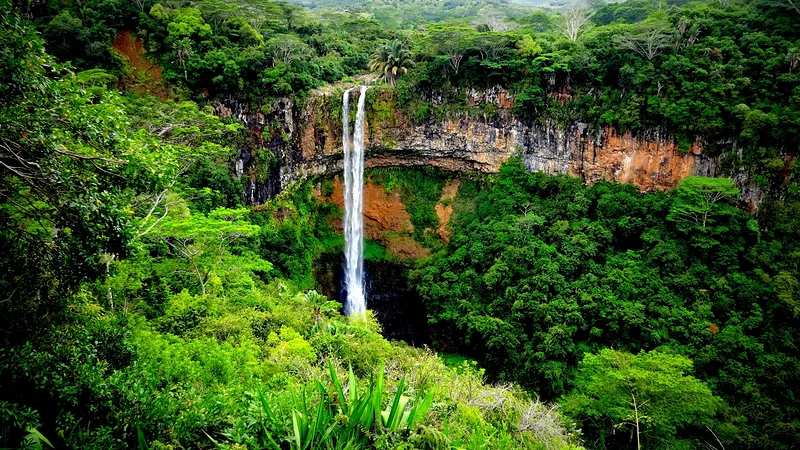
Between Bel Ombre and Chemin Grenier, the south is the least built-up coast on the island: sugarcane fields, once the land of a sugar estate, run down to the sea, and three or four large hotels line a narrow lagoon. Farther east, at Gris-Gris, near the town of Souillac, the reef breaks off and ocean waves pound the cliff.
The hotels have their own spa and golf course, the nature reserve of the Bel Ombre estate, the former sugar property, offers guided hikes, and Chamarel is twenty minutes away by the mountain road. The trade wind blows here from June to August, as it does in the east; from September to May, it's the quietest coast in Mauritius.
There's no lively village and no restaurant open at night outside the hotels: rent a car for your sightseeing days.
- The least built-up coast on the island
- Hotels with a spa and a golf course
- Chamarel twenty minutes away, the airport fifty
- Nothing around the hotels at night
- A narrow lagoon, windy from June to August
Our hotel picks for the south
Available hotels on the map
The southeast, Mahébourg and Blue Bay, a marine park near the airport
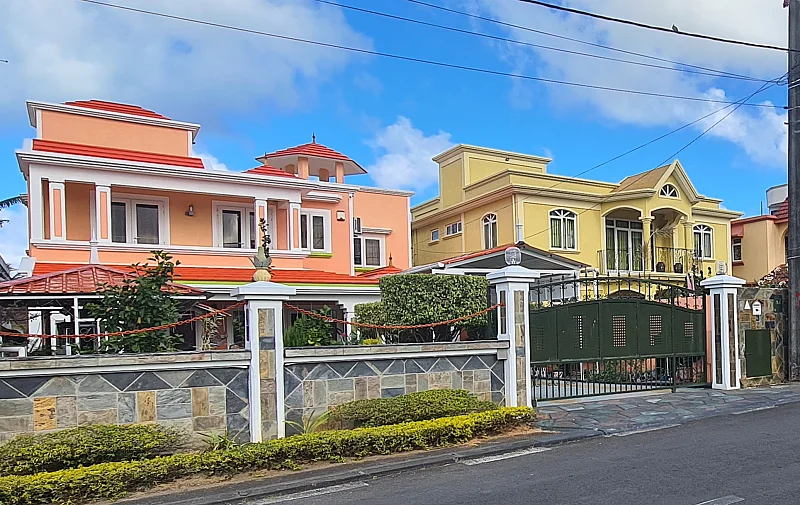
Mahébourg is an old fishing town at the head of a large bay, with its waterfront, its Monday market and its fish curry restaurants. To the south, Blue Bay is a protected marine park with a clear lagoon and coral just off the beach, and you can visit Île aux Aigrettes, a nature reserve on an islet in the lagoon, with a guide.
It's the base for your first or last night, with the airport fifteen minutes away, and for a couple who wants to spend less: hotels are smaller and cheaper than in the east or the west. The trade wind blows from May to October, and in some hotels, you'll hear the planes from the airport.
- Snorkeling in the Blue Bay marine park
- Mahébourg, its market and its village restaurants
- The airport fifteen minutes away
- Windy from May to October
- Planes audible in some places
Our hotel picks for the southeast
Available hotels on the map
Places to avoid for a stay as a couple
Flic en Flac, on the west coast, is a long beach lined with apartment blocks, vacation rentals and bars, very busy with Mauritians on weekends: convenient and cheap, but without the peace a couple comes for, and far from the finest lagoons.
- A hotel on the east coast in July or August, if you want to swim every day in a calm sea
- A rental in the heart of Grand Baie, between the bars and the congested road
- A hotel on the south coast with no lagoon, as at Souillac or Gris-Gris, where swimming is dangerous
- A room without half board in an isolated resort, twenty minutes from the nearest restaurant
Frequently asked questions
Which coast of Mauritius is best for a honeymoon?
It depends on the season. From November to April, the east, at Belle Mare: the finest beach and the calmest lagoon. From May to October, the west, at Le Morne, for sunshine and sunsets over the sea, or the north, sheltered from the wind. The north works all year.
Should you change hotels during a stay in Mauritius?
For a week, no: one hotel, on the right coast for the season, and day trips by car. For ten days or more, two hotels on two coasts are worth it, the west then the east, or the west then the north in the southern winter.
Where should you stay in Mauritius in July and August?
In the north, from Grand Baie to Trou aux Biches, or in the west, at Le Morne: these two coasts are sheltered from the trade wind that then blows on the east and south. The sea is at 23 °C (73 °F) and the evenings are cool: pack a sweater.
Is half board worth it in Mauritius?
Yes in the east, at Le Morne and in the south, where hotels are far from the villages: you'll eat dinner at the hotel almost every night, and half board costs less than à la carte. In the north, near Grand Baie, take breakfast only and eat out.
Where should you stay on the last night before a morning flight?
In the southeast, at Blue Bay or Pointe d'Esny, fifteen minutes from the airport. From the north or the west, allow an hour and a quarter, more with traffic.