




Mauritius for couples: things to know before you go (2026)
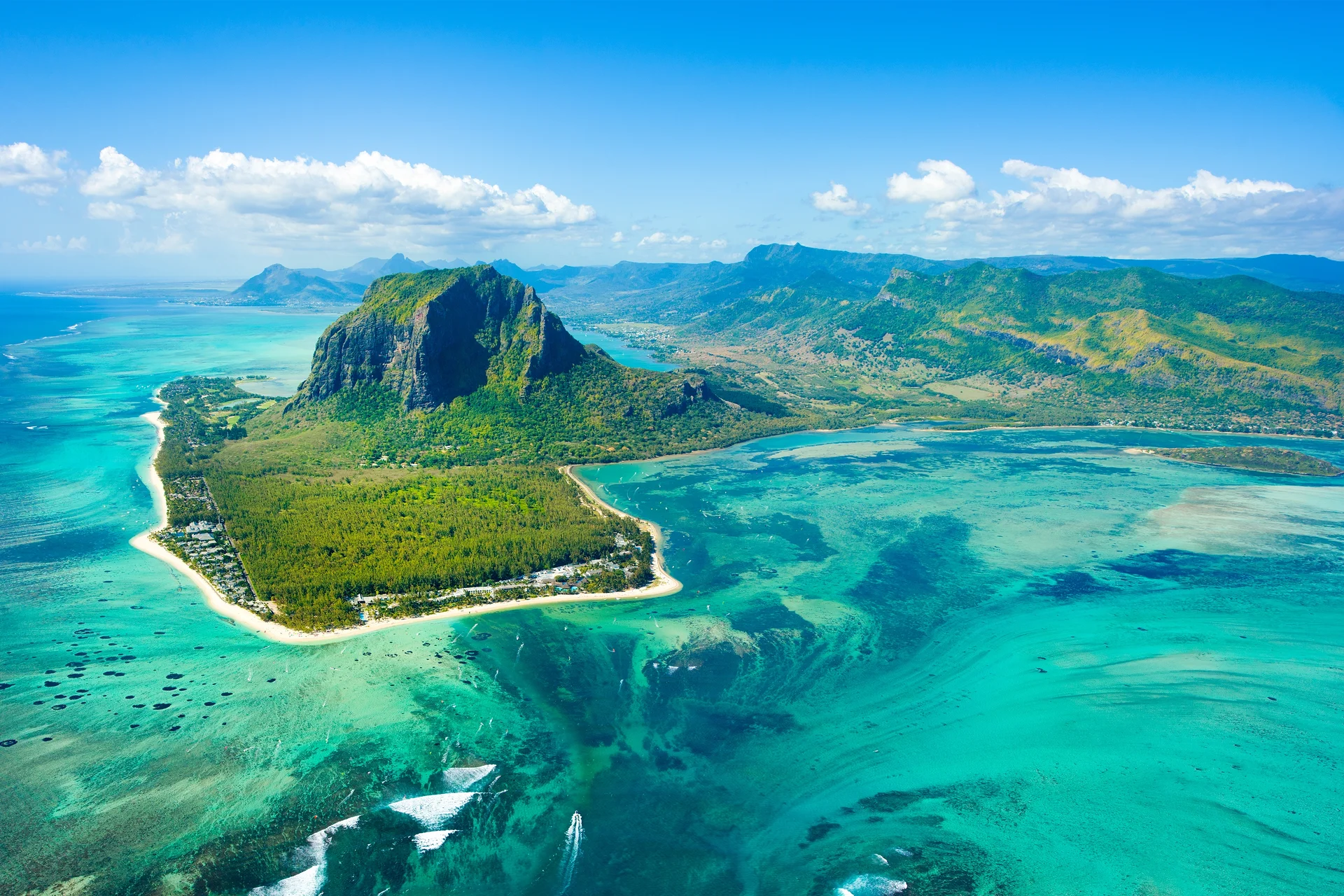
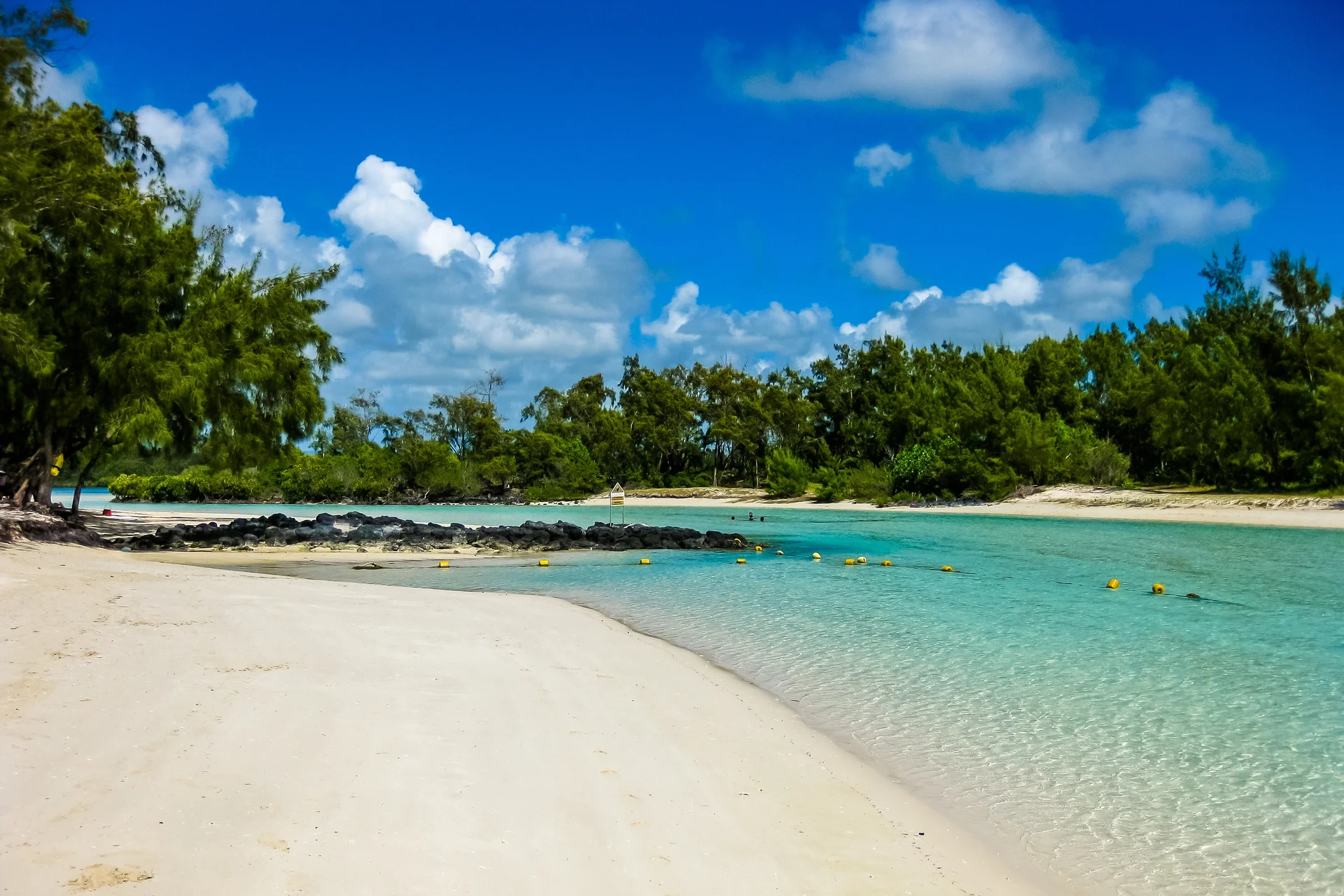
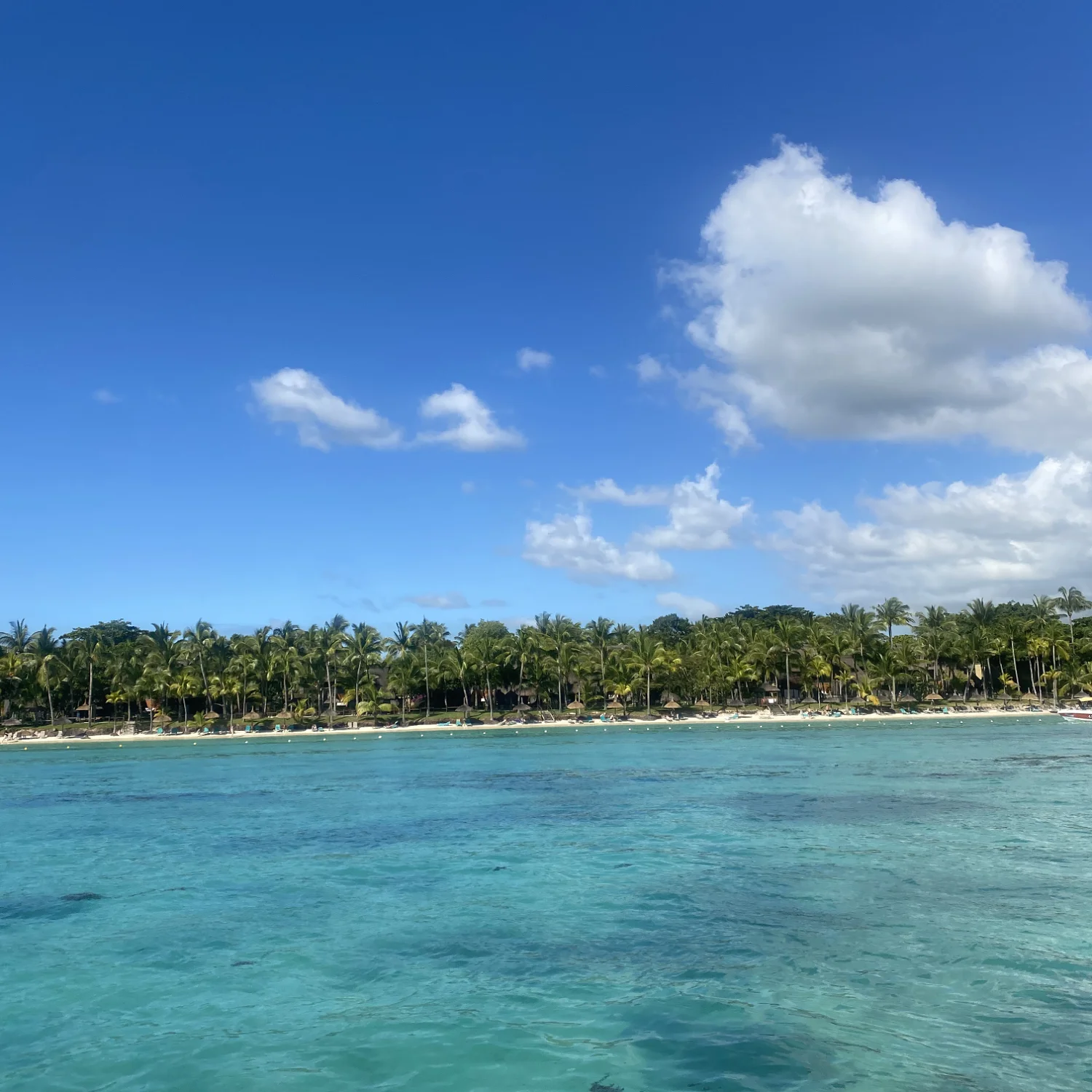
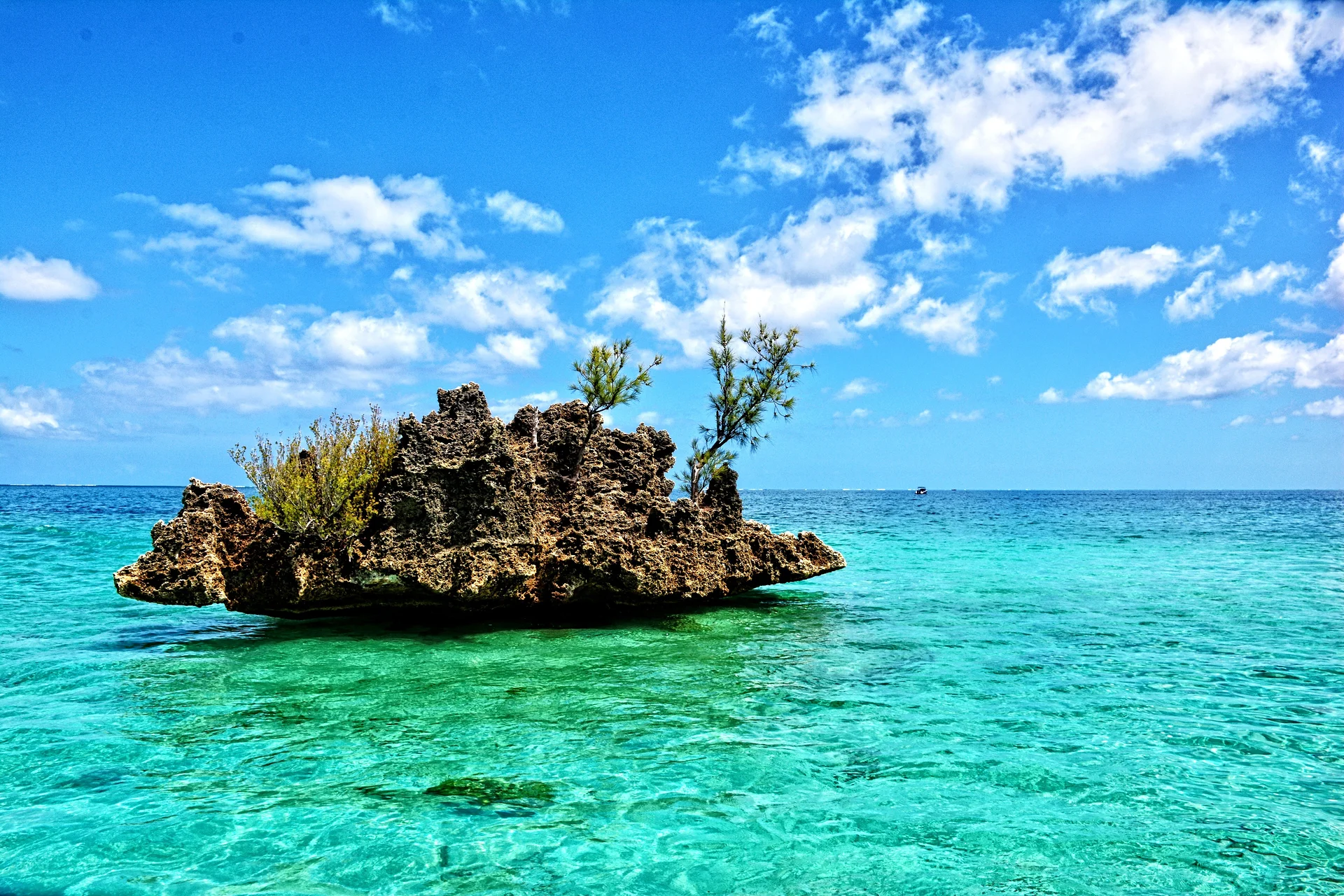
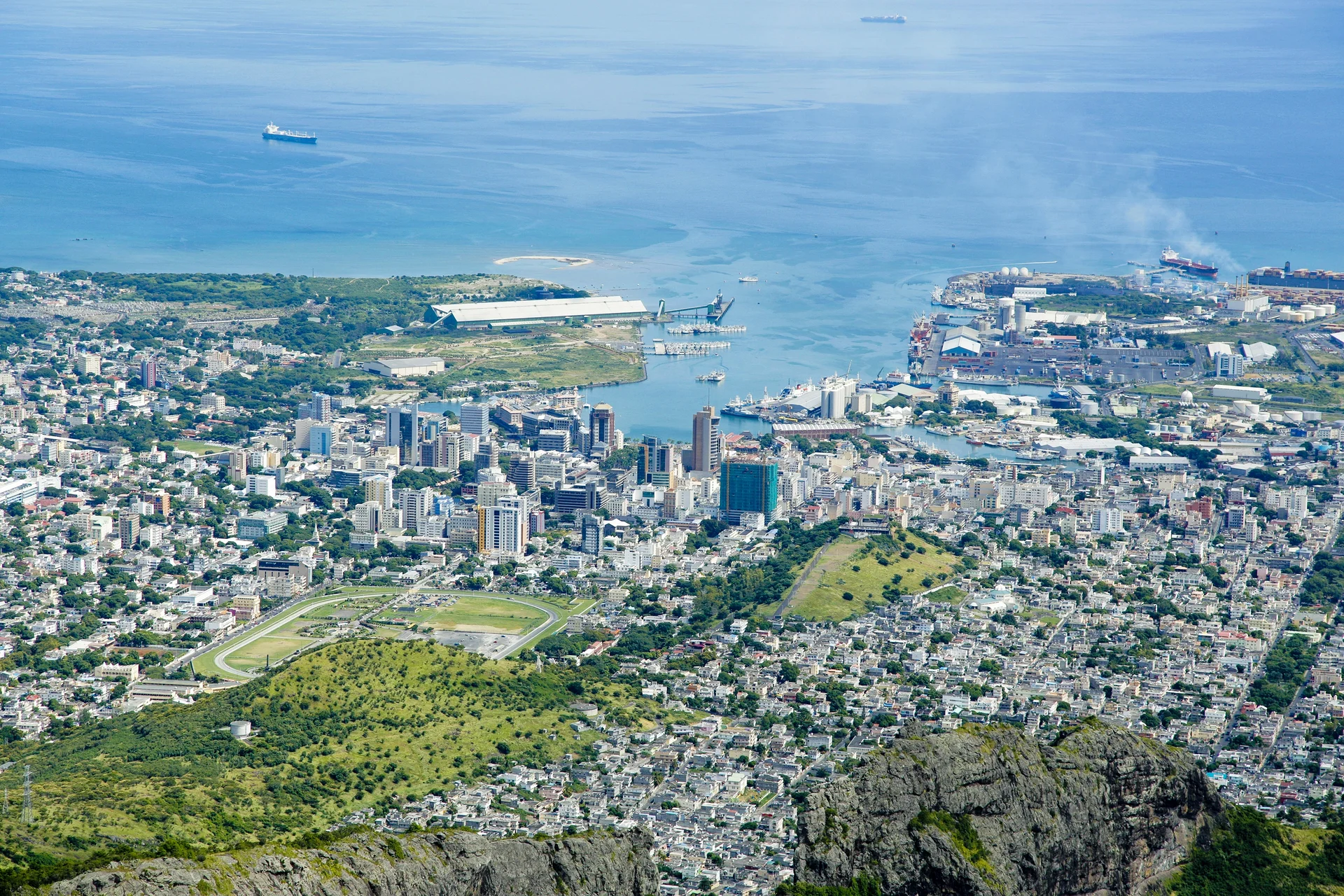
From the US, Mauritius is twenty hours or more away with one stop; from London, it's about twelve hours on an overnight nonstop flight, and most flights land in the morning. Once there, you'll spend half your days by your hotel's lagoon, and the other half climbing Le Morne Brabant, the mountain at the island's southwest tip, seeing the Chamarel waterfall, browsing the market in Port Louis or spending a day on Île aux Cerfs. Choose your month carefully: from May to October, the trade wind blows on the east coast, and from January to March, a cyclone can pass close to the island.
At a glance
- When to go
- September to November, then April and May: 25 to 29 °C (77 to 84 °F), little rain and a sea at 24 to 26 °C (75 to 79 °F), without the January to March cyclones or the cool July wind.
- How many days
- Plan at least ten nights for such a long flight: seven days to explore the west, the south and Port Louis, then three or four days by the lagoon, with no excursions.
- Which coast
- Choose the north all year round, sheltered from the wind, the west around Le Morne from May to October, for sunshine and sunsets over the sea, and the east at Belle Mare from November to April.
- Budget for two
- Count on about $4,730 for seven nights in comfort, excluding flights: a beach hotel on half board, a car, two boat trips and a few dinners outside the hotel.
- Your moment together
- Watch the sun go down from the beach at Le Morne, as the mountain behind you turns red and the kitesurfers come in, then have dinner with your feet in the sand.
- Book ahead
- Book your hotel four to six months ahead for Christmas, October and French school vacations, your car three weeks ahead, and your Le Morne Brabant guide a few days before.
Why Mauritius for a honeymoon
Mauritius is a volcanic island 65 km by 45 km (40 by 28 miles), almost entirely ringed by a reef that encloses a lagoon. Mauritians speak Creole, French and English, and eat Indian, Chinese and Creole food on the same street. You'll spend most of the trip at your beach hotel, mornings in the water and evenings by the lagoon, and leave it for a day on the road or on a boat.
From any coast, everything else is less than two hours' drive away: in the same week, you can climb Le Morne Brabant, see the Chamarel waterfall in the southwest highlands, wander the market in Port Louis, the capital, and spend a day on Île aux Cerfs, a small island ringed with beaches off the east coast.
When to go, and which coast
| Period | Weather | Where to stay | Our take |
|---|---|---|---|
| September to November | 25 to 29 °C (77 to 84 °F), dry, sea at 24 to 26 °C (75 to 79 °F), the trade wind eases | Every coast; the east is calm again in November | Our favorite: good weather, a warming sea, pre-Christmas prices |
| December to March | 29 to 32 °C (84 to 90 °F), humid, heavy showers, cyclones possible from January to March | The east, Belle Mare, for a calm sea and a breeze | The warmest sea, but peak Christmas prices and a cyclone risk |
| April and May | 26 to 29 °C (79 to 84 °F), end of the rains, sea at 26 °C (79 °F) | Every coast | The end of the southern summer, a green island after the rains, lower prices |
| June to August | 21 to 25 °C (70 to 77 °F) by day, 17 °C (63 °F) at night, strong trade wind in the east and south | The north and west, sheltered from the wind | The southern winter: sunshine in the west, but a sea at 23 °C (73 °F) and cool evenings |
If you can only travel in June, July or August, remember that it's winter in Mauritius: stay on the north or west coast. From July to October, humpback whales pass off the west coast, and boats leave from Tamarin and Black River to watch them.
Hotels are full and expensive from Christmas to mid-January and during French school vacations (late October, February, April, July and August), when French families fill the resorts.
Two Hindu festivals may coincide with your stay: Cavadee, a Tamil festival in January or February, with its processions of pilgrims, and Maha Shivaratri, in February or March, when thousands of devotees walk to Grand Bassin, a sacred lake in the southern highlands.
Entry requirements: passport, arrival form, health
| Documents | Visa | Health | |
|---|---|---|---|
| United States | Passport valid for your whole stay (some airlines ask for six months), return ticket and hotel address | None for up to 90 days | No vaccines required; insurance with medical care and evacuation, which US plans rarely cover abroad |
| Canada | Passport valid six months after you leave Mauritius, return ticket | None for up to 90 days | Insurance with medical care and evacuation; provincial plans cover little abroad |
| UK, Ireland | Passport valid for your whole stay (some airlines ask for six months), return ticket | None for up to 90 days | The GHIC and the EHIC cover nothing in Mauritius: get travel insurance with evacuation |
Entry rules can change: check them on your government's travel advice page for Mauritius before you book.
The online arrival form
Before boarding, each of you fills in the All in One Travel Form, the free digital entry form of the Mauritian authorities, on safemauritius.govmu.org: identity, flight, hotel address and health declaration. Keep the QR code you receive on your phone: the airline and the border police may ask for it.
Health
No vaccines are required from North America or Europe; a yellow fever certificate is only asked of travelers arriving from a country where the disease is present. Dengue circulates in some rainy seasons: pack insect repellent and use it in the evening. Private clinics give good care but are expensive: make sure your insurance covers them.
Getting there
A long flight, a single airport
| From | Time | Good to know |
|---|---|---|
| New York, Washington, Boston | 20 to 26h | One stop, via Dubai, Paris, London or Istanbul |
| Chicago, Atlanta, Houston | 22 to 28h | One or two stops, via the Gulf or a European city |
| Los Angeles, San Francisco | 26 to 32h | One or two stops, via Dubai or a European city |
| Toronto, Montreal | 20 to 26h | No nonstop flights: one stop via Paris, London or Dubai |
| London | ~12h nonstop | Overnight nonstop flights, otherwise one stop via Dubai or Paris |
| Dublin | 15 to 18h | One stop, via London, Paris or Dubai |
There are no nonstop flights from North America: compare stopover cities and layover times for your dates, and consider a night in London, Paris or Dubai to break up the trip. Most flights from Europe land in the morning.
Sir Seewoosagur Ramgoolam International Airport (MRU), in Plaine Magnien, is in the southeast of the island, fifteen minutes from Mahébourg and an hour or a little more from the hotels of the north and west. Rooms are rarely ready before 2 p.m.: ask for early check-in when you book, or plan lunch on the way.
Time difference
Mauritius doesn't change its clocks: it is nine hours ahead of New York and Toronto in winter and eight in summer, twelve hours ahead of Los Angeles in winter and eleven in summer, and four hours ahead of London and Dublin in winter and three in summer. Sleep on the overnight flight, keep the first day for the drive and the beach, and start your excursions on the second.
Practical things to know before you go
Phone
Roaming in Mauritius is expensive on most US, Canadian, UK and Irish plans unless you add an international option. Install an eSIM before you leave, or buy an Emtel or my.t prepaid SIM card at the arrivals counter with your passport. Coverage is good along the coasts and weak in the Black River Gorges and on the mountain roads around Chamarel.
Plugs and voltage
Money and tipping
- The currency is the Mauritian rupee (Rs); cards are accepted at hotels, restaurants and gas stations, but keep rupees for markets, taxis, street stalls and public beaches.
- Withdraw cash from MCB and SBM bank ATMs, found at the airport and in the villages, and decline the conversion into your home currency that the screen offers.
- Tipping is never required, and 15 to 20% is not expected: leave 5 to 10% in restaurants outside the hotel if you liked the service, and at the hotel, use the shared tip box at reception, which is split among all the staff.
Language and water
English is the language of government and road signs, French that of newspapers and hotels, and Mauritian Creole that of the street: you'll be understood in English at hotels, restaurants and sights. A bonzour (hello) and a mersi (thank you) are always appreciated. Tap water is treated, but Mauritians and hotels recommend bottled water, especially after heavy rain.
What to book, and how far ahead
In Mauritius, book your hotel first, and well ahead: the resorts most popular with honeymooners are full four to six months in advance for October, November, Christmas and French school vacations. Book everything else a few days before, from the island, depending on the weather and the wind.
| What | Price | Book | Good to know |
|---|---|---|---|
| Beach hotel | Depends on the category | 4 to 6 months ahead | Christmas and October dates go first |
| Rental car | $28 to $50 / day | 3 to 4 weeks ahead | Pickup and return at the airport; small automatics go first |
| Driver for the day | $72 to $99 / car | The day before | Through the hotel or a taxi driver you trust, price agreed before you leave, ~8h |
| Guided Le Morne Brabant climb | ~$55 / pers. | 2 to 3 days ahead | Starts around 7 a.m.; beyond the cross, you need a guide to reach the summit |
| Catamaran to Île aux Cerfs or the northern islets | $66 to $99 / pers. | 2 to 3 days ahead | Lunch included; decide the day before, depending on the wind |
| Île aux Aigrettes, guided tour | ~$22 / pers. | A few days ahead | Nature reserve, 1h30 tour with a guide, boat from Pointe Jérôme |
From the airport to your hotel
© OpenStreetMap contributors
The airport and the coasts it serves
- Mauritius airport (MRU)
- 1Mahébourg, Blue Bay
- 2Belle Mare
- 3Bel Ombre
- 4Le Morne
- 5Grand Baie, Trou aux Biches
| Destination | Transport | Time | Typical fare |
|---|---|---|---|
| Mahébourg, Blue Bay | Taxi from the arrivals desk | ~15 min. | $28 to $39 / taxi |
| Belle Mare | Taxi or hotel transfer | ~50 min. | $61 to $77 / taxi |
| Bel Ombre | Taxi or hotel transfer | ~50 min. | $61 to $77 / taxi |
| Le Morne | Taxi or hotel transfer | ~1h15 | $66 to $83 / taxi |
| Grand Baie, Trou aux Biches | Taxi or hotel transfer | ~1h15 | $66 to $83 / taxi |
What works best
After a long flight, take your hotel transfer, booked with your room, or a taxi from the official desk in the arrivals hall, where fares are posted by destination: pay in rupees, and expect 10 to 20% more between 11 p.m. and 5 a.m. Local buses pass the airport, but with luggage and several changes, they're no way to reach a beach hotel.
Getting around: car or driver
A rental car, on the left
In Mauritius, you drive on the left, a British legacy, on well-paved but narrow roads, with speed bumps at the entrance to every village, buses that stop anywhere and dogs on the road. The M1 and M2 highways cross the island from the southeast to the north via Port Louis; elsewhere, expect an average of 40 km/h (25 mph). Rental companies ask for your license and a credit card in the driver's name for the deposit.
Drivers from the UK and Ireland will feel at home; from North America, book an automatic, and give yourselves the drive from the airport to get used to the left. Be back before dark, around 6 p.m. from May to August and around 7 p.m. from November to February: roads are unlit outside the villages.
Also avoid Port Louis between 7 and 9:30 a.m. and between 4 and 6:30 p.m., when the highway jams at the entrance to the capital.
A driver for the day
If driving on the left worries you, hire a driver for your sightseeing days: $72 to $99 per car for about eight hours, booked the day before through your hotel or with a taxi driver you've already used. Agree on the price and the route before you set off, and say you don't want to stop at duty-free shops, where some drivers earn a commission.
Buses and Metro Express
Buses cover the whole island for less than $1.10 a ride, but with no posted timetable and changes in Port Louis, Curepipe or Mahébourg: they're fine for half a day, not for a full day of sightseeing. The Metro Express, a modern light rail line, links Port Louis to Curepipe through the center of the island; it doesn't serve any beach.
| Option | Price | Best for |
|---|---|---|
| Rental car | $28 to $50 / day | Your own schedule, if you're at ease on the left |
| Driver for the day | $72 to $99 / day | No wish to drive, two or three sightseeing days |
| Taxi per ride | $17 to $33 / ride | A dinner outside the hotel, a nearby village |
| Bus | less than $1.10 | Half a day, no schedule to keep |
Budget for two
In Mauritius, the hotel is the main expense: a room on half board or all-inclusive costs more than everything else combined, and prices double from Christmas to mid-January. Excursions, the car and meals outside the hotel cost little by comparison: a village restaurant charges far less than one at home, while drinks at the resort bar cost as much as in a big-city bar.
| Smart | Comfort | Treat | |
|---|---|---|---|
| Hotel, per night | $143 to $220 (small beach hotel, breakfast) | $330 to $500 (resort, half board) | from $880 (villa with private pool, luxury hotel) |
| Meals outside the hotel, per day for two | $33 (street food, village dinner) | $66 (one lunch, one dinner out) | $165 (chef's tables, dinner on the beach) |
| Excursions for the stay | $132 | $330 with two catamaran trips | $990 with a private boat and a spa |
| Transport for the stay | $280 with a car | $390 with a car and a driver | $660 with a driver and private transfers |
| Total, seven nights | ~$1,870 | ~$4,730 | from $9,350 |
On the ground, a dholl puri costs about $0.55 at a street stall, a plate of mine frit (fried noodles) $3.30, a fish curry in a village restaurant $8.80 to $14, a Phoenix beer $1.10 at the supermarket and $6.60 at a resort bar, and a cocktail at the hotel $14 to $17.
Dishes to try
Mauritian food blends India, China, Africa and France, like the island's population: curries, flatbreads, fried noodles and chili with every dish. You'll taste it at street stalls, at the Port Louis market and in village restaurants more than at hotel buffets.
To eat
-
Dholl puri
Two thin flatbreads stuffed with ground split peas, filled with bean curry, rougaille and chutney, and rolled in paper: the lunch Mauritians eat standing up, for a few rupees.
-
Curry and rougaille
Chicken, fish or octopus curry, spiced with massalé, and rougaille, a sauce of tomatoes, onions and chili, served with rice, lentils and pickled vegetables (achards).
-
Fish vindaye
Fish fried, then marinated in mustard, turmeric, garlic and vinegar, and served cold: the dish of Sunday picnics on the beach.
-
Mine frit and bol renversé
The fried noodles of the Chinese restaurants in Port Louis, and the bol renversé, rice topped with vegetables, chicken and a fried egg, turned upside down in front of you.
-
Gâteaux piments
Split pea fritters with chili and cilantro, sold hot by the bag at markets and outside schools, to tuck into a buttered roll.
-
Alouda
A sweet milk drink with rose syrup, basil seeds and agar-agar, served ice-cold at the central market in Port Louis.
To drink
Try Phoenix, the island's lager, and the agricultural rum from the distilleries at Chamarel, in the southwest, and Saint Aubin, in the south, which both offer tours with tastings; rhum arrangé, rum steeped with vanilla, fruit or spices, is served at the end of a meal. Also try the vanilla-scented tea from Bois Chéri, grown in the southern highlands.
Customs and rules to know
Mauritians are Hindu, Christian and Muslim, often within the same family, and you'll pass temples, mosques and churches on the same day.
| Rule | What to expect |
|---|---|
| Entering a Hindu temple or a mosque in shorts, with bare shoulders, or with shoes on | You'll be turned away; take off your shoes and cover your shoulders and knees |
| Walking around in swimwear away from the beach, in villages and in Port Louis | Disapproving looks; a shirt or a sarong over it is enough |
| Picking up coral or shells in the lagoon | Prohibited in the Blue Bay and Balaclava marine parks, fines possible |
| Photographing a person, a pilgrim or a ceremony without asking | Ask with a gesture; inside a temple, photos are often banned |
| Paying the asking price at markets and craft shops | The first price leaves room: bargain with a smile, without pushing |
Beaches are public up to the high-tide line, even in front of hotels: on Sundays, Mauritian families picnic there, with music and barbecues. Village restaurants close early, around 9 p.m., and many shops close on Sunday afternoons.
Safety
Mauritius is a quiet island for a couple, and beach hotels are guarded day and night. The risks come mostly from the sea, the road and the odd bag snatching in a crowd.
- Stonefish and sea urchins on the rocky bottoms of the lagoon: wear water shoes; after a stonefish sting, soak the limb in very hot water and go to the hospital straight away.
- Currents near the gaps in the reef and on the south coast, where the reef breaks off, as at Gris-Gris: don't swim where there is no lagoon, and respect red flags.
- Pickpockets at the central market in Port Louis and on the shopping streets of Grand Baie, and break-ins in cars parked near beaches: leave nothing in sight, even for ten minutes.
- Driving at night: no lighting outside the villages, pedestrians and dogs on the road, and drunk drivers on weekends; be back before dark, or take a taxi.
- The tropical sun, strong even on cloudy days: wear a hat, sunscreen and a T-shirt for snorkeling, and climb Le Morne Brabant early in the morning.
Mistakes to avoid
Most disappointments in Mauritius come from the same mistake: choosing a hotel from its photos without checking the coast or the month of your trip.
- Booking your whole stay on the east coast in July or August: the trade wind blows almost every day, the sea is choppy and the beach cool in the afternoon. In those months, choose the north or the west, or split your stay between two coasts.
- Traveling from January to March without cancellation insurance: a cyclone can delay your flight by two days or keep you shut in at the hotel.
- Planning an excursion every day: when you pay honeymoon prices for a beach hotel, keep at least every other day for the lagoon.
- Staying far from the airport on the last night before a morning flight: from the north or the west, allow an hour and a quarter, more than the map suggests.
- Taking a taxi without agreeing on the price first: ask the fare, or go through the airport desk or your hotel's reception.
Mauritius
Compare hotel prices
Pick your dates and see the offers from the major booking sites side by side.
Compare live offers from Booking, Expedia, Agoda and other partners.
Mauritius: find your hotel
Frequently asked questions
What is the best time for a honeymoon in Mauritius?
September to November, then April and May: good weather and a sea at 24 to 26 °C (75 to 79 °F), without the January to March cyclones or the cool wind of July and August. In the southern winter, stay in the north or the west; from November to April, in the east.
How many days do you need in Mauritius?
At least ten nights for such a long flight: seven days to explore the west, Chamarel, Port Louis and Île aux Cerfs, and three or four days of rest by the lagoon. With two weeks, split your stay between two hotels on two coasts.
Do you need to rent a car in Mauritius?
To explore the island, yes, or hire a driver for the day: buses are slow and taxis by the ride add up quickly. You drive on the left, on narrow roads; avoid driving at night and the Port Louis rush hours. If you plan to stay at the hotel, an airport transfer is enough.
Is Mauritius an expensive destination?
The hotel is, the rest isn't: count on about $4,730 for seven nights for two in comfort, excluding flights, two thirds of it for a resort on half board. Street food and a village dinner cost little; drinks at the hotel bar, on the other hand, are expensive.
Do you need a visa for Mauritius?
No, for a tourist stay of up to 90 days, from the US, Canada, the UK or Ireland. You need a passport valid for your whole stay (six months after leaving for Canadians, and some airlines ask everyone), a return ticket, your hotel address and the All in One Travel Form, filled in online before you leave.
Do people speak English in Mauritius?
Yes: English is the official language of government and road signs, and hotel, restaurant and tour staff speak it. Among themselves, Mauritians speak Creole, which comes from French, and French is the language of the newspapers; a bonzour and a mersi are always appreciated.