





Costa Brava for couples: what to know before you go (2026)
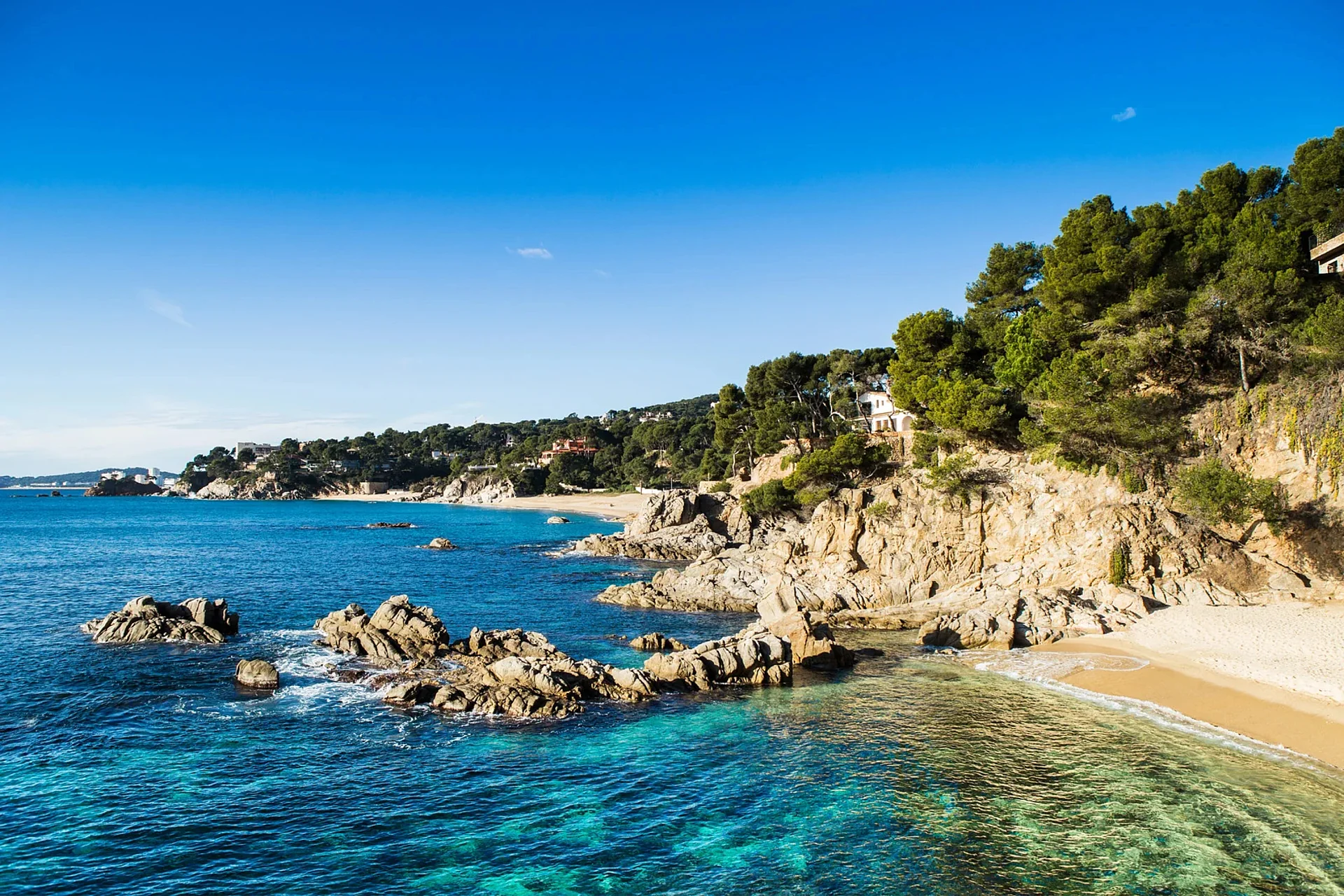
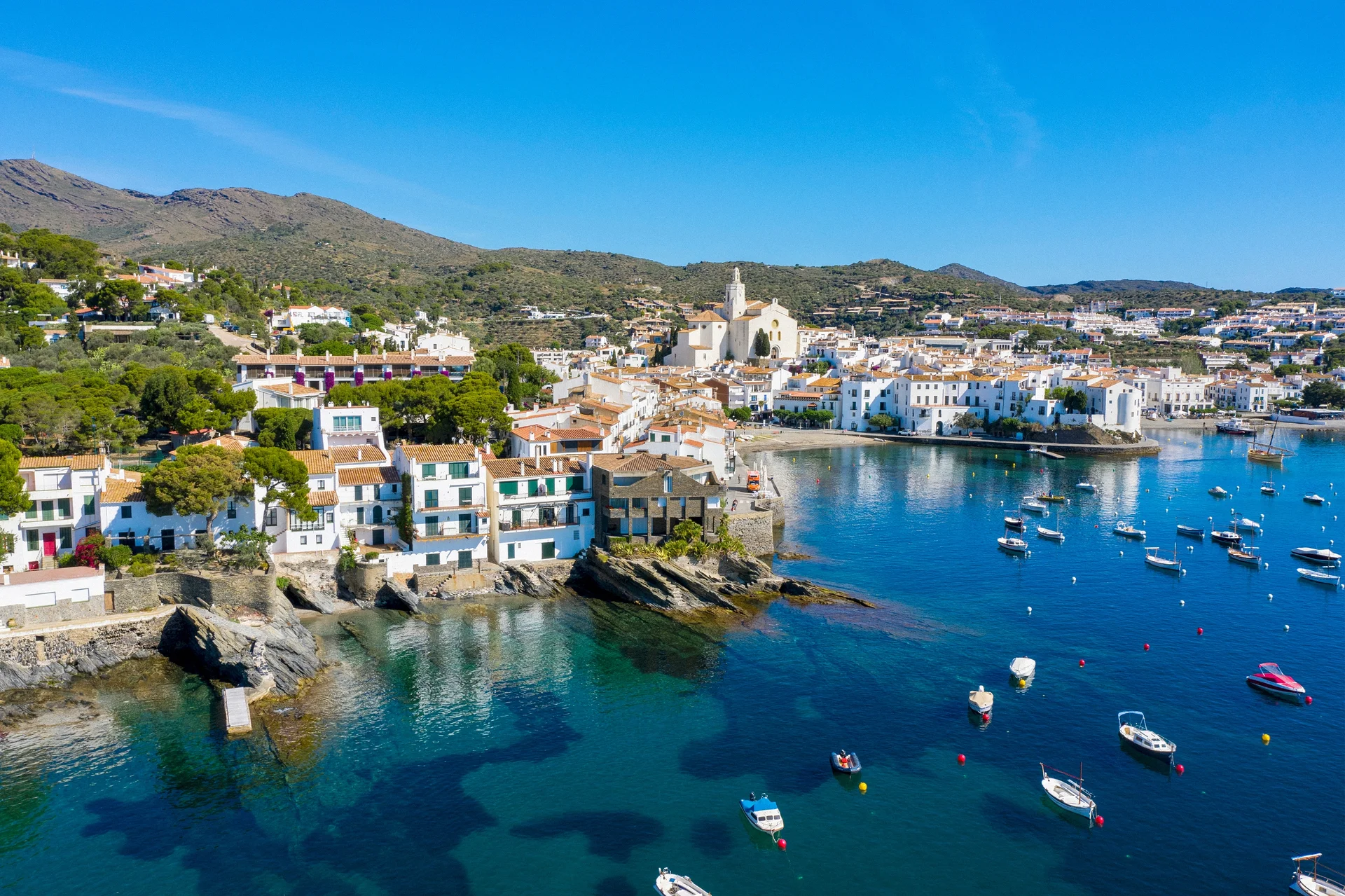
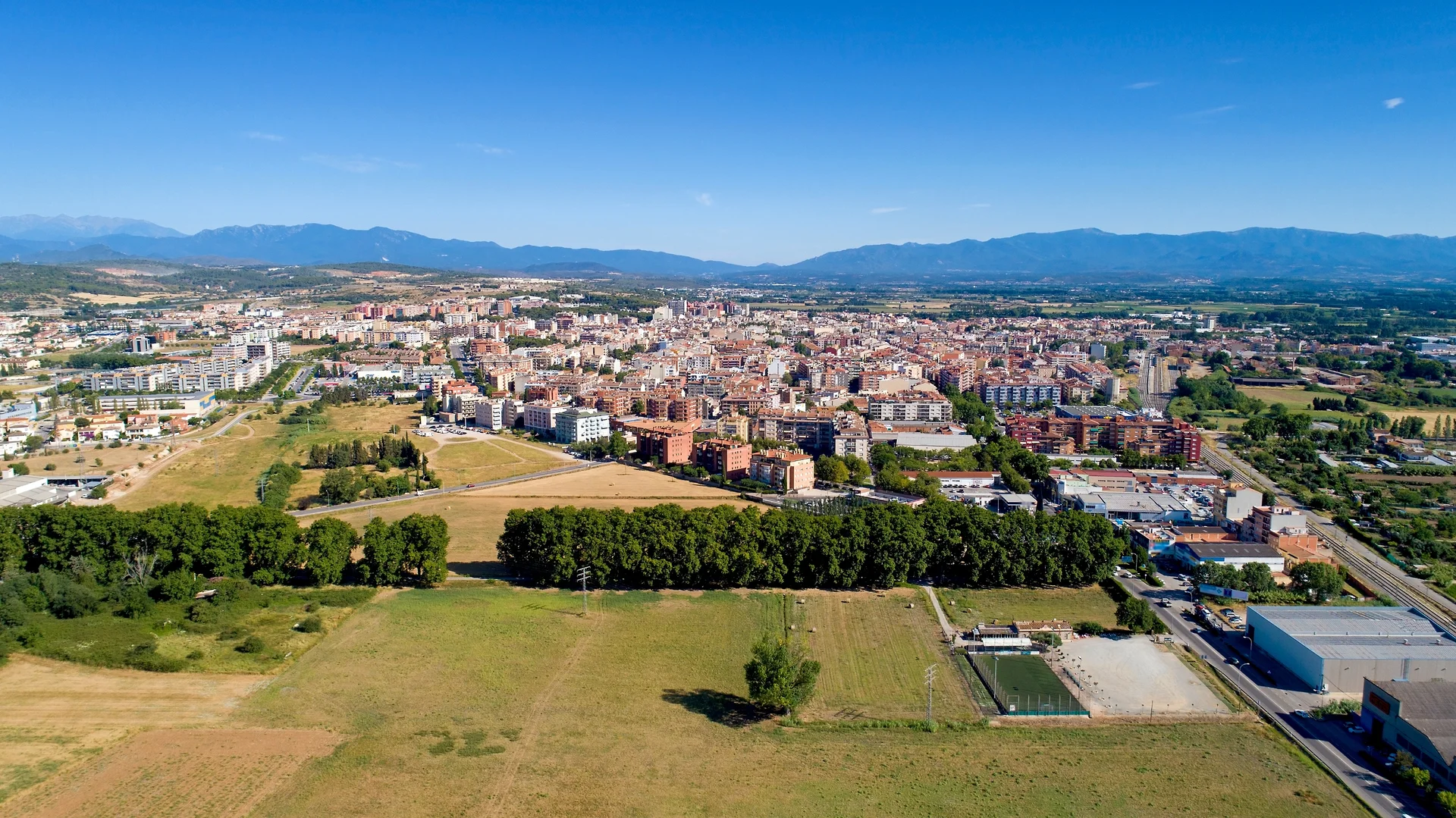
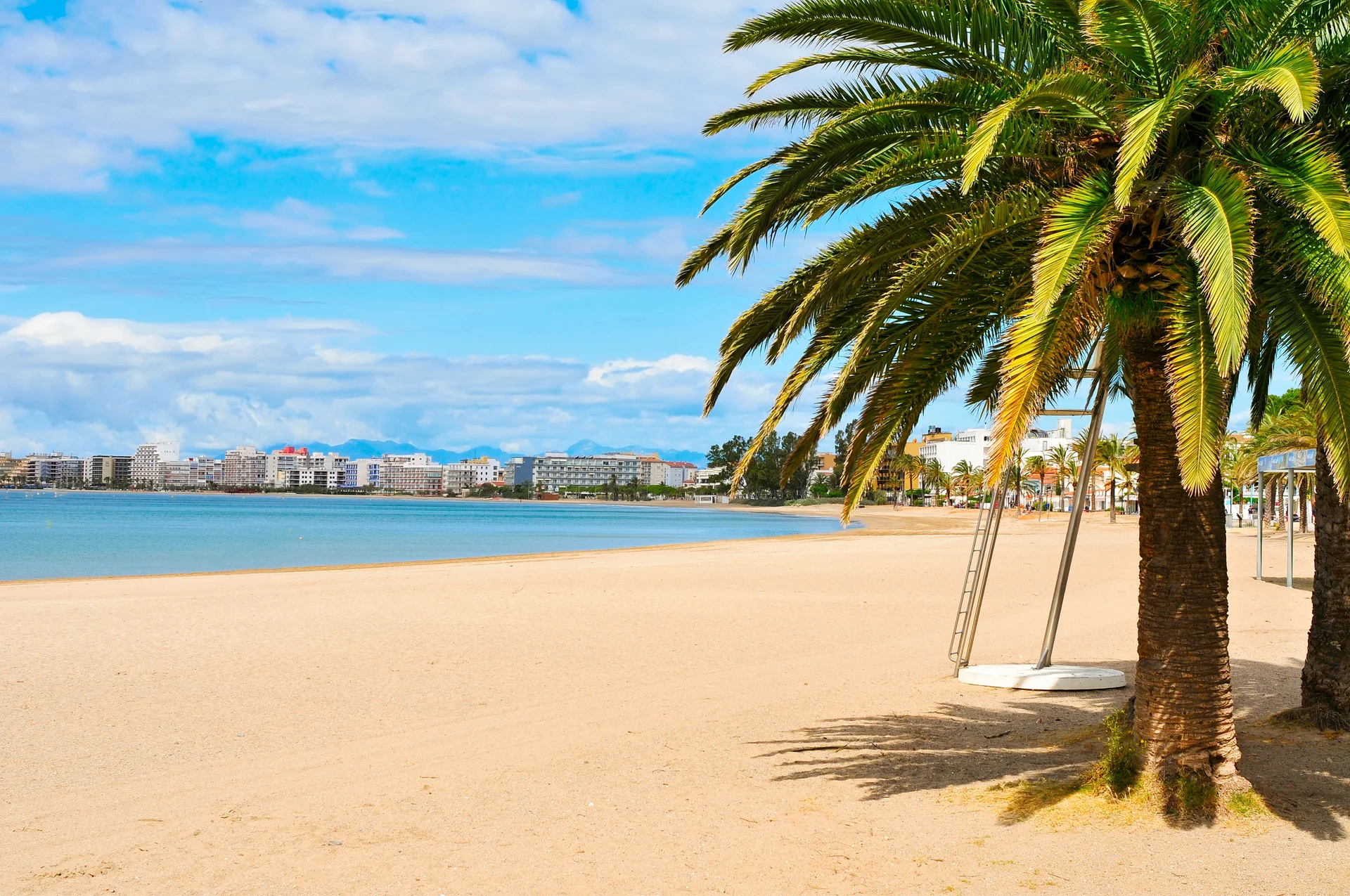
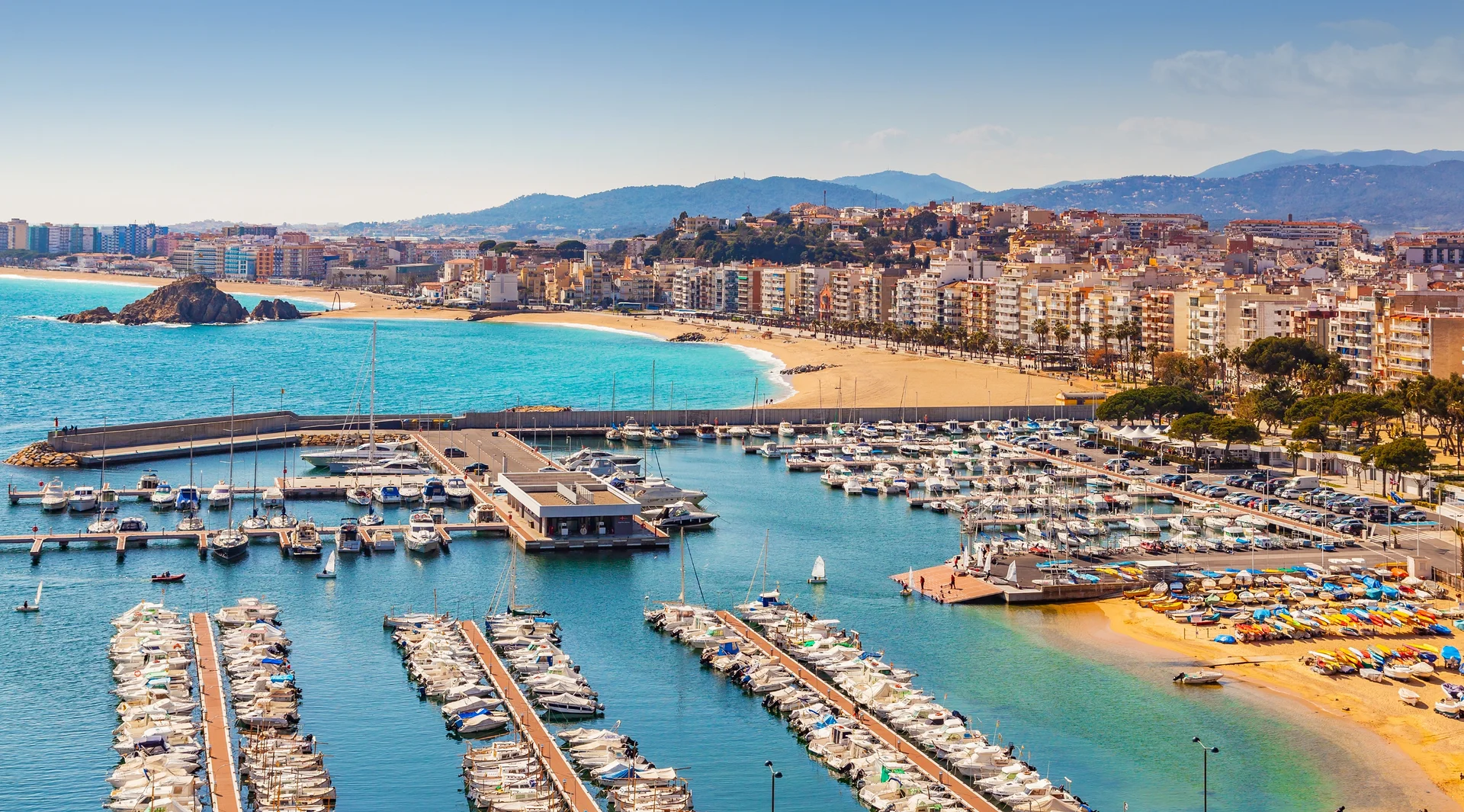
From the French border down to Blanes, the Costa Brava is a string of coves between the pines, linked by a coastal path, the camí de ronda. Make Cadaqués and Cap de Creus your priorities in the north, Calella de Palafrugell and the coves of Begur in the middle, the old town of Tossa de Mar in the south, and inland, the Dalí museum in Figueres and the city of Girona. Come in June or September, with a car: buses barely reach the coves.
At a glance
- When to go
- Go in June or September: 24 to 28 °C (75 to 82 °F), the sea at 19 to 22 °C (66 to 72 °F), and cove parking lots you can still get into. In May and October, you can walk the coastal paths without the heat, but the sea is cool.
- How many days
- Plan seven days for the middle of the coast, Cadaqués, Figueres and Girona, with two hotels; a long weekend of four days is enough around Calella de Palafrugell and Begur.
- Which base
- Stay in Calella de Palafrugell or Llafranc for a first trip, in the middle of the coast, then in Cadaqués to end your trip at the tip of the Cap de Creus peninsula.
- Budget for two
- Count on about $2,750 for a comfortable week, with hotels, meals, rental car and sights, flights not included; about $1,540 on a tighter budget.
- The moment for two
- Walk the coastal path from Calella de Palafrugell to Llafranc at sunset, twenty minutes along the water, then have dinner on the harbor in Llafranc.
- Book ahead
- Book the tour of Dalí's house in Portlligat as soon as your dates are set, your Cadaqués hotel several months ahead for the summer, and the Dalí museum in Figueres a few days before.
Why the Costa Brava for two
The Costa Brava is the coast of the province of Girona, in Catalonia, between the French border and Blanes. The Pyrenees run down to the sea here: the coast is all cliffs, pines and small coves, with fishing villages at the back of the bays, the opposite of the long sandy beaches farther south in Spain.
You will find a coastal path that runs from one cove to the next, whitewashed villages such as Cadaqués, where Salvador Dalí lived, medieval stone villages inland, Pals and Peratallada, and a cuisine of fish and rice. The big resorts, Lloret de Mar and Platja d'Aro, are easy to avoid: they fill a few bays, not the whole coast.
When to go
| Period | Weather | Crowds | Our take |
|---|---|---|---|
| April and May | 18 to 22 °C (64 to 72 °F), sea 13 to 17 °C (55 to 63 °F) | Light, except at Easter and on long weekends | The coastal paths and villages without the crowds, but the sea is cold and some hotels have not opened yet |
| June and September | 24 to 28 °C (75 to 82 °F), sea 19 to 22 °C (66 to 72 °F) | Moderate, busier on weekends | Our favorite time: a sea warm enough to swim, coves you can reach, hotels still available |
| July and August | 27 to 30 °C (81 to 86 °F), sea 23 to 24 °C (73 to 75 °F) | Very heavy, especially in August | Cove parking lots full by 10 am, peak hotel prices; swim early in the morning |
| October | 19 to 23 °C (66 to 73 °F), sea 19 to 20 °C (66 to 68 °F), some storms | Light | The paths and the autumn light; you can still swim early in the month |
| November to March | 10 to 15 °C (50 to 59 °F), frequent tramontane wind | Very light | Many hotels and restaurants in the coves are closed |
The tramontane, a dry, cold north wind, blows mostly over the north of the coast, from Cadaqués to Roses, sometimes for several days in a row, and mostly in winter: the sea turns rough and Cap de Creus becomes hard to explore. The coves in the middle of the coast, around Begur and Calella, are more sheltered then.
Paperwork: passport, visa, health
| Documents | Visa | Health | |
|---|---|---|---|
| United Kingdom | Passport valid at least 3 months after you leave the Schengen area, issued within the last 10 years | None for stays up to 90 days in any 180 | Your free GHIC covers state healthcare; travel insurance for the rest |
| United States, Canada | Passport valid at least 3 months after you leave the Schengen area, issued within the last 10 years | None for stays up to 90 days | Travel insurance with medical cover |
| Ireland | Passport in date, checked at boarding and at the hotel | None | Free EHIC for public healthcare |
Entering the Schengen area from the UK, the US or Canada
On your first entry into the Schengen area, border police record your fingerprints and a photo (the EES system): allow a little more time at passport control at that first airport. Check before you leave whether the ETIAS travel authorization is required on your dates; if it is, apply online on the European Union site (travel-europe.europa.eu).
Getting there
By plane: Barcelona or Girona
| From | Flight time | Good to know |
|---|---|---|
| London | ~2h | Nonstops to Barcelona all year from Heathrow, Gatwick, Stansted and Luton; to Girona with Jet2 and Ryanair, mostly in summer |
| Manchester, Birmingham, Bristol, Edinburgh | 2h to 2h30 | Nonstops to Barcelona; to Girona with Jet2 or Ryanair, mostly in summer |
| Dublin | ~2h30 | Nonstops to Barcelona all year |
| New York | ~8h | Nonstops to Barcelona from JFK and Newark; from other US cities, usually one stop |
| Montreal, Toronto | 7h30 to 8h30 | Nonstops to Barcelona, more of them in summer |
Girona airport (GRO), 45 minutes from Tossa de Mar, is served mostly by low-cost airlines; Barcelona airport (BCN), an hour and twenty minutes from Tossa de Mar, has the most flights, including all the transatlantic ones. Farther north, Perpignan airport, in France, is fifty minutes from Figueres.
By train through Paris
From London, take the Eurostar to Paris, then the high-speed TGV to Barcelona, which stops at Figueres-Vilafant station and in Girona: allow about 5h45 from Paris to Figueres, plus the change of stations in Paris. Rental companies have offices in Girona; in Figueres, book the car before you arrive, or take a bus to Cadaqués.
Practical things to know before you leave
Phone
Most UK plans now charge for roaming in Europe, and US and Canadian plans charge full price: turn on a travel pass or install a European eSIM before you leave. With an Irish plan, calls and data work as at home, Spain being in the European Union. On Cap de Creus and in some coves the signal is weak: download an offline map of the region.
Outlets
Spanish outlets, at 230 volts, take plugs with two round pins. British, Irish, American and Canadian plugs do not fit: bring an adapter, one per person. North American appliances must accept 230 volts, which almost all phone and laptop chargers do, but rarely hair dryers.
Money and meals
- The currency is the euro; cards work almost everywhere, even in beach bars. At ATMs and card terminals, decline the conversion into pounds or dollars and let your own bank convert.
- At lunchtime on weekdays, many restaurants serve a menú del dia, starter, main course, dessert and a drink, for about $18 to $25 per person: it is the cheapest meal of the day.
- Tipping is not expected as it is in the US: leave a few coins or round up if the service pleased you.
Language and meal times
Locals speak Catalan and Spanish, and Catalan is the language of road signs and menus; in the coastal villages, most waiters also speak English. Catalans have lunch around 2 pm and dinner around 9 pm: before 8 pm, many kitchens are closed.
What to book, and how far ahead
You do not need to book the coves, but book the village hotels, Dalí's house and museum, and your dinner tables in summer. For July and August, book the hotel and the car at the same time as your flights.
| What | Price | Book | Good to know |
|---|---|---|---|
| Dalí's house, Portlligat | ~$19 / pers. | Several weeks ahead in summer | Visit in small groups at a set time, without a guide; closed for part of the winter |
| Dalí Theatre-Museum, Figueres | ~$24 / pers. | A few days ahead | Ticket with a set entry time; arrive at opening to avoid the tour groups |
| Rental car | $39 to $77 / day | With your flights | A small car handles the cove roads and the parking lots better |
From the airport to your hotel
© OpenStreetMap contributors
The airports and the bases they serve
- Girona Airport (GRO)
- Barcelona Airport (BCN)
- Perpignan Airport (PGF)
- 1Tossa de Mar
- 2Calella de Palafrugell
- 3Begur
- 4Cadaqués
- 5Roses
| Destination | Transport | Time | Typical fare |
|---|---|---|---|
| Tossa de Mar | Rental car | ~45 min. | $39 to $77 / day |
| Calella de Palafrugell | Rental car, via the AP-7 highway and Palafrugell | ~1h | $39 to $77 / day |
| Begur | Rental car | ~1h | $39 to $77 / day |
| Cadaqués | Rental car, via Figueres and Roses | ~1h25 | $39 to $77 / day |
| Destination | Transport | Time | Typical fare |
|---|---|---|---|
| Tossa de Mar | Rental car, via the AP-7 highway | ~1h20 | $39 to $77 / day |
| Calella de Palafrugell | Rental car, via the AP-7 | ~1h50 | $39 to $77 / day |
| Cadaqués | Rental car, via the AP-7 and Figueres | ~2h30 | $39 to $77 / day |
| Destination | Transport | Time | Typical fare |
|---|---|---|---|
| Roses | Rental car, via the A9 and the AP-7 | ~1h15 | $39 to $77 / day |
| Cadaqués | Rental car, via the A9, the AP-7 and Roses | ~1h30 | $39 to $77 / day |
What works best
Pick up the car at the airport where you land and return it there: dropping it off in another country, in Perpignan after picking it up in Barcelona, costs a hefty surcharge. Without a car, Moventis Sarfa buses link Barcelona and Girona with the coastal villages, Tossa de Mar, Palafrugell, Begur and Cadaqués, but not with the coves.
Getting around
By car, on narrow roads
The AP-7 highway, toll-free, runs inland from the border to Girona; from there, fast roads lead down to the coast. The roads to the coves are narrow and winding, and the cliff road between Tossa de Mar and Sant Feliu de Guíxols has several hundred bends. Allow a quarter of an hour from Calella de Palafrugell to Begur, an hour to Tossa de Mar, an hour and a half to Cadaqués. If you drive on the left at home, remember that traffic in Spain keeps to the right.
Parking near the coves
From June to September, cove parking lots are often paid and full by 10 am; some access roads, such as the one to Cala Montjoi, east of Roses, or the one to the Cap de Creus lighthouse, are closed to cars for part of the day in summer; for the lighthouse, a shuttle leaves from a lot at the entrance to Cadaqués. Arrive before 9:30 am, or walk from cove to cove on the coastal path. In the villages, park in the paid lots at the edge of town, marked in blue.
On foot, along the coastal path
The camí de ronda, the old customs officers' path, follows the coast almost from end to end, waymarked in red and white as the GR 92 long-distance trail. For half a day, pick the finest stretches: from Calella de Palafrugell to Llafranc and Tamariu, between the coves of Sa Riera and Sa Tuna in Begur, and north from Tossa de Mar.
Budget for two
Most of your money goes on the hotel: the coastal villages have few rooms, and those in Cadaqués and in the coves of Begur are expensive in summer. Meals stay affordable, especially at lunchtime. For a week for two, flights not included, count on:
| Smart | Comfort | Treat | |
|---|---|---|---|
| Hotel, per night | $99 to $143 (a simple hotel in Begur or Tossa de Mar) | $187 to $280 (a hotel on the sea in Calella or Cadaqués) | from $390 (a sea-view room at the Sant Sebastià lighthouse or in Cadaqués) |
| Meals, per day for two | $55 (a menú del dia at lunch, tapas in the evening) | $110 (lunch in a cove, a seafood dinner) | $220 (a chef's restaurant and a bottle of Empordà wine) |
| Car, per day | $39 plus fuel and parking | $55 plus fuel and parking | $88 for a large automatic |
| Sights and outings | $66 | $132 with Dalí's house and museum | $440 with a private boat along Cap de Creus |
| Total, seven days | ~$1,540 | ~$2,750 | from $4,950 |
Useful benchmarks: a coffee at the counter $1.70 to $2.20, a plate of anchovies $8.80 to $14, a paella or black rice $20 to $28 per person, an hour of parking near a cove $3.30 to $5.50.
Dishes to try
In the Empordà, the plain behind the north and middle of the coast, cooks often combine fish and meat in the same dish, the mar i muntanya (sea and mountain), and rice dishes are more liquid than in Valencia. Order them for two: most restaurants will not serve them for one.
At the table
-
Suquet de peix
The fishermen's stew of the coast: rockfish and potatoes cooked in a saffron broth, thickened with a picada, a paste of pounded almonds and garlic.
-
Arròs negre
Black rice cooked in cuttlefish ink, served with allioli, a garlic and olive oil sauce: try it in the restaurants of Calella, Llafranc and Cadaqués.
-
Anxoves de L'Escala
Anchovies salted and prepared by hand for centuries in L'Escala, a fishing port south of the Gulf of Roses, served on pa amb tomàquet, bread rubbed with tomato and olive oil.
-
Garoines
The local sea urchins, eaten raw on bread; the season runs from January to March, when Palafrugell, the small town that Calella and Llafranc belong to, holds festivals and set menus around them.
-
Crema catalana
An egg custard flavored with lemon and cinnamon, its sugar topping burned with a hot iron just before serving: the dessert on almost every menu.
To drink
Try the wines of the Empordà appellation, fresh whites and rosés for fish, and reds from the vineyards inland, around Figueres. On the first Saturday of July in Calella de Palafrugell, during the concert of havaneres, sailors' songs, the crowd drinks cremat, rum flambéed with sugar, coffee and cinnamon.
Customs and rules to know
Follow two rules to avoid a fine, and say a word of Catalan for a warmer welcome.
| Rule | What to expect |
|---|---|
| Walking the streets in swimwear | Frowned upon, and banned by bylaw in several towns; put on a T-shirt when you leave the beach |
| Lighting a fire or smoking in the pine woods in summer | Banned, with heavy fines: the wildfire risk is high from June to September |
| Speaking Spanish to a Catalan | Understood everywhere; a bon dia (good morning) or a gràcies (thank you) in Catalan is appreciated |
In the coves, nude bathing is tolerated on a few secluded beaches, rarely in the villages. In the alleys of Cadaqués and Tossa de Mar, people live all year round: keep your voices down when you come back late.
Safety
The coastal villages are safe for a couple, day and night; stay alert in the big resorts and in parking lots.
- Parked cars near the coves and trails: leave nothing in sight, especially on arrival and departure days, when your bags are in the trunk.
- Pickpockets at the airport and in the streets of Barcelona, on the Lloret de Mar seafront and in the crowds of summer festivals: keep your phone in a closed pocket.
- The coastal path: some stretches run along a drop or go down slippery steps; do not set off in flip-flops, and stay off Cap de Creus in rough seas or tramontane wind.
- Jellyfish in some summers: check the flag and the signs at the entrance to lifeguarded beaches.
Mistakes to avoid as a couple
Above all, avoid two choices: staying in a big resort, and coming in August without a booking.
- Booking in Lloret de Mar or Platja d'Aro because hotels are plentiful there: you will spend your evenings between apartment blocks and nightclubs.
- Coming without a car: buses link the villages, but none of the Begur coves, nor Cap de Creus.
- Reaching a cove at noon in summer: the lot has been full for two hours; set off before 9:30 am or walk in on the coastal path.
- Expecting to visit Dalí's house in Portlligat without a booking: groups are small and summer slots sell out weeks ahead.
- Trying to cover the whole coast from one hotel: Tossa de Mar and Cadaqués are almost two hours apart.
Costa Brava
Compare hotel prices
Pick your dates and see the offers from the major booking sites side by side.
Compare live offers from Booking, Expedia, Agoda and other partners.
Costa Brava: find your hotel
Frequently asked questions
How many days do you need for the Costa Brava?
Four days are enough for Calella de Palafrugell, Llafranc, Begur and the medieval villages from a single hotel; seven to add Tossa de Mar, Girona, Figueres and Cadaqués, with a second hotel in Cadaqués.
Do you need a car on the Costa Brava?
Yes: buses link the villages, but not the coves or Cap de Creus, and they rarely serve Pals and Peratallada. Rent one at Girona or Barcelona airport, or at Girona station if you come by train, for $39 to $77 a day depending on the season. US and Canadian drivers need an International Driving Permit in Spain; UK and Irish licenses are enough.
What is the best time for a couple on the Costa Brava?
June and September: the sea is between 19 and 22 °C (66 and 72 °F), the coves and their parking lots are accessible, and hotels still have rooms. Avoid August, when the beaches are packed and prices at their highest.
Can you combine the Costa Brava with Barcelona?
Yes: Barcelona is an hour and a quarter from Tossa de Mar by highway. Spend two or three nights in Barcelona without a car, then pick up the car on the day you leave for the coast.
Where can you see Dalí on the Costa Brava?
At the Theatre-Museum in Figueres, his hometown, and at his house in Portlligat, next to Cadaqués, by reservation. Púbol Castle, which he gave to his wife Gala, is half an hour from Girona: with Figueres and Portlligat, it makes up the "Dalí triangle".