





Canary Islands for couples: what to know before you go (2026)
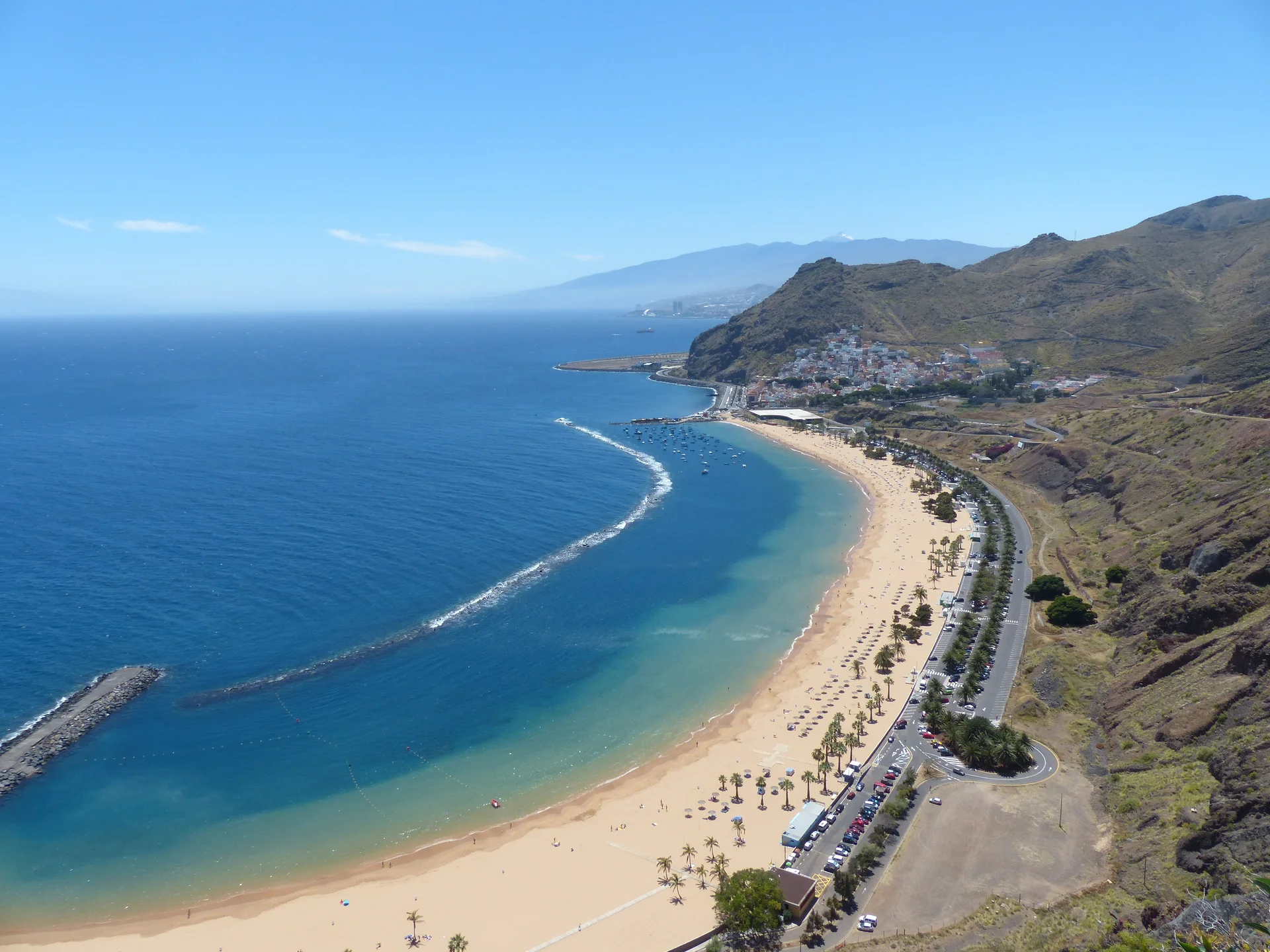
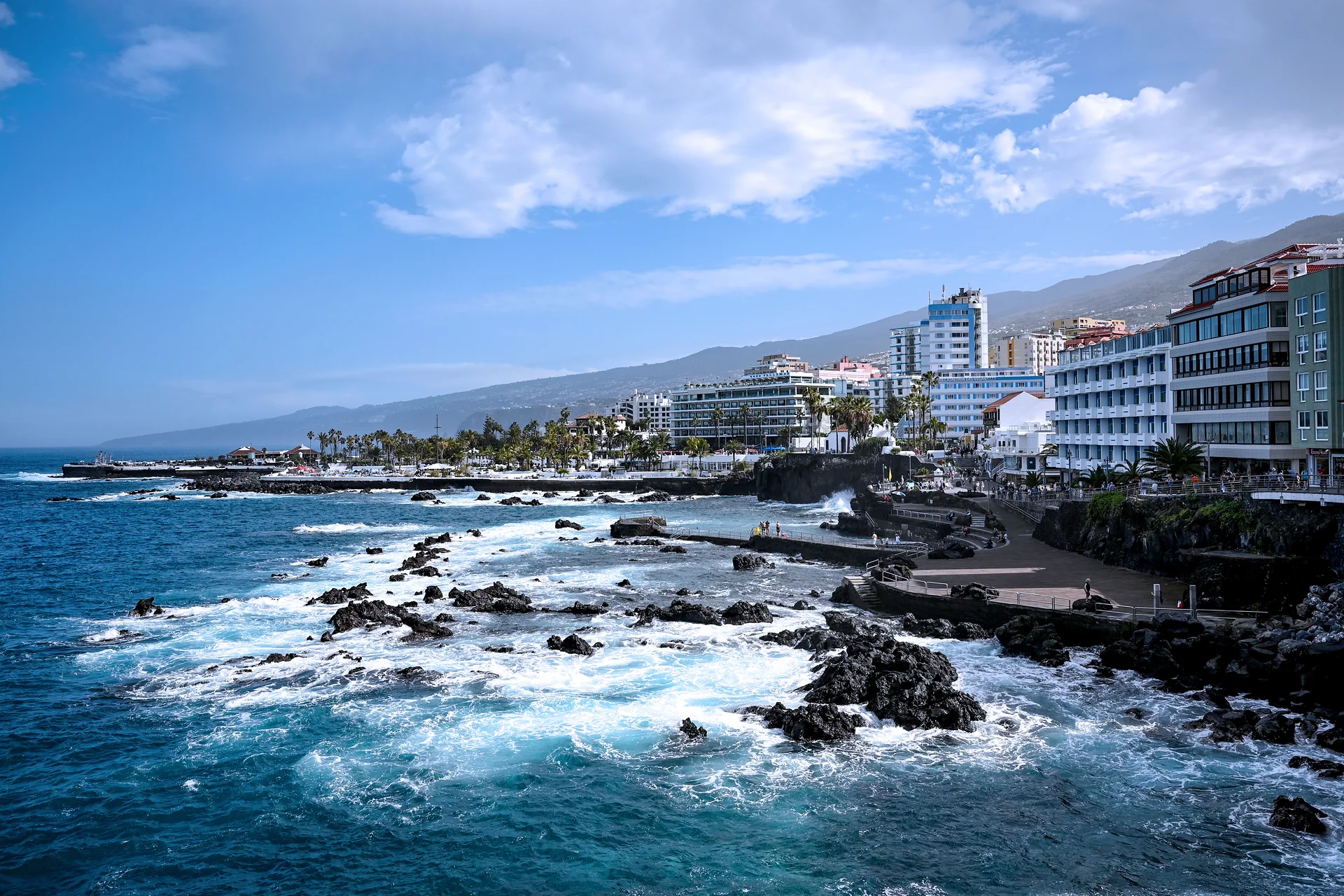
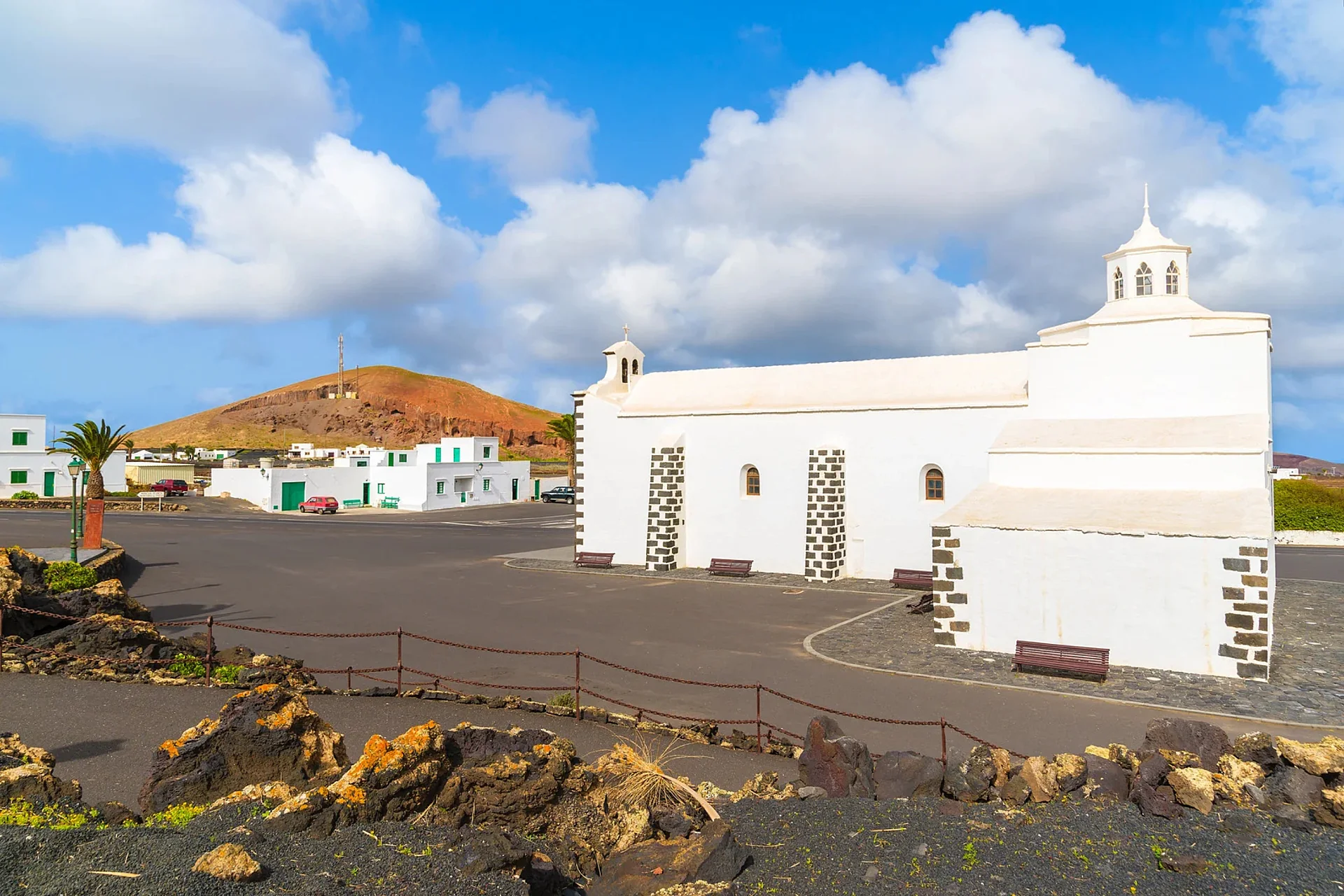
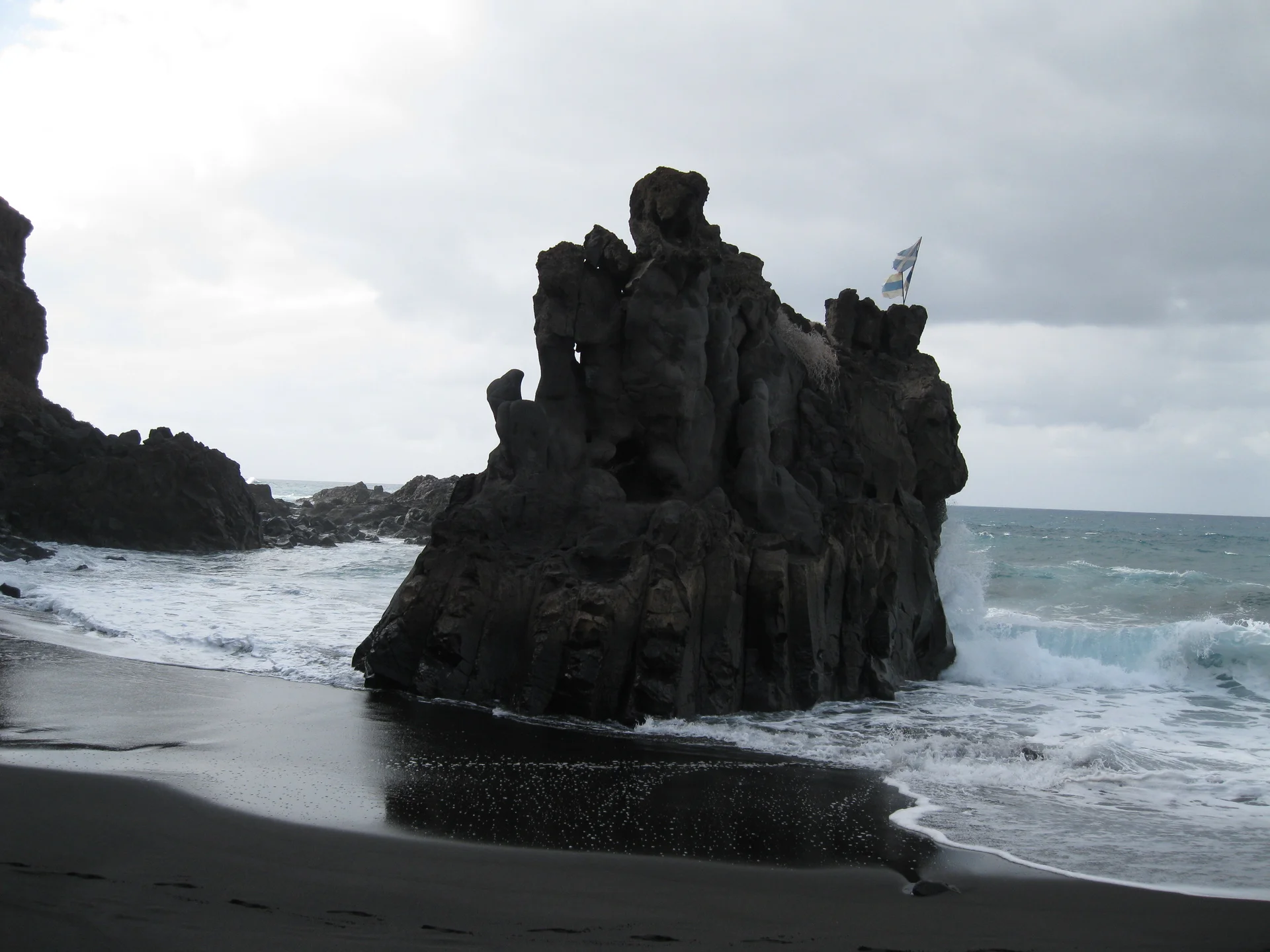
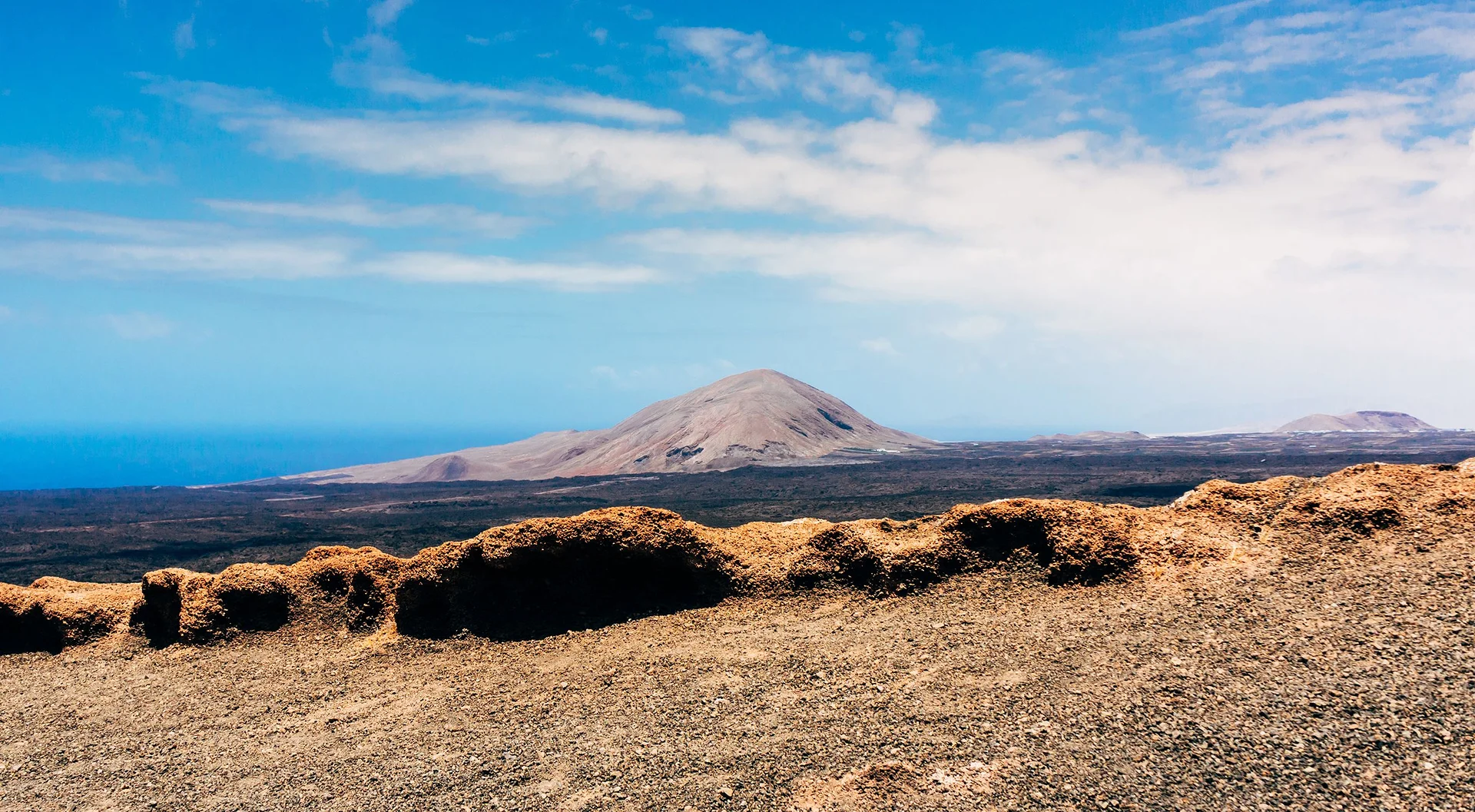
In January, afternoons reach 21 °C (70 °F) on the coast of Lanzarote and Tenerife, about four hours' flight from London or Dublin. For a first trip, don't try to see all seven main islands: pick one or two. Go to Lanzarote for Timanfaya National Park and the La Geria vineyards planted in volcanic ash, to Fuerteventura, thirty minutes away by ferry, for the Corralejo dunes, to Tenerife for Mount Teide, the highest peak in Spain, and to Gran Canaria for Las Palmas, its old town and its city beach.
At a glance
- When to go
- Go from October to April to escape winter: 19 to 26 °C (66 to 79 °F) in the afternoon, the sea at 18 to 23 °C (64 to 73 °F). The sea is warmest in October and November; prices rise at Christmas and during Carnival, in February or early March.
- How many days
- Plan four or five days for a single island, and a week for two neighboring islands, Lanzarote and Fuerteventura, thirty minutes apart by ferry.
- Which island
- Choose Lanzarote for a first trip: the volcanoes, the coves of Papagayo and the white villages are all less than an hour's drive from one another. For mountains and forests, go to Tenerife instead.
- Budget for two
- Count on about $2,420 for a six-night week in comfort, with hotels, meals, rental car, ferry and sights, flights not included; about $1,380 if you travel smart.
- The moment for two
- After the green lagoon of Charco de los Clicos, have grilled fish for dinner in the village of El Golfo, on the west coast of Lanzarote, as the sun sets over the ocean.
- Book ahead
- Book the Teide summit permit as soon as slots open, four weeks ahead, and your Timanfaya time slot online. Book the car as soon as you have your flights, especially for Christmas and February, and the car ferry a few days ahead.
Why the Canary Islands for two
The Canary Islands are a Spanish archipelago in the Atlantic, about 100 km (60 miles) off the coast of Morocco. On its seven main islands, you will walk across fields of black lava, along the rims of craters, through laurel forests in the north of Tenerife and over pale sand dunes on Fuerteventura.
On Lanzarote, the artist and architect César Manrique, born on the island, turned caves and lava flows into places to visit, such as the cactus garden and Jameos del Agua, and persuaded the island to keep its houses low and white. On Tenerife, you can ride a cable car up Mount Teide to 3,555 m (11,660 ft), then have dinner the same evening in a fishing harbor.
When to go
| Period | Weather | Crowds | Our take |
|---|---|---|---|
| December to February | 19 to 22 °C (66 to 72 °F) in the afternoon, sea 19 °C (66 °F), a few rainy days | Heavy at Christmas and during Carnival | Winter sun, but cool evenings and peak prices over the holidays |
| March to May | 21 to 24 °C (70 to 75 °F), sea 18 to 20 °C (64 to 68 °F) | Heavy at Easter, moderate after | Mild weather for hiking, but the coldest sea of the year |
| June to September | 25 to 29 °C (77 to 84 °F), sea 21 to 23 °C (70 to 73 °F), strong wind | Heavy in August, with Spanish families | Warm without being too hot, but a strong wind on Lanzarote and Fuerteventura |
| October and November | 23 to 26 °C (73 to 79 °F), sea 22 to 23 °C (72 to 73 °F) | Moderate | Our favorite time: the warmest sea, hotels still available |
The Carnivals of Santa Cruz de Tenerife, the island's capital, and of Las Palmas, in February or early March depending on the year, are among the biggest in Europe: if you want to go, book your hotel months ahead; if not, avoid both cities on those dates. In winter, the north of Tenerife is cloudier than the south, and snow sometimes closes the road up Mount Teide for a few days.
Paperwork: passport, visa, health
| Documents | Visa | Health | |
|---|---|---|---|
| United States, Canada | Passport valid at least 3 months after you leave the Schengen area, issued within the last 10 years | None for stays up to 90 days in any 180 | Travel insurance with medical cover |
| United Kingdom | Passport valid at least 3 months after you leave the Schengen area, issued within the last 10 years | None for stays up to 90 days in any 180 | Your free GHIC covers state healthcare in Spain; travel insurance for the rest |
| Ireland | Passport or passport card in date, checked at boarding and at the hotel | None | Free EHIC for public healthcare |
Entering the Schengen area from the US, Canada or the UK
On your first entry into the Schengen area, border police record your fingerprints and a photo (the EES system). From the US, you enter in Madrid or in another European hub before your flight to the islands: allow at least two hours for the connection. From October to April, Air Canada flies nonstop from Montreal and Toronto to Tenerife South, in about 7h30 out and 9h back.
Check before you leave whether the ETIAS travel authorization is required on your dates: you apply for it online on the European Union site (travel-europe.europa.eu), and it is valid for three years.
Getting there
By plane: one airport per island
Each main island has its own airport: Lanzarote (ACE), near Arrecife, its capital; Fuerteventura (FUE), near Puerto del Rosario, its capital; Gran Canaria (LPA), twenty-five minutes from Las Palmas. Tenerife has two: Tenerife South (TFS), which takes most flights from Europe, and Tenerife North (TFN), mostly linked to mainland Spain and the other islands.
Pick your flight according to the island where you are staying: if you land on another one, you will pay for an extra flight or lose half a day on a ferry.
| From | Flight time | Good to know |
|---|---|---|
| London | ~4h15 | Nonstops all year to the four main islands from Gatwick, Stansted, Luton and Heathrow, more of them in winter |
| Manchester, Birmingham, Bristol, Glasgow | 4h15 to 4h45 | Nonstops to the four main islands, most of them in winter |
| Dublin | ~4h15 | Nonstops with Ryanair and Aer Lingus to Lanzarote, Tenerife, Gran Canaria and Fuerteventura |
| New York, Boston, Miami | 11 to 15 hours | No nonstop: one stop in Madrid with Iberia or Air Europa, or in another European hub |
| Chicago, Los Angeles | 14 to 20 hours | One or two stops, usually including Madrid |
| Toronto, Montreal | ~7h30 nonstop, 11 to 15 hours with a stop | Air Canada nonstops to Tenerife South from October to April; otherwise one stop in Madrid, Barcelona or London |
For two islands, book a one-way flight into the first and home from the second: flying into Lanzarote and out of Fuerteventura saves you a ferry ride back. The Canary Islands are on the same time as London and Dublin, one hour behind Paris and Madrid, five hours ahead of New York and Toronto, eight ahead of Los Angeles.
Practical things to know before you leave
Phone
US and Canadian plans charge roaming at full price, and most UK plans now charge for Europe too: turn on a travel pass or install a European eSIM before you leave. With an Irish plan, calls and data work as at home, the Canary Islands being part of the European Union.
Outlets
Spanish outlets, at 230 volts, take plugs with two round pins. American, Canadian, British and Irish plugs do not fit: bring an adapter, one per person. North American appliances must accept 230 volts, which almost all phone and laptop chargers do, but rarely hair dryers.
Money and tipping
- The Canary Islands have their own sales tax, the IGIC, lower than Spanish VAT: displayed prices include it.
- Cards are accepted almost everywhere; keep a little cash for small village bars and beach parking lots. At ATMs and card terminals, decline the conversion into dollars or pounds and let your own bank convert.
- Tipping is not expected as it is in the US: round up the check, or leave 5 to 10% after a good dinner.
Language and water
Spanish is the language of the islands; in hotels and resorts, staff speak English, and in the north of Tenerife or in the villages, a few words of Spanish help: buenos días (good morning), gracias (thank you), la cuenta (the check). Tap water comes largely from desalination plants and has a strong taste: like the islanders, drink bottled water.
What to book, and how far ahead
In the Canary Islands, you can visit most sights without booking. Do book Timanfaya National Park and the Cueva de los Verdes, on Lanzarote, sold online by time slot, the Teide summit permit, the car and the hotel if you travel at Christmas or during Carnival, and the car ferry on weekends: these are the ones that sell out.
| What | Price | Book | Good to know |
|---|---|---|---|
| Teide summit permit | ~$17 / pers. | Up to 4 weeks ahead | For the last 160 m (525 ft), above the cable car; slots open on Mondays and go fast; ID required |
| Teide cable car | ~$44 / pers. round trip | A few days ahead | Closed in strong wind: take a flexible ticket and check the forecast the day before |
| Rental car | $28 to $50 / day | As soon as you book flights | Automatics go first at Christmas and in February |
| Car ferry between two islands | Depends on the crossing | A few days ahead | Without a car, a same-day ticket is enough except on weekends |
| Lobos Island, off Fuerteventura | Free permit, paid boat | A few days ahead | Visitor numbers are capped per half day |
From the airport to your hotel
© OpenStreetMap contributors
The airports and the bases they serve
- Lanzarote Airport (ACE)
- Fuerteventura Airport (FUE)
- Tenerife North Airport (TFN)
- Tenerife South Airport (TFS)
- Gran Canaria Airport (LPA)
- 1Playa Blanca
- 2Teguise
- 3Corralejo
- 4Puerto de la Cruz
- 5Garachico
- 6Las Palmas
| Destination | Transport | Time | Typical fare |
|---|---|---|---|
| Playa Blanca | Rental car, via the LZ-2 | ~35 min. | $28 to $50 / day |
| Playa Blanca | Taxi | ~35 min. | $55 to $66 / taxi |
| Teguise | Rental car | ~20 min. | $28 to $50 / day |
| Destination | Transport | Time | Typical fare |
|---|---|---|---|
| Corralejo | Rental car, via the FV-1 | ~35 min. | $28 to $50 / day |
| Corralejo | Taxi | ~35 min. | $55 to $66 / taxi |
| Destination | Transport | Time | Typical fare |
|---|---|---|---|
| Puerto de la Cruz | Rental car, via the TF-5 | ~25 min. | $28 to $50 / day |
| Puerto de la Cruz | Taxi | ~25 min. | $44 to $55 / taxi |
| Garachico | Rental car | ~50 min. | $28 to $50 / day |
| Destination | Transport | Time | Typical fare |
|---|---|---|---|
| Puerto de la Cruz | Rental car, via the highway | ~1h15 | $28 to $50 / day |
| Garachico | Rental car, via Santiago del Teide | ~1h10 | $28 to $50 / day |
| Destination | Transport | Time | Typical fare |
|---|---|---|---|
| Las Palmas | Global bus, line 60 | ~30 min. | ~$3.30 / pers. |
| Las Palmas | Taxi | ~25 min. | $33 to $44 / taxi |
What works best
On Lanzarote, Fuerteventura and Tenerife, pick up the car at the airport: you will need it for the beaches, the volcanoes and the villages. Only in Las Palmas can you do without one: you get from the old town to Las Canteras beach by bus or taxi, and rent a car for a day trip inland.
Getting around
By car, on each island
Car rental is cheap here: $28 to $50 a day outside the holidays. Local companies such as Cicar and Cabrera Medina usually include zero-deductible insurance and ask for no deposit, only a full tank paid in advance: compare with what the big international companies charge on top. The roads are good; those climbing to Mount Teide and to the villages in the north of Tenerife are full of hairpin bends.
Many rental companies do not allow their cars on the ferry, or ask for permission and an extra fee: for two islands, rent one car on each, or ask for permission when you book.
From one island to another
| Route | How | Time |
|---|---|---|
| Lanzarote-Fuerteventura | Playa Blanca-Corralejo ferry, several sailings a day | 25 to 35 min. |
| Tenerife-Gran Canaria | Santa Cruz de Tenerife-Agaete ferry, or plane | ~1h20 by ferry, ~30 min. by air |
| Tenerife-Lanzarote | Plane from Tenerife North | ~50 min. |
| Gran Canaria-Lanzarote or Fuerteventura | Plane | 40 to 50 min. |
Binter runs most flights between the islands, from Tenerife North, Gran Canaria, Lanzarote and Fuerteventura, several times a day. Fred. Olsen and Naviera Armas ferries take both foot passengers and cars.
By bus
Each island has its own bus network, the guaguas: TITSA on Tenerife, Global on Gran Canaria, and smaller networks on Lanzarote and Fuerteventura. They link the towns well, but rarely go near the natural sites, and run less often in the evening.
Budget for two
In the Canary Islands, you will spend less than in mainland Spain on the car and on gas, and about the same on food. Hotels cost the most between Christmas and New Year's and during Carnival. Here is what seven days and six nights cost for two, flights not included:
| Smart | Comfort | Treat | |
|---|---|---|---|
| Hotel, per night | $88 to $121 (a rural hotel, a small town hotel) | $165 to $250 (a boutique hotel in a village) | from $390 (a five-star hotel by the sea) |
| Meals, per day for two | $55 (a set lunch menu, tapas in the evening) | $99 (lunch by the water, a fish dinner) | $198 (a chef's restaurant, a bottle of malvasía) |
| Car, per day | $28 plus gas | $44 plus gas | $66 for a large automatic |
| Ferry, sights and outings | $132 | $280 | $550 with a private boat trip |
| Total, six nights | ~$1,380 | ~$2,420 | from $4,730 |
Useful benchmarks: a cortado coffee about $1.70, a plate of papas arrugadas about $5.50, a glass of island wine $3.30 to $4.40, a set lunch menu $14 to $17, a grilled fish for two $39 to $55.
Specialties to try
Canarian cooking is simple: the catch of the day, potatoes, goat cheese and spicy sauces.
To eat
-
Papas arrugadas
Small potatoes boiled in very salty water until the skin wrinkles and turns white with salt, served with two sauces, red mojo rojo with chili and green mojo verde with cilantro.
-
Queso majorero
The goat cheese of Fuerteventura, fresh, semi-cured or aged, its rind rubbed with paprika or gofio: try it in slices with a drink before dinner, or grilled with palm honey.
-
Gofio
A flour of toasted grains, the staple food of the islands for centuries: as a porridge with fish soup, in desserts, or on the rind of queso majorero.
-
Pescado del día
The fish of the day, grilled or baked: vieja, a parrotfish with tender flesh, cherne, a wreckfish, and tuna, with papas and mojo.
-
Bienmesabe
A cream of almonds, sugar, egg yolks and lemon, served over ice cream or on its own, the best-known dessert of Gran Canaria and Tenerife.
To drink
Try the malvasía volcánica of Lanzarote, a dry or sweet white wine from the La Geria vineyards, and on Tenerife the red wines of the Orotava Valley, in the north of the island. Order your coffee as a cortado, an espresso with a little milk, or try a barraquito, the Tenerife specialty: coffee with sweetened condensed milk, a dash of liqueur, lemon and cinnamon.
Customs and rules to know
| Rule | What to expect |
|---|---|
| Taking lava stones or sand from a natural park | Forbidden in the Teide and Timanfaya national parks; leave everything where it is |
| Leaving the marked trail at Timanfaya or in the Corralejo dunes | Forbidden, to protect the lava and the plants |
| Walking around a village or into a church in swimwear | Frowned upon; put on a T-shirt when you leave the beach |
Canarians have lunch around 2 pm and dinner from 8:30 pm; in the villages, many restaurants close one day a week, often Monday. Nudity is tolerated on some of the natural beaches, including those of the Corralejo dunes: you will see naturists there, with no sign to warn you.
Safety
The islands are safe, day and night; the risks come mostly from the ocean, the sun and cars parked in isolated spots.
- The ocean: on the north and west coasts, and on Famara beach on Lanzarote, currents and waves are strong even in good weather; respect the red flag, and swim on beaches with lifeguards.
- The car parked at a viewpoint or a beach: leave nothing in sight, no bags, phones or suitcases, especially on the days you arrive and leave.
- The touts in the resorts of southern Tenerife and Gran Canaria who offer a gift or a winning scratch card: they take you to a timeshare presentation that lasts for hours. Keep walking.
- The sun, even in winter: it burns fast at this latitude, and the wind keeps you from feeling it.
- Mount Teide: at 3,555 m (11,660 ft), the altitude leaves you short of breath; walk slowly at the top, and head down at the first sign of a headache.
Mistakes to avoid
- Trying to fit three islands into one week: each change of island costs you half a day, between the hotel, the airport or the port, and the new car.
- Going up Mount Teide in beach clothes: at 3,555 m (11,660 ft), it is often below 5 °C (41 °F), and sometimes below freezing in winter.
- Traveling in winter without a sweater or a jacket: in the evening, on the coast, the temperature drops to around 15 °C (59 °F), and it is often windy.
Canary Islands
Compare hotel prices
Pick your dates and see the offers from the major booking sites side by side.
Compare live offers from Booking, Expedia, Agoda and other partners.
Canary Islands: find your hotel
Frequently asked questions
Which Canary Island is best for a couple?
For a first trip, Lanzarote: the Timanfaya volcanoes, the La Geria vineyards, the Papagayo coves and the white villages are all within an hour's drive. Choose Tenerife for the mountains and the villages of the north, Fuerteventura for long beaches and dunes, Gran Canaria for a city with its own beach.
How many days do you need for the Canary Islands?
Four or five days for one island, a week for two neighboring islands such as Lanzarote and Fuerteventura, ten days to add Tenerife, by plane. With more than two islands in a week, you spend too much time in ports and airports.
Is it warm enough to swim in winter?
Yes, if you like cool water: the sea is around 19 °C (66 °F) from January to March, and the air 20 to 22 °C (68 to 72 °F) in the afternoon. For warmer water, go in October or November, when it is still 22 or 23 °C (72 or 73 °F).
Do you need a rental car in the Canary Islands?
Yes, unless you stay in Las Palmas: buses serve the beaches, volcanoes and villages poorly. Count on $28 to $50 a day outside the holidays, and one car per island if you visit two, because many rental companies do not allow their cars on the ferry.
How do you get from one island to another?
By ferry between Lanzarote and Fuerteventura, in thirty minutes from Playa Blanca, and between Tenerife and Gran Canaria, in an hour and twenty minutes. For other routes, fly: the flight from Tenerife North to Lanzarote takes fifty minutes.