





Portugal for couples: know before you go (2026)
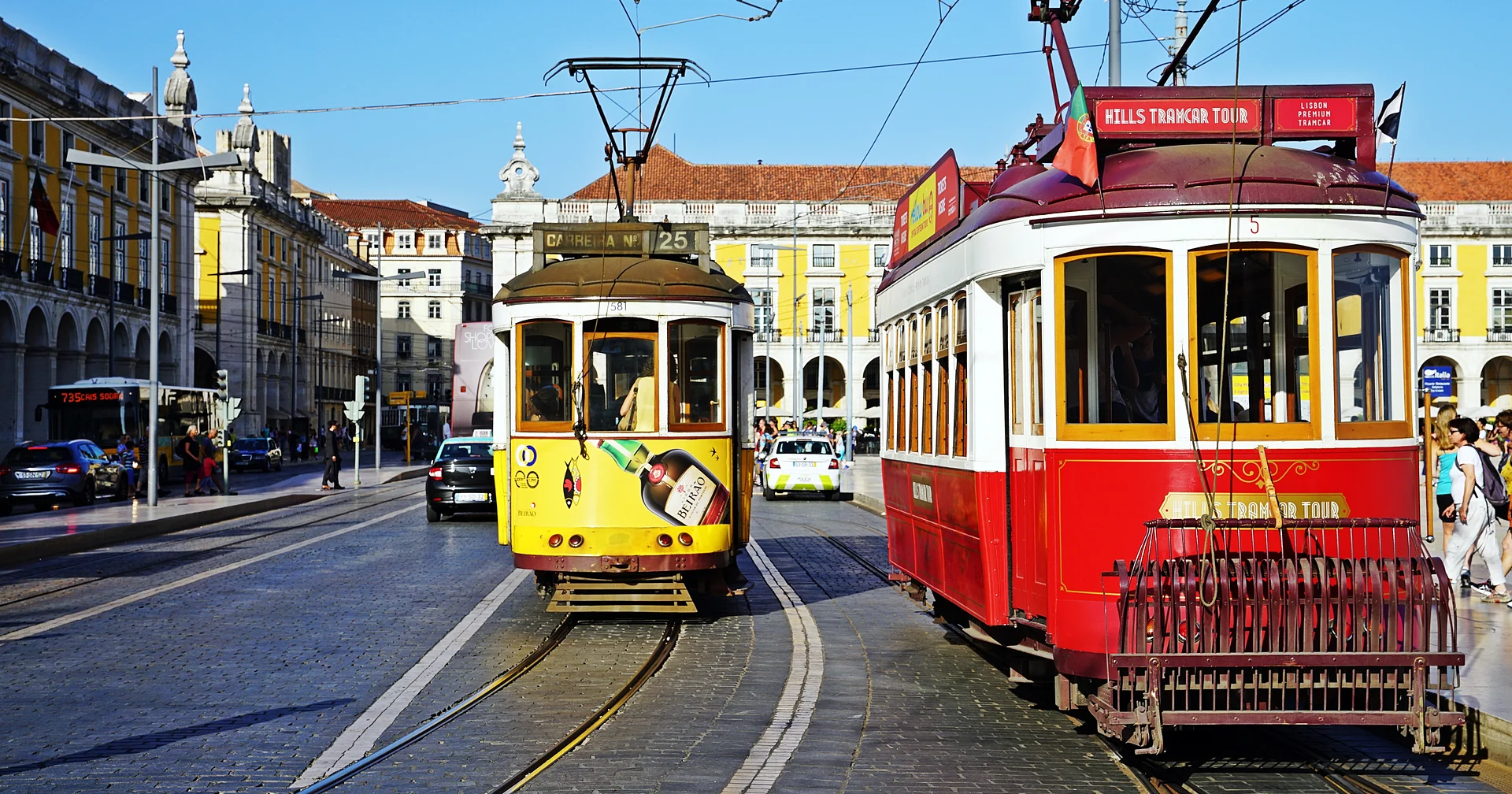
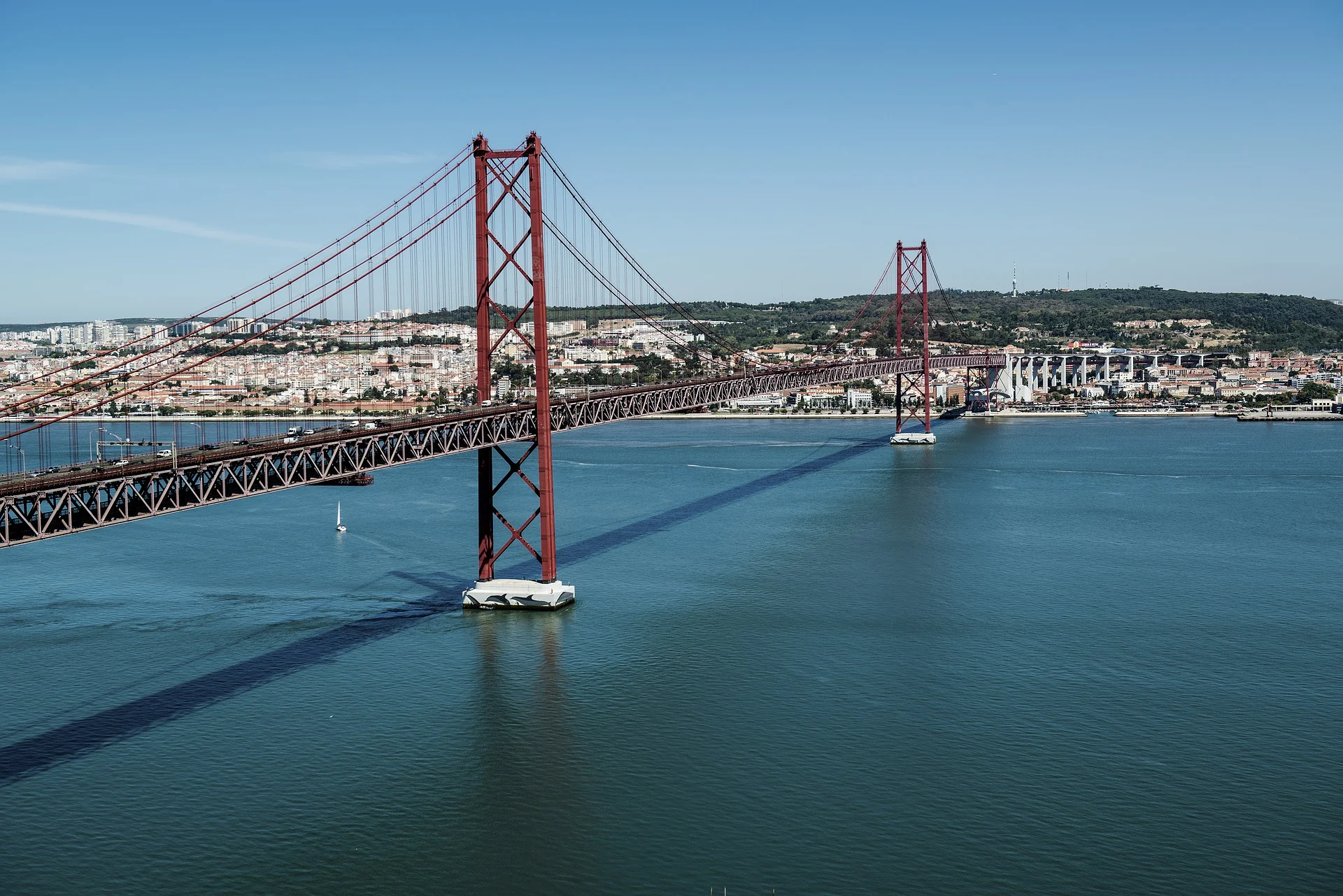
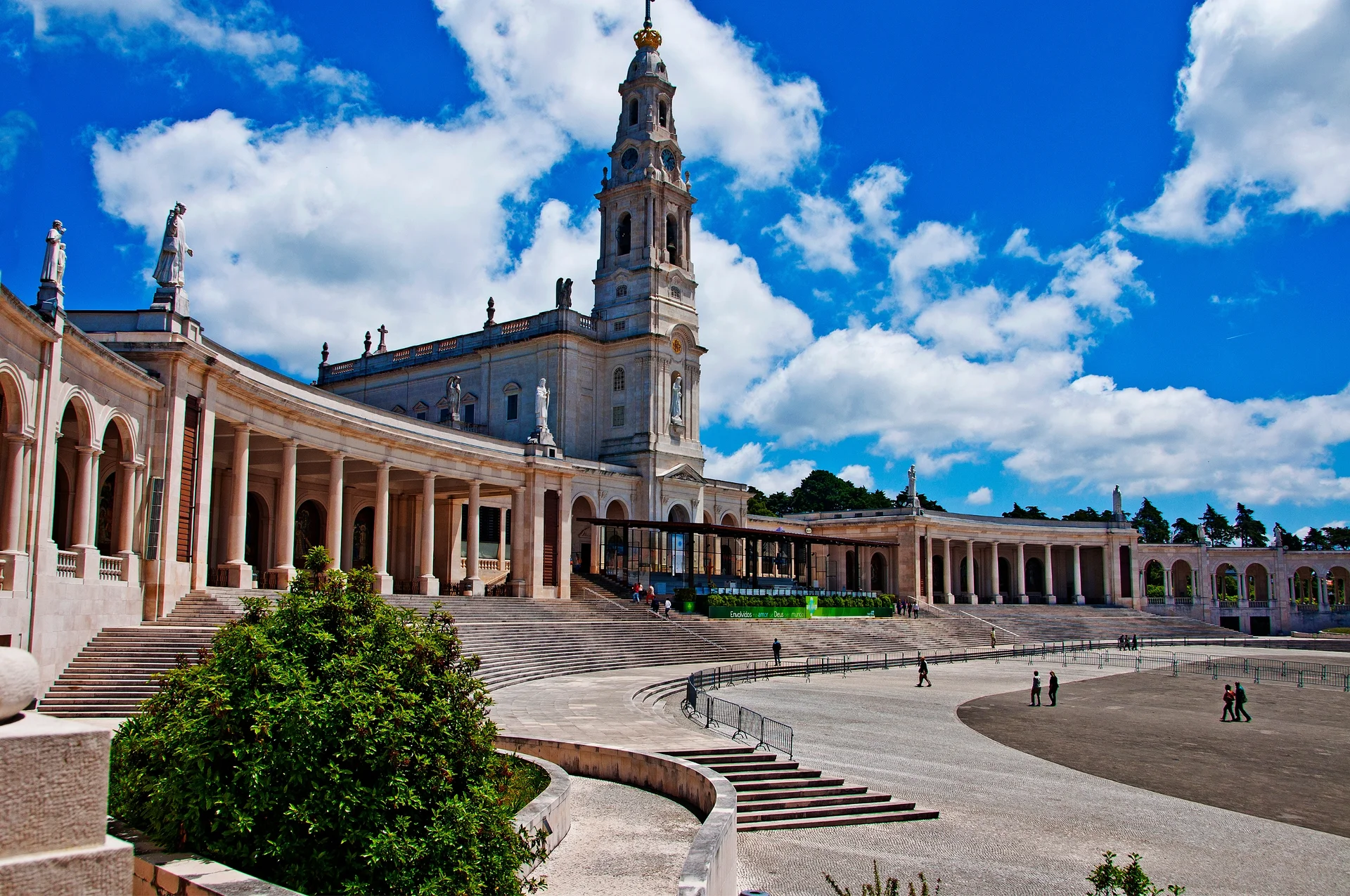
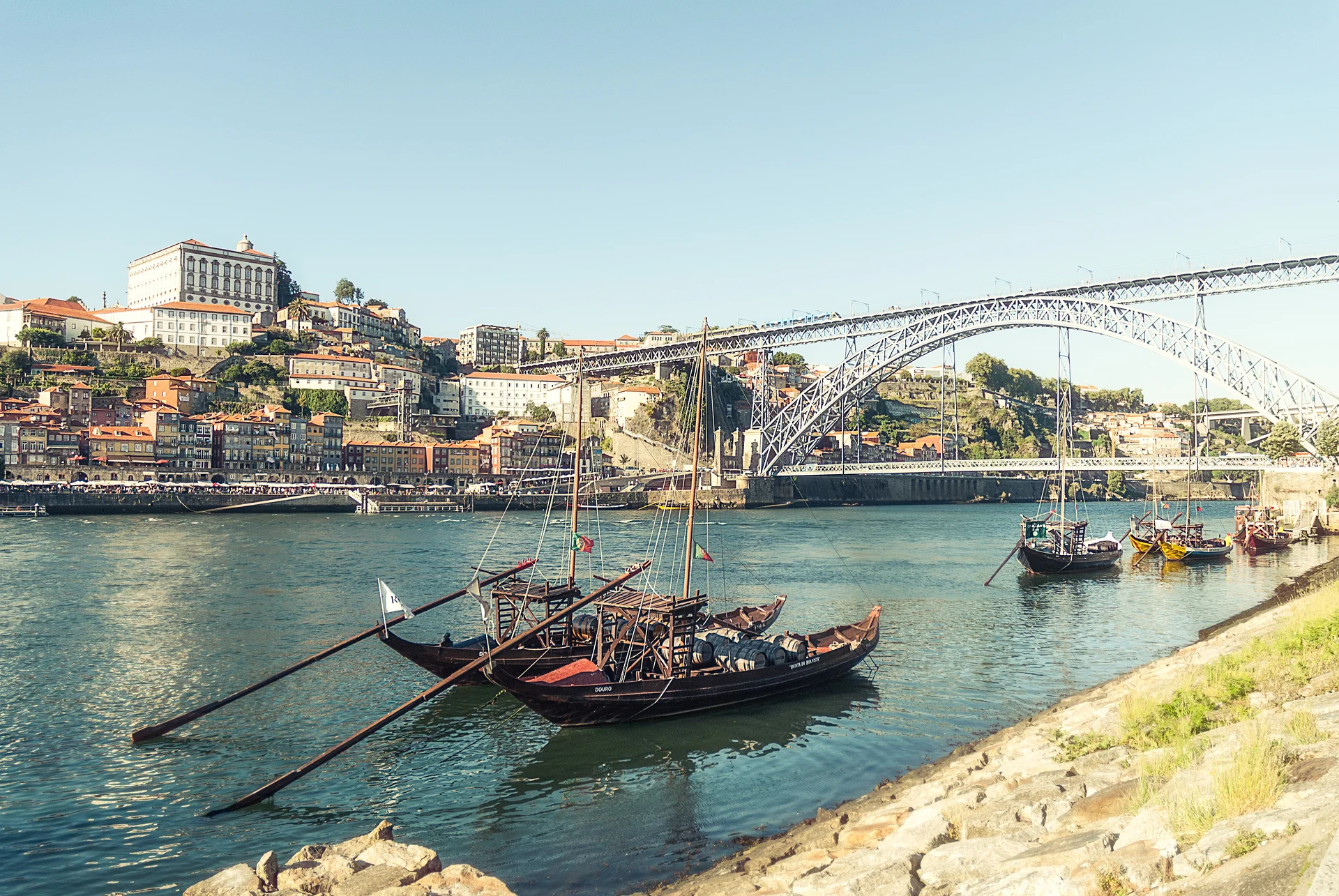
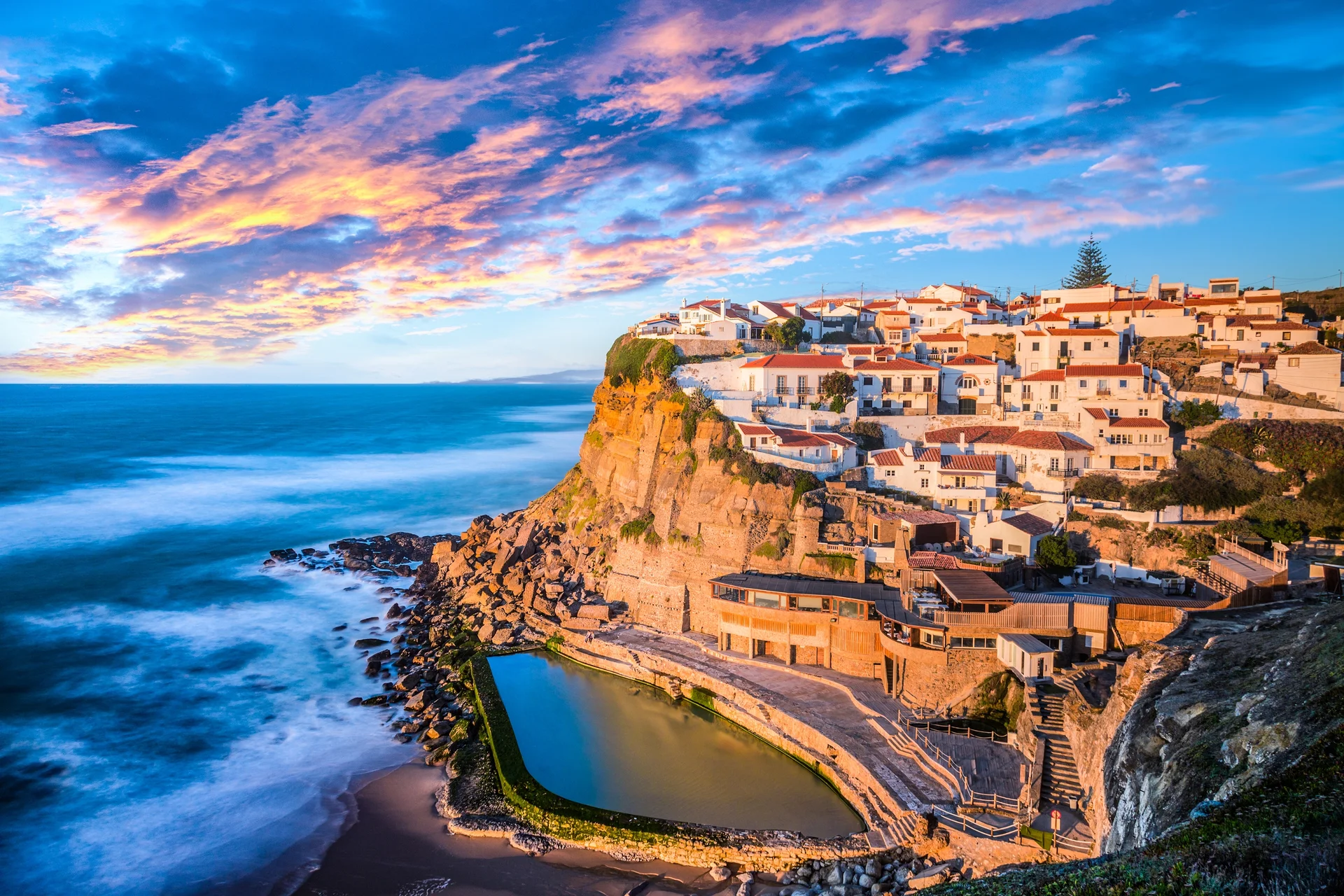
Portugal runs 350 miles (560 km) from north to south, and you travel it along a single line: Porto and the Douro Valley at the top, Lisbon and Sintra in the middle, the cliffs of the Algarve at the bottom. Before you book, you have two decisions to make: which half of the country you will see, since one week is not enough for all three, and the car, useless in the two big cities, essential for the Douro, the Alentejo and the southern coves. Book Pena Palace as soon as your dates are set: in summer, the morning slots sell out two weeks ahead.
At a glance
- When to go
- May, June and September: 22 to 27 °C (72 to 81 °F) in Lisbon, a sea already warm enough to swim in the Algarve, and hotel prices below those of July and August. In October, you will see the grape harvest in the Douro.
- How many days
- Eight days to travel down from Porto to Lisbon via the Douro, Coimbra and Óbidos; ten to twelve to end on an Algarve beach. With four days, choose one city and its surroundings.
- Where to base yourselves
- Lisbon for a first visit, with Sintra by train; Porto for the river and the Douro; Lagos for the Algarve cliffs. The details, area by area, are in "Where to stay".
- Budget for two
- About $1,870 for a comfortable week, hotels, meals, sights and trains included, flights excluded; a rental car adds $33 to $61 a day, plus tolls.
- Your moment together
- Walk up to the Miradouro da Senhora do Monte, the highest viewpoint in central Lisbon, at sunset: you see the whole city, São Jorge Castle and the Tagus below.
- Book ahead
- Pena Palace in Sintra, two weeks ahead in summer; lunch at a Douro quinta, a week ahead; a hotel inside the walls of Óbidos from spring for July and August.
Why Portugal for two
A country facing the Atlantic, where a dinner of grilled fish costs about $17, where the cities step down to the water in staircases and viewpoints, and where you drink port facing the river that once carried the barrels down to the cellars. You can combine two big cities to explore on foot, a valley of terraced vineyards, walled villages and, in the south, a coast of ochre cliffs.
Distances stay short: Porto is 2h50 from Lisbon by train, and the Algarve a three-hour drive from the capital. You can change scenery every two or three days without spending your days in transit.
When to go
| Period | Weather | Crowds | Our take |
|---|---|---|---|
| March to May | 17 to 24 °C (63 to 75 °F), showers in the north in March, sea at 16 to 17 °C (61 to 63 °F) | Moderate, heavy at Easter | Sintra's gardens in bloom, the Douro green, the cities on foot without the heat |
| June | 24 to 28 °C (75 to 82 °F), sea at 18 to 19 °C (64 to 66 °F) | Heavy on festival nights | Saint Anthony in Lisbon, the night of June 12 to 13, and Saint John in Porto, the night of June 23 to 24: grilled sardines and dancing in the streets |
| July and August | 28 to 35 °C (82 to 95 °F) in Lisbon and the Alentejo, sea at 20 to 22 °C (68 to 72 °F) in the Algarve | Very heavy | Beach season, but the Algarve and Sintra packed, and hotels at double the price |
| September and October | 22 to 28 °C (72 to 82 °F), first rains in the north in late October | Heavy in September, light in October | Our favorite: the Douro harvest, the warmest sea in the Algarve, the crowds gone |
| November to February | 10 to 16 °C (50 to 61 °F), frequent rain in Porto | Low, except at Christmas | Hotels at half price and the giant waves of Nazaré, but short days and closed quintas |
From late May through June, the jacarandas bloom purple in the streets of Lisbon.
When to go: the climate in Lisbon
The best months: April, May, June, July, August, September.
- Jan 15° 8° 10 rainy days Sea 16°
- Feb 16° 9° 8 rainy days Sea 15°
- Mar 19° 11° 8 rainy days Sea 15°
- Apr 20° 12° 8 rainy days Sea 16° best month
- May 23° 14° 6 rainy days Sea 17° best month
- Jun 26° 17° 2 rainy days Sea 19° best month
- Jul 29° 19° 1 rainy day Sea 19° best month
- Aug 29° 19° 1 rainy day Sea 20° best month
- Sep 27° 18° 4 rainy days Sea 20° best month
- Oct 23° 15° 9 rainy days Sea 20°
- Nov 18° 12° 10 rainy days Sea 18°
- Dec 15° 10° 10 rainy days Sea 17°
Monthly averages, in degrees Celsius.
Paperwork: passport, visa, health
| Documents | Visa | Health | |
|---|---|---|---|
| United States, Canada | Passport valid at least 3 months after you leave the Schengen area, issued within the last 10 years | None for stays up to 90 days | Travel insurance with medical cover |
| United Kingdom | Passport valid at least 3 months after you leave the Schengen area, issued within the last 10 years | None for stays up to 90 days in any 180 | Your free GHIC covers state healthcare in Portugal; travel insurance for the rest |
| Ireland | Passport or passport card in date | None | Free EHIC for public healthcare |
Entering the Schengen area from the US, Canada or the UK
On your first entry into the Schengen area, border police record your fingerprints and a photo (the EES system): allow extra time at passport control in Lisbon or Porto, or at your connecting airport if you change planes elsewhere in Europe. Check before you leave whether the ETIAS travel authorization is required on your dates; if it is, apply online at travel-europe.europa.eu.
Getting there
By plane, three airports
| From | Flight time | Good to know |
|---|---|---|
| New York, Newark, Boston | 6h30 to 7h | Nonstops to Lisbon year round with TAP, United and Delta; to Porto with TAP and United, mostly from April to October |
| Washington, Chicago, Miami | 7h to 8h30 | TAP nonstops to Lisbon; from other US cities, one stop in Lisbon, a US hub or a European hub |
| San Francisco, Los Angeles | 11 to 14 hours | TAP nonstop from San Francisco to Lisbon, mostly in season; from Los Angeles, one stop |
| Toronto, Montreal | 6h30 to 7h30 | Nonstops to Lisbon year round with Air Canada, Air Transat and TAP; to Porto and Faro mostly in summer |
| London (Heathrow, Gatwick, Stansted, Luton) | 2h15 to 2h45 | Several flights a day to all three airports: TAP, British Airways, easyJet, Ryanair |
| Manchester, Birmingham, Bristol, Edinburgh | 2h30 to 3h15 | Nonstops to Faro year round, to Lisbon and Porto from most of them: Ryanair, easyJet, Jet2 |
| Dublin | ~2h40 | Aer Lingus, Ryanair and TAP to the three airports |
Choose the airport by the half of the country you are visiting: Porto for the north and the Douro, Lisbon for the capital, Sintra and the Alentejo, Faro for the Algarve. To cross the country, buy a multi-city ticket, flying into one airport and out of another: with most airlines, it costs no more than a round trip.
From North America, the flights leave in the evening and land in the morning: ask the hotel for an early check-in, or book the room from the night before so you can sleep on arrival. From the UK and Ireland, flying is the only sensible option: there is no through train, and the drive runs over 1,200 miles (2,000 km).
Practical things to know before you leave
Phone and outlets
- US and Canadian plans charge roaming at full price, and most UK plans now charge for Europe too: turn on a travel pass or install a European eSIM before you leave. With an Irish plan, nothing changes, as Portugal is in the European Union.
- Outlets are type C and F, at 230 volts: American, Canadian, British and Irish plugs do not fit, so pack one adapter per person. North American 110-volt appliances only work if they are dual voltage, as phones and laptops are, but rarely hair dryers.
Money, tipping and the cover charge
- The euro everywhere, cards accepted almost everywhere; keep $22 in cash for small tascas (neighborhood taverns), markets and village cafés. Withdraw from bank-run Multibanco ATMs, and decline the conversion into dollars or pounds.
- In restaurants, the bread, butter, olives and cheese set on the table when you sit down, the couvert, are charged if you touch them: wave them away if you don't want them.
- Tipping is neither included nor expected at American levels: leave 5 to 10 % if the service was good, and round up in cafés and taxis.
Language and shoes
Don't speak Spanish to the Portuguese, it goes down badly: use English, widely spoken by anyone under fifty, and learn obrigado (thank you, obrigada if you are a woman) and bom dia. Tap water is safe to drink. Pack shoes with grip: the sidewalks of Lisbon and Porto are paved with polished limestone, slippery as soon as it rains.
What to book, and how far ahead
In Portugal, you book few things far ahead, but those few sell out: the morning slots at Pena Palace, a table at a Douro quinta, and hotels in the small walled towns in summer. Buy everything else the day before, online or on site.
| Site | Price per person | Book | Good to know |
|---|---|---|---|
| Pena Palace, Sintra | ~$22 | 1 to 2 weeks ahead in summer | Timed ticket, park included; the opening slot gets you in before the tour buses |
| Lunch at a Douro quinta | $39 to $55 | 1 week ahead | Book the cellar tour and tasting at the same time; several quintas close in winter |
| Jerónimos Monastery, Lisbon | ~$20 | The day before | Closed Mondays; at 9:30am, the line is short |
| Livraria Lello, Porto | Paid, deducted from a book | The day before | Online ticket with a time slot; at opening, 9am, the line is shortest |
| Dinner with fado, Lisbon | $55 to $77 | 1 week ahead | In Alfama, the singers perform during the meal, between courses |
| Benagil caves boat trip, Algarve | $28 to $44 | The day before in summer | Departures from Benagil, Carvoeiro or Portimão; canceled in rough seas |
From the airport to your hotel
© OpenStreetMap contributors
The three airports and the cities they serve
- Lisbon (LIS)
- Porto (OPO)
- Faro (FAO)
- 1Lisbon, Baixa
- 2Porto, Aliados
- 3Lagos
| Destination | Transport | Time | Typical fare |
|---|---|---|---|
| Lisbon, Baixa | Metro, red line, then one change | ~30 min. | ~$2.80 / pers. |
| Lisbon, Baixa | Taxi or ride-hailing (Uber, Bolt) | ~20 min. | $17 to $22 / taxi |
| Destination | Transport | Time | Typical fare |
|---|---|---|---|
| Porto, Aliados | Metro line E (purple) to Trindade | ~30 min. | ~$3.30 / pers. |
| Porto, Aliados | Taxi or ride-hailing | 20 to 25 min. | $22 to $33 / taxi |
| Destination | Transport | Time | Typical fare |
|---|---|---|---|
| Lagos | Rental car, on the A22 highway | ~1h | Toll-free |
| Lagos | Bus to Faro station, then regional train | ~2h15 | ~$11 / pers. |
What works best
In Lisbon and Porto, the metro is the simplest option by day; with two suitcases and a hotel on a stepped street, take a taxi or a ride-hail, which drops you at the door. For the Algarve, rent the car at Faro airport: without one, the beaches and villages along the coast are poorly connected.
Getting around
Trains between the big cities
The Alfa Pendular and Intercidades trains of the CP rail company link Porto, Coimbra, Lisbon and Faro on a single line; book online a few days ahead for the best fares. Between Porto and Lisbon, they are faster than the car, and you arrive right in the center, with no parking to find.
| Route | Train | Car |
|---|---|---|
| Porto, Lisbon | ~2h50, $28 to $39 | ~3h, 315 km (196 mi), tolls |
| Porto, Coimbra | ~1h05 | ~1h15, 120 km (75 mi) |
| Lisbon, Faro | ~3h | ~2h45, 280 km (174 mi) |
| Lisbon, Évora | ~1h30 | ~1h30, 135 km (84 mi) |
| Lisbon, Sintra | ~40 min. from Rossio | Not advised |
In town: metro, trams and funiculars
In Lisbon, buy a Navegante card ($0.55) from a metro machine and top it up: it works on the metro, trams, buses, funiculars and the trains to Sintra and Cascais. In Porto, the Andante card covers the metro, buses and the Guindais funicular. A ticket bought on board a tram or bus costs almost double.
Driving and tolls
Most highways are tolled. Some, around Porto and Lisbon, have no booths at all: gantries read the plate and the bill goes to the rental company, which charges it back to you with fees. Ask the rental desk for a Via Verde transponder, a few euros a day: it pays every toll, gantries and booths alike. The A22 in the Algarve and the A4 between Amarante and Vila Real are toll-free.
Rental companies require a credit card in the driver's name. A US, Canadian, UK or Irish license is accepted; with a North American license, also carry an International Driving Permit, which some rental desks ask for. Traffic keeps right, and most rental cars are manual: reserve an automatic early if that is what you drive.
Budget for two
Portugal remains one of the least expensive countries in Western Europe for eating out and train travel; Lisbon and Algarve hotels in summer, though, have caught up with the prices of the big capitals. What a week for two costs, flights excluded:
| Smart | Comfort | Splurge | |
|---|---|---|---|
| Hotel, per night | $88 to $121 (guesthouse, simple hotel) | $143 to $220 (boutique hotel in the center) | from $390 (palace, quinta, resort) |
| Meals, per day for two | $50 (lunch special, tasca) | $99 (a simple lunch, a restaurant dinner) | $198 (a chef's table) |
| Sights for the week | $66 | $154 with Pena, the Jerónimos and a tasting | $390 with a private Douro cruise |
| Transport for the week | $99 by train | $165 by train and taxi | $440 with a car and tolls |
| Total, seven nights | ~$1,100 | ~$1,870 | from $4,400 |
Useful benchmarks: a pastel de nata $1.40 to $1.70, a coffee $1.10, a lunch special with a drink $11 to $16, grilled sardines $14 to $18, a bottle of vinho verde in a restaurant $14 to $22, a port tasting in a Gaia lodge $17 to $28.
Specialties to try
Portuguese cooking comes from a country of fishermen and farmers: fish and seafood on the coast, pork and stews inland, and egg-yolk pastries handed down from the convents. You will eat best in the tascas and the marisqueiras, the seafood restaurants, rather than on the main street.
At the table
-
Pastel de nata
The puff-pastry custard tart, served warm with cinnamon: the most famous comes from Belém, in Lisbon, but every bakery has its own, to eat standing at the counter with a coffee.
-
Bacalhau
Salt cod, cooked in hundreds of ways: à Brás, shredded with eggs and matchstick potatoes, or com natas, baked with cream. Order it at least once in a tasca.
-
Sardinhas assadas
Sardines grilled over charcoal from June to September, when they are at their richest: laid on a slice of bread, with peppers and a salad, in the streets of Lisbon on festival nights.
-
Francesinha
Porto's sandwich, filled with meats, covered in melted cheese and drenched in a beer and tomato sauce, often with fries: a dish for two, to order at lunchtime.
-
Cataplana
The Algarve dish, cooked and served in a clam-shaped copper pot: clams, fish or pork, tomatoes and cilantro. Order it for two, and allow thirty minutes of cooking.
-
Polvo à lagareiro
Octopus roasted in the oven, drizzled with olive oil and garlic, with small potatoes crushed by hand: the specialty of fish restaurants from north to south.
To drink
Taste port in the lodges of Vila Nova de Gaia, across the river from Porto: tawny, aged in barrels, and white port, served chilled with tonic. Vinho verde, a young, lightly sparkling white from the north, goes with fish; the reds of the Douro and the Alentejo cost a few euros a glass. In the evening, try ginjinha, a sour cherry liqueur, in Lisbon and Óbidos. In a café, ask for a bica in Lisbon, a cimbalino in Porto: it is an espresso.
Customs and rules to know
The Portuguese are reserved and polite, and they warm to anyone who makes the effort of a word in their language: a few habits will spare you embarrassment or a fine.
| Rule | What happens |
|---|---|
| Entering a church with bare shoulders or knees | Turned away at the Jerónimos and in cathedrals; a scarf in your bag is enough |
| Smoking in a restaurant, bar or covered public place | A fine |
| Parking in a residents' space in Lisbon or Porto | Clamped or towed within hours |
| Swimming under a red flag | A fine, and lifeguards order you out of the water |
The Portuguese have lunch around 1pm and dinner between 8 and 10pm; in villages, many restaurants close on Sunday evening or Monday. Greet the staff when you walk into a shop or café, with bom dia in the morning and boa tarde in the afternoon.
Safety
Portugal is one of the safest countries in Europe: you can walk back to your hotel at night in Lisbon as in Porto. The risks come from the crowds and the ocean.
- Pickpockets on tram 28, in the Baixa and at the Santa Luzia viewpoint in Lisbon, and in the Ribeira in Porto: keep your bag closed and in front of you, your phone in an inside pocket.
- Drug sellers in the Baixa and Bairro Alto, who offer hashish or cocaine under their breath: ignore them and keep walking.
- The ocean: strong waves and currents even in fine weather, especially in the north and at Nazaré. Swim only on lifeguarded beaches, under a green or yellow flag.
- The Algarve cliffs collapse in chunks: do not lie at their foot, and stay back from the edge on the trails.
- Parking lots at beaches and viewpoints: leave nothing visible in the car, break-ins are common in summer.
Mistakes to avoid as a couple
Most disappointments in Portugal come from the same mistake: wanting the north, Lisbon and the Algarve in one week, and spending it on the road.
- Trying to see everything in seven days: for Porto, Lisbon and the Algarve, allow ten days at least. With a week, choose the north and Lisbon, or Lisbon and the south.
- Renting the car on arrival in Lisbon or Porto: you will pay $22 to $33 a night in parking for a car that never moves.
- Taking the highway without a Via Verde transponder: the electronic tolls of the barrier-free highways come back to you weeks later, marked up by the rental company.
- Driving up to Sintra on a summer day: the palace road is single-lane and the lots are full by 10am. Take the train from Rossio.
- Doing Sintra in half a day: for Pena, the Moorish Castle and the Regaleira, plan a full day.
- Expecting a warm Atlantic: 17 to 19 °C (63 to 66 °F) in Lisbon and the north in August. To swim for long, choose the Algarve.
Portugal
Compare hotel prices
Pick your dates and see the offers from the major booking sites side by side.
Compare live offers from Booking, Expedia, Agoda and other partners.
Portugal: find your hotel
Frequently asked questions
How many days do you need to visit Portugal as a couple?
Eight days for Porto, the Douro, Coimbra, Óbidos and Lisbon, heading from north to south; ten to twelve days to end with three nights in the Algarve. With four or five days, keep to one city: Lisbon with Sintra, or Porto with the Douro.
Do you need to rent a car in Portugal?
Not for Lisbon, Porto and Sintra, which you will explore on foot, by tram and by train; the train also links Porto, Coimbra, Lisbon and Faro. Rent a car for the Douro, the Alentejo, Óbidos and Nazaré, and for the Algarve, picking it up on the day you leave the city, with the Via Verde transponder for tolls.
Lisbon or Porto, if you only have time for one city?
Lisbon for a first visit: more neighborhoods, viewpoints and day trips, Sintra and Belém among them. Porto for a shorter, more intimate stay around the river and the port lodges, with a day in the Douro Valley.
What is the best time of year for a couple in Portugal?
May, June and September: 22 to 27 °C (72 to 81 °F), mild evenings on terraces, a sea warm enough to swim in the Algarve and hotel prices lower than in July and August. September and early October add the grape harvest in the Douro.
Is Portugal an expensive destination?
Less so than the US, Canada, the UK or Ireland for eating, drinking and taking the train; in summer, Lisbon and Algarve hotels reach the prices of Europe's big capitals. Allow about $1,870 for a comfortable week for two, flights excluded, and about $1,100 on a tighter budget.