





Iceland for couples: know before you go (2026)
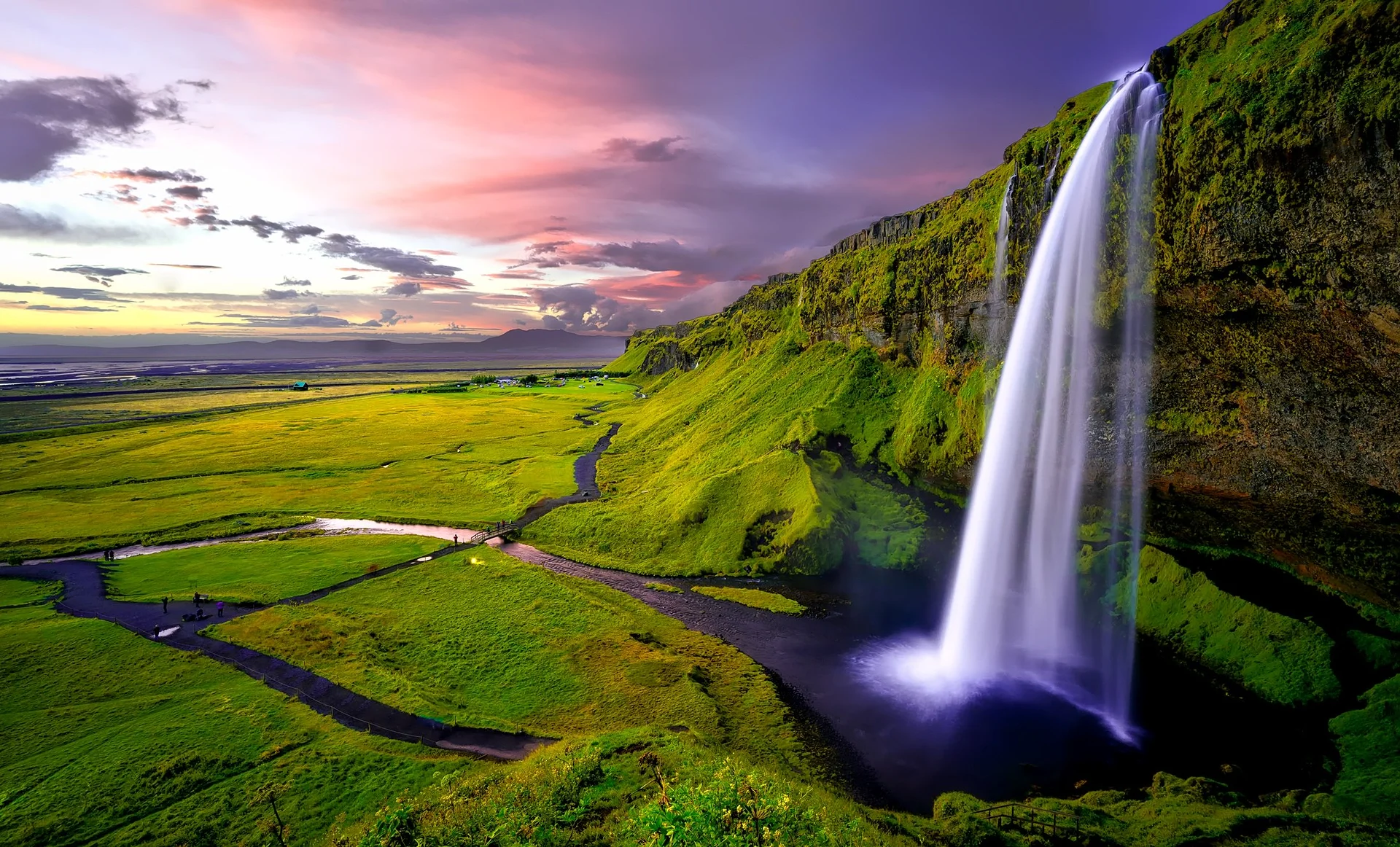
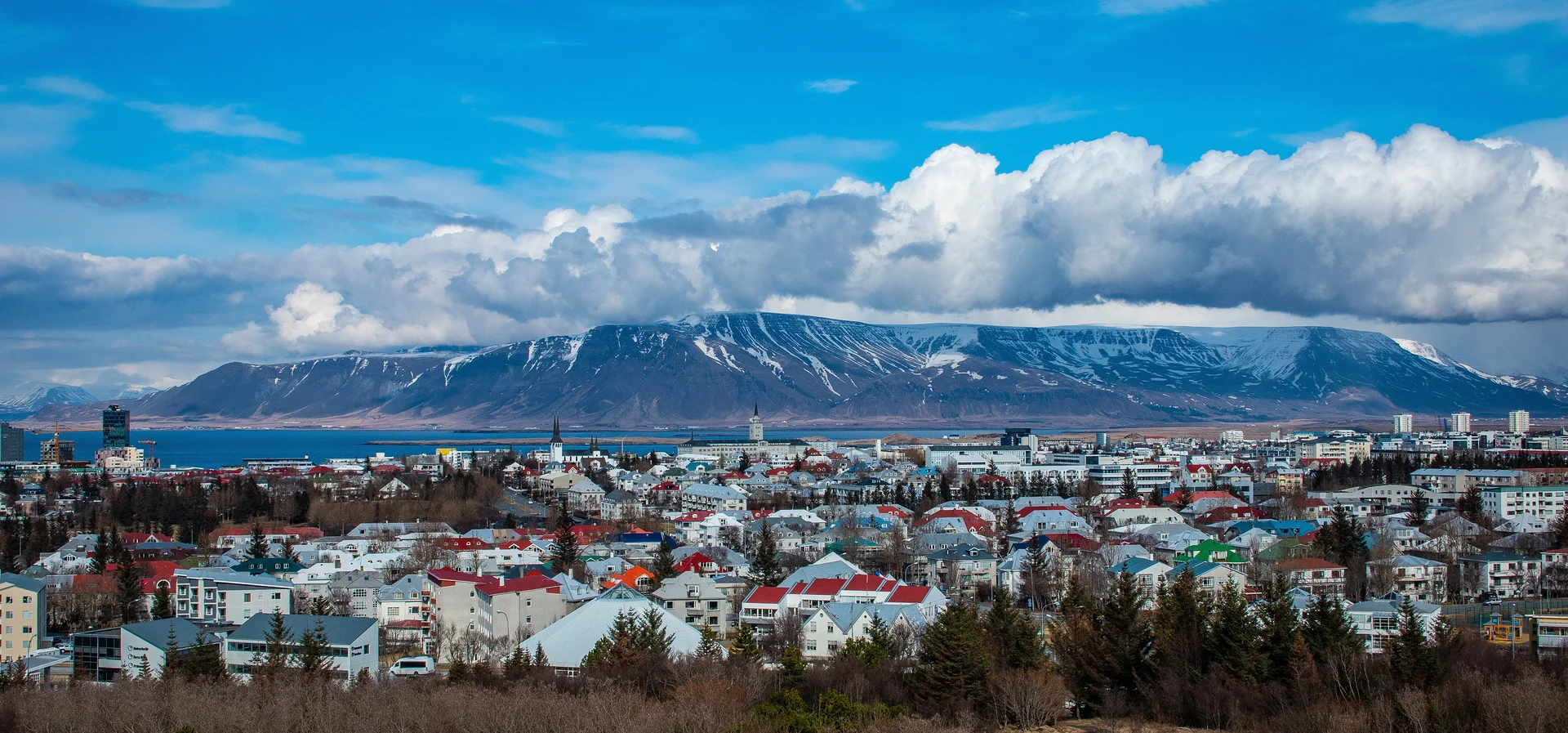
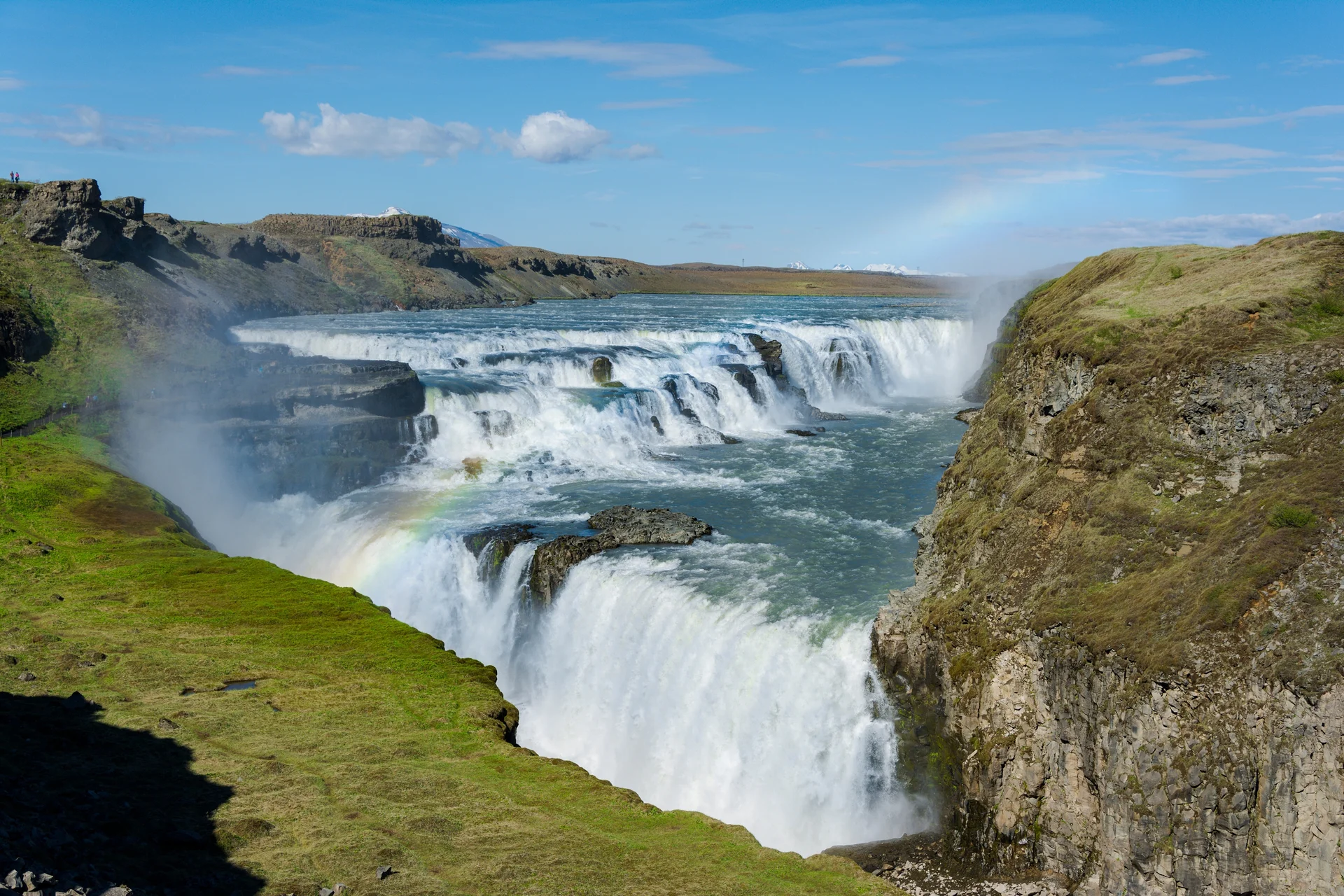
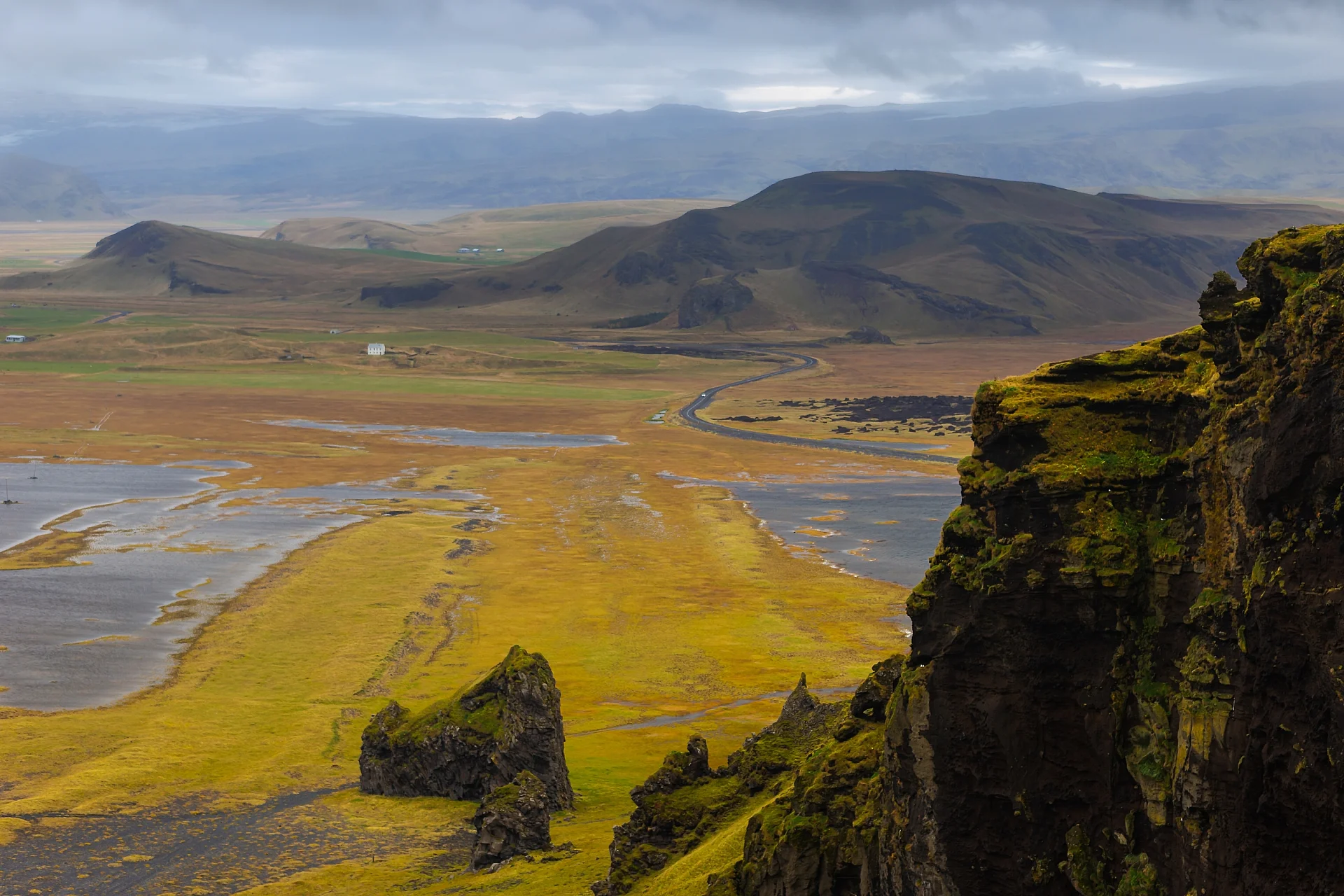
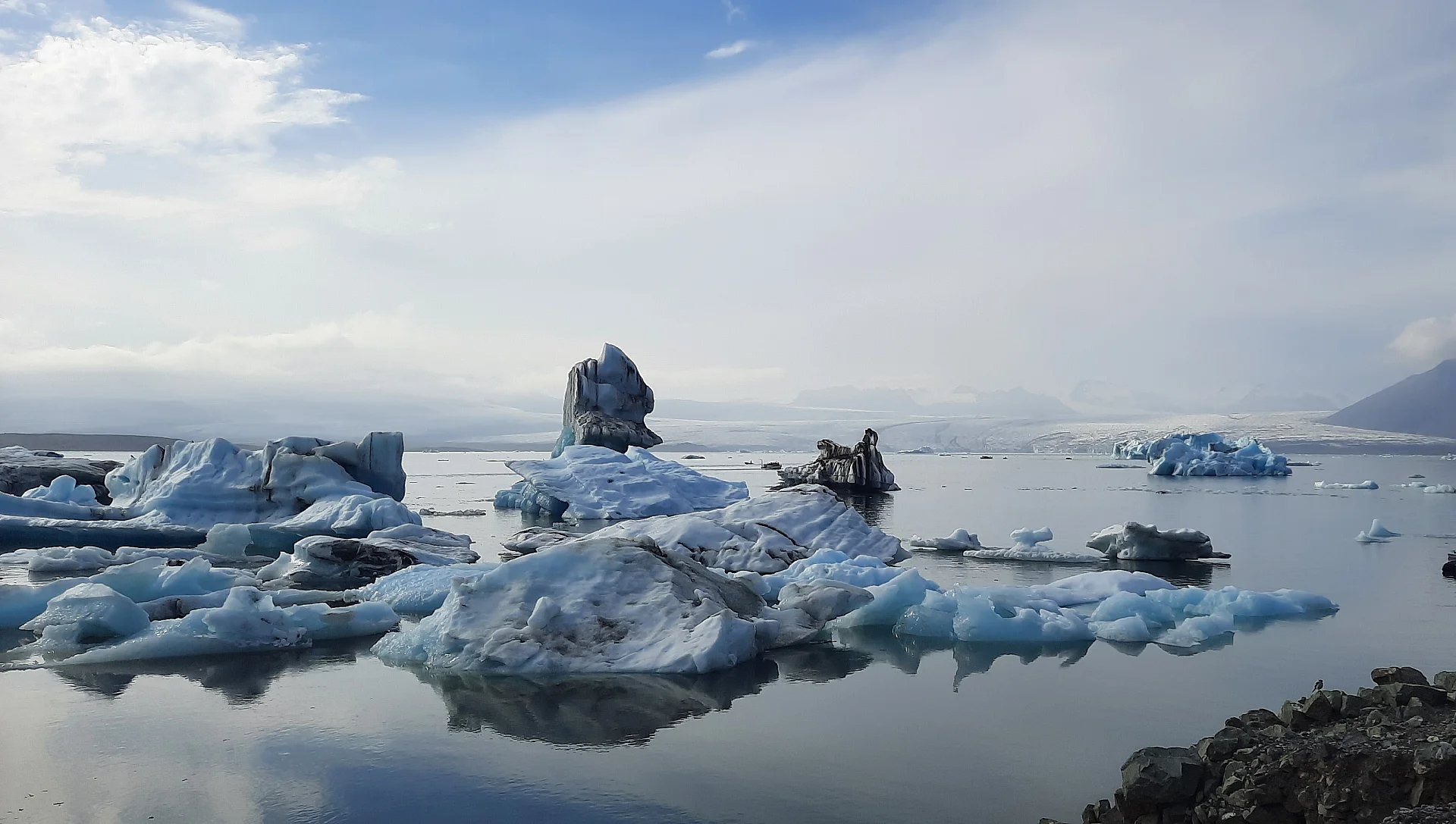
In Iceland, you will spend more time on the road than in any town: after the rift valley of Þingvellir, on the Golden Circle, the loop of three major sites an hour from Reykjavik, Route 1 runs past the Seljalandsfoss and Skógafoss waterfalls and the black beach at Vík, then reaches the glacier lagoon of Jökulsárlón, five hours' drive from the capital. Before you book, pick the season, which sets the hours of daylight and the state of the roads, and the number of nights outside Reykjavik: without them, you will only see the Golden Circle.
At a glance
- When to go
- Go from late August to early October: the roads are still clear, you get eleven to fifteen hours of daylight, and the first northern lights appear. Choose June and July for the midnight sun, November to March for snow and ice caves.
- How many days
- Plan seven days to reach Jökulsárlón and drive back, with one night on the Golden Circle and two near the glaciers, or five if you turn around at Vík.
- Where to base yourselves
- Change hotels almost every night: the Golden Circle, the south coast around Vík, then Öræfi, the strip of farms between Skaftafell and Jökulsárlón. Sleep in Reykjavik the first night, and the last one too if your flight leaves in the morning.
- Budget for two
- Plan on about $4,290 for seven comfortable days, flights not included, covering hotels, car, fuel, meals, tours and parking. The hotel and the car account for more than half of it.
- A moment for two
- Soak in an open-air hot bath at Laugarvatn, a lakeside village on the Golden Circle, then step out into the pitch-dark countryside: on a clear night, that is where you will see the northern lights.
- Book ahead
- Book the car and the hotels outside Reykjavik when you buy your plane tickets, three to six months before summer: Öræfi has only a handful of hotels. Book an ice cave tour two to four weeks ahead.
Why Iceland for two
Iceland is about the size of Kentucky, a little smaller than England, with only four hundred thousand people, two thirds of them around Reykjavik: once past the capital, you will drive for hours through moss-covered lava fields, past waterfalls by the roadside and glaciers that reach almost down to the sea. Villages have a few hundred residents, a gas station, a heated swimming pool and one or two hotels.
Along the 250 km (155 miles) of the south coast, from Seljalandsfoss to Jökulsárlón, you see the best of Iceland from the road: Seljalandsfoss, with a path behind the falls in summer, Skógafoss, the beach at Reynisfjara and its basalt columns, Skaftafell park at the foot of Vatnajökull, Iceland's largest glacier, then the icebergs of Jökulsárlón. At night, your hotel often stands alone on the plain: with no lights around, that is where you will see the northern lights best.
When to go
| Season | Daylight and roads | Crowds | Our take |
|---|---|---|---|
| June to August | 14 to 21 hours of daylight, 10 to 15 °C (50 to 59 °F), roads open | Very busy | Midnight light and puffins, but south-coast hotels are full months ahead and at peak prices |
| September and October | 8 to 14 hours of daylight, 5 to 11 °C (41 to 52 °F), first storms | Moderate | Our favorite: the first northern lights, roads still free of ice, prices coming down |
| November to February | 4 to 10 hours of daylight, -3 to 3 °C (27 to 37 °F), snow and wind | Low, except at Christmas | Ice caves and northern lights, but each driving day starts and ends in the dark |
| March to May | 11 to 20 hours of daylight, 0 to 8 °C (32 to 46 °F) | Moderate | Northern lights still in March, snowmelt in May, mountain roads closed until June |
The climate chart shows Reykjavik temperatures: the south coast is close, with more wind and more rain, and Vík is one of the wettest villages in the country. The northern lights show from late August to mid-April, when nights are dark and skies clear: check the forecast on vedur.is, the Icelandic weather office's site, the evening before.
Paperwork: passport, visa, health
| Documents | Visa | Health | |
|---|---|---|---|
| United States, Canada | Passport valid 3 months after you leave the Schengen area, issued within the last 10 years | None for up to 90 days | Travel insurance with medical cover and evacuation |
| United Kingdom | Passport valid 3 months after you leave the Schengen area, issued within the last 10 years | None for up to 90 days in any 180 | Travel insurance with medical cover and evacuation |
| Ireland | Passport or passport card, in date | None | EHIC for public healthcare, plus travel insurance |
Iceland is in the Schengen area and the European Economic Area, but not in the European Union. There is no ESTA-style form to fill in today: Americans, Canadians and Britons need nothing but their passport.
Passport control at Keflavík
With a US, Canadian or UK passport, on your first entry into the Schengen area, border police record your fingerprints and a photo (the EES system): allow extra time at passport control, at Keflavík or at the European airport where you connect. Also check before you leave whether the ETIAS travel authorization is required on your dates: if so, apply online at travel-europe.europa.eu.
Getting there
| From | Flight time | Good to know |
|---|---|---|
| New York (JFK, Newark), Boston, Washington | 5h30 to 6h | Icelandair year round; Delta and United from New York in season |
| Chicago | ~6h30 | Icelandair year round |
| Seattle | ~7h30 | Icelandair year round; from Denver, in season |
| Toronto, Montreal | ~5h30 | Icelandair from Toronto; Air Canada and Air Transat from Montreal in season |
| London | ~3h | Icelandair, British Airways and easyJet year round |
| Manchester, Edinburgh, Dublin | 2h to 3h | Nonstops year round |
Every international flight lands at Keflavík, 50 km (31 miles) from Reykjavik, on the Reykjanes peninsula. Iceland is on Greenwich time all year, with no daylight saving: four hours ahead of New York in summer and five in winter, seven to eight ahead of the West Coast; the same time as London in winter, one hour behind in summer.
From North America, overnight flights land at dawn: book the first night near the airport or in Reykjavik, and do not set off for the south coast on arrival day.
Practical things to settle before you leave
Cards, cash and gas
- Cards are taken everywhere, from hot-dog stands to campground showers: there is no need to buy Icelandic krónur (ISK).
- Most gas stations outside villages are unattended pumps that ask for a four-digit PIN. Many US cards have none: ask your bank for one before you leave, or buy a prepaid card from the company (N1, Olís, Orkan) at the counter of a staffed station.
- Most parking lots at the major sites charge about $7.70 a day, paid by app (Parka) or read from your license plate: pay within a few hours, or the rental company will bill you the fine plus its own fee.
- Tipping is not customary: service is included in the price, so you do not need to add 15 to 20 % at a restaurant.
Phone, outlets and clothing
- US and Canadian plans charge roaming at full price: turn on a travel pass or install an eSIM before you fly. UK plans vary by carrier, and many charge for Europe since Brexit; an Irish plan works as at home if your carrier includes Iceland. Coverage reaches Route 1, not always the valleys and trails.
- Outlets are type C and F, at 230 volts: bring an adapter, from North America as from the UK and Ireland. North American appliances also need to be dual voltage, which phones and laptops are, hair dryers rarely.
- Pack a waterproof jacket and pants, a wool layer, waterproof hiking boots and a swimsuit each, whatever the season. In winter, add slip-on traction cleats for icy parking lots and waterfall paths.
What to book, and how far ahead
Outside Reykjavik, the choice is thin: between Skaftafell and Jökulsárlón, over 60 km (37 miles), you will find only a handful of hotels, quickly full in summer. Book them when you buy your flights, with free cancellation, then the car.
| What | Price per person | Book | Good to know |
|---|---|---|---|
| South coast and Öræfi hotels | 3 to 6 months before summer | 1 to 2 months ahead in winter | |
| Rental car | With your plane tickets | Automatics and 4x4s go first | |
| Vatnajökull ice cave | $132 to $198 | 2 to 4 weeks ahead | November to March, from Jökulsárlón or Skaftafell |
| Glacier hike | $99 to $143 | 1 to 2 weeks ahead | Year round, at Sólheimajökull or Skaftafell, crampons provided |
| Zodiac on Jökulsárlón | ~$127 | 1 week ahead in summer | May to October; the amphibian boat, ~$55, the day before |
| Laugarvatn Fontana | ~$58 | The day before | Baths and sauna on the lakeshore, on the Golden Circle |
From the airport to your first night
© OpenStreetMap contributors
Keflavík and the first bases
- Keflavík (KEF)
- 1Reykjavik
- 2Laugarvatn
- 3Hvolsvöllur
- 4Vík
| To | Transport | Time | Typical fare |
|---|---|---|---|
| Reykjavik | Flybus to the BSÍ terminal | ~45 min. | ~$33 / pers. |
| Reykjavik | Rental car | ~45 min. | |
| Laugarvatn | Rental car, via Reykjavik and Þingvellir | ~2h | |
| Hvolsvöllur | Rental car, on Route 1 | ~2h | |
| Vík | Rental car, on Route 1 | ~3h |
Picking up the car at the airport
Rental companies have their desks in the terminal or at the rental lot, five minutes away by shuttle. For a road trip, pick the car up on arrival and drop it off when you leave: you skip the bus to Reykjavik and the paid parking downtown. Photograph the car before you drive off, body and windshield included: gravel on Route 1 chips both.
Getting around: the car, Route 1 and winter
Apart from coach tours out of Reykjavik, a car is the only way to follow the south coast at your own pace: public buses run once or twice a day. Route 1, the Ring Road, circles the island; paved all along the south coast, it has one lane each way, and one-lane bridges where whoever arrives first goes first. Traffic keeps to the right, which British and Irish drivers should keep in mind.
| Which car | When | Our take |
|---|---|---|
| Compact | May to September | Enough for Route 1, the Golden Circle and Skaftafell |
| 4x4 with winter tires | October to April | For snow, wind and icy parking lots; rental companies fit winter tires |
| High-clearance 4x4 | July to September | Only for mountain tracks (F-roads), not needed on the south coast |
- Before each day's drive, check umferdin.is for road conditions and vedur.is for wind: a closed road stays closed, and on an orange or red warning, stay at the hotel.
- The speed limit is 90 km/h (56 mph) on paved roads, 80 km/h (50 mph) on gravel and 50 km/h (31 mph) in villages; speed cameras are everywhere and fines are steep.
- Never pull over on the shoulder for a photo or a horse: drive on to the next signposted parking area.
- Hold the door with both hands when you open it in strong wind: a gust can rip it off, and insurance almost never covers that damage.
- Driving off roads and tracks is illegal and heavily fined, even a few yards onto the moss.
Fill up whenever the gauge drops below half: between Vík and Höfn, over 270 km (170 miles), the only stations are at Kirkjubæjarklaustur and at Freysnes, near Skaftafell. A liter of gas costs about $2.10.
Budget for two
Iceland is expensive everywhere, and more so outside Reykjavik, where an isolated hotel has no competition: you will often eat dinner there, with no other restaurant within 20 km (12 miles). Seven days and six nights for two, flights not included, cost roughly this much:
| Savvy | Comfort | Splurge | |
|---|---|---|---|
| Hotel, per night | $176 (guesthouse, shared bathroom) | $270 (country hotel) | from $530 (Hotel Rangá, Hótel Geysir) |
| Car and fuel, seven days | $610 | $830 | $1,210 (4x4) |
| Meals, per day for two | $99 (supermarket and soups) | $176 | $310 |
| Baths and tours | $165 | $580 (Blue Lagoon, Fontana, glacier hike) | $1,100 (ice cave, zodiac) |
| Parking at the sites | $66 | $66 | $66 |
| Total, seven days | ~$2,590 | ~$4,290 | from $7,700 |
For reference: a bowl of lamb soup with bread $17 to $22, a main course in a hotel restaurant $39 to $55, a beer $11 to $15, parking at a site about $7.70. The accommodation tax, about $6.10 per room per night, is often added to the bill.
What you will eat on the road
-
Kjötsúpa
Lamb and root-vegetable soup, served with unlimited bread in gas-station and farm cafés: the cheapest and warmest lunch on the south coast.
-
Arctic char
The fish of the south's glacial waters, grilled or smoked, on the menu at nearly every hotel in Öræfi, often farmed a few miles away.
-
Höfn langoustine
The fishing port east of Jökulsárlón has made it its specialty: in soup, grilled in garlic butter, or on a pizza.
-
Farm ice cream
Dairy farms on the Golden Circle sell their own ice cream over the counter; at Efstidalur, you eat it behind a window that looks onto the cowshed.
Tap and spring water is excellent: fill a water bottle. Alcohol is sold only in bars and in the state-run Vínbúðin stores, which keep short hours, or at the airport duty-free shop on arrival.
Customs and the rules of nature
| Don't | What happens |
|---|---|
| Get into a pool or hot bath without showering naked, with soap | An attendant sends you back to the locker room: it is the rule at every pool and lagoon |
| Sleep in your car in a parking lot or by the road | Illegal outside campgrounds, with a fine |
| Walk on the moss or leave marked trails | Moss takes decades to grow back; respect the ropes and signs |
| Fly a drone in a national park | Banned without a permit at Þingvellir, Skaftafell and Jökulsárlón |
| Climb onto an iceberg stranded on the beach | It can roll over or slide into water at 0 °C (32 °F) |
Icelanders go by first names with everyone, and a takk (thank you) works everywhere. In farm hotels, dinner is served early, often from 6 to 9 pm: arrive before 9, the kitchen does not reopen.
Safety
People are not the danger in Iceland: the sea, the wind, the ice and the road are. Every year, visitors die on the south coast after ignoring a sign.
- At Reynisfjara, sneaker waves surge without warning and drag people out to sea: stay behind the line and the warning lights, and never turn your back on the water.
- Never walk on a glacier without a guide: hidden crevasses under the snow, meltwater shafts, ice that gives way. Also stay behind the ropes at the glacier tongues.
- Parking lots and waterfall paths ice over from November to April, especially at Skógafoss and Seljalandsfoss: put on your cleats.
- In strong wind, especially between Vík and Skaftafell, sand and gravel strip paint and can tip over a high-sided vehicle: wait until the warning is lifted.
Mistakes couples should avoid
- Sleeping every night in Reykjavik and doing the south coast as day trips: Vík is 2h30 away, Jökulsárlón five hours, and you will spend your evenings on the road.
- Driving to Jökulsárlón and back to Reykjavik in a day: ten hours at the wheel. Spend at least one night in Öræfi.
- Booking hotels in Öræfi and Vík a month before summer: none are left, or only at luxury prices.
- Renting the cheapest car in winter: without a 4x4 or winter tires, a snowstorm keeps you stuck at the hotel.
- Trusting the GPS driving time: add an hour per leg for photo stops, wind and one-lane bridges.
Iceland
Compare hotel prices
Pick your dates and see the offers from the major booking sites side by side.
Compare live offers from Booking, Expedia, Agoda and other partners.
Iceland: find your hotel
Frequently asked questions
How many days do you need for Iceland's south coast?
Plan five days for the Golden Circle and the south coast as far as Vík, with one night in Reykjavik, one in Laugarvatn and two near Vík, and seven to reach Skaftafell and Jökulsárlón, with two nights in Öræfi. In winter, add a day for the weather.
Do you need a 4x4 for the south coast?
Not from May to September: Route 1, the Golden Circle and the parking lots at the sites are paved. From October to April, rent a 4x4 with winter tires, for the snow and icy parking lots more than for the road itself.
When can you see the northern lights on the south coast?
From late August to mid-April, on clear nights, most often between 10 pm and 2 am The vedur.is forecast shows the activity and the cloud cover for the night: at a country hotel, just step out into the parking lot, away from the lights.
Can you do the south coast without a car?
Yes, on coach tours from Reykjavik: a day trip to Vík, or a two- or three-day tour to Jökulsárlón with nights included. You lose the freedom to stop where you like and the evenings in the countryside.
Is Iceland too expensive for a couple?
Plan on about $4,290 for seven comfortable days, flights not included, and about $2,590 staying in guesthouses and buying picnics at the supermarket. The hotel and the car account for more than half of it.