





Bali for couples: what to know before you go (2026)
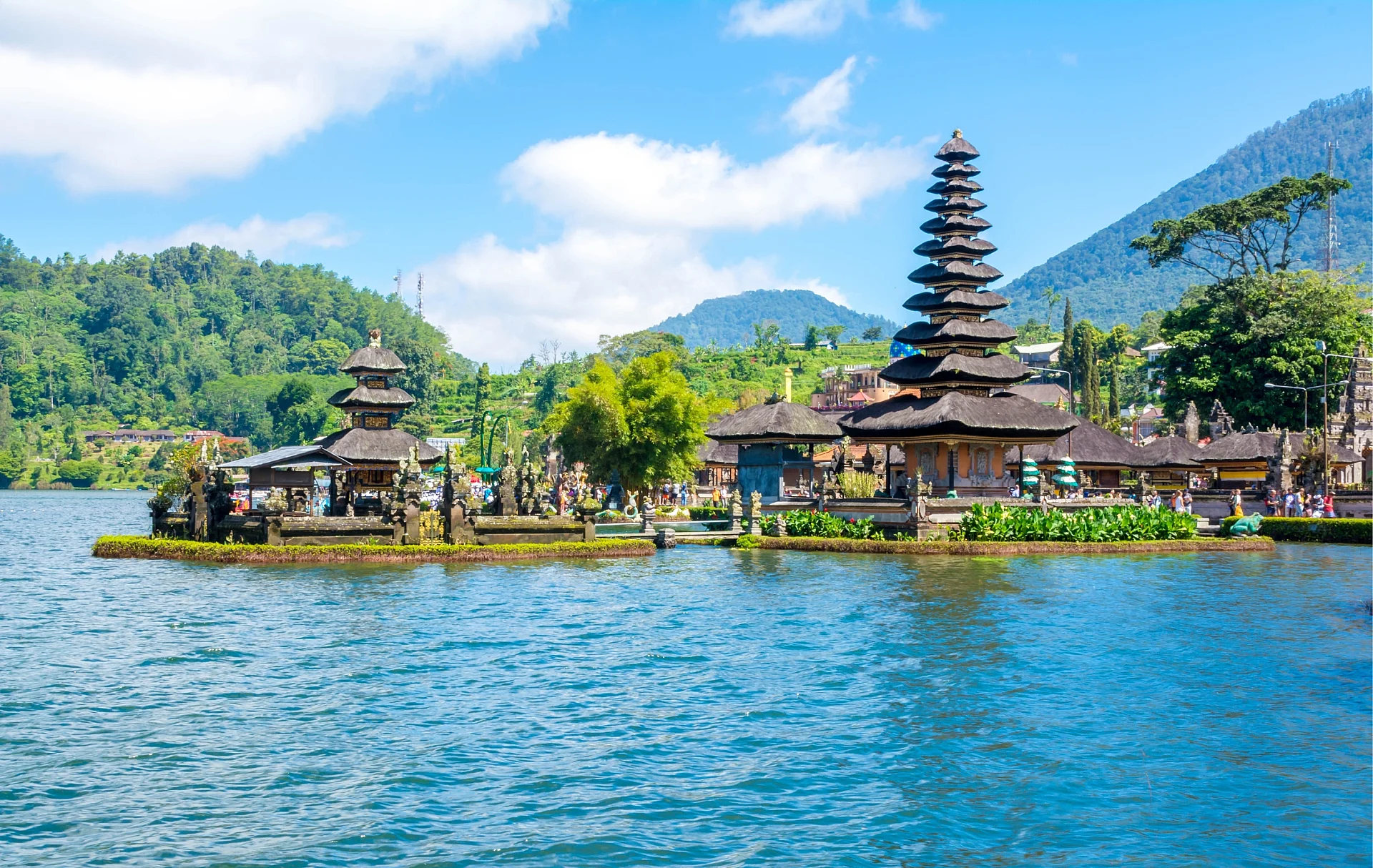
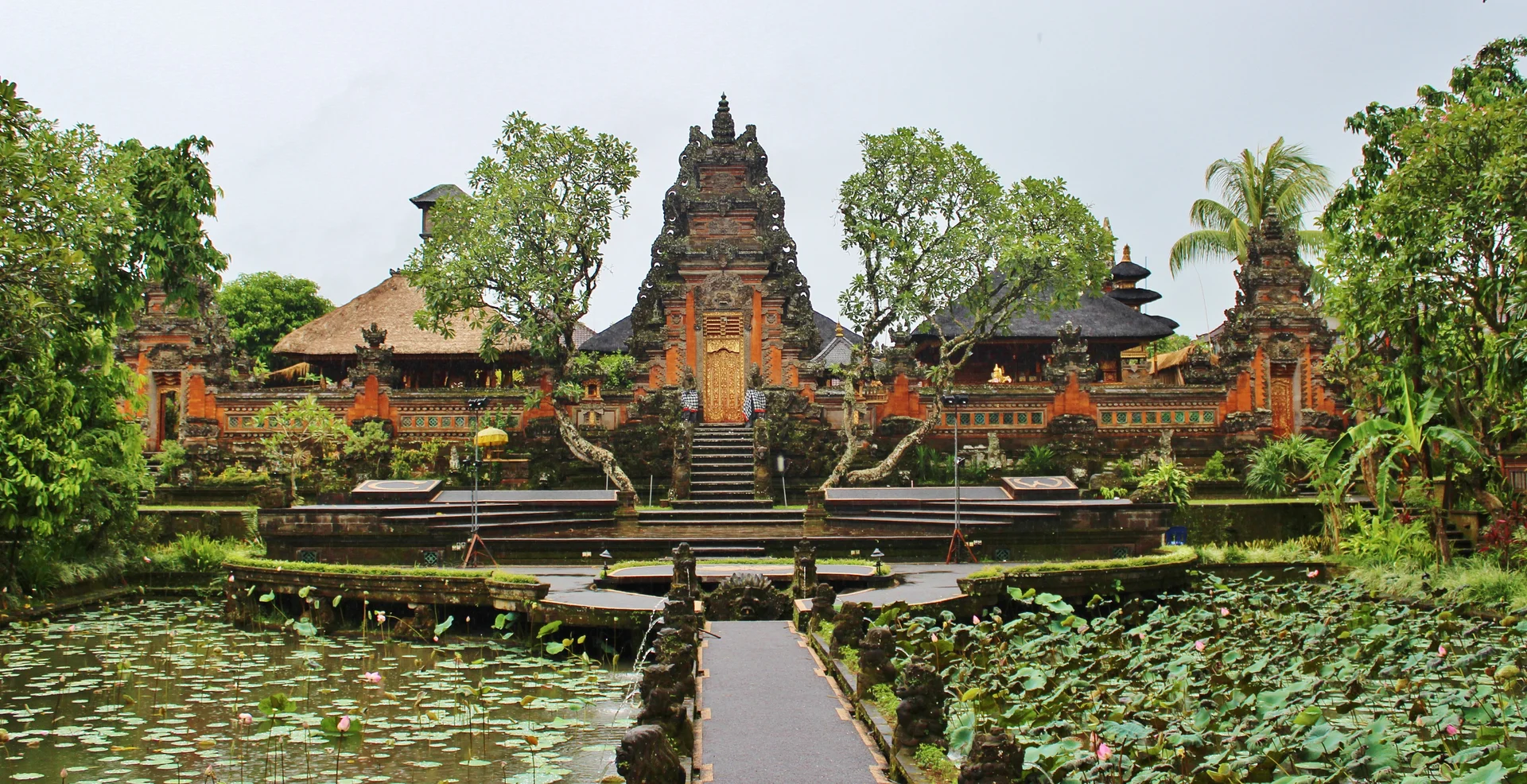
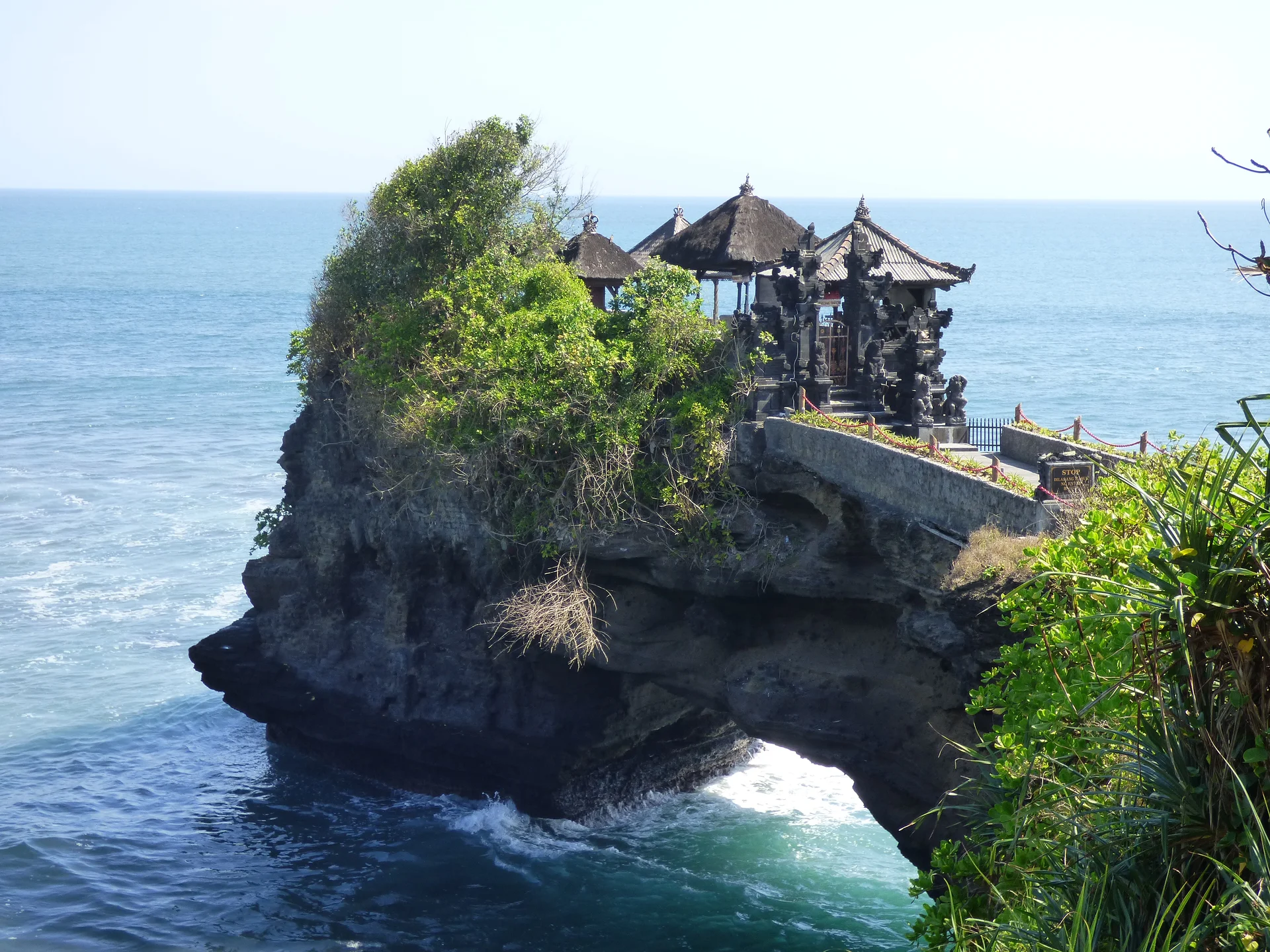
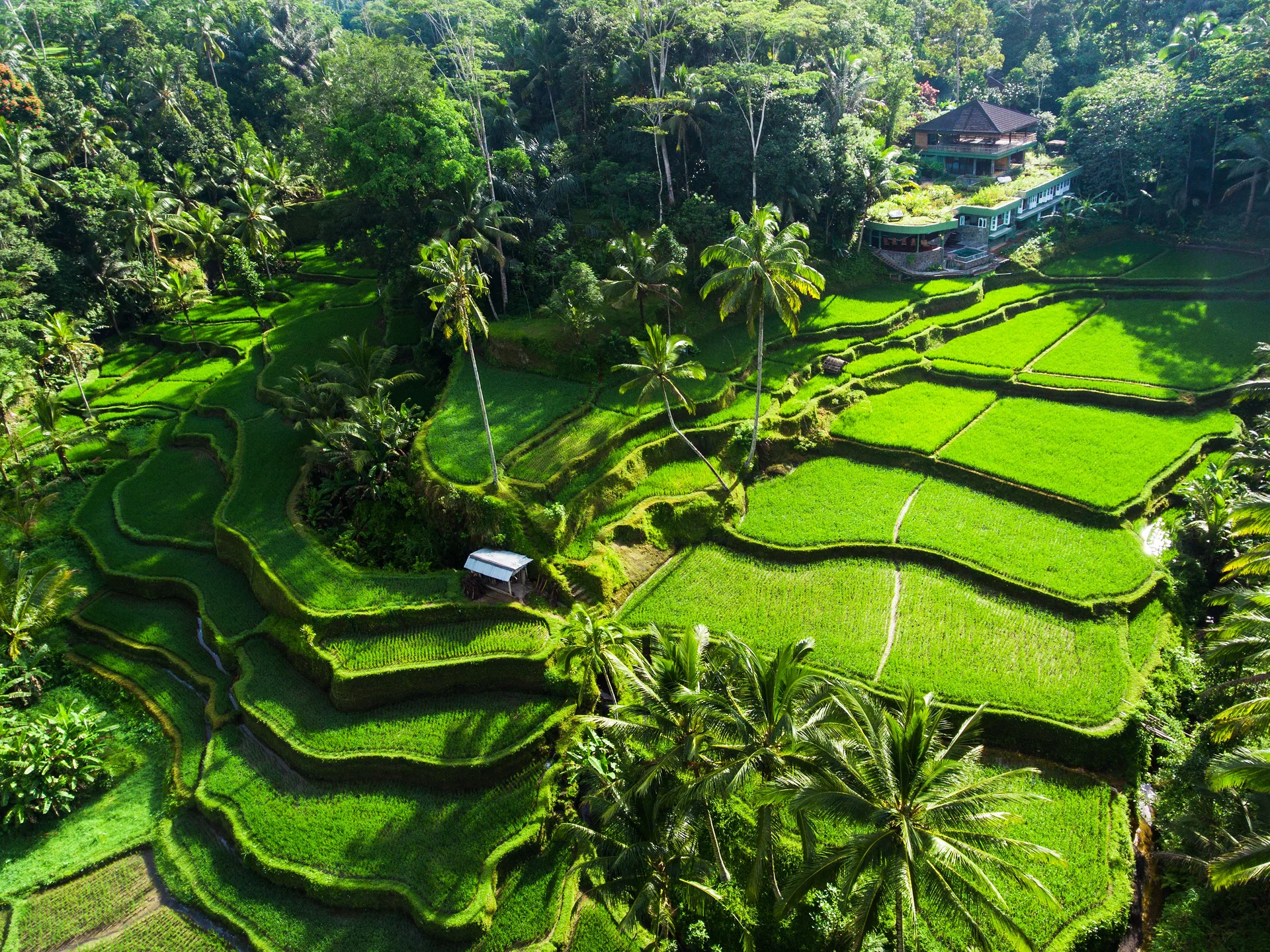
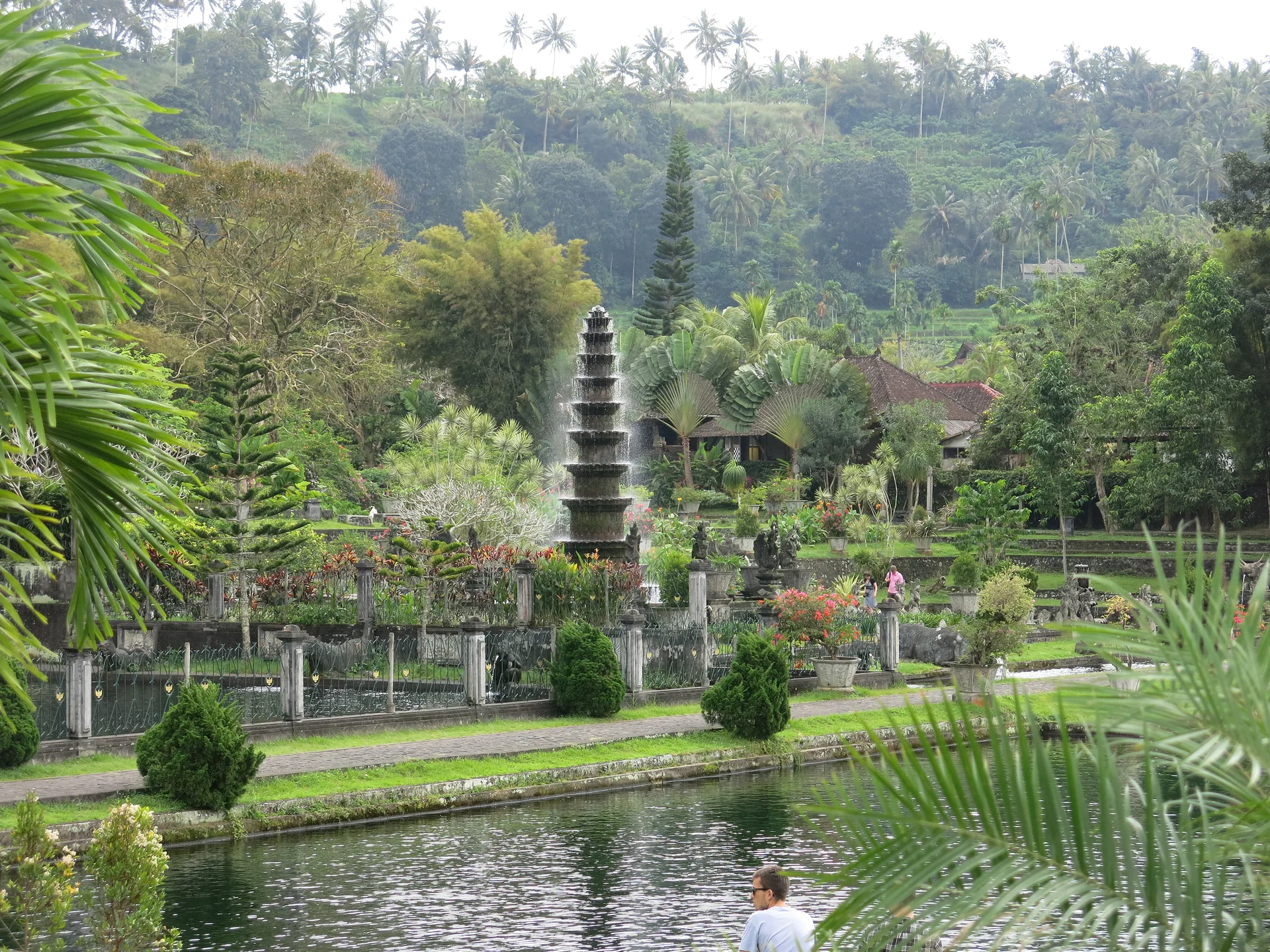
In Bali, measure distances in hours rather than miles: only 40 km (25 miles) separate Ubud, in the center of the island, from the cliffs of Uluwatu, in the south, but the drive often takes two hours. So pick two or three hotels along your route, and hire a driver for your sightseeing days. Go between April and October, in the dry season, and plan ten days on the island if you can: from North America, the UK or Ireland, the journey takes close to a day each way. From Australia, a nonstop flight of a few hours gets you there, and a week is enough.
At a glance
- When to go
- Go from April to June or in September: it's the dry season, with highs of 27 to 31 °C (81 to 88 °F), and there are fewer people than in July and August. From November to March, showers fall almost every afternoon.
- How many days
- Plan ten days on the island to see Ubud, the east coast and the Bukit Peninsula in the south, changing hotels twice; with a week, stick to two hotels, in Ubud and then in the south.
- Where to base yourselves
- Start in Ubud for the rice terraces and temples, then end by the sea: in Uluwatu for the cliffs, in Seminyak, north of the airport, for the evenings, or in Amed or Sanur for peace and quiet.
- Budget for two
- Count on about $2,310 for a comfortable week, with hotels, meals, a driver and sights included, flights excluded; about $1,100 on a smart budget.
- A moment for two
- At Uluwatu Temple, on its cliff at the southern tip of the island, watch the kecak, the monkey chant sung by a chorus of men, in the open-air theater above the ocean as the sun goes down.
- What to book
- Book hotels for July, August and the end-of-year holidays three to six months ahead, your driver a few days ahead, and the fast boat to Nusa Penida, the island across from Sanur, the day before.
Why Bali for two
Bali is an Indonesian island, mostly Hindu in a mostly Muslim country: you'll see thousands of temples, flower offerings set out every morning in front of homes and shops, and village ceremonies almost every week. In the center, around Ubud, terraced rice fields step down to deep river gorges; in the northeast, Mount Agung, the island's highest volcano, rises above 3,000 m (9,800 feet).
On the coasts, choose your base by the evenings you want: grilled fish on the sand at Jimbaran, just south of the airport, a sunset from a clifftop on the Bukit Peninsula, or a drink at a beach bar in Seminyak. In Amed, a string of fishing villages in the east, you spend your days in the water with a mask, snorkeling over coral a few yards from the shore.
| Area | What you do there | Our take |
|---|---|---|
| Ubud and the center | Rice terraces, water temples, dance shows, massages | The heart of the trip, three or four nights |
| Bukit Peninsula | Cliffs, coves, Uluwatu Temple, seafood in Jimbaran | The end of your stay, by the sea |
| Seminyak and Canggu | Restaurants, beach bars, shops, surfing | For the evenings, despite the traffic |
| Amed and the east | Snorkeling, Tirta Gangga water palace, villages | Peace and quiet, three hours from the airport |
| Sanur | Sheltered beach, seafront path, boats to Nusa Penida | A quiet coast, close to the airport |
When to go
| Period | Weather | Crowds | Our take |
|---|---|---|---|
| April to June | 27 to 31 °C (81 to 88 °F), dry season, rice fields still green | Moderate | Our favorite time: little rain and hotels still available |
| July and August | 26 to 30 °C (79 to 86 °F), dry, cool nights in Ubud | Very heavy | The best weather, but the busiest roads and sights of the year |
| September and October | 27 to 32 °C (81 to 90 °F), dry, then more humid | Moderate | The end of the dry season, with fewer people |
| November to March | 28 to 32 °C (82 to 90 °F), heavy afternoon showers, humid | Light, except at Christmas and New Year | Lower prices, but rain cuts sightseeing days short |
In the rainy season, from December to March, westerly winds often wash plastic waste onto the west coast beaches, from Kuta, near the airport, to Canggu: for swimming, head to Sanur, to Nusa Dua, the resort area on the east side of the Bukit Peninsula, or to the east coast instead.
Nyepi, the Day of Silence
On Nyepi, the Balinese New Year, in March or early April depending on the local calendar, the whole island shuts down for twenty-four hours: the airport closes, nobody goes out, and your hotel asks you to stay on its grounds and keep the lights low at night. Check the date before you book your flights. On the evening before, villagers parade huge papier-mâché demon figures, the ogoh-ogoh, through the streets.
Galungan, when the temples are decorated
Galungan, the festival of good's victory over evil, comes around every 210 days on the Balinese calendar, and Kuningan follows ten days later. In between, the streets are lined with tall decorated bamboo poles, the penjor, and families go to the temples in ceremonial dress. It's the best time to see the island's religious life; some sites close to visitors during ceremonies.
Entry requirements: visa, tourist levy and health
| Passport | Visa | Also to pay | |
|---|---|---|---|
| United States, Canada | Valid 6 months after your arrival date, return ticket required | Visa on arrival or e-VOA online, ~$33 / pers., 30 days | Bali tourist levy, ~$9.90 / pers. |
| UK, Ireland | Valid 6 months after your arrival date, return ticket required | Visa on arrival or e-VOA online, ~$33 / pers., 30 days | Bali tourist levy, ~$9.90 / pers. |
| Australia | Valid 6 months after your arrival date, return ticket required | Visa on arrival or e-VOA online, ~$33 / pers., 30 days | Bali tourist levy, ~$9.90 / pers. |
The visa on arrival, or online before you leave
The visa on arrival, or VOA, costs 500,000 rupiah per person and is valid for thirty days, extendable once for another thirty at an immigration office. Apply for it before you leave instead, in its electronic form, the e-VOA, on the Indonesian immigration website (evisa.imigrasi.go.id): at the airport, you then go straight to passport control. If you hold another passport, check on that site that your country is eligible.
The Bali tourist levy
You also pay the Bali provincial levy once per stay, 150,000 rupiah per person, on the official Love Bali website or app, preferably before you leave. Keep the receipt on your phone: you may be asked for it at the airport or at the entrance to some sights.
Health and insurance
No vaccines are required from North America, the UK, Ireland or Australia; doctors usually recommend hepatitis A and typhoid, and making sure your routine shots, tetanus included, are up to date. Dengue mosquitoes bite during the day: bring repellent. Take out insurance that covers medical care and evacuation, since the private clinics foreigners use in Bali are expensive; US health plans and Medicare rarely pay abroad, and Canadian provincial plans cover only part of the bill.
Getting there
By air, nonstop only from Australia
| From | Time | Good to know |
|---|---|---|
| New York, Washington | 24 to 30h | One or two stops, via the Gulf, Europe or Asia |
| Los Angeles, San Francisco | 19 to 24h | One stop in Asia, often Singapore, Taipei, Seoul or Tokyo |
| Vancouver | 19 to 24h | One stop in Asia, often Taipei, Seoul or Tokyo |
| Toronto, Montreal | 24 to 30h | One or two stops, via Europe, the Gulf or Asia |
| London, Dublin | 16 to 21h | One stop in the Gulf, Istanbul or Singapore |
| Sydney, Melbourne, Brisbane | ~6h | Nonstop flights |
| Perth | ~3h30 | Nonstop flights |
Bali is on the same time as Singapore and Perth: 13 hours ahead of New York and Toronto in winter and 12 in summer, 16 hours ahead of Los Angeles and Vancouver in winter and 15 in summer, 8 hours ahead of London and Dublin in winter and 7 in summer, and two or three hours behind Sydney and Melbourne. Coming from North America or Europe, stay awake until the evening on your first day, and don't plan a sunrise trip or a long drive before the third morning.
Adding Lombok or the Gili Islands
Fast boats run from eastern Bali, from the port of Padang Bai or from Amed, to the three Gili Islands, off Lombok, the next island east. They don't sail in rough seas: keep one night in Bali as a buffer before your flight home.
Practical things to know before you go
Phone
Roaming in Indonesia is expensive on most US, Canadian, UK, Irish and Australian plans unless you add an international pass: install an eSIM before you leave, or buy a local SIM card at the carriers' counters at the airport, showing your passport. To use Grab and Gojek, the ride-hailing apps that work like Uber on the island, you need a number that can receive text messages.
Plugs and voltage
Indonesian outlets take round two-pin European plugs (types C and F), at 230 volts. From the US, Canada, the UK, Ireland or Australia, bring an adapter, and check that your devices accept 230 volts: nearly all phone and laptop chargers do, but hair dryers and straighteners from North America often don't.
Money and tipping
- The currency is the Indonesian rupiah, and prices are often shown in thousands: “85k” means 85,000 rupiah, about $5.50.
- Withdraw cash from ATMs inside bank branches rather than from machines standing alone on the street, and change money at licensed exchange offices, never at a money changer offering a better rate than everyone else.
- On restaurant and hotel menus, “++” means a service charge and a local tax are added to the listed price, about 21% more in all (10% service, then 10% tax on the total).
- Tipping isn't expected the way it is in the US, especially when the service charge is already on the bill: leave a few notes for a masseur or a server if you're happy, and about $5.50 a day for your driver.
Water, dress and language
Don't drink tap water, and skip the ice at small street stalls; restaurants and hotels serve filtered water. Pack clothes that cover your shoulders and knees for temples. English is spoken in hotels and restaurants, and a few words of Indonesian are always welcome: terima kasih (thank you), selamat pagi (good morning), berapa? (how much?).
What to book, and how far ahead
You visit temples and rice terraces without booking, paying at the entrance. In high season, what runs out is rooms at the best hotels in Ubud and Uluwatu, the most recommended drivers and, every evening, seats for the Uluwatu kecak.
| What | Price | Book | Good to know |
|---|---|---|---|
| Hotels, July, August and holidays | Depends on the range | 3 to 6 months ahead | Villas with a private pool go first |
| Driver for the day | $44 to $61 / day | A few days ahead | Through your hotel or a recommended driver, fixed price for 8 to 10h |
| Uluwatu kecak | ~$9.90 / pers. | On the day | Arrive an hour early for a seat facing the sea |
| Fast boat to Nusa Penida | $17 to $33 / pers. | The day before | Round trip from Sanur, 30 to 45 min. crossing |
| Cooking class, massage | $17 to $39 / pers. | The day before | In Ubud, schools often include a morning market visit |
From the airport to your hotel
© OpenStreetMap contributors
Bali airport and the island's bases
- Bali airport (DPS)
- 1Sanur
- 2Seminyak
- 3Uluwatu
- 4Ubud
- 5Amed
| Destination | Transport | Time | Typical fare |
|---|---|---|---|
| Sanur | Airport taxi or driver | ~30 min. | $8.80 to $16 / car |
| Seminyak | Airport taxi or driver | 30 to 60 min. | $8.80 to $15 / car |
| Uluwatu | Airport taxi or driver | 45 to 60 min. | $11 to $18 / car |
| Ubud | Hotel driver | 1h15 to 2h | $22 to $36 / car |
| Amed | Hotel driver | 2h30 to 3h30 | $44 to $61 / car |
Bali International Airport, Ngurah Rai, sits on the isthmus that joins the Bukit Peninsula to the rest of the island, south of Denpasar, the capital. There is no train: take a taxi from the fixed-price counter in the arrivals hall, or have your hotel's driver meet you with your name on a sign. Grab and Gojek cars pick up passengers in a marked area of the parking lot.
Getting around
A driver rather than a rental car
Traffic drives on the left, on narrow roads crowded with scooters and with few clear signs off the main routes: few visitors rent a car. Hire a driver for the day instead, for eight to ten hours, fuel included: your driver waits outside each temple and knows when the sights are quieter. For a short ride in the south, Grab and Gojek show the fare before you set off.
| Option | Price | Good to know |
|---|---|---|
| Driver for the day | $44 to $61 / car | Fuel included, 8 to 10h, price set the day before |
| Transfer between two bases | $28 to $61 / car | Through the hotel you're leaving or the one you're going to |
| Grab, Gojek | $3.30 to $17 / ride | Banned from picking up in some villages, especially in Ubud |
| Rental scooter | $4.40 to $7.70 / day | International motorcycle permit required, frequent police checks |
| Fast boat, Sanur and Nusa Penida | $17 to $33 / pers. | Round trip, 30 to 45 min. crossing |
Driving times
Allow an hour and a half from Ubud to Seminyak, two hours from Ubud to Uluwatu, and two and a half to three hours from Ubud to Amed. Between 4 and 7 p.m., and on Sunday evenings in the south, add half an hour: the road to Seminyak and Canggu is jammed.
Budget for two
In Bali, you spend little on food and massages: your budget depends mostly on the hotel, from a guesthouse among the rice fields to a villa with a private pool on a cliff. Here is what a week for two costs, excluding flights, visa and insurance:
| Smart | Comfort | Treat | |
|---|---|---|---|
| Hotel, per night | $44 to $88 | $143 to $250 | from $500 |
| Meals, per day | $28 | $77 | $165 |
| Driver and transfers | $165 | $280 | $390 |
| Sights, spa, shows | $88 | $220 | $550 |
| Total, seven nights | ~$1,100 | ~$2,310 | from $5,500 |
Benchmarks: a nasi campur, a plate of rice with side dishes, in a warung, a small local eatery, $2.20 to $4.40; dinner for two at a good restaurant in Seminyak or Ubud $44 to $77; a one-hour Balinese massage $11 to $22; entry to a temple or rice terrace $3.30 to $6.60 per person; a cocktail at a beach bar $7.70 to $14.
Dishes to try
-
Babi guling
Suckling pig roasted on a spit, stuffed with spices, served with rice and crackling: the festival dish, served at lunchtime by specialist warung until it runs out.
-
Bebek betutu
Duck marinated in a spice paste, wrapped in banana leaves and slow-cooked: at some restaurants in Ubud, order it the day before.
-
Nasi campur
A plate of rice surrounded by small portions of vegetables, meat, egg and sambal, the chili sauce: the cheapest and most varied lunch on the island.
-
Sate lilit
Skewers of minced fish or chicken with spices and coconut, wrapped around a lemongrass stalk and grilled over charcoal.
-
Kopi Bali
Coffee from the Kintamani plantations, on the slopes of Mount Batur, north of Ubud, served black with the grounds at the bottom of the cup: wait for them to settle before you drink.
-
Es kelapa muda
A green coconut opened in front of you, drunk through a straw, then the flesh scraped out with a spoon: on every beach, for a few thousand rupiah.
Customs and rules to know
The Balinese pray and place offerings every day, in the street as much as in the temple, and they appreciate visitors who follow these few rules.
| Situation | What you do |
|---|---|
| Entering a temple | Wear a sarong tied at the waist and a cloth sash, lent or rented at the entrance to the main sites, and cover your shoulders |
| Offerings | Step around the small baskets of leaves and flowers, the canang sari, placed on the ground: don't walk on them |
| A ceremony under way | Stay back, don't walk in front of people praying, and ask before taking photos |
| Gestures | Give and receive with your right hand, and don't touch anyone's head, not even a child's |
| At the market | Bargain with a smile over souvenirs, never over restaurant or massage prices, which are posted |
| Sacred places | Don't climb temple walls or sacred trees, and don't pose in beachwear in front of a temple |
Safety
Bali is a safe island for a couple: violent theft is rare. The risks lie elsewhere, on the road, in the water and with animals.
- Scooter accidents are the leading reason visitors end up in the hospital: without a motorcycle license and experience, don't ride one.
- Monkeys in the Ubud forest and at Uluwatu Temple snatch glasses, phones and earrings: put them in a closed bag before you go in.
- After a bite or scratch from a monkey or a dog, see a doctor the same day: rabies is present on the island.
- On the west coast, from Kuta to Canggu, currents are strong: swim between the red and yellow flags, in front of the lifeguard stations.
- Cover the keypad when you enter your PIN at an ATM, and check that nothing is stuck over the card slot.
- Count your notes again in front of the money changer before you leave the counter.
Mistakes to avoid
- Keeping a single hotel and making a round trip to Ubud, Amed or Uluwatu every day: you'd spend four hours a day in the car.
- Planning a long drive in the south between 4 and 7 p.m., when traffic is at its worst.
- Arriving without having paid the tourist levy or filled in the arrival declaration, and losing time at the airport after a long flight.
- Booking your flight for Nyepi, when the airport is closed.
- Renting a scooter without a motorcycle license, and finding out after an accident that your insurance covers nothing.
- Staying in Kuta, the island's busiest and noisiest beach.
Bali
Compare hotel prices
Pick your dates and see the offers from the major booking sites side by side.
Compare live offers from Booking, Expedia, Agoda and other partners.
Bali: find your hotel
Frequently asked questions
Do you need a visa for Bali?
Yes. US, Canadian, UK, Irish and Australian citizens get a visa on arrival, or the e-VOA online before leaving, for 500,000 rupiah per person and thirty days. Add the Bali tourist levy, 150,000 rupiah per person, paid online.
How many days do you need in Bali?
With ten days on the island, spend four nights in Ubud, two on the east coast and three in the south, without any overly long drive. With a week, keep two bases, Ubud and then the Bukit Peninsula or Seminyak.
What is the best time to go to Bali?
Go from April to June or in September: the dry season has just begun or is ending, and the island is less crowded than in July and August. From November to March, heavy rain falls almost every afternoon, and the west coast beaches are less clean.
Can you drive yourself in Bali?
You can, with an International Driving Permit, but driving on the left, the scooters and the lack of signs make the roads tiring. A driver for the day costs about $44 to $61 for the car, fuel included.
Is Bali good for a honeymoon?
Yes, as long as you choose quiet hotels: a villa in the valleys around Ubud, then a hotel on the cliffs of Uluwatu or a bungalow by the water in Amed. Avoid Kuta and central Seminyak if you want peace and quiet.