




Martinique for couples: what to know before you go (2026)
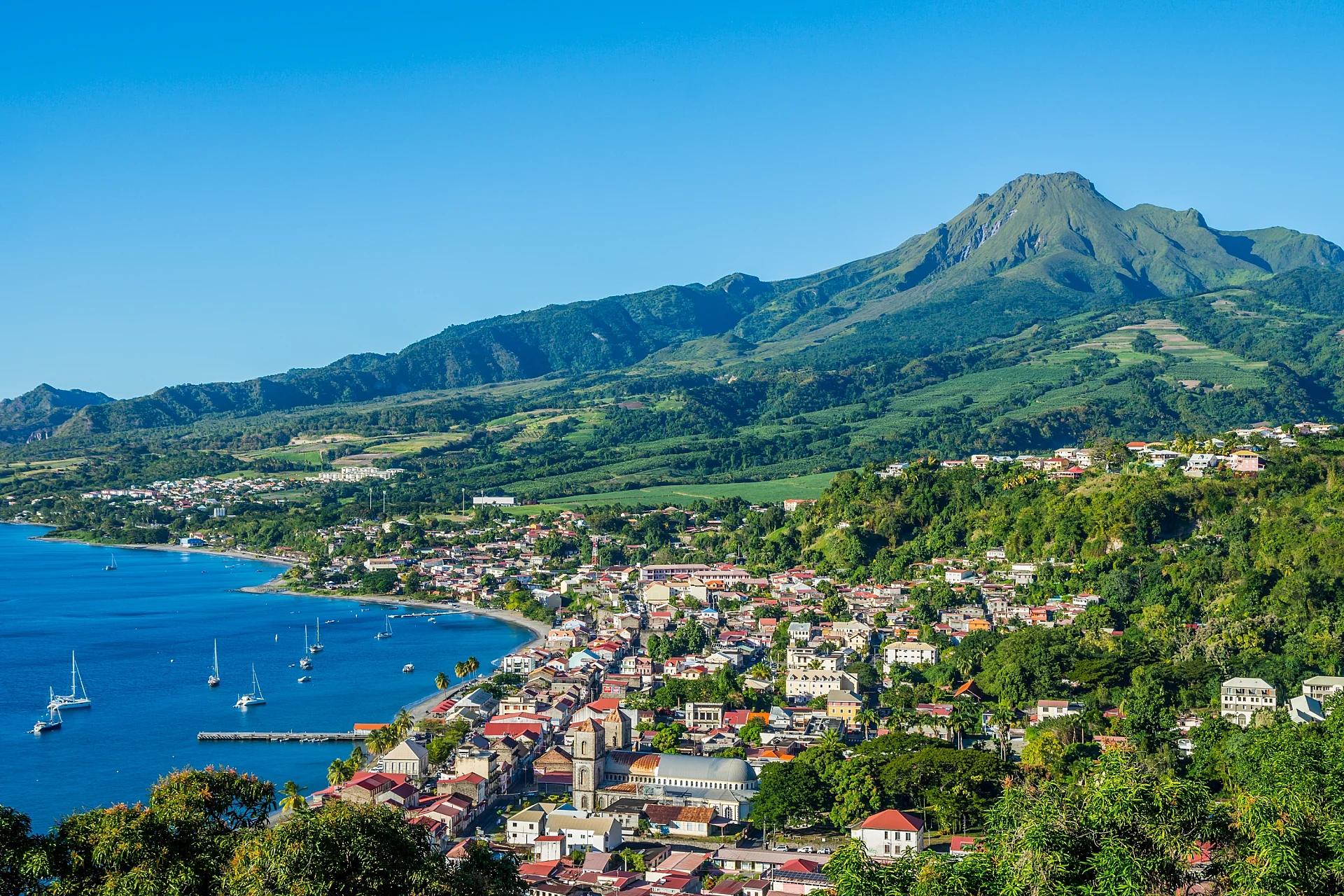
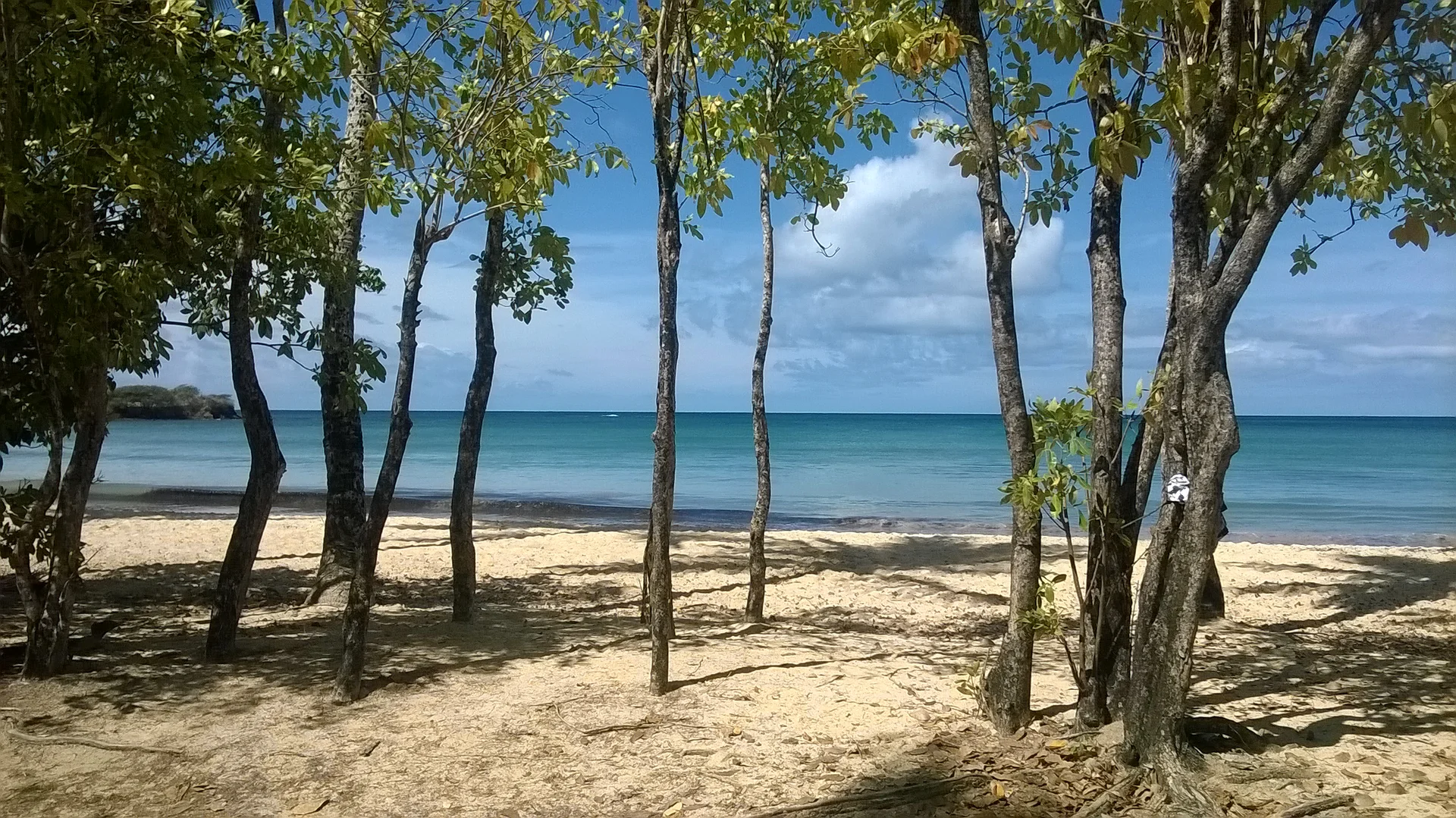
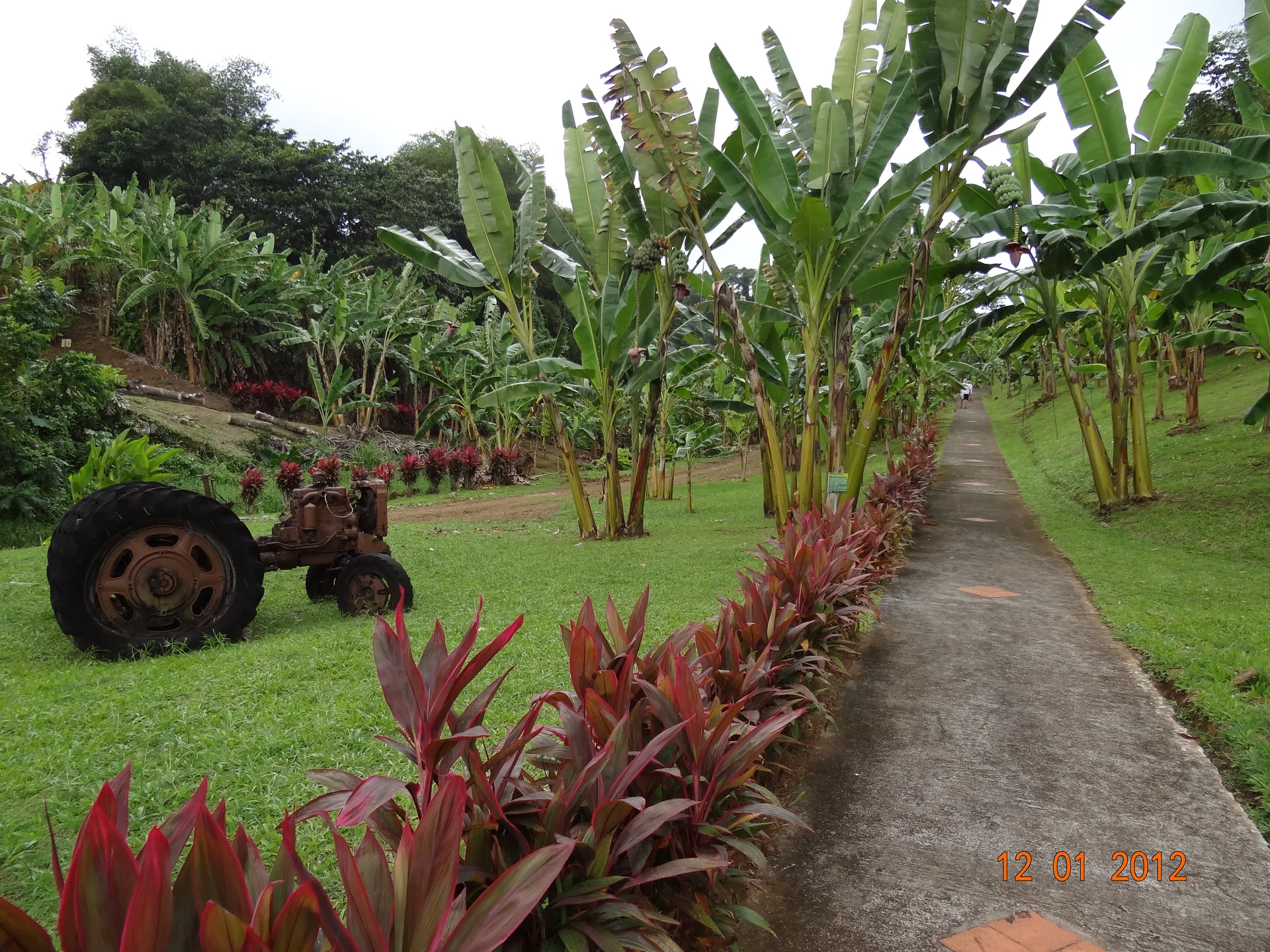
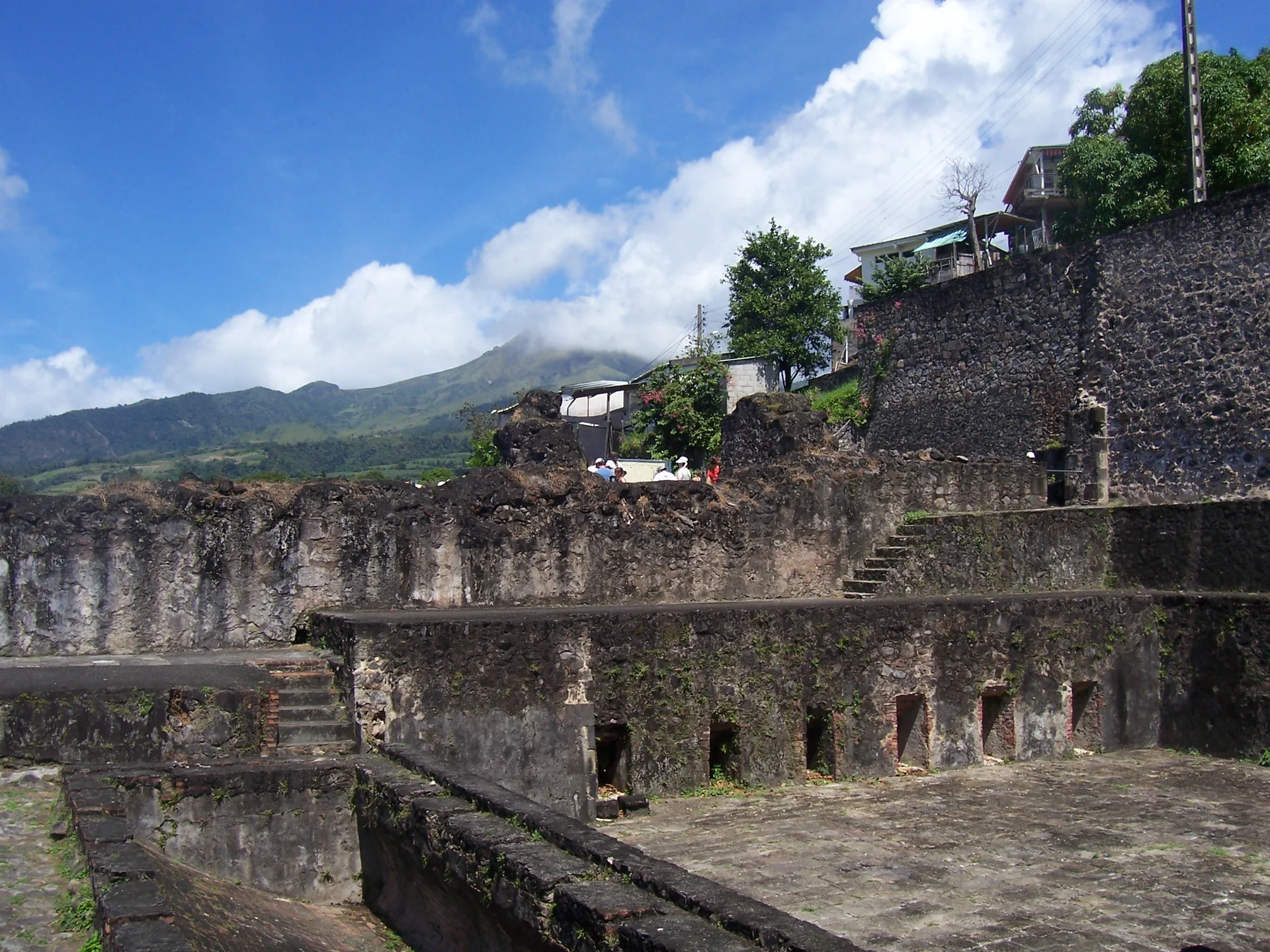
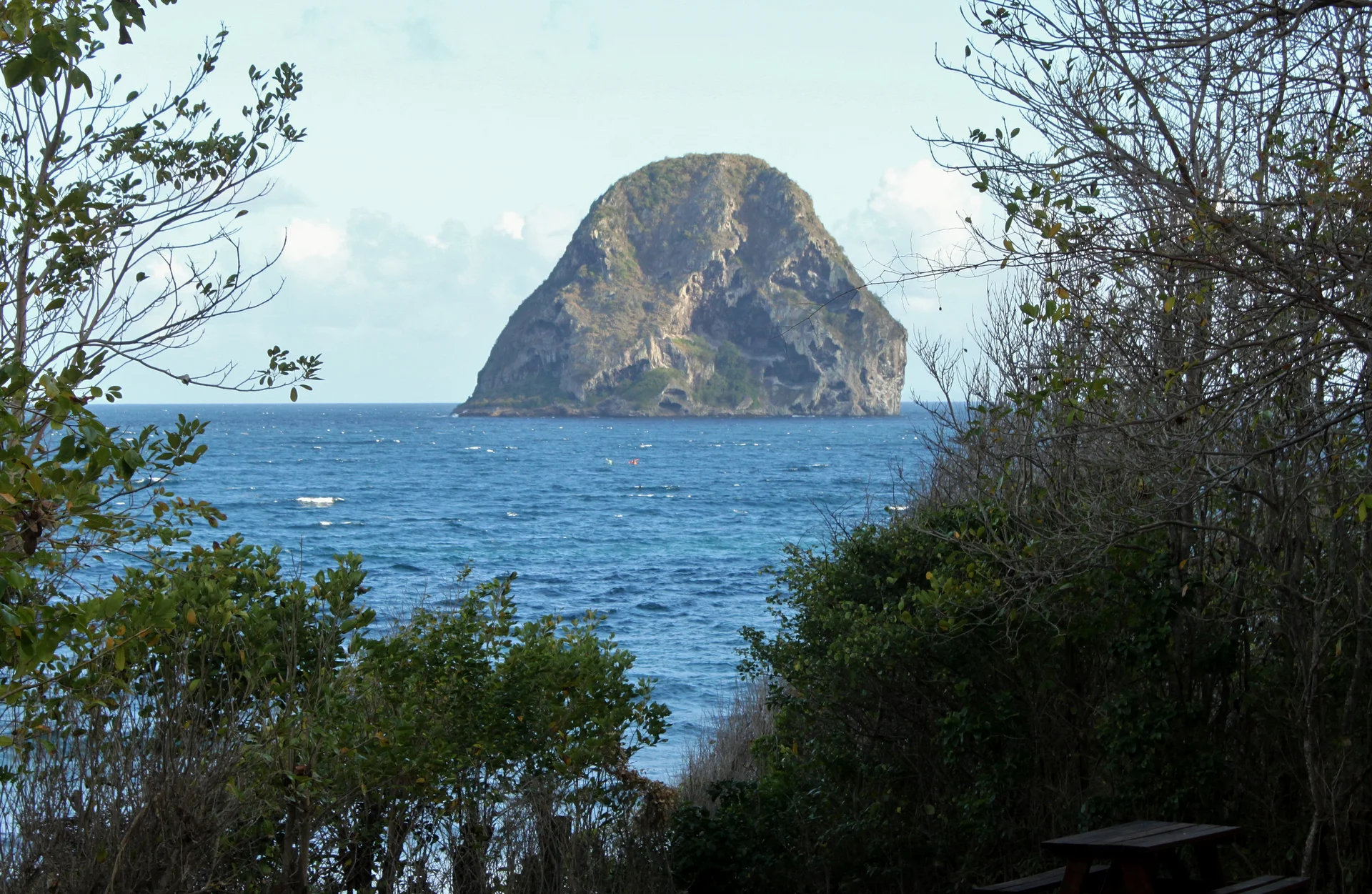
The island is only 70 km (43 miles) long, yet you will spend more time on the road than you expect: traffic around Fort-de-France cuts it in two. The south is dry and sunny, so stay near the beaches of Les Anses-d'Arlet, Le Diamant or Sainte-Anne, ten minutes from Les Salines beach. In the north, climb Mount Pelée, the island's volcano, visit Saint-Pierre, the town it destroyed in 1902, and drive through the rainforest on the route de la Trace.
At a glance
- When to go
- Aim for the dry season, the carême, from December to April: 26 to 30 °C (79 to 86 °F), few showers and steady trade winds. September and October bring the highest risk of hurricanes and rain.
- How many days
- Plan seven days for the south, the Atlantic coast and the north with Mount Pelée. With ten, add a night on the Caravelle peninsula, one more in the north and one in Sainte-Anne.
- Where to base yourselves
- On a first trip, stay in Les Trois-Îlets, 30 minutes from the airport and a 20-minute boat ride from Fort-de-France. For peace and quiet, pick Le Diamant; for the volcano and Saint-Pierre, add two nights in the north.
- Budget for two
- Expect about $2,750 for a comfortable week, flights not included: six nights, meals, the car, a boat trip and entrance fees. Flights cost the most during French school vacations at Christmas and in February.
- The moment for two
- Swim with the turtles at Grande Anse d'Arlet in the late afternoon, then have dinner on the sand in the village of Les Anses-d'Arlet, facing the church and the pier, as the sun sets over the Caribbean Sea.
- What to book
- Book the car when you book your flights, small hotels in the south and on the Caravelle two to three months ahead for Christmas and February, and the boat trip to the fonds blancs off Le François the day before.
Why Martinique for a couple
Martinique is a French region in the Lesser Antilles, between Dominica and St. Lucia: you pay in euros, people speak French, and you will hear Creole in the markets and on the buses. The drier south has pale sand beaches lined with coconut palms; the volcanic north is covered in rainforest and rises to 1,397 meters (4,583 feet) at the summit of Mount Pelée.
You will swim with turtles at Les Anses-d'Arlet, on the southwest coast, walk under giant tree ferns in the Balata botanical garden above Fort-de-France, and taste rhum agricole at the distilleries of Saint-Pierre and Sainte-Marie. On the Atlantic coast, boats drop you on the fonds blancs off Le François, sandbanks where the water comes up to your waist hundreds of yards from shore.
When to go
| Period | Weather | Crowds | Our take |
|---|---|---|---|
| December to April | 26 to 30 °C (79 to 86 °F), trade winds, rare short showers | Heavy at Christmas, in February and at Easter | The dry season: calm sea on the Caribbean side and dry trails, at the highest prices |
| May and June | 27 to 31 °C (81 to 88 °F), first rains | Moderate | Prices drop and the sea is warm; sargassum some months on the Atlantic coast |
| July and August | 28 to 31 °C (82 to 88 °F), humid, heavy showers | Heavy, French school vacations | Hurricane season, still fairly quiet: buy cancellation insurance |
| September to November | 28 to 31 °C (82 to 88 °F), frequent rain | Low, some small hotels close | The peak of hurricane season: not for a first trip |
Carnival fills Fort-de-France in the days before Lent, in February or March, until Ash Wednesday, when crowds dressed in black and white burn Vaval, the Carnival king, on the waterfront. Parades close roads and hotels in the south sell out: book two to three months ahead, or choose another week.
Sargassum on the Atlantic coast
Some months, mostly from April to October, rafts of brown seaweed called sargassum wash up on the east-facing shores: Le François, Le Robert, Le Vauclin, the Caravelle and the east coast of Sainte-Anne, toward Cap Chevalier. As it rots, it smells of rotten eggs. Beaches on the Caribbean Sea, from Les Trois-Îlets to Le Diamant and from Saint-Pierre to Le Prêcheur, are rarely affected.
Entry requirements: passport, visa, health
| Documents | Visa | Health | |
|---|---|---|---|
| United States | Valid passport | None for a tourist stay of up to 90 days | Insurance with medical care and evacuation; US plans rarely cover you abroad |
| Canada | Passport valid at least three months after your return date | None for a tourist stay of up to 90 days | Insurance with medical care and evacuation; provincial plans cover little abroad |
| United Kingdom | Valid passport | None for a tourist stay of up to 90 days | Travel insurance with medical care and evacuation |
| Ireland | Passport or passport card; check what your airline accepts | None | European Health Insurance Card (EHIC) and travel insurance |
Martinique is part of the European Union but outside the Schengen area: the EU's ETIAS travel authorization and EES border registration do not apply here. Rules change, so check the entry requirements for your passport before you book, on travel.state.gov, gov.uk or travel.gc.ca.
Health: insect repellent rather than vaccines
No vaccines are required. Dengue comes back in outbreaks, carried by a mosquito that bites during the day: bring a skin repellent and use it mostly in the forest, on the route de la Trace and along the rivers of the north.
Getting there
Nonstop from Miami and Canada, one stop from elsewhere
| From | Time | Good to know |
|---|---|---|
| Miami | ~3h30 | Nonstop with American Airlines |
| New York and other US cities | One stop | Connect in Miami, then ~3h30 to Martinique |
| Montreal, Quebec City | ~5h | Nonstop, with more flights in winter; from Montreal with Air Canada and Air Transat |
| Toronto | Nonstop in winter | Air Transat during the winter season; otherwise one stop |
| London, Dublin | One stop | Connect in Paris, then ~8h45 to Martinique |
From Paris, Air France flies nonstop from Charles de Gaulle, and Air Caraïbes and Corsair from Orly: if your connection means changing airports, allow for the transfer across the city. The Martinique Aimé Césaire airport (FDF) is in Le Lamentin, in the middle of the island, 10 km (6 miles) from Fort-de-France: Les Trois-Îlets are 30 minutes away, Le Diamant and Sainte-Anne 45 minutes, Saint-Pierre an hour.
Time difference
Martinique is on UTC-4 all year, with no daylight saving time: the same time as New York, Miami and Montreal in summer, one hour ahead in winter. It is four hours behind London and Dublin in winter, five in summer. Coming from Europe, you will wake up around 5 a.m. the first days: head out early to the trails and beaches, while it is still cool. Night falls around 5:45 p.m. in winter and 6:30 p.m. in summer.
Practical things to know before you go
Phone and coverage
With a US, Canadian or UK plan, roaming is charged unless you add an international option: install an eSIM before you leave. An Irish plan works as it does elsewhere in the European Union, since Martinique is part of it.
Coverage is good along the coasts but weak on the route de la Trace and at the foot of Mount Pelée: download an offline map of the island before you go.
Plugs and voltage
Money and tipping
- Pay in euros, by card in hotels, supermarkets and most restaurants; keep $44 to $55 in cash for markets, beach shacks and paid parking lots.
- When an ATM or card terminal offers to charge you in your own currency, decline: the exchange rate is worse.
- Service is included in restaurant bills; leave a few euros after a good meal or for the captain of a boat trip if you enjoyed it.
What to book, and how far ahead
You have no sights to book weeks in advance. In high season, rental cars and rooms in small hotels are what run out. For Christmas, New Year, Carnival and the February vacations, book the car with your flights and the hotel two to three months ahead.
| What | Price | Book | Good to know |
|---|---|---|---|
| Rental car | $39 to $66 / day | With your flights | Small cars go first at Christmas and in February |
| Small hotels in the south and on the Caravelle | 2 to 3 months ahead | Often fewer than thirty rooms | |
| Boat trip to the fonds blancs | The day before | Leaves in the morning from the Le François waterfront, back in the early afternoon | |
| Intro dive, Anses-d'Arlet or Saint-Pierre | 2 to 3 days ahead | No scuba diving in the 24 hours before your flight home |
From the airport to your hotel
© OpenStreetMap contributors
The airport and the island's bases
- Aimé Césaire Airport (FDF)
- 1Les Trois-Îlets
- 2Le Diamant
- 3Sainte-Anne
- 4Le François
- 5Saint-Pierre
| To | Transport | Time | Typical fare |
|---|---|---|---|
| Les Trois-Îlets | Rental car, via the N5 and Rivière-Salée | ~30 min. | $39 to $66 / day |
| Les Trois-Îlets | Taxi, outside arrivals | ~30 min. | Agree on the fare before you get in |
| Le Diamant | Car, via the N5 and Rivière-Salée | ~45 min. | |
| Sainte-Anne | Car, via the N5 and Le Marin | ~45 min. | |
| Le François | Car, via the N6 | ~25 min. | |
| Saint-Pierre | Car, via Fort-de-France and the N2 | ~1h |
Pick up the car at the airport
All rental companies have a desk in the terminal: pick up your car as soon as you land. Buses don't reach the beaches or trails at useful times, and taxis are expensive over long distances. If you land after 4 p.m., avoid crossing Fort-de-France at rush hour: spend the first night in the south or in Le François, and save the north for later.
Getting around
By car, outside rush hour
Traffic drives on the right, under French road rules; ask your rental company whether it requires an International Driving Permit with your license. Around Fort-de-France and Le Lamentin, from 6:30 to 9 a.m. and from 4 to 6:30 p.m. on weekdays, traffic doubles travel times: make long drives in the middle of the day or on weekends. In the north, the route de la Trace and the Caribbean coast road wind constantly: expect to average 40 km/h (25 mph).
By boat, from Fort-de-France to Les Trois-Îlets
Water shuttles link the Fort-de-France waterfront with Pointe du Bout, Anse Mitan and Anse à l'Âne, in Les Trois-Îlets, in 15 to 25 minutes. If you stay in Les Trois-Îlets, leave the car at the hotel to visit Fort-de-France: the crossing spares you the traffic on the ring road, both ways.
Taxis and buses
Away from the airport and Fort-de-France, call ahead for a taxi and agree on the fare before you get in. Shared taxis, minibuses that leave when they are full, link the villages during the day, and almost all of them stop running in the late afternoon.
Budget for two
Your three big expenses will be the flights, the hotel and the car. On the island, lunch at a beach shack stays affordable; a spiny lobster or a chef's table pushes the bill up. For a week, flights not included:
| Thrifty | Comfort | Splurge | |
|---|---|---|---|
| Hotel, per night | $99 to $143 (an apartment hotel, a guesthouse) | $176 to $290 (a hotel with a pool) | from $390 (a suite with a private pool) |
| Meals, per day for two | $55 (beach shacks, markets) | $110 (a simple lunch, dinner at a restaurant) | $198 (spiny lobster, chef's tables) |
| Car and fuel, seven days | $280 | $390 | $550 |
| Boat, entrance fees, activities | $88 | $220 with the fonds blancs and Balata | $500 with a dive and a private boat trip |
| Total, six nights | ~$1,490 | ~$2,750 | from $4,730 |
A few prices, rounded: a plate of accras $6.60 to $8.80; a colombo or grilled fish at a beach shack $17 to $22; a grilled spiny lobster, sold by weight, ~$44 and up; a ti-punch $4.40 to $5.50; a planter's punch $6.60 to $8.80.
Local food to try
Martinican cooking blends African, Indian and French influences around fish, hot peppers and lime. You will eat it at its best in beach restaurants and family-run tables d'hôtes, not at the buffets of large hotels.
To eat
-
Blaff
Fresh fish poached in a broth of lime, garlic and hot pepper. Order it at lunch, when the catch of the day has just come in.
-
Féroce d'avocat
Mashed avocado with grilled salt cod, cassava flour and hot pepper, served as a starter and very spicy: try a small bite first.
-
Accras
Spicy salt cod fritters, served hot with a ti-punch before the meal at every beach restaurant.
-
Colombo
The Caribbean curry, brought by Indian workers in the 19th century: chicken, goat or pork simmered in a spice blend of the same name, with rice.
-
Chatrou
The small octopus of Martinique's shores, stewed with tomato and spices, often served with rice and red beans.
-
Sorbet coco
A coconut milk sorbet churned by hand in a wooden ice cream maker, sold on the beaches and outside the markets.
To drink
Martinique's rhum agricole, distilled from fresh sugarcane juice, is the only rum in the world with a protected designation of origin. Drink it as a ti-punch (white rum, lime and cane sugar, which everyone mixes to taste) or as a planter's punch, topped up with fruit juice. Visit the Depaz distillery, at the foot of the volcano in Saint-Pierre, or Saint-James, in Sainte-Marie, with its rum museum. Without alcohol, order fresh sugarcane or guava juice.
Customs and rules to know
Martinicans care about greetings and about how you dress away from the beach: say hello when you walk in and cover up in town, and you will be better received. Here is what to do, and what to avoid:
| Rule | What to expect |
|---|---|
| Walking into a shop, a shared taxi or a restaurant without a greeting | Cool service; in the afternoon, say bonsoir rather than bonjour, as Martinicans do |
| Photographing a market stall or a person without asking | A refusal, sometimes curt: ask first |
| Shopping or walking around a village in a swimsuit | Disapproving looks; put on a sarong or a T-shirt |
| Sheltering from rain under a manchineel, the beach tree marked with a red band | Burns: the sap and rainwater dripping from its leaves irritate the skin, and its small green fruits are poisonous |
| Touching or feeding a turtle at Les Anses-d'Arlet | Forbidden: stay several yards away and let it come up to breathe |
| Leaving the marked trails on Mount Pelée and in the forest | Dangerous: in fog, you lose the path within a few steps |
On Sundays, families settle on the beaches from early morning, village shops close at noon and many restaurants only serve lunch: book your table for Sunday evening.
Safety
On the beaches, in the villages and on the trails, you face no particular risk in Martinique. The dangers come mostly from the sea, the rivers, the sun and hurricanes.
- The sea at Grande Anse du Diamant and on the Atlantic coast of the Caravelle: waves and currents are strong some days; only swim in front of a lifeguard station, and never beyond the breakers.
- Rivers in the north rise within minutes when it rains on the mountain: get out as soon as the water turns cloudy, and skip a waterfall if the sky is dark over the forest.
- Cars in beach and trailhead parking lots: leave nothing in sight, load the trunk before you arrive rather than in the lot, and keep documents and phones on you.
- Fort-de-France at night: the center empties once the shops close; visit in the morning, and avoid walking the streets near the port after dark.
- Hurricanes, from June to November: follow the Météo-France alerts and your hotel's instructions; under a red alert, stay indoors.
- The sun: at this latitude you can burn in thirty minutes, even under a hazy sky; wear a T-shirt when you snorkel for a long time.
Mistakes to avoid
Pick the wrong base and you will spend your late afternoons in traffic instead of on the beach.
- Staying in the south all week and doing the north as a day trip: Saint-Pierre and Mount Pelée are 1h20 from Le Diamant, more at rush hour. Spend two nights there.
- Crossing Fort-de-France between 4 and 6:30 p.m. on a weekday: you can lose an hour. Change bases in the late morning.
- Climbing Mount Pelée in the afternoon: the summit is almost always in cloud after 11 a.m., and the trail turns slippery.
- Swimming at Grande Anse du Diamant on days with a swell: the beach is beautiful, but the sea is often too rough; swim at Les Anses-d'Arlet instead.
- Arriving at Christmas or in February without a car booked: the airport rental desks run out, or their prices double.
- Booking a hotel on the Atlantic coast between April and October without asking about sargassum: the beach may be closed and the smell can reach the rooms.
Martinique
Compare hotel prices
Pick your dates and see the offers from the major booking sites side by side.
Compare live offers from Booking, Expedia, Agoda and other partners.
Martinique: find your hotel
Frequently asked questions
How many days do you need in Martinique as a couple?
Plan seven days for the south, the fonds blancs off Le François and the north with Mount Pelée and Saint-Pierre, by car and with three bases. With five days, stay in the south and give the north a single day, via the route de la Trace. With ten, add a night on the Caravelle peninsula, one in the north and one in Sainte-Anne, near Les Salines.
Do you need a passport for Martinique?
Yes, if you are American, Canadian or British: no visa is needed for a tourist stay of up to 90 days, and Canadians need a passport valid three months beyond their return. Irish citizens can travel with a passport card, after checking what their airline accepts. Check the latest rules on your government's travel website before you book.
South or north of Martinique?
From five nights, stay on both sides. Choose the south for beaches, calm sea and sunshine: Les Trois-Îlets, Le Diamant, Les Anses-d'Arlet, Sainte-Anne and Les Salines; the north for the rainforest, the volcano, Saint-Pierre and the distilleries. With only three or four nights, stay in the south and spend one day in the north.
Do you need a car in Martinique?
Yes: buses and shared taxis won't get you to the beaches or trails at useful times. Rent one at the airport, for $39 to $66 a day depending on the season. Only in Les Trois-Îlets can you go without for a few days, thanks to the boat to Fort-de-France.
When is sargassum a problem in Martinique?
Mostly from April to October, on the Atlantic coast and the southern tip: Le François, Le Robert, Le Vauclin, the Caravelle, Cap Chevalier. Beaches on the Caribbean Sea, from Les Trois-Îlets to Le Diamant and from Saint-Pierre to Le Prêcheur, are rarely affected: ask your hotel the day before whether the beach you plan to visit has any.