





Zanzibar archipelago for couples: know before you go (2026)
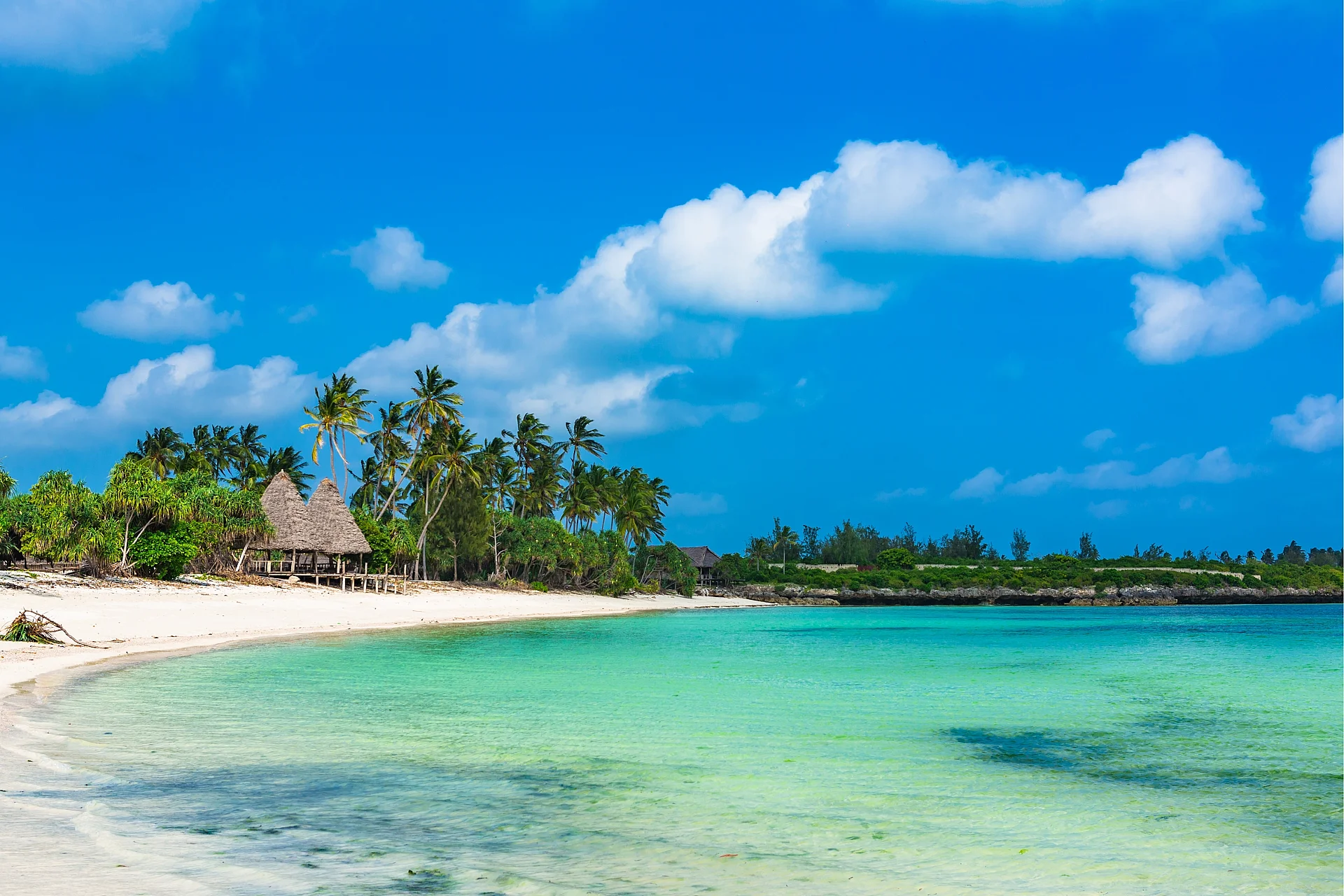
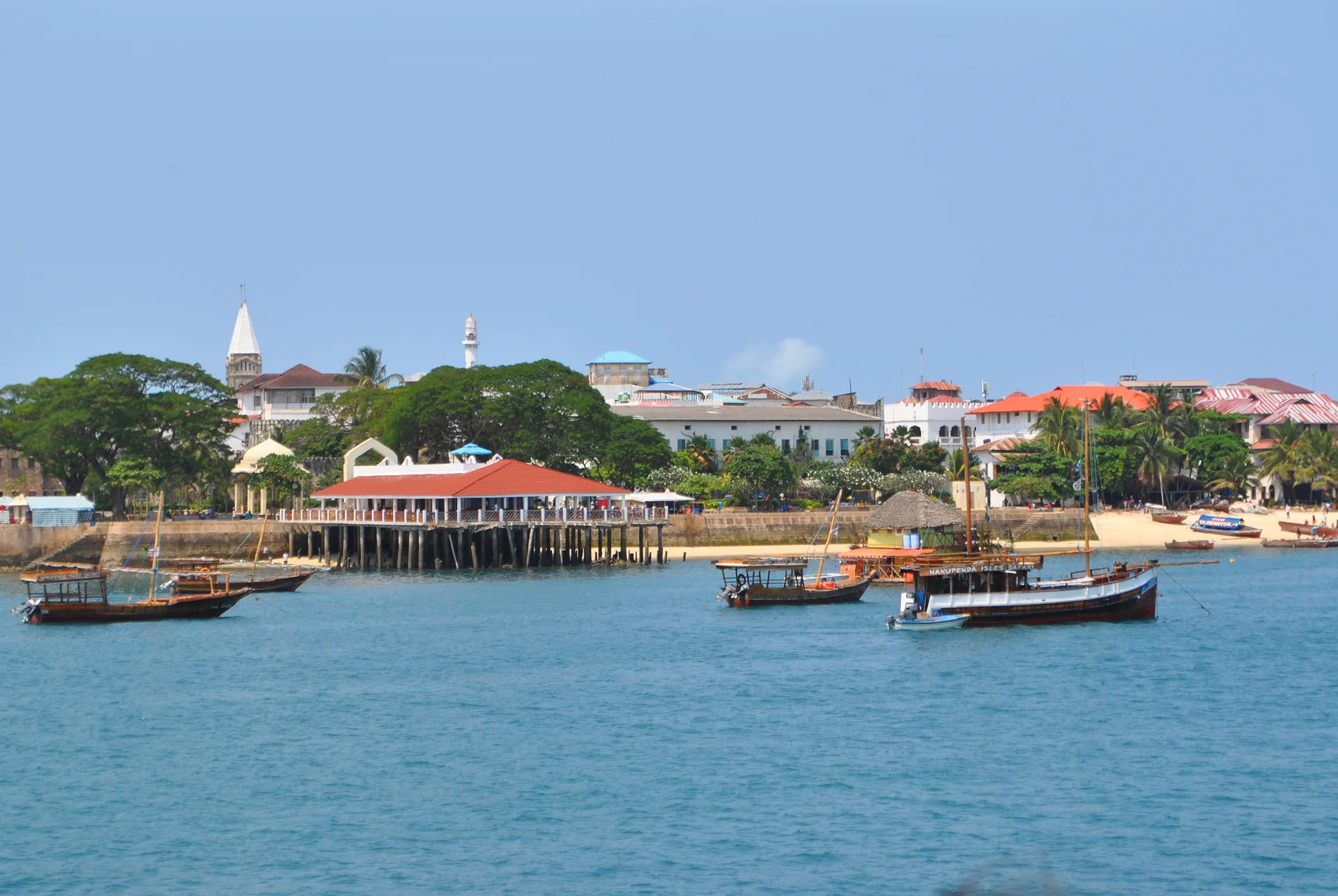
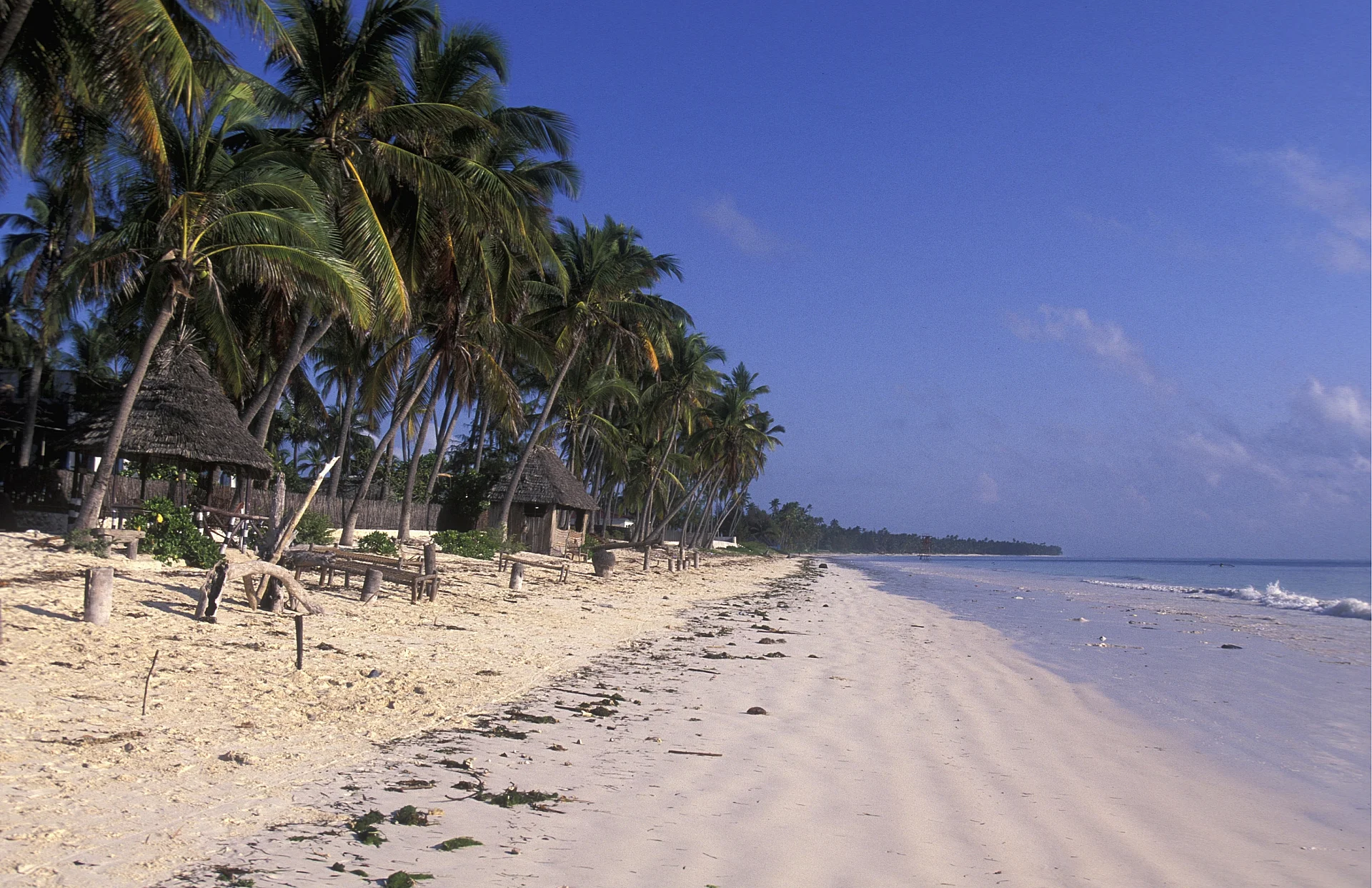
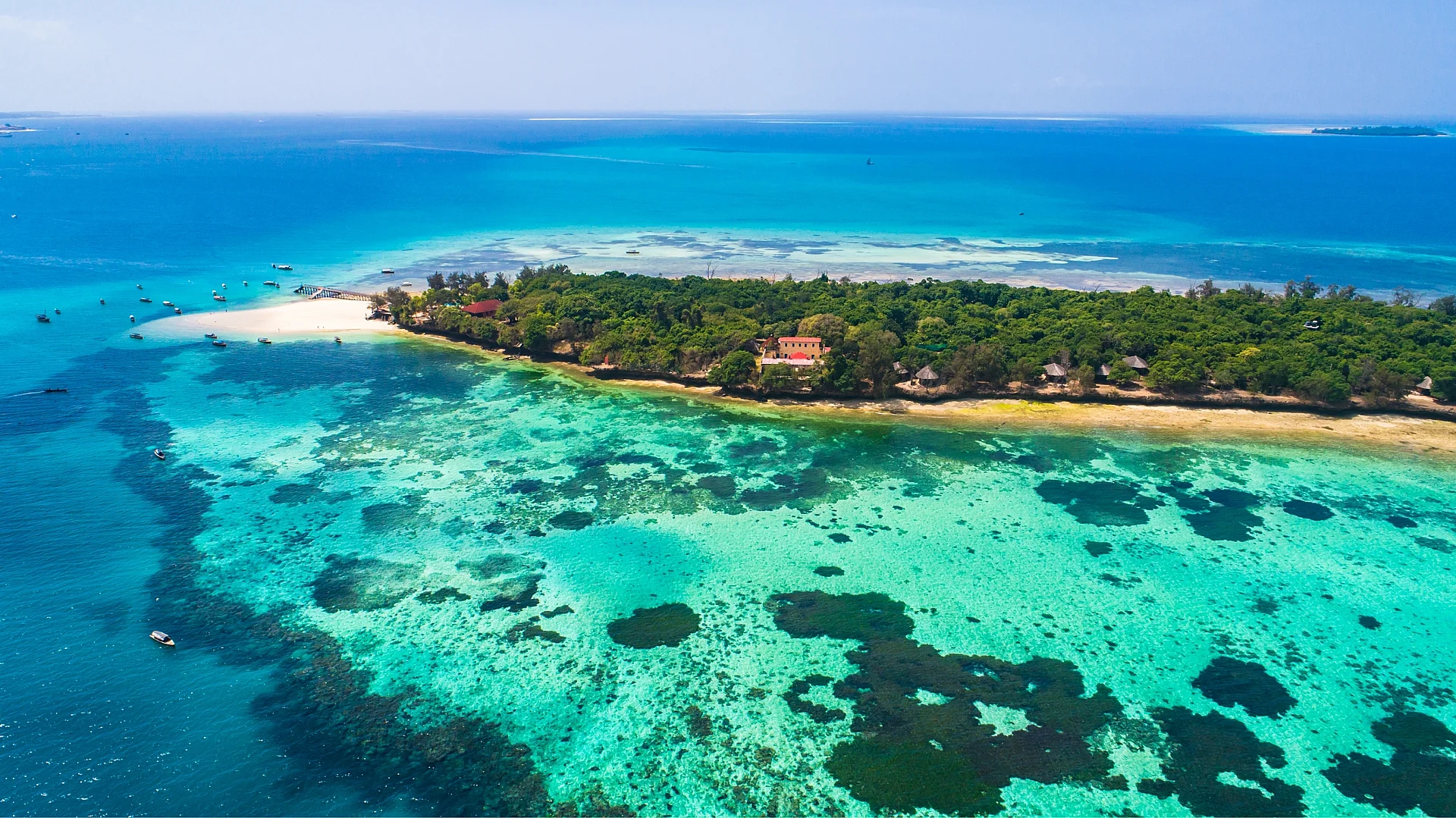
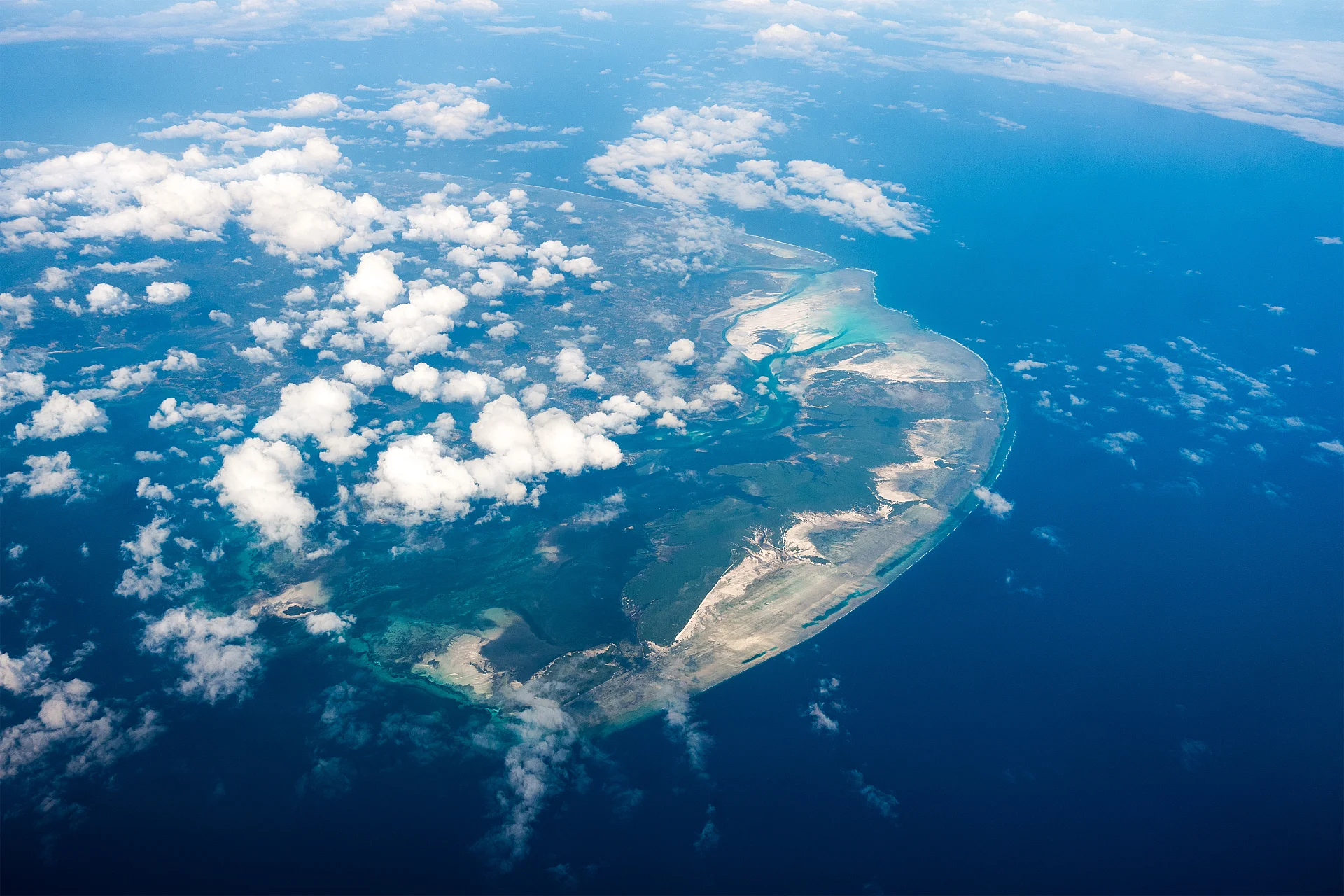
The Zanzibar archipelago is the island of Unguja, which everyone simply calls Zanzibar, and its wilder neighbor Pemba, a 30-minute flight away. On Unguja, pick your beach by the tide: in the north, at Kendwa and Nungwi, you can swim at any hour; on the east coast, from Matemwe to Jambiani, the sea pulls back twice a day, and you swim at high tide. Before you leave, you have two things to apply for online, the Tanzanian visa and Zanzibar's own travel insurance, and one season to avoid, the long rains from April to mid-May.
At a glance
- When to go
- June to October for dry weather and a trade wind that cools the evenings; late December to February for a calmer, warmer sea, but heavy heat.
- How many days
- Nine days for Stone Town, the northern tip and the east coast, with three bases; twelve to add Pemba. With five days, stick to Stone Town and one beach.
- Which base
- Pick Kendwa or Nungwi for a first trip, the Michamvi peninsula for a quiet villa, and Matemwe to head out early to the Mnemba atoll.
- Budget for two
- Around $3,520 for eight nights in comfort, with hotels, meals, a driver and boat trips, flights not included; $1,760 if you keep costs down.
- A moment for two
- Dinner at The Rock, a restaurant built on a rock in the Pingwe lagoon, on the Michamvi peninsula: walk out at low tide, and come back by rowboat once the sea has come in.
- What to book
- The visa and the Zanzibar insurance at least two weeks before you leave; the flight to Pemba and a table at The Rock as soon as your dates are set.
Why the Zanzibar archipelago as a couple
Unguja is about 85 km (53 miles) from north to south. On the west side lies Stone Town, the old city of the sultans of Oman, with its narrow lanes and rooftop terraces; on the east side, fishing villages and seaweed farms line a shallow lagoon that low tide uncovers all the way to the reef.
In a single trip, you can have dinner on a rooftop in the old town, stay in a villa with a pool on the lagoon and sail in a dhow, the traditional boat of the Swahili coast. With twelve days, add Pemba: few divers ever see its reefs, and you reach its remote hotels by plane, then by boat or by car.
| Coast | The sea | Best for |
|---|---|---|
| Northern tip | Deep close to shore at any hour; sunset over the ocean | A first trip, swimming without a tide chart |
| Northeast coast | Pulls back at low tide; Mnemba offshore | Snorkeling and diving, peace and quiet |
| Michamvi peninsula | Pulls back at low tide; sunset over the bay | A quiet villa, a honeymoon |
| Southeast coast | Lagoon uncovered at low tide | Kitesurfing, villages, small budgets |
| Pemba | Reefs and mangroves, few beaches | Diving and seclusion, for twelve days or more |
When to go
| Period | Weather | Crowds | Our take |
|---|---|---|---|
| June to October | Dry season, 26 to 30 °C (79 to 86 °F), southeast trade wind | Heavy in July and August | Our pick: clear skies and cool nights; strong wind for kitesurfing from June to October |
| November to mid-December | Short rains, showers late in the day | Light | Warm sea, lower prices; a few gray days |
| Late December to February | Humid heat, 30 to 33 °C (86 to 91 °F), calm sea | Very heavy at Christmas and New Year's | The clearest water for Mnemba and Pemba; book early for the holidays |
| March | Heavy heat, first rains | Moderate | Still fine early in the month, prices dropping |
| April to mid-May | Long rains, long downpours | Very light | Several hotels and restaurants close, muddy roads, murky sea |
The tide matters more than the season
On the east coast, the sea goes out and comes back twice a day, and low tide comes about fifty minutes later each day. It pulls back farthest during spring tides, a few days after each full moon and each new moon: check a Zanzibar tide chart before you set your dates on the east coast, and plan your swims for high tide.
Ramadan
The Muslim month of fasting starts about ten days earlier each year: check its dates for your trip. During Ramadan, many village restaurants close during the day, and you should avoid eating or drinking in the street before sunset; hotels and beach restaurants serve as usual.
When to go: the climate in Zanzibar City
The best months: January, February, July, August, September, December.
- Jan 32° 24° 7 rainy days Sea 29° best month
- Feb 32° 24° 6 rainy days Sea 29° best month
- Mar 32° 24° 10 rainy days Sea 30°
- Apr 31° 23° 17 rainy days Sea 30°
- May 30° 22° 15 rainy days Sea 29°
- Jun 30° 22° 10 rainy days Sea 28°
- Jul 29° 21° 5 rainy days Sea 27° best month
- Aug 29° 20° 4 rainy days Sea 26° best month
- Sep 30° 21° 6 rainy days Sea 26° best month
- Oct 31° 22° 8 rainy days Sea 27°
- Nov 31° 23° 10 rainy days Sea 28°
- Dec 32° 24° 9 rainy days Sea 29° best month
Monthly averages, in degrees Celsius.
Formalities: visa, insurance and health
| Papers | Visa | Health | |
|---|---|---|---|
| United States | Passport valid six months past your arrival date, with two blank pages | Tanzanian e-visa required: multiple entry, one year, ~$99 | Zanzibar insurance required, plus your own policy with medical evacuation |
| United Kingdom, Ireland | Passport valid six months past your arrival date, with two blank pages | Tanzanian e-visa required: single entry, ~$50 | Zanzibar insurance required, plus your own policy with repatriation |
| Canada | Passport valid six months past your arrival date, with two blank pages | Tanzanian e-visa required: single entry, ~$50 | Zanzibar insurance required, plus travel insurance with medical cover |
The Tanzanian visa
The archipelago is part of Tanzania: apply for the e-visa on the website of the Tanzanian immigration service (visa.immigration.go.tz) at least two weeks before you leave, and print the approval. US citizens are issued a one-year multiple-entry visa for about $99; British, Irish and Canadian travelers get a single-entry tourist visa for about $50. Either one also covers a safari on the mainland.
Zanzibar's mandatory insurance
Before you leave, buy the travel insurance of Zanzibar's state insurer (Zanzibar Insurance Corporation) online, required for every foreign visitor: about $44 per person for a stay of up to 92 days, on the official portal (inbound.visitzanzibar.go.tz). You are asked for the certificate on arrival. It does not replace your own insurance: keep a policy that also covers medical evacuation, and check whether your health plan covers you abroad, since most do not.
Health
Malaria is present on the archipelago all year: see a doctor or a travel clinic six weeks before you leave, for preventive medication and up-to-date shots. A yellow fever certificate is only asked of travelers arriving from a country at risk, or who spent more than twelve hours there in transit, which can happen with a long layover in Nairobi or Addis Ababa.
Getting there
By air, with one or two stops
| From | Time | Good to know |
|---|---|---|
| New York, Washington | 20 to 28h | One or two stops, in Doha, Dubai, Istanbul, Addis Ababa or a European hub |
| Los Angeles, Chicago | 24h or more | Two stops most often, through Europe or the Gulf |
| Toronto, Montreal | 17 to 28h | One stop most often, in Addis Ababa, Istanbul or Doha |
| London, Dublin | 11 to 18h | One stop, in Doha, Dubai, Istanbul, Addis Ababa or Nairobi |
Zanzibar is on UTC+3 all year, with no daylight saving time: 7 hours ahead of New York in summer and 8 in winter, 10 or 11 hours ahead of Los Angeles, and 2 or 3 hours ahead of London and Dublin. After a long-haul flight, plan no excursion on day one, and get outside early the next morning to reset your body clock.
Through Dar es Salaam
If you start with a safari, reach Zanzibar from Dar es Salaam on a 20-minute flight, or on a fast ferry of about two hours to the port of Stone Town. Book the ferry the day before, and take a VIP-class ticket if the sea is rough.
On to Pemba
Pemba has its own airport, near Chake Chake, the island's main town: small planes fly there from Zanzibar airport in about thirty minutes, several times a day. Book this flight when you book the hotel, which often arranges the transfer from the airport.
Practical things to know before you go
Phone and data
US, British, Irish and Canadian carriers charge steep roaming rates in Tanzania: install an eSIM before you leave, or buy a local SIM card at the airport with your passport. Coverage is good along the coasts of Zanzibar, patchier inland on Pemba.
Money
- The Tanzanian shilling is the local currency, but you will often pay hotels, boat trips and the visa in US dollars. Bring recent, clean bills: old or worn notes are often turned down.
- You will find ATMs in Stone Town, Nungwi and Paje; elsewhere, and especially on Pemba, take out cash before you leave town.
- Beach hotels take cards, often with a fee of a few percent; drivers, boatmen and village restaurants want cash.
Plugs, water and packing
- Plugs are mostly the British three-pin type (G), sometimes type D, at 230 volts: British travelers can use their own chargers; from North America, bring an adapter and check that each device is dual voltage (100-240 V).
- Do not drink tap water: most hotels provide filtered water.
- Pack water shoes for low tide, against sea urchins and coral, and clothes that cover shoulders and knees for the villages and Stone Town.
Three words of Swahili
When someone says Mambo? (how's it going?), answer poa (fine); asante sana means thank you very much, and say hapana asante (no thank you) to beach vendors. English is spoken in every hotel and by the guides.
What to book, and how far ahead
On the archipelago, you book almost everything on the spot or the day before, through your hotel. Book before you leave, though, the beach hotels for July, August and Christmas, the flight to Pemba, and the two online applications.
| What | Price | Book | Good to know |
|---|---|---|---|
| E-visa and Zanzibar insurance | ~$94 / pers. | 2 weeks ahead at least | Two separate official portals; higher for US citizens; print both certificates |
| Beach hotel, high season | $220 to $440 / night | 3 to 6 months ahead | July and August, the end-of-year holidays |
| Zanzibar to Pemba flight | Price varies | As soon as your dates are set | Small planes, few seats, limited luggage |
| Table at The Rock | $44 to $88 / pers. | As soon as your dates are set | On foot or by rowboat, depending on the day's tide |
| Mnemba by boat | $55 to $88 / pers. | The day before | Early start from Matemwe or Nungwi, confirmed depending on the sea |
| Safari Blue, Menai Bay | $77 to $121 / pers. | 2 to 3 days ahead | A day on a dhow from Fumba, in the southwest, seafood lunch included |
From the airport to the hotel
© OpenStreetMap contributors
Zanzibar airport and the island's bases
- Zanzibar Airport (ZNZ)
- 1Stone Town
- 2Kendwa, Nungwi
- 3Matemwe
- 4Michamvi
- 5Paje, Jambiani
| Destination | Transport | Time | Rough fare |
|---|---|---|---|
| Stone Town | Taxi or hotel driver | ~20 min. | $17 to $28 / car |
| Kendwa, Nungwi | Hotel driver | ~1h15 | $50 to $66 / car |
| Matemwe | Hotel driver | ~1h10 | $44 to $61 / car |
| Michamvi | Hotel driver | ~1h15 | $50 to $66 / car |
| Paje, Jambiani | Hotel driver | 1h to 1h15 | $44 to $61 / car |
Zanzibar Airport, named Abeid Amani Karume, is the island's only airport, 7 km (4 miles) southeast of the old town. No bus links it to the beaches for visitors: book your hotel's driver and give him your flight details, especially if you land late. Otherwise, taxis post a fixed fare for each destination at the exit counter.
Getting around
A driver rather than a rental car
The island's roads run through villages limited to 50 km/h (30 mph), and the police often stop rental cars there. To rent, you need a local permit, which the rental company gets for you, on top of your own license; for a few trips, a driver costs barely more and knows the dirt tracks down to the beaches.
| Option | Price | Good to know |
|---|---|---|
| Driver for the day | $55 to $99 / car | Fuel included, price set the day before |
| Transfer between two bases | $44 to $77 / car | Through the hotel you leave or the one you go to |
| Rental car | $28 to $55 / day | Local permit on top of yours, driving on the left |
| Taxi, one ride | $5.50 to $22 | No meter: agree on the fare before you get in |
| Dala-dala | Under $1.10 | Shared minivans, slow and crowded |
By boat
To reach Mnemba, Prison Island (an islet off Stone Town), Chumbe (a coral reserve south of the city) or Menai Bay, you go by dhow or motorboat with a local crew; skip the trip if the sea is rough. For Pemba, take the plane.
Budget for two
Your budget depends first on the hotel: a village guesthouse room costs a fifth of a villa with a pool, which is often sold all-inclusive. Then come the driver and the boat trips. For eight nights for two, not counting flights, visa and insurance, allow:
| Savvy | Comfort | Splurge | |
|---|---|---|---|
| Hotel, per night | $77 to $132 | $220 to $330 | from $660, often all-inclusive |
| Meals, per day | $33 | $88 | Included, or $165 |
| Driver and transfers | $220 | $330 | $500 |
| Boat trips and visits | $165 | $440 | $990 with a private boat |
| Total, eight nights | ~$1,760 | ~$3,520 | from $7,700 |
Benchmarks: grilled fish in a village restaurant $6.60 to $14, a seafood dinner on a terrace $28 to $44 per person, a Kilimanjaro, the Tanzanian beer, $2.20 to $4.40, a cocktail at the hotel $7.70 to $11. For three nights on Pemba, add at least $2,750 at the splurge level, flight included.
Customs and rules to know
Nearly everyone on the archipelago is Muslim, and village life starts at dawn, with the first prayer. On the beach as at the market, a few habits will spare you an awkward moment:
| Rule | What happens |
|---|---|
| Walking through a village in a swimsuit | Uncomfortable looks; put on shorts and a T-shirt |
| Photographing someone without asking | A refusal, sometimes a sharp one, especially from women |
| Going topless on the beach | Banned across the archipelago |
| Kissing in public | Frowned upon outside the hotel; holding hands is fine everywhere |
| Buying a trip from a beach tout without settling the price | A higher fare, announced at the end |
Safety
Attacks on visitors are rare on the archipelago; stay alert mostly to these points:
- Boats without life jackets, or overloaded: the cheap trips sold on the beach often are; book through your hotel, and insist on a life jacket for each of you.
- The rising tide on the east coast: it comes back fast over the flat lagoon, and the water covers your way back to the beach; check its time before a long walk out to the reef.
- Sea urchins and coral at low tide: walk in water shoes, and never step on live coral.
- Driving at night: pedestrians, bikes and animals without lights; do your transfers before 6:30 p.m.
- The equatorial sun, even under clouds: when snorkeling, swim in a T-shirt.
- Deserted beaches at night, far from the hotels: visitors have been robbed there; stay on your hotel's beach.
Mistakes to avoid as a couple
On the archipelago, most disappointments come from forgetting two things: how slow the roads are, and the tide on the east coast.
- Arriving without the Zanzibar insurance: it is checked at the airport, and buying it there costs you time after an overnight flight.
- Changing hotels every two days: each transfer takes half a day; three bases are enough for nine days.
- Planning a beach day on the east coast without checking the tide: you may find the sea more than half a mile out.
- Traveling in April or early May without checking that your hotels are open.
- Adding Pemba for two nights: you lose half a day going and as much coming back, between the flight and the transfers.
- Leaving for Mnemba at 10 a.m. from Nungwi: most boats from the north arrive at the same time. Leave at 8 a.m., or from Matemwe.
Zanzibar
Compare hotel prices
Pick your dates and see the offers from the major booking sites side by side.
Compare live offers from Booking, Expedia, Agoda and other partners.
Zanzibar: find your hotel
Frequently asked questions
How many days do you need for the Zanzibar archipelago?
Nine days for Stone Town, the northern tip and the east coast, with three bases and no rushing. Twelve to add three nights on Pemba. With five days, keep one night in Stone Town and a single beach.
Is the Zanzibar insurance mandatory for everyone?
Yes, for every foreign visitor: buy it online on the Zanzibar government's official portal, for about $44 per person; you are asked for the certificate on arrival. It does not replace your own policy with medical evacuation.
Should you rent a car on Zanzibar?
You don't need to: a driver booked through the hotel handles transfers and excursions for a similar price, with no local permit to get and no police checks to deal with. If you do rent, drive on the left and be back before dark.
Can you swim at any hour on the east coast?
No: from Matemwe to Jambiani, the sea pulls back at low tide, sometimes more than half a mile. Swim at high tide, or pick a hotel with a pool. In the north, at Kendwa and Nungwi, the sea stays close at any hour.
How do you get to Pemba?
By plane from Zanzibar airport, about thirty minutes on a small aircraft, then by car or boat to the hotel, which often arranges the transfer. Allow at least three nights.