Porto for couples: things to know before you go (2026)
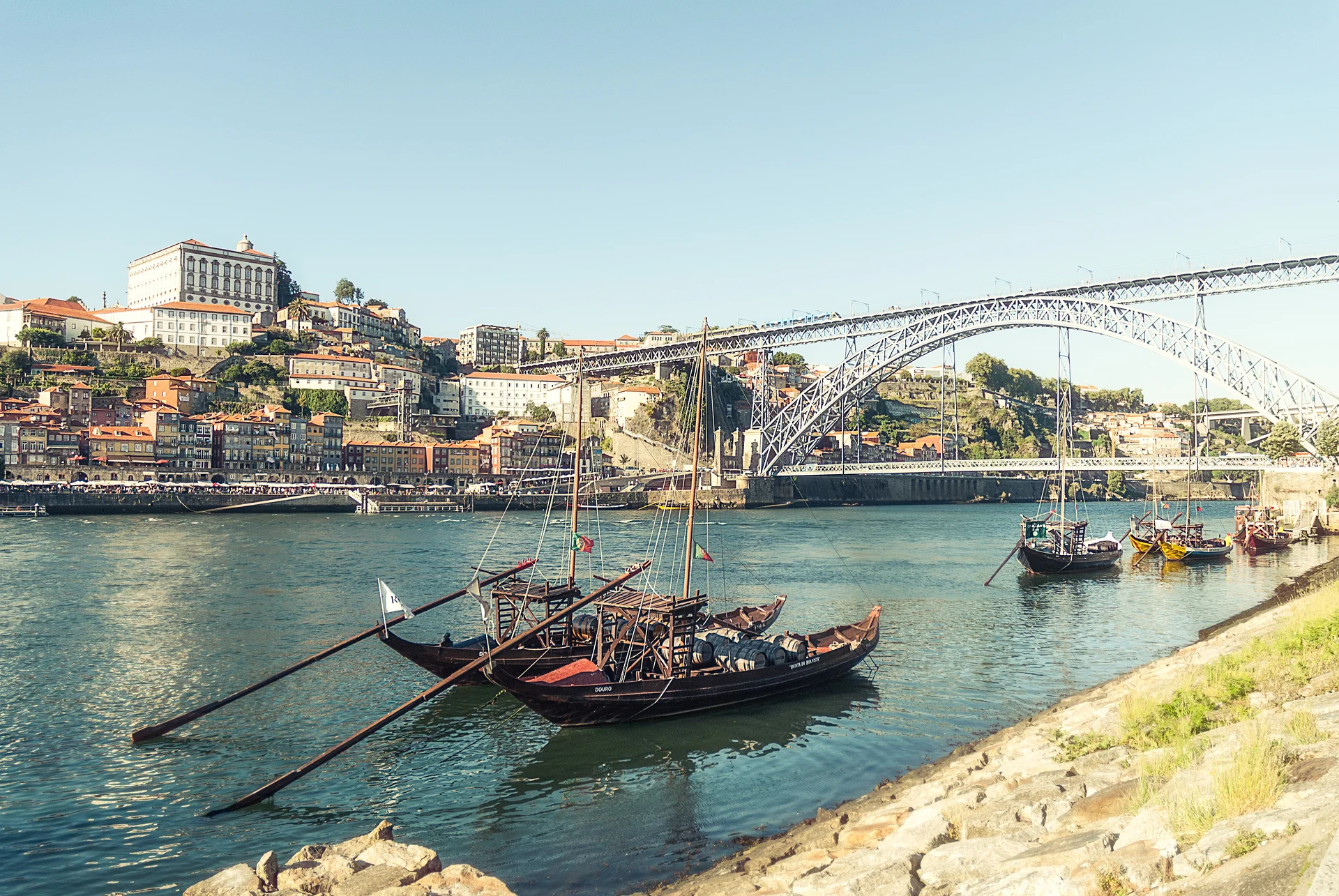
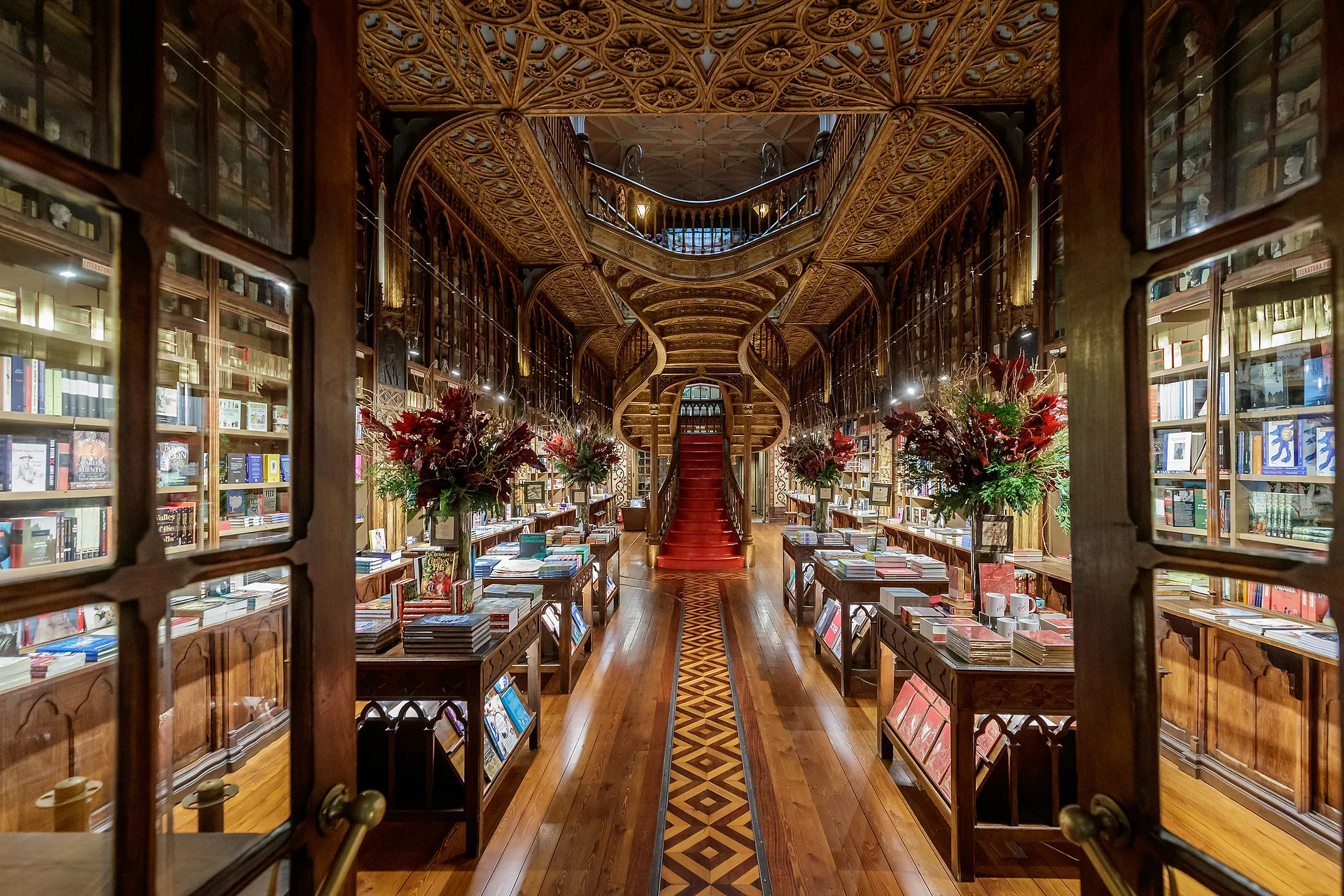
Porto is visited between two banks: the Ribeira and its colorful facades on one side, the port lodges of Vila Nova de Gaia on the other, and between them the Dom Luís Bridge, which you walk across as the sun drops toward the Atlantic. The azulejos of São Bento station, the Lello bookshop and a francesinha to share fit into the first two days; the sea at Foz, the Casa da Música and the six-bridges cruise make the third. The streets are steep, prices stay gentle, and winter is rainy: plan a spare day indoors, in a bookshop or a port lodge.
At a glance
- When to go
- May to June and September to mid-October: 64 to 77 °F (18 to 25 °C), Ribeira terraces full in the evening. Rain falls mostly from November to February, when hotels cost the least.
- How many days
- Three full days for the Ribeira, Gaia, the center and Foz; a fourth for the Douro Valley by train or for Guimarães and Braga.
- Which neighborhood
- Aliados for a first visit, everything on foot; the Ribeira for the river under your window; Gaia to sleep facing Porto; Foz for the sea.
- Budget for two
- Three nights in comfort: about $960 for two, flights excluded, with hotel, meals, sights and transport. Dinner with a bottle of wine comes in under $56.
- The moment for two
- Walk the Dom Luís Bridge an hour before sunset, then a port on a Gaia lodge terrace: the sun sets down the river's axis and the Ribeira lights up across the water.
- Book ahead
- The Lello bookshop on a timed ticket, the day before at the latest; Gaia port lodges in summer; a weekend table a week ahead.
Why Porto for two
Porto runs downhill to the water: from the top of the cathedral or the Clérigos tower, orange roofs tumble to the Ribeira, and across the river, in Gaia, the port-wine lodges line up their signs along the Douro. A couple spends the day climbing and coming back down, then ends the evening on the river, under the iron arches of the Dom Luís Bridge as they light up.
What the city adds to the views: azulejos even in a train station, cafés that opened in the 1920s where nobody hurries you, a dinner for two under $56 with a bottle of wine, and a port you drink a few yards from the cellar where it aged.
When to go
| Period | Weather | Crowds | Our take |
|---|---|---|---|
| April | Changeable, 57 to 66 °F (14 to 19 °C), frequent showers | Moderate, heavy at Easter | The Douro turns green, but showers are common |
| May and June | Mild, 64 to 77 °F (18 to 25 °C) | Heavy | Terraces open, long days, the São João night on June 23 |
| July and August | Hot and dry, 75 to 86 °F (24 to 30 °C) | Very heavy | Long evenings on the quays, but the Ribeira is packed and hotels peak |
| September to mid-October | Mild, 68 to 77 °F (20 to 25 °C), first rains | Moderate | Our favorite: golden light on the river, the grape harvest upriver |
| Mid-October to March | Cool and rainy, 46 to 59 °F (8 to 15 °C) | Light | Lowest prices, museums and cafés; plan a spare day for the rain |
Two dates change the city. On the night of June 23 to 24, São João, all of Porto goes out: sardines grilled in the streets, plastic hammers tapped on strangers' heads, lanterns released into the sky and fireworks over the Douro at midnight; it is joyful, very crowded, and hotels need booking two or three months ahead. From November to February it can rain for several days in a row, with Atlantic wind: azulejos, bookshops, port lodges and cafés carry the day, and the Ribeira's cobbles turn slick.
Paperwork: passport, visa, health
| Documents | Visa | Health | |
|---|---|---|---|
| United States, Canada | Passport valid at least 3 months after you leave the Schengen area, issued within the last 10 years | None for stays up to 90 days | Travel insurance with medical cover |
| United Kingdom | Passport valid at least 3 months after you leave the Schengen area, issued within the last 10 years | None for stays up to 90 days in any 180 | Your free GHIC covers state healthcare; travel insurance for the rest |
| Ireland | Passport or passport card in date | None | Free EHIC for public healthcare |
Entering the Schengen area
Each time you enter, the Entry/Exit System (EES) records your fingerprints and a photo: allow extra time at passport control. The ETIAS travel authorization, a few euros and valid for three years, is requested online on the European Union's official site as soon as it becomes mandatory: check before you book.
Getting there
By plane
| From | Flight time | Good to know |
|---|---|---|
| New York (Newark, JFK), Boston | 6h30 to 7h30 | Nonstops, more frequent from May to October; otherwise one stop in Lisbon |
| Chicago, Washington, Miami, Los Angeles | 8h to 12h | One stop, usually in Lisbon, Madrid or Paris |
| Toronto, Montreal | ~7h30 | Nonstops in summer; one stop in winter |
| London (all airports) | 2h20 to 2h30 | Many nonstop flights a day, low-cost and full-service |
| Manchester, Edinburgh, Bristol, Birmingham, Dublin | 2h30 to 3h | Nonstops year round, more in summer |
Everyone lands at Francisco Sá Carneiro (OPO), 7 miles (11 km) from the center and linked by a direct metro line. Book six to eight weeks ahead for São João and for long weekends in May, when flights from the UK and the US fill up. The trip to your hotel is covered below, in "From the airport to your hotel".
By train
No train links London or Paris to Porto in a day: the route runs through Lisbon or Madrid, a full day of travel. Trains are useful once you are here: Lisbon is 2h50 from Campanhã on the Alfa Pendular, Coimbra 1h20, Aveiro 1 hour, Braga and Guimarães 1 to 1h30 depending on the train.
By car
Practical things to settle before you leave
Phone
US and Canadian plans charge roaming at full price, and most UK plans now charge for Europe too: turn on a travel pass or install an eSIM before you leave. With an Irish plan, calls and data work as at home. Download your cruise and train tickets in advance: the signal fades in the lanes of the Ribeira, under the bridge.
Money and tipping
- Cards work almost everywhere, but a neighborhood tasca, a café or a market counter sometimes take cash only: keep $34 to $45 in small bills.
- Tipping is not expected: round up at a café, leave $2.30 to $5.60 after a good dinner for two. Tax is included in the price shown.
- The couvert (bread, butter, olives, cheese) lands on the table unasked and costs $1.20 to $5.60 per person: a "não, obrigado" as it arrives, and it goes back at no charge.
- The lunchtime prato do dia, a full plate with a drink, costs $9 to $14 in a tasca; a francesinha on its own, $13 to $17.
- Pay in euros when the card terminal offers dollars or pounds: the conversion the machine proposes costs several percent more than your bank's.
Plugs, water and dress
- Type F outlets, 230 volts: US, Canadian, UK and Irish plugs all need an adapter. Most phone and laptop chargers accept 230 volts; check hair dryers and curling irons, which may not.
- Tap water is safe to drink, and restaurants bring bottled water by default: ask for "água da torneira" if you want tap.
- Shoes with grip: granite cobbles and the Ribeira's staircases turn slick in the rain, and the river wind drops the temperature by 10 to 15 °F in the evening. A waterproof jacket in the bag, even in June.
What to book, and how far ahead
Porto needs little booking, except three things: the Lello bookshop, the port lodges of Gaia in summer and a weekend table. The rest is bought on arrival, and a train or tram ticket the same day.
| Site | Price per person | Book | Good to know |
|---|---|---|---|
| Lello Bookshop | ~$12, deducted from a book you buy | The day before, 3 days ahead in summer | Timed ticket online; without it, an hour in line, and the opening slot is the quietest |
| Stock Exchange Palace | ~$16 | The day before | Arab Room, guided tour of ~30 min only; pick an English slot |
| Clérigos Tower | ~$12 | On the spot | 225 steps; go at opening, 9 am, before the line |
| Gaia port lodges | $17 to $28 | 1 to 3 days ahead in summer | Tour and tasting; afternoon slots go first |
| Six Bridges cruise | ~$23 | Same day | ~50 min; departs from the Ribeira or Gaia, last departure 6 pm April to September, 4 pm the rest of the year |
| Serralves | ~$27 | On the spot | Museum and park; the park alone is ~$17, treetop walkway included |
| Pinhão train | ~$14 each way | The day before | Few morning departures: pick the 9 am and check the last return |
| Top restaurants | 1 to 2 weeks ahead | Pedro Lemos and The Yeatman, both starred; Taberna dos Mercadores, 20 seats |
From the airport to your hotel
© OpenStreetMap contributors
The airport and the neighborhoods served
- Francisco Sá Carneiro (OPO)
- 1Aliados, São Bento
- 2Ribeira
- 3Cedofeita, Bombarda
- 4Gaia
- 5Foz do Douro
| Destination | Transport | Time | Indicative fare |
|---|---|---|---|
| Aliados, São Bento | Metro, line E to Trindade, then line D | ~35 min | $2.60 / person |
| Aliados, São Bento | Taxi or Bolt | 20 to 30 min | $17 to $40 / ride |
| Ribeira | Metro, line E then D to São Bento, then a 10 min walk | ~45 min | $2.60 / person |
| Ribeira | Taxi or Bolt | 20 to 30 min | $17 to $40 / ride |
| Cedofeita, Bombarda | Metro, line E to Trindade, then a 15 min walk | ~45 min | $2.60 / person |
| Gaia | Metro, line E then D to Jardim do Morro | ~45 min | $2.60 / person |
| Gaia | Taxi or Bolt | 25 to 35 min | $21 to $40 / ride |
| Foz do Douro | Taxi or Bolt | 25 to 35 min | $23 to $40 / ride |
The metro (line E, violet) leaves the airport every 15 to 20 minutes or so, from 6 am to 1 am, and reaches Trindade in half an hour; from there line D goes to Aliados, São Bento, then Gaia over the bridge's upper deck. Buy an Andante Azul card ($0.68) at the machine and load a "Z4" fare: it covers the whole trip, transfers included, for 75 minutes. With two suitcases in the evening, the taxi is worth the difference.
Taxis wait outside arrivals and run on the meter (a luggage supplement and a weekend surcharge apply); Bolt and Uber have a pickup zone marked "TVDE" and charge $17 to $28 to the center. For Foz, a taxi is simplest: the metro does not go there. From Campanhã station, the suburban train to São Bento takes five minutes.
Getting around
On foot, with the slope
The center fits in two miles (3 km), but it is steep: Aliados and the Baixa are nearly flat, the Ribeira is 200 feet (60 m) below, Gaia is across the river. The Guindais funicular links the Ribeira to Batalha in three minutes for a few euros, and the Gaia cable car climbs from the quay to the level of the Jardim do Morro. To cross the Douro, the Dom Luís I Bridge has two decks: the lower one, at water level, and the upper one, 200 feet up, shared by pedestrians and the metro.
Metro, tram and bus
| Ticket | Price | Validity |
|---|---|---|
| Andante Azul card | $0.68 | The reloadable card, bought once by each traveler |
| Z2 trip (center) | ~$1.60 | One trip on the metro or a bus in the center |
| Airport trip (Z4) | ~$2.60 | One trip between the airport and the center |
| Historic tram, single ticket | ~$6.80 | One trip on board, lines 1, 18 and 22 |
| Gaia cable car | $7.90 to $12 | One way, between the quay and the Jardim do Morro |
| Guindais funicular | $2.80 to $4.50 | A ~3 min ride between the Ribeira and Batalha |
The metro has six lines, runs from 6 am to 1 am and serves the airport, Bolhão and Gaia; the rest is on foot. Tram 1 follows the river from the Infante stop, near the Ribeira, to Foz in about half an hour: wooden cars, tracks that brush the water, and the one way to the sea without a car. The last tram leaves in the early evening: take a Bolt back, $9 to $14.
Budget for two
Porto is still one of the cheapest cities in Western Europe: dinner for two with a bottle of wine comes in under $56 in a good tasca, and coffee costs about a euro at the counter. Hotels have climbed, especially on the river. Here is the bill for three nights for two, flights excluded.
| Smart | Comfort | Treat | |
|---|---|---|---|
| Hotel, per night | $90 to $124 | $146 to $220 | from $340 |
| Meals, per day for two | $56 | $101 | $210 |
| Sights for the stay | $56 | $101 | $230 with a private cruise |
| Transport for the stay | $23 | $40 | $101 by taxi |
| Total for three nights | $560 | $960 | $1,910 |
Hotels cost clearly less from November to March than in June or September, and São João night is priced like New Year's Eve. The tourist tax, $3.40 per person per night, is paid on the spot.
Reference prices
| Item | Price |
|---|---|
| Espresso at the counter | $0.90 to $1.40 |
| Pastel de nata | $1.40 to $2.10 |
| Prato do dia in a tasca, at lunch | $9 to $14 |
| Francesinha | $13 to $17 |
| Dinner for two with wine, good restaurant | $56 to $90 |
| Glass of wine at a bar | $2.80 to $5.60 |
| Fino (7 oz draft beer) | $1.40 to $2.80 |
| Port lodge tour with tasting | $17 to $28 / person |
| Six Bridges cruise | ~$21 to $23 / person |
What to taste
Northern cooking is generous, built on meat and cod more than vegetables. People from Porto call themselves tripeiros, "tripe eaters", because they gave their meat to the ships bound for Ceuta in 1415: the city's traditional dish is still tripe with white beans. It is eaten in a tasca with ten tables, where the blackboard changes daily.
At the table
-
Francesinha
A sandwich of ham, sausage and steak buried under melted cheese and a beer and tomato sauce, with an egg or fries: shared between two, it is a full meal.
-
Tripas à moda do Porto
Tripe with white beans, the plate of the day in neighborhood tascas and the city's festival dish: it is gentler than it sounds.
-
Bacalhau à Gomes de Sá
Flaked cod, potatoes, olives and hard-boiled egg, baked golden: the city's own recipe, named after a 19th-century cod merchant.
-
Caldo verde
Potato and collard soup with a slice of chouriço, the soup of São João and of cool evenings.
-
Sandes de pernil and bifana
Roast pork and marinated pork in a small roll, at the counter, $3.40 to $5.60: the lunch of walking days.
-
Pastel de nata
The caramelized custard tart, eaten warm with cinnamon; bakeries near the Bolhão market pull them from the oven all morning.
In the glass
-
Port
The fortified Douro wine aged in Gaia: ruby, fruity; tawny, nutty; white, fresh. A glass at a lodge costs $3.40 to $9.
-
Porto tónico
White port topped with tonic, a twist and ice: the summer aperitif on the terraces of Gaia and Foz.
-
Vinho verde
A young, lightly sparkling white from the Minho, $3.40 a glass: the wine of grilled fish.
-
Douro red
Bottles at $17 to $28 on menus are worth double elsewhere; ask for the house wine by the pitcher.
-
Fino
The 7 oz draft, Super Bock or Sagres, $1.40 to $2.80; in Porto you ask for a fino, where Lisbon says imperial.
-
Cimbalino
Porto's espresso, short and tight, a euro at the counter, often with a pastel de nata.
Customs and rules to know
People in the north like to be greeted before any question: a "bom dia" in the morning, a "boa tarde" from noon, an "obrigado" (or "obrigada") on the way out, and the smile does the rest; English is understood all over the center.
- Lunch runs from 12:30 to 2:30 pm and dinner starts around 7:30 pm; many kitchens close at 10:30 pm, except the historic cafés.
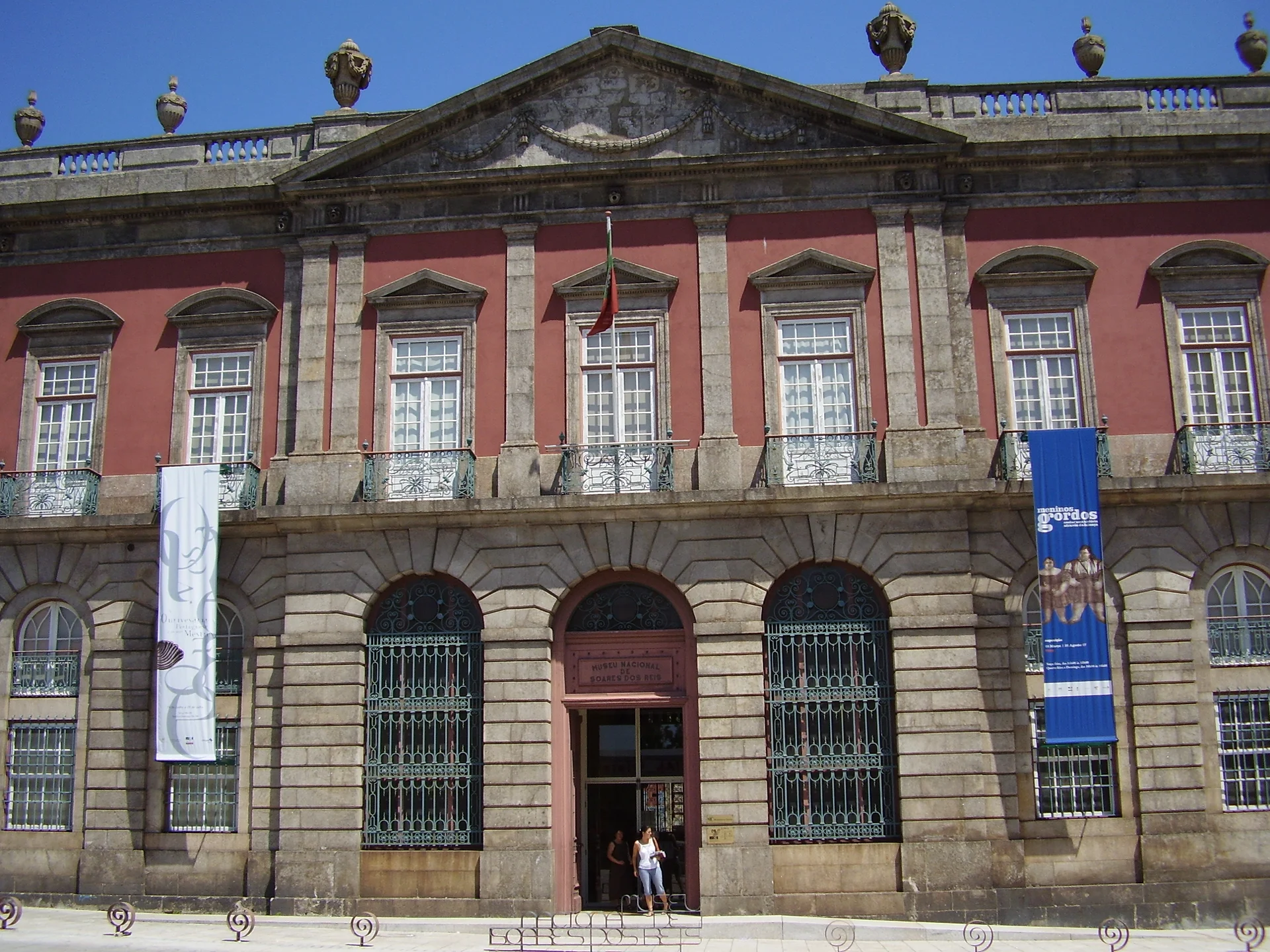
- On Mondays several museums are closed, including Soares dos Reis: check opening days before building a day around one.
- On the upper deck of the Dom Luís Bridge the metro runs down the middle: walk on the side walkways and never cross the tracks.
- At a port lodge the tour ends with a tasting: you go from the lightest to the richest, and you can buy a bottle on the spot.
- In churches, cover your shoulders, speak softly and photograph without flash, never during services.
- The couvert on the table is charged if you touch it; the bill is asked for, it never arrives on its own.
Safety
Porto is one of the safest large cities in Europe, by day and by night in the neighborhoods where you will sleep. A couple's troubles here are pickpockets in crowds and the street sellers of the Ribeira, insistent but harmless.
- In the Clérigos and Lello lines, on the metro to the airport and along the Ribeira quays, phone and wallet go in a front pocket or a zipped bag held in front of you.
- In the Ribeira and the streets of the Baixa, a few men offer drugs in a low voice to passersby: the only answer is to keep walking.
- On wet cobbles and the Ribeira's staircases, falls hurt more people than thieves: shoes with grip and a hand on the rail.
- Late at night, the lower Ribeira after midnight, the area around Campanhã station and empty streets behind Aliados are less pleasant: go back via rua Mouzinho da Silveira or by Bolt.
- At the airport and the stations, use only the official taxi rank, meter running: a driver who approaches you in the hall or refuses the meter charges triple.
Mistakes couples make
Disappointments in Porto almost all come from a bad hour or a forgotten forecast: Lello without a ticket, the bridge at noon, a whole day outdoors in the rain. The rest forgives everything.
- Showing up at Lello without a timed ticket: an hour in line outside for ten minutes inside. Book the day before, and take the opening slot.
- Crossing the upper deck of the Dom Luís Bridge at noon in July: no shade, and the metro brushes the walkways. Cross at sunset, or take the lower deck.
- Sleeping on the Ribeira quay in summer without meaning to: terraces play until midnight, later on weekends. A courtyard room or an upper floor sleeps better.
- Visiting three port lodges in one afternoon: the tastings add up, and the second is enough. Save the sunset hour for the Jardim do Morro.
- Planning the whole stay outdoors from November to February: rain sometimes lasts several days. Alternate with Lello, São Bento station, the lodges, Serralves and the Casa da Música.
- Wearing flip-flops or heels: cobbles and staircases call for walking shoes.
- Dining on the Ribeira quay facing the river without checking the price of the couvert or the fish: the francesinha and the tascas are two streets away, in the Baixa.
Frequently asked questions
Is Porto a good destination for a romantic trip?
Yes, for three specific reasons: evenings by the Douro, which cost nothing and are spent on the quays or in Gaia; a human-sized city you cover on foot; and prices that leave room, a dinner for two with wine coming in under $56. The only things to watch are the slopes, winter rain and the Ribeira's pickpockets.
How many days do you need in Porto as a couple?
Three full days cover the Ribeira, Gaia and the center in the first two, then Foz, Serralves and the six-bridges cruise on the third. A fourth day lets you go to Guimarães and Braga, or do the Douro Valley by train to Pinhão.
What is the best time for a trip for two to Porto?
September to mid-October, then May to June: 64 to 77 °F (18 to 25 °C), golden evening light on the river, terraces open. Skip São João night (June 23) if you prefer quiet, or book the hotel three months ahead to enjoy it.
Is Porto expensive?
Hotels have climbed, the rest has not: a coffee at $1.20, a plate of the day at $12, a glass of wine at $3.40, a metro ride at $1.60. Plan on about $960 for three nights for two in comfort, hotel, meals, sights and transport included, flights excluded.
Do you need to speak Portuguese?
No: English is understood all over the center. A "bom dia", an "obrigado" and a polite refusal of the couvert are enough.
Can you manage without a car in Porto?
Yes, and you should: the center is covered on foot and by metro, Foz by tram 1, Guimarães, Braga and Pinhão by train. Rent a car only for the quintas of the Douro Valley.