Berlin for couples: things to know before you go (2026)
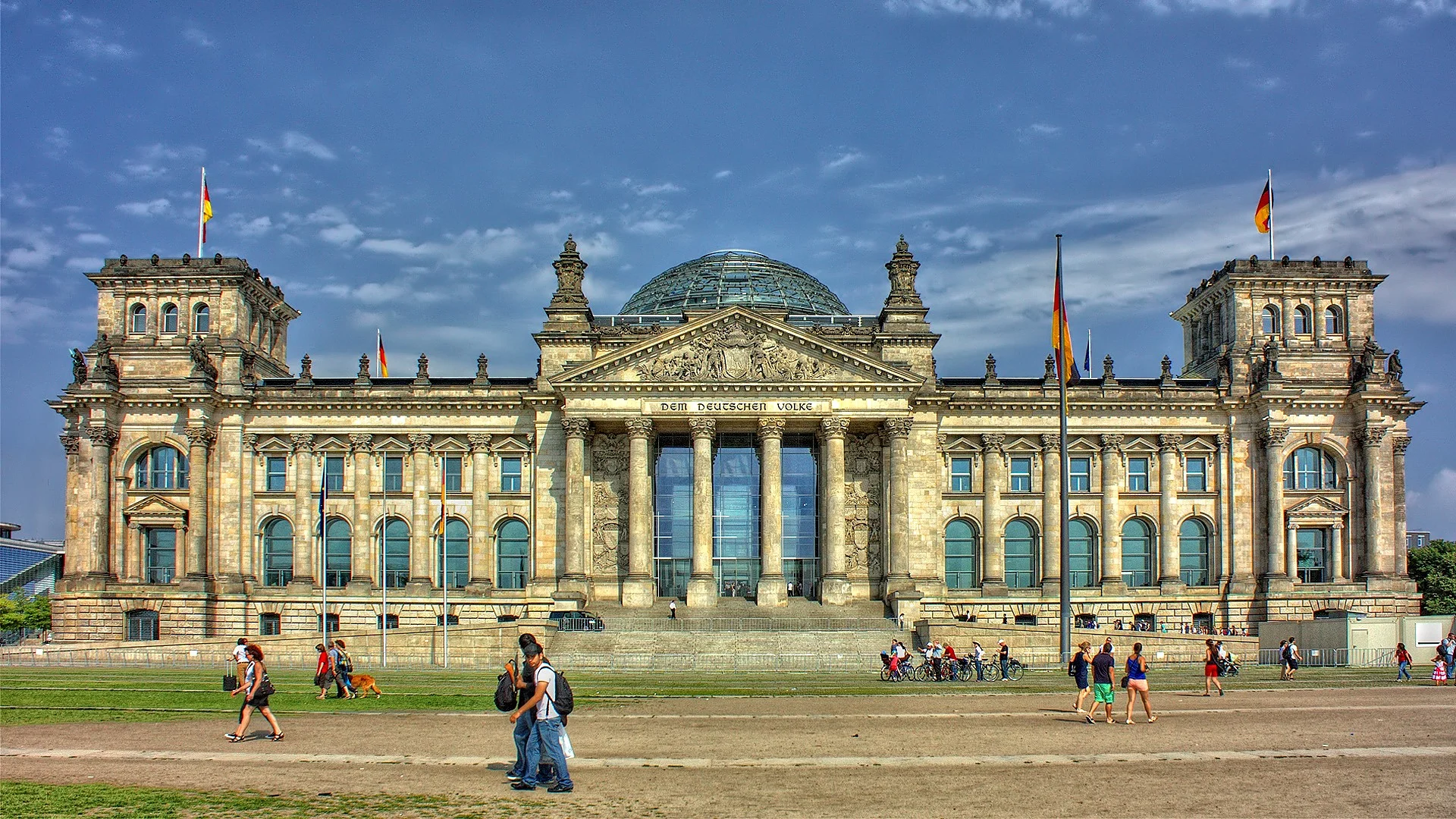
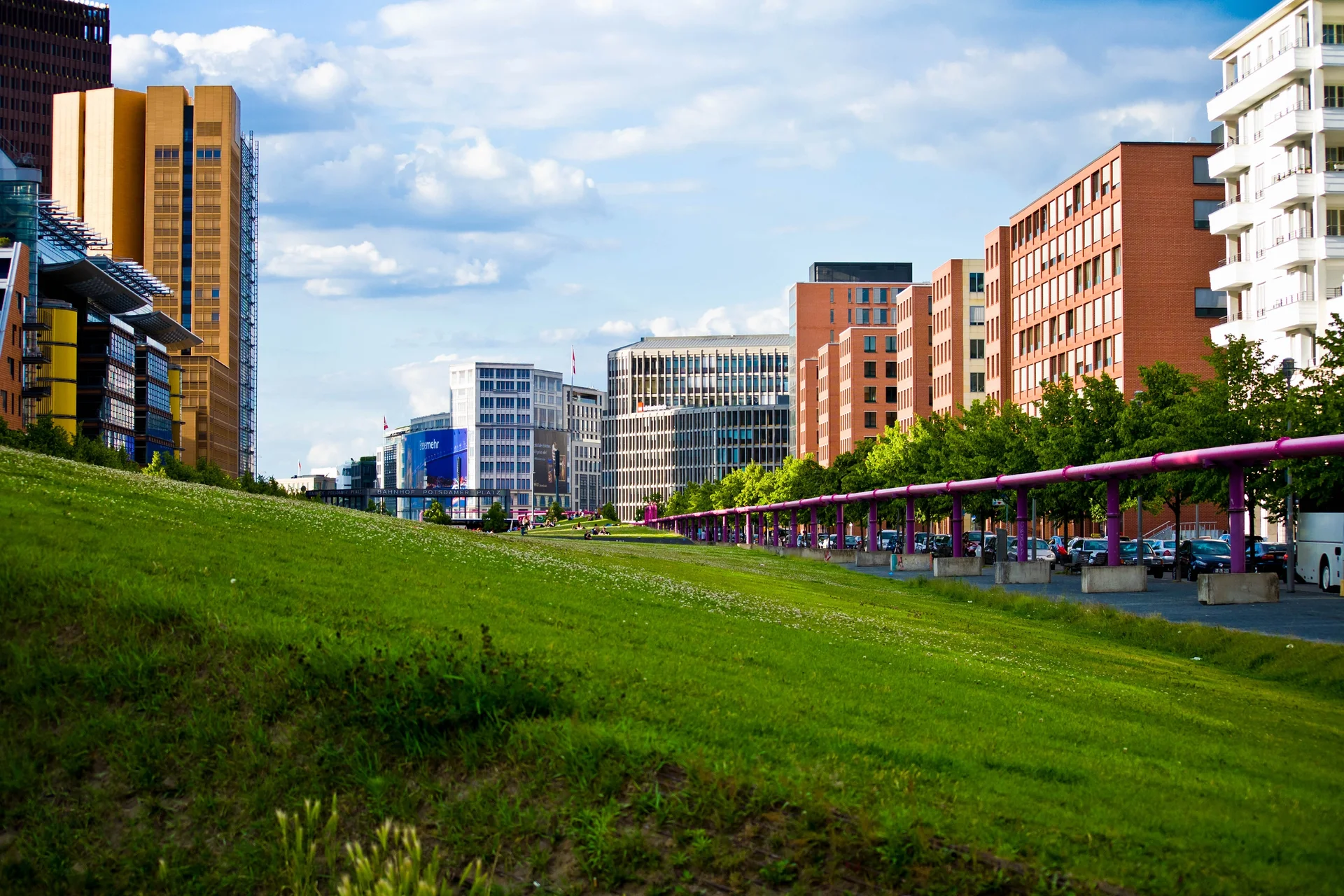
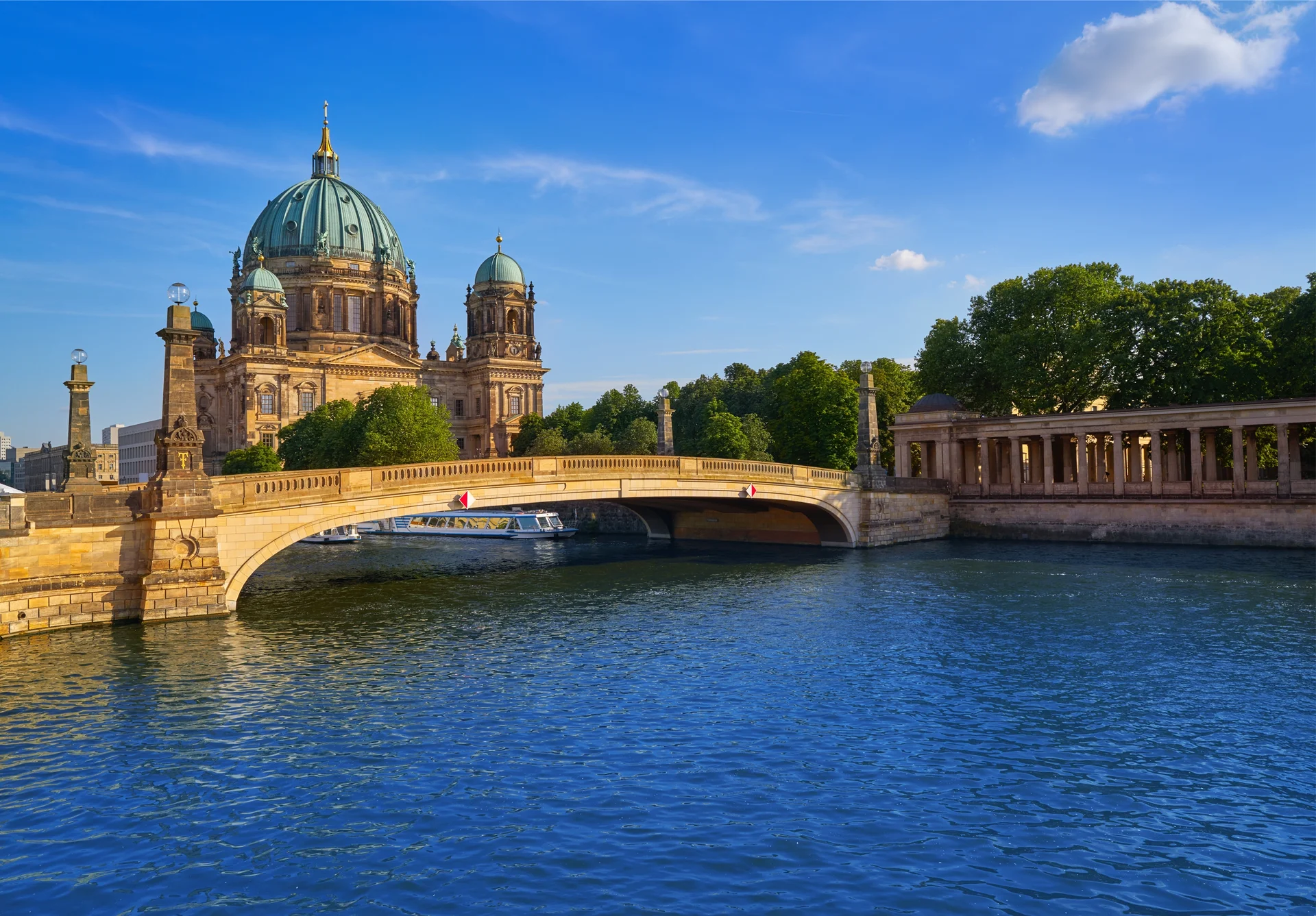
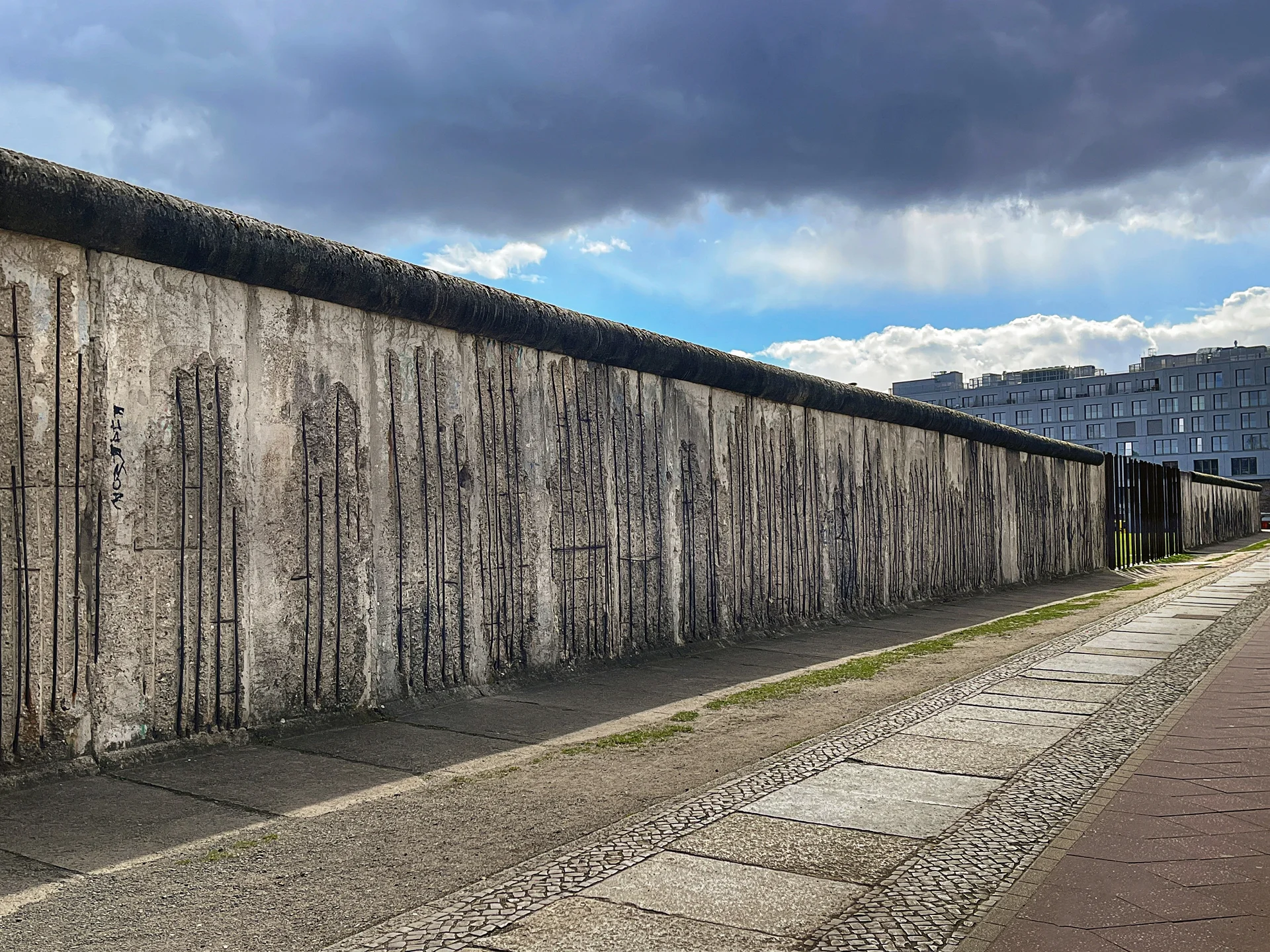
Berlin has no center: Mitte is just one district among a dozen, and the city covers 890 km² (344 sq mi), bigger than New York City and more than eight times the size of central Paris, flat and laced with S-Bahn lines and bike lanes. Couples pick two or three neighborhoods, Museum Island and the Reichstag for history, Kreuzberg or Prenzlauer Berg for the evening, and link them by train or bike. Two surprises wait on arrival: many bars and restaurants take cash only, and the night starts at midnight. Before you leave, book the free Reichstag dome, Museum Island and the TV Tower.
At a glance
- When to go
- May to September: 18 to 25°C (64 to 77°F), daylight until 9:30 p.m., terraces and lakes open. December brings Christmas markets, but the sun sets at 4 p.m., and January freezes.
- How many days
- Four days: the historic center, the Wall and Kreuzberg, Charlottenburg and the Tiergarten, then Potsdam or a lake. Three work without Potsdam; for a weekend, keep the first two.
- Where to stay
- Mitte for a first visit, Prenzlauer Berg for calm and cafés, Charlottenburg for elegance, Kreuzberg and Friedrichshain for the nightlife, Schöneberg and Neukölln for softer prices.
- Budget for two
- About $1,070 for three nights at comfort level, hotel, meals, sights and transport included, flights excluded. Carry cash: many bars, restaurants and markets refuse cards.
- A moment for two
- Sunset on the Oberbaum Bridge, the Spree turning pink between its two brick towers, then a Späti beer on the Landwehr Canal before the night begins.
- Book ahead
- The free Reichstag dome 2 to 4 weeks ahead, Museum Island and the TV Tower a few days ahead, a weekend table 1 to 2 weeks ahead.
Why Berlin for two
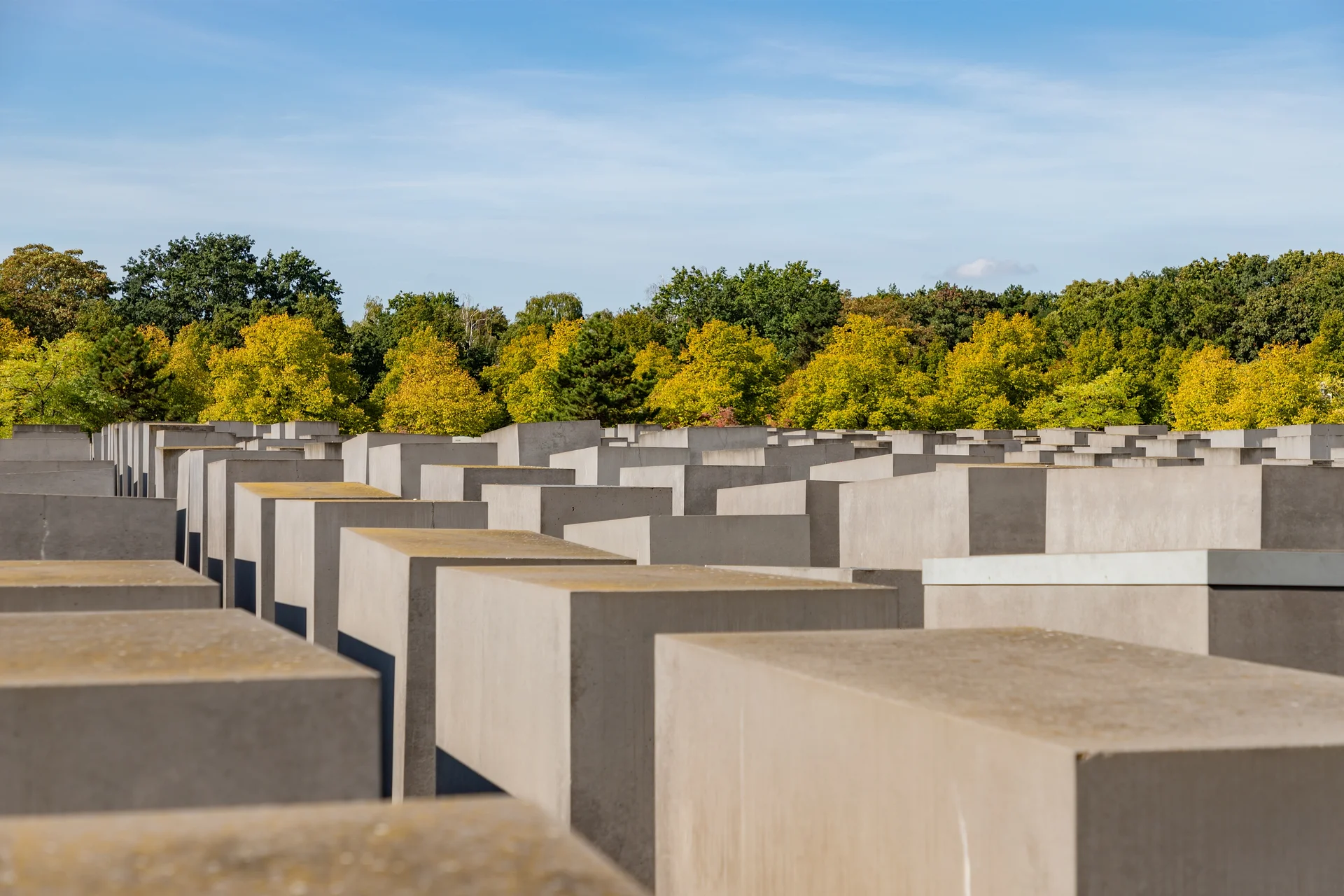
Berlin gives a couple space, history and nightlife at a price Paris or London no longer match. The Reichstag can be visited free under its glass dome, the Memorial to the Murdered Jews of Europe and the Topography of Terror cost nothing, and the East Side Gallery stretches 1.3 km (0.8 mi) of painted wall along the Spree. The Tiergarten and Tempelhofer Feld, an airport turned meadow, let you walk for hours without going into a single building.
The evening is the other reason. Bars have no closing hour, clubs open on Friday night and close on Monday morning, and for a quieter night the beer gardens, open-air cinemas and canal-side terraces stay open until late. Berlin works by neighborhood rather than by monument: Mitte for history, Prenzlauer Berg and Charlottenburg for strolling, Kreuzberg and Friedrichshain for the night.
When to go
| Period | Weather | Crowds | Our verdict |
|---|---|---|---|
| April to June | 8 to 22°C (46 to 72°F), brief showers | Moderate | Green parks, open terraces, daylight until 9:30 p.m.: the best balance |
| July and August | 20 to 30°C (68 to 86°F), thunderstorms | High | Lakes, beer gardens, warm nights; but the city heat is heavy |
| September and October | 9 to 20°C (48 to 68°F) | Moderate, high at the marathon | Golden light in the Tiergarten, the Festival of Lights in October, cheaper rooms |
| November to March | -2 to 8°C (28 to 46°F), gray skies, little snow | Low, high before Christmas | Christmas markets, museums, clubs; but the sun sets at 4 p.m. and January winds bite |
A few dates change the city. On Pentecost weekend the Karneval der Kulturen brings a million people into the streets of Kreuzberg; in late July, Pride (Christopher Street Day) fills Schöneberg. In February the Berlinale takes over the hotels around Potsdamer Platz. From late November to late December, the Christmas markets at the Gendarmenmarkt, Charlottenburg Palace and the Kulturbrauerei are the prettiest. On December 24, 25 and 26, shops and most restaurants close.
Paperwork: passport, authorization, health
| Documents | Authorization | Health | |
|---|---|---|---|
| United States, Canada | Passport valid at least 3 months after you leave the Schengen area | No visa for 90 days in any 180; ETIAS once required on your dates | Travel insurance with medical cover: visitors pay for care up front |
| United Kingdom | Passport valid at least 3 months after you leave the Schengen area | No visa for 90 days in any 180; ETIAS once required on your dates | Your GHIC covers state healthcare; travel insurance for the rest |
| Australia, New Zealand | Passport valid at least 3 months after you leave the Schengen area | No visa for 90 days; ETIAS once required on your dates | Travel insurance with medical cover |
Entering the Schengen area
On your first entry, border police record your fingerprints and a photo (the EES system): allow extra time at passport control. Check before you leave whether the ETIAS travel authorization is required on your dates: it is applied for online on the European Union site (travel-europe.europa.eu), costs a few euros and is valid for three years. Since Brexit, British travelers go through the same checks as Americans.
Germany does not check its borders with neighboring Schengen countries, but spot checks happen on roads and trains: keep your passport in your day bag, not at the bottom of the suitcase.
Getting there
By train, to the central station
| From | Time | Good to know |
|---|---|---|
| London St Pancras | ~10h | Eurostar to Brussels or Cologne, then an ICE with one change; a long day, though cheaper than it looks |
| Paris-Est | ~8h | One direct train a day; otherwise one change at Frankfurt or Cologne |
| Amsterdam Centraal | ~6h30 | A direct ICE about every two hours |
| Prague | ~4h | A direct train about every two hours, along the Elbe |
| Vienna | ~8h | A few direct trains a day |
| Hamburg | ~2h | An ICE every hour |
| Munich | ~4h | A fast ICE about every hour |
The Hauptbahnhof (central station), on five levels, is the largest crossing station in Europe: it sits just north of the Tiergarten, a 25-minute walk from the Brandenburg Gate. For travel within Germany, Deutsche Bahn Sparpreis fares start at ~$21 and go on sale up to six months ahead; the cheapest go first.
By air
| From | Time | Good to know |
|---|---|---|
| London | ~1h55 | Direct flights from Heathrow, Gatwick, Stansted, Luton and London City to Berlin Brandenburg |
| Manchester, Edinburgh | ~2h | Direct flights several days a week |
| New York, Boston, Chicago | 8 to 11h | Some direct flights, many seasonal; otherwise one stop in Frankfurt, Munich or London |
| Toronto, Montreal | 9 to 11h | One stop, in Frankfurt, Munich, London or Paris; check seasonal direct flights |
| Sydney, Auckland | 22 to 26h | One or two stops, usually through Singapore, Doha, Dubai or Frankfurt |
Berlin has one airport, Berlin Brandenburg (BER), 18 km (11 mi) from the center and served by train. The trip to your hotel is covered below, in "From the airport to your hotel".
By car
Practical things to know before you go
Cash and cards
Berlin is still a cash city. Hotels, museums, big chains and most supermarkets take cards; many bars, neighborhood restaurants, bakeries, Spätis (the late-night corner shops), Currywurst stands, flea markets and clubs take cash only, or a German debit card (Girocard), and some refuse Visa and Mastercard. Withdraw $112 to $168 when you arrive, and again halfway through the stay.
- Ask before ordering: "Kartenzahlung möglich?" A "Nur Bargeld" sticker on the door means no.
- Withdraw cash from a bank ATM (Sparkasse, Deutsche Bank, Commerzbank) rather than a standalone machine, which charges higher fees; always decline the offer to convert into your home currency, it costs more. Tell your bank you are traveling, and carry a card with no foreign transaction fee.
- Tipping is lower than in the US: round up by 5 to 10%, never 15 or 20%, and say the amount when you pay ("Stimmt so", keep the change) rather than leaving coins on the table. For two, the server asks "Zusammen oder getrennt?", together or separate.
Phone
Check the "Europe" or "Germany" line of your US or Canadian plan: many carriers include roaming in a daily pass, others charge by the megabyte, and an eSIM for the week is usually cheaper. British plans vary since Brexit: some include Europe, others charge a daily fee. Wi-Fi is rare in cafés and bars; download the city map and the BVG app before going out.
Plugs, water and dress
- Type F sockets (two round pins with earthing clips) at 230 volts. A US plug needs an adapter, and a US hair dryer or straightener needs a converter unless it is marked 100 to 240V; UK travelers need a plain adapter.
- Tap water is safe everywhere. In restaurants the usual drink is bottled water, charged like any drink: ask for Leitungswasser, some places serve it free. Say "ohne Kohlensäure" for still water; without it you get sparkling.
- Bottles carry a $0.28 deposit (Pfand), refunded at supermarkets. Outside a Späti, leave an empty bottle beside the bin: collectors pick it up.
- Berlin dresses down: sneakers, jeans, black. A smarter outfit is enough at the opera or the Philharmonie, rarely more.
- On Sundays, supermarkets and most shops are closed; Spätis, bakeries open in the morning and train stations stay open.
What to book, and how far ahead
The Wall memorials, the East Side Gallery, the Tiergarten and Tempelhofer Feld need no ticket. What you book are the timed-entry sights and the weekend tables. Settle the Reichstag dome first, the one to book weeks ahead, then fit the rest around it.
| Sight | Price per person | Book | Good to know |
|---|---|---|---|
| Reichstag dome | Free | 2 to 4 weeks ahead | Online registration on the Bundestag site; ID in the name of the booking; an evening slot in summer |
| Museum Island (Museumsinsel ticket) | ~$28 | A few days ahead | One ticket for the five museums; Nefertiti is at the Neues Museum, timed. The Pergamon is partly closed for renovation: check which hall is open on your dates |
| TV Tower | ~$28 | 1 to 3 days ahead | Timed ticket; a late-afternoon slot gives you the sunset |
| Stasi prison at Hohenschönhausen | ~$7.90 | 1 to 2 weeks ahead | Guided tour of the GDR political prison; pick the language when you book |
| Sanssouci Palace (Potsdam) | ~$23 | 3 to 7 days ahead | Timed ticket, closed on Mondays; in summer, same-day slots go in the morning |
| Berlin Philharmonic | $23 to $112 | 1 to 3 months ahead | Big nights sell early; standing and last-minute seats are worth a try at the box office |
| Well-known restaurants | 2 to 3 weeks ahead | Friday and Saturday tables go first |
From the airport to your hotel
© OpenStreetMap contributors
The airport, the arrival stations and the neighborhoods they serve
- Berlin Brandenburg (BER)
- 1Hauptbahnhof, Mitte
- 2Zoologischer Garten, Charlottenburg
- 3Ostkreuz, Friedrichshain
- 4Prenzlauer Allee, Prenzlauer Berg
- 5Neukölln
- 6Südkreuz, Schöneberg
| Destination | Transport | Time | Indicative fare |
|---|---|---|---|
| Hauptbahnhof, Mitte | Airport Express (FEX) | ~30 min. | ~$5.60 / pers. |
| Hauptbahnhof, Mitte | Taxi | 40 to 60 min. | $51 to $68 / taxi |
| Zoologischer Garten, Charlottenburg | RE7 or RB14 | ~40 min. | ~$5.60 / pers. |
| Ostkreuz, Friedrichshain | S9 | ~35 min. | ~$5.60 / pers. |
| Prenzlauer Allee, Prenzlauer Berg | S9 then S41 | ~50 min. | ~$5.60 / pers. |
| Neukölln | S45 | ~35 min. | ~$5.60 / pers. |
| Südkreuz, Schöneberg | S45 | ~45 min. | ~$5.60 / pers. |
The BER station is beneath Terminal 1: trains leave every 10 to 30 minutes. The Airport Express (FEX) and the regional trains RE7 and RB14 run to the center without a change, through Ostkreuz, Alexanderplatz and the Hauptbahnhof; the S-Bahn lines S9 and S45 are slower and serve the east and south. All need a ticket for zones A, B and C (ABC), ~$5.60: a city AB ticket is refused at inspection.
A taxi costs $51 to $68 to Mitte, 40 to 60 minutes depending on traffic, and takes you to any hotel without a change: worth it at night or with heavy luggage. The taxi stands are outside Terminal 1; Uber, Bolt and FreeNow cost a little less.
Getting around
U-Bahn, S-Bahn, trams and buses
| Ticket | Price | Validity |
|---|---|---|
| Single ticket, zones AB | ~$4.50 | 2 hours in one direction, transfers included; paper tickets must be validated at a machine |
| 24-hour ticket, zones AB | ~$12 | 24 hours from validation; pays off from three rides |
| 7-day ticket, zones AB | ~$45 | For a stay of four days or more, with trips around the city |
| ABC ticket | ~$5.60 | BER airport and Potsdam are in zone C: an AB ticket is not enough |
| Deutschlandticket | ~$71 a month | Monthly subscription you can cancel: all local and regional transport in Germany, Potsdam and BER included |
The network works on three levels: the U-Bahn (nine lines, most neighborhoods), the S-Bahn, which crosses the city east to west and circles it on the Ringbahn, and the tram, mostly in the east. On weekends the U-Bahn runs all night on most lines, every 15 minutes; on weekdays night buses and trams take over. There are no turnstiles: plainclothes inspectors check tickets, and the fine is $68. On weekends, works close some S-Bahn lines: check the BVG app before you set out.
By bike
Berlin is flat and crisscrossed by bike lanes, painted red on the sidewalk: the Tiergarten, the Landwehr Canal and Tempelhofer Feld are better by bike than on foot. A rental bike costs ~$17 a day; shared bikes and scooters are unlocked with an app. Never walk on the red lane: cyclists do not slow down.
Budget for two
Berlin is still cheaper than Paris, London or Amsterdam, and the hotel weighs the most. Here is what three nights cost for two, flights excluded.
| Smart | Comfort | Splurge | |
|---|---|---|---|
| Hotel, per night | $90 to $124 | $157 to $230 | from $340 |
| Meals, per day for two | $68 | $124 | $230 |
| Sights for the stay | $34 | $101 | $230 |
| Transport for the stay | $28 | $45 | $112 with taxis |
| Total for three nights | $560 | $1,070 | $2,130 |
Hotel prices rise during the Berlinale in February, the September marathon and the weeks before Christmas, and drop from January to March.
Benchmark prices
| Item | Price |
|---|---|
| Currywurst with fries | $4.50 to $6.80 |
| Döner kebab | $6.80 to $9 |
| Beer from a Späti, to go | $2.30 to $3.40 |
| Beer (0.5 l, a bit under a pint) in a bar | $4.50 to $6.80 |
| Coffee or cappuccino | $4 to $5.10 |
| Cocktail in a bar | $13 to $17 |
| Dinner for two with wine, at a good restaurant | $68 to $124 |
| Club entry, in cash | $17 to $28 |
| U-Bahn or S-Bahn ride, zones AB | ~$4.50 |
What to eat and drink
Berlin eats from all over the world: German cooking keeps a low profile, while Turkish, Vietnamese and Levantine food rules the street. For a couple, three habits are enough: a street snack, a beer garden, a late brunch.
At the table
-
Currywurst
A grilled sausage, sliced, with a curry-tomato sauce and fries, $4.50 to $6.80; eaten standing, at Konnopke's Imbiss since 1930 or at Curry 36.
-
Döner kebab
Grilled meat, salad and sauces in soft bread, $6.80 to $9, said to have been invented in Berlin in the 1970s; Mustafas Gemüse Kebap has a half-hour line for its vegetable version.
-
Berliner Pfannkuchen
The jelly doughnut, called Pfannkuchen in Berlin and Berliner elsewhere in Germany, $1.70 to $2.80; in every bakery in the morning.
-
Berlin home cooking
Eisbein (pork knuckle), Königsberger Klopse (meatballs in caper sauce) and Buletten, at Zur letzten Instanz, the city's oldest tavern, open since 1621.
-
White asparagus
Spargel, from April to late June, served with ham, new potatoes and hollandaise: the spring dish, $17 to $25.
-
Brunch
Berlin gets up late: weekend brunch, 10 a.m. to 3 p.m., with eggs, sourdough and filter coffee, is booked in Prenzlauer Berg and Neukölln.
In the glass
-
Berliner Weisse
A sour wheat beer served with raspberry or woodruff syrup (mit Schuss) in a bowl-shaped glass: the summer drink, $5.60 to $7.90.
-
Späti beer
The Wegbier, the beer for the road: buy it for $2.30 to $3.40 at a Späti and drink it on the sidewalk or by the water.
-
Club-Mate
A mate soda from Bavaria adopted by Berlin's clubs: the drink of long nights, $3.40 to $4.50 a bottle.
-
Berliner Luft
The city's digestif: a peppermint liqueur, a small ice-cold glass, $3.40 to $4.50, to end a meal in a Kneipe.
Local customs and rules
Berliners are direct and informal: people use the first name in bars, and a curt "no" is not an insult. A few rules matter more than others.
- Wait for the green light to cross, even with no car in sight: jaywalkers get a remark, especially in front of children. The red bike lane on the sidewalk is not part of the sidewalk.
- A paper ticket is validated at the yellow or red machine before you board; a ticket bought in an app needs no validation. Without a valid ticket, the fine is $68.
- Quiet hours (Ruhezeiten) run from 10 p.m. to 6 a.m. and all day Sunday: no loud music on a balcony, no drilling. Inside a club, the opposite rule applies.
- Photos are banned in clubs, and your phone camera may get a sticker. At the Memorial to the Murdered Jews of Europe, do not climb on the stelae and do not pose for smiling photos.
- Nudist areas (FKK) line some lakes and parks, signposted at the entrance: do not photograph bathers.
- Smoking is allowed in many small bars (Kneipen), especially at night: the smell stays in your clothes.
Safety
Berlin is safe for a couple, by day and by night, in the neighborhoods where you will stay and on the subway. The risk is phone theft and a few street scams, more than assault.
- Pickpockets work the crowds at Alexanderplatz, the Hauptbahnhof, the Brandenburg Gate and packed U-Bahn cars: wallet and phone in an inside pocket, bag in front of you.
- The shell game runs in front of the Brandenburg Gate and at Alexanderplatz: nobody wins except the dealer's accomplice. "Petition signatures" that end in a forced donation follow the same script.
- Kottbusser Tor, the Görlitzer Park and the area around Warschauer Straße station draw drug dealers at night: walk through without stopping and decline any offer.
- At Checkpoint Charlie, actors in American or Soviet uniforms ask for euros for a photo: a wave of the hand is enough to refuse.
- A bike locked by the wheel alone is stolen in ten minutes: lock the frame to a fixed point with a U-lock.
Mistakes couples make
Berlin disappoints through its distances and its habits: too many neighborhoods in a day, a card refused at the moment of paying, a transit ticket from the wrong zone. The rest can be fixed.
- Counting on cards everywhere: without cash, a dinner in Kreuzberg, a market or a club can end at the door.
- Booking the Reichstag dome the day before: slots go 2 to 4 weeks ahead, and without registration you do not get in.
- Putting Mitte, Charlottenburg and Friedrichshain in the same day: 12 km (7.5 mi) separate the two ends, 35 minutes of S-Bahn each way.
- Spending the afternoon at Checkpoint Charlie: the post is a reconstruction and ten minutes is plenty; the original Wall stands at Bernauer Straße and the East Side Gallery.
- Making Berghain your only night out: the line sometimes lasts two hours, the doorman decides, and a refusal leaves you with no plan at 3 a.m. Keep a second club in mind.
- Buying an AB ticket at the airport: BER and Potsdam are in zone C, and an ABC ticket is required.
- Counting on shops on Sunday: supermarkets are closed, even the small ones; shop on Saturday, or go to a train station.
- Coming to see the Pergamon without checking: the museum is largely closed for renovation, and the hall with the Pergamon Altar changes by date.
Frequently asked questions
Is Berlin a good destination for a romantic trip?
Yes, for three concrete reasons: history that is visible and free (the Reichstag, the Wall, the memorials), space, with the Tiergarten, Tempelhofer Feld and the lakes, and evenings for every pace, from beer garden to club. The caveats are the size of the city, which forces you to pick two or three neighborhoods, and the cash you need.
How many days do you need in Berlin as a couple?
Four days give the best rhythm: the historic center, the Wall and Kreuzberg, Charlottenburg and the Tiergarten, then Potsdam or a lake. Three days work without Potsdam; for a weekend, keep the historic center and the Wall.
Do you need cash in Berlin?
Yes. Hotels, museums and big chains take cards, but many bars, neighborhood restaurants, bakeries, markets and clubs are cash only, and some refuse foreign cards. Withdraw $112 to $168 from a bank ATM on arrival, and decline the currency conversion offered.
How do you visit the Reichstag for free?
Entry is free but registration is required: book a slot on the Bundestag site, 2 to 4 weeks ahead in summer, with each visitor's name and date of birth. Show your ID at the door; the audio guide is free, and the last evening slot gives you the sunset.
Which transit ticket should you buy in Berlin?
A 24-hour ticket (AB, ~$12) if you ride three times or more in a day, a 7-day ticket (~$45) for a stay of four days or more. From the airport or to Potsdam you need an ABC ticket (~$5.60). The Deutschlandticket (~$71 a month, cancelable) pays off for a week with day trips.
Do you tip in Berlin?
Yes, 5 to 10% in restaurants, rounding up when you pay: tell the server the total you want ("Stimmt so" to keep the change) instead of leaving coins on the table. In a taxi, round up to the next euro, and in a bar leave $1.20 per round. The American 20% is not expected.