Munich for couples: things to know before you go (2026)
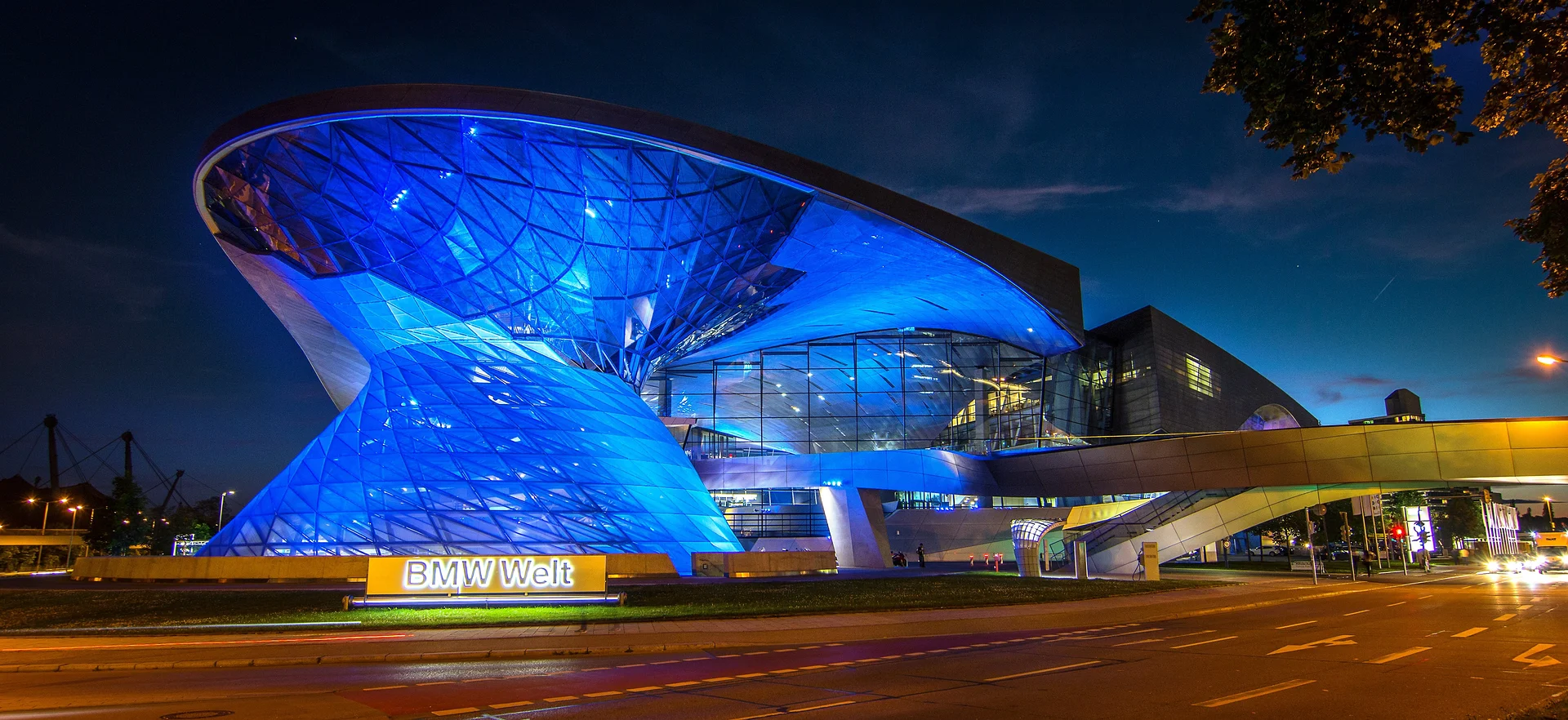
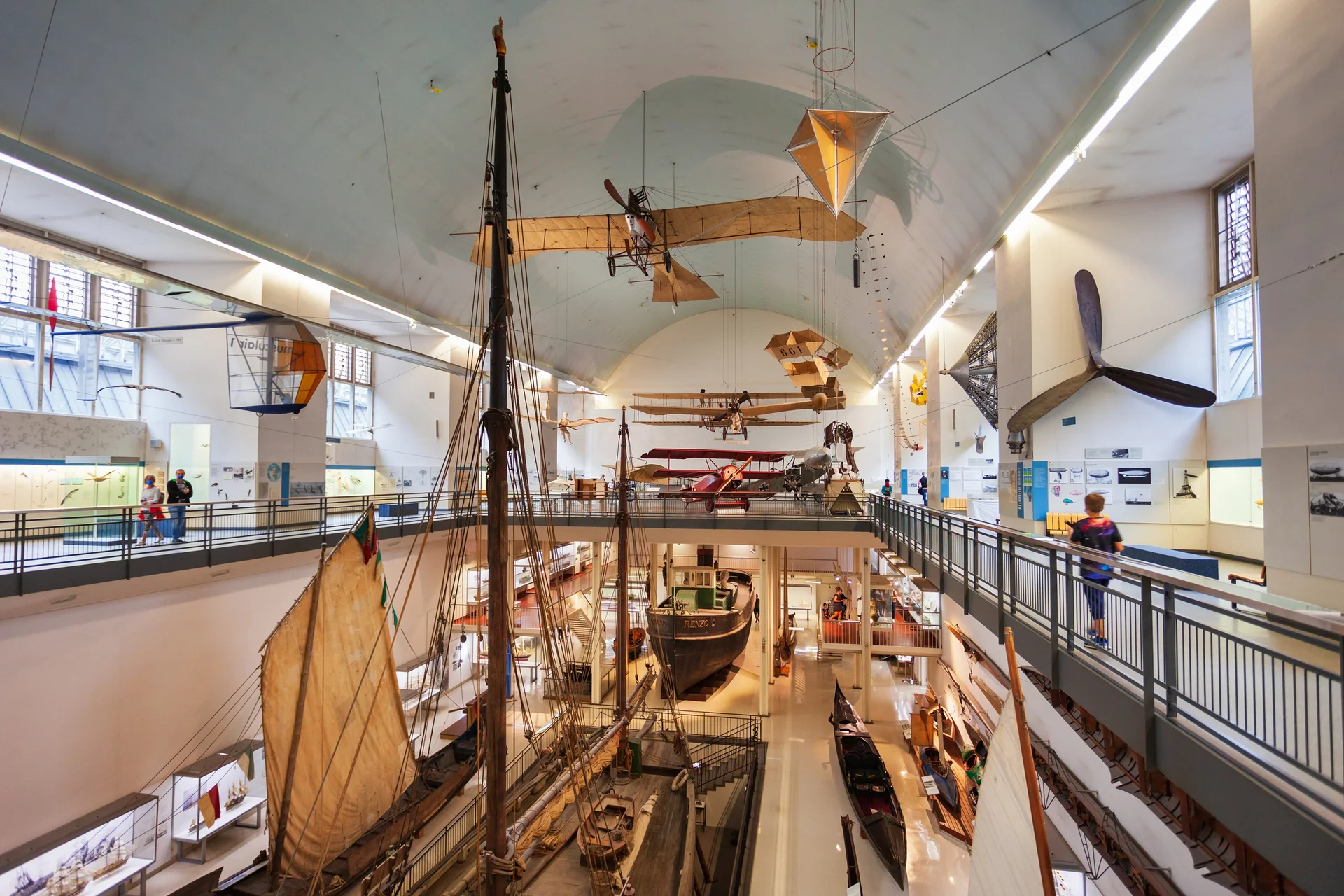
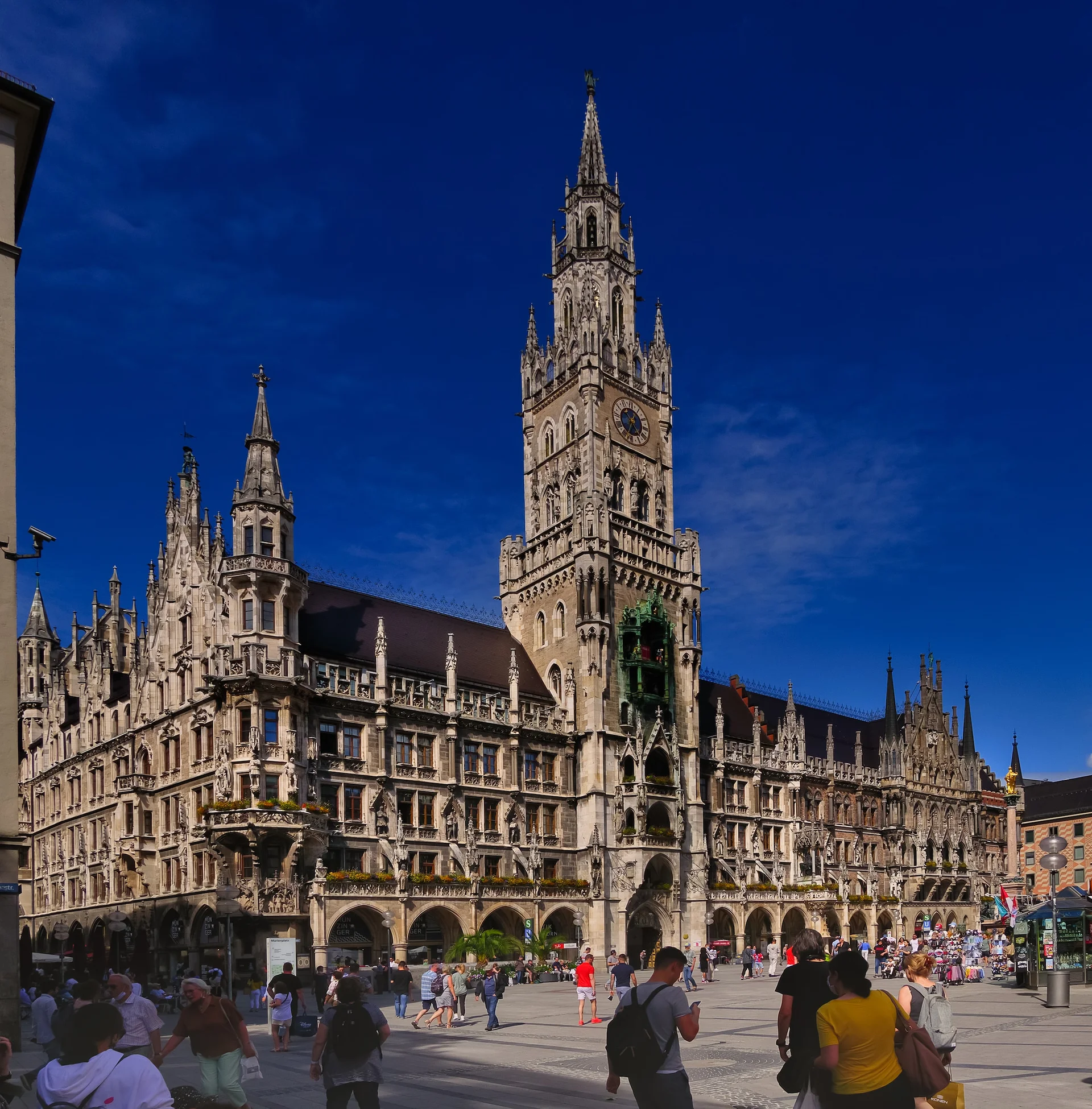
Breakfast in Munich has a rule: Weißwurst is not eaten after noon. So a couple sits down around 10 a.m. to two white sausages, a pretzel and a wheat beer, then has the rest of the day for the Residenz, Marienplatz and the Englischer Garten, bigger than Central Park. Germany's wealthiest big city makes no apology for its prices: it is clean, safe and run by a subway that leaves on time, it has the Alps an hour away by train, and its beer halls need no ticket. Only Neuschwanstein and Oktoberfest have to be planned months ahead.
At a glance
- When to go
- May to September for the beer gardens: 68 to 79 °F (20 to 26 °C), daylight until 9:30 p.m. December has Christmas markets; Oktoberfest (late September) multiplies hotel prices by 3 or 4.
- How many days
- Three full days for the old town, Nymphenburg, the Englischer Garten and the museums; a fourth for Neuschwanstein, Salzburg or the Ammersee lake.
- Which area
- The Altstadt for a first visit, Haidhausen for calm, Glockenbach for nights out, Maxvorstadt for museums, Lehel for elegance.
- Budget for two
- About $1,290 for three nights at a comfortable level, covering hotel, meals, sights and transport, flights not included: hotels cost more than elsewhere in Germany, beer and the subway do not.
- The moment for two
- A summer evening under the chestnut trees at the Chinesischer Turm: 7,000 seats, the Sunday brass band, a liter of beer to share and a pretzel, then a walk home through the park.
- Book ahead
- Neuschwanstein (timed ticket, several weeks ahead), your hotel six months ahead for Oktoberfest, a table at a starred restaurant 4 to 8 weeks ahead.
Why Munich for two
Munich brings together what other German cities share out between them: the palaces of the Wittelsbach dynasty, museums of the first rank and an outdoor life that costs almost nothing. You go from the gilded rooms of the Residenz to the beer of the Hofbräuhaus, from a Dürer self-portrait at the Alte Pinakothek to an afternoon on a wooden bench under a chestnut tree, and the evening needs no reservation.
The city suits two people because it is easy: clean, safe at any hour, crisscrossed by a subway that comes every 5 minutes, and rich enough that cafés, museums and parks are kept like drawing rooms. In summer you swim in the Isar and eat in a Biergarten until 10 p.m.; in winter the Christmas markets on Marienplatz and Wittelsbacherplatz take over, and the Alps, with Salzburg 1h30 away by train and Neuschwanstein 2h, fit into one day.
When to go
| Period | Weather | Crowds | Our verdict |
|---|---|---|---|
| April and May | Mild, 50 to 68 °F (10 to 20 °C), frequent showers | Moderate | Beer gardens reopen at the first sun, the Alps are still white |
| June to August | Warm, 72 to 82 °F (22 to 28 °C), afternoon storms | High | Light until 9:30 p.m. and swimming in the Isar, but hotels cost more |
| September | Mild, 57 to 72 °F (14 to 22 °C) | High, very high during Oktoberfest | Our favorite outside the festival dates: golden light, clear Alps |
| October | Cool, 43 to 57 °F (6 to 14 °C) | Moderate | Red leaves in the Englischer Garten, and the Föhn wind brings the Alps close |
| December | Cold, 28 to 39 °F (-2 to 4 °C), snow possible | High around the markets | Christmas markets and mulled wine, but dark by 4:30 p.m. |
| January and February | Cold, 23 to 37 °F (-5 to 3 °C) | Low | Lowest prices, empty museums, warm beer halls |
Oktoberfest lasts sixteen days, from late September to the first Sunday of October. Hotels in the center cost 3 to 4 times their usual price and are booked from March; for a table in a tent on a weekend you have to reserve with the tent itself from winter, while on weekdays before 4 p.m. you can often find a seat without a reservation. A couple who does not want the crowds avoids those weeks; a couple who does books six months ahead.
Formalities: passport, authorization, health
| Documents | Authorization | Health | |
|---|---|---|---|
| United States, Canada | Passport valid at least 3 months after you leave the Schengen area | No visa for 90 days in any 180; ETIAS once required on your dates | Travel insurance with medical cover: visitors pay for care up front |
| United Kingdom | Passport valid at least 3 months after you leave the Schengen area | No visa for 90 days in any 180; ETIAS once required on your dates | Your GHIC covers state healthcare; travel insurance for the rest |
| Australia, New Zealand | Passport valid at least 3 months after you leave the Schengen area | No visa for 90 days; ETIAS once required on your dates | Travel insurance with medical cover |
Entering the Schengen area
On your first entry, border police record your fingerprints and a photo (the EES system): allow extra time at passport control. Check before you leave whether the ETIAS travel authorization is required on your dates: it is applied for online on the European Union site (travel-europe.europa.eu), costs a few euros and is valid for three years. Since Brexit, British travelers go through the same checks as Americans.
Germany does not check its borders with neighboring Schengen countries, but spot checks happen on roads and trains, mostly between Austria and Bavaria: keep your passport in your day bag, not at the bottom of the suitcase.
Getting there
By air
| From | Time | Good to know |
|---|---|---|
| New York, Newark, Boston, Washington | 8h to 9h30 | Nonstop all year, several flights a day from New York |
| Chicago | ~9h | Nonstop all year on Lufthansa and United |
| San Francisco, Los Angeles | ~11h | Nonstop all year on Lufthansa |
| Toronto | ~8h30 | Nonstop all year, more flights in summer |
| London | ~2h | Several flights a day from Heathrow, plus Gatwick in summer |
| Dublin, Manchester | 2h15 to 2h30 | Nonstop all year |
All flights land at Franz Josef Strauß airport (MUC), 40 km (25 miles) northeast of the center and linked by the S-Bahn: the way to your hotel is below, in “From the airport to your hotel”. From Australia and New Zealand, the usual routes change in Singapore, Dubai or Doha.
By train
| From | Time | Good to know |
|---|---|---|
| Frankfurt | ~3h20 | An ICE every hour |
| Berlin | ~4h | An ICE every hour |
| Zurich | ~3h30 | A direct train every two hours |
| Vienna | ~4h | Direct Railjet, one an hour |
| Salzburg | ~1h30 | A direct train every hour |
| Paris | 5h30 to 6h | A direct TGV, otherwise a change at Stuttgart or Karlsruhe |
The Hauptbahnhof is a 15-minute walk from Marienplatz, or one S-Bahn stop. Deutsche Bahn’s discount fares (Sparpreis) start at ~$21 and go on sale up to six months before departure.
By car
Practical things to know before you go
Phone
American and Canadian plans bill roaming at day-pass rates or not at all: check your carrier’s international option or install an eSIM before you leave. British networks have brought back roaming charges since Brexit: check yours. Download the MVG app before you go out; it sells subway tickets and shows live departures.
Money and tipping
- Cards work at hotels, museums and most restaurants, but stalls at the Viktualienmarkt, beer garden counters and many bakeries take cash only: keep $56 in small bills. Tell your bank you are traveling, and carry a card with no foreign transaction fee.
- Tipping is lower than in the US: round up by 5 to 10%, never 15 or 20%, and say the amount when you pay (“Stimmt so”, keep the change) rather than leaving coins on the table. For two, the server asks “Zusammen oder getrennt?”, together or separate.
- A small deposit (Pfand) is charged on every Maß and bottle, and refunded when you return the glass or bottle.
Plugs, water and clothes
- Type F sockets at 230 volts: US and Canadian plugs need an adapter, and a charger that accepts 230 volts (most phone and laptop chargers do). British type G plugs need an adapter too.
- Tap water is safe to drink everywhere, and it comes from the Alps. Restaurants serve bottled water by default: ask for Leitungswasser.
- There is no dress code; smart casual is enough at the opera. The Dirndl and Lederhose are for Oktoberfest, not the rest of the year. A jacket is enough in a Biergarten after 8 p.m., even in July.
- On Sundays all shops and supermarkets are closed; bakeries open in the morning, and the shops inside the train station stay open.
What to book, and how far ahead
Munich needs little booking, except two things: Neuschwanstein castle, where each guided visit has its own time slot, and the weeks of Oktoberfest. Fix the day for Neuschwanstein first, then book around it.
| Site | Price per person | Book | Good to know |
|---|---|---|---|
| Neuschwanstein Castle | ~$24 + online fee | 4 to 8 weeks ahead | Guided visit of ~30 min. at a set time; the ticket is a time slot, so plan the train and the climb around it |
| Hotel during Oktoberfest | 6 months ahead | Hotel prices are multiplied by 3 or 4; rooms in the center go in March | |
| Table in an Oktoberfest tent | From winter | Reservation required on weekends; on weekdays before 4 p.m. you can often walk in | |
| Bayerische Staatsoper | $17 to $168 | 1 to 2 months ahead | Ballet and gala nights go first; the Gärtnerplatztheater costs less |
| Starred restaurant (Tantris, Atelier) | 4 to 8 weeks ahead | Friday and Saturday nights go first | |
| Beer hall and Biergarten | No reservation | You take a free table and share it with your neighbors |
From the airport to your hotel
© OpenStreetMap contributors
The airport, the stations and the areas they serve
- Franz Josef Strauß (MUC)
- 1Marienplatz, Altstadt
- 2Hauptbahnhof, Maxvorstadt
- 3Gärtnerplatz, Glockenbach
- 4Ostbahnhof, Haidhausen
- 5Maximilianstraße, Lehel
| Destination | Transport | Time | Indicative fare |
|---|---|---|---|
| Marienplatz, Altstadt | S8, direct | ~40 min. | ~$17 / pers. |
| Marienplatz, Altstadt | Taxi | 40 to 60 min. | $90 to $112 / taxi |
| Hauptbahnhof, Maxvorstadt | S1 or S8, direct | ~45 min. | ~$17 / pers. |
| Hauptbahnhof, Maxvorstadt | Airport bus | ~45 min. | ~$15 / pers. |
| Gärtnerplatz, Glockenbach | S8 to Isartor, then 8 min. on foot | ~45 min. | ~$17 / pers. |
| Ostbahnhof, Haidhausen | S8, direct | ~30 min. | ~$17 / pers. |
| Maximilianstraße, Lehel | S8 to Marienplatz, then 10 min. on foot | ~50 min. | ~$17 / pers. |
The S-Bahn leaves from the station under the terminals about every ten minutes, alternating the S1, which arrives from the west at the Hauptbahnhof, and the S8, which stops at the Ostbahnhof and then crosses the center. One ticket covers the whole trip, ~$17 per person; if you will ride the subway again the same day, the Airport-City-Day-Ticket (~$18) is better value. Validate a paper ticket at the blue machine before boarding.
The airport bus (Lufthansa Express Bus) reaches the Hauptbahnhof in about 45 minutes, at a price close to the S-Bahn’s: only the stop differs, useful if your hotel is near the station. Taxis wait outside the terminals, metered: expect $90 to $112 to the center, worth it at night or with heavy bags.
Getting around
On foot, by subway and by tram
The center is a walking city: from Marienplatz to the Residenz, the Frauenkirche and the Viktualienmarkt takes less than ten minutes. Beyond that, the subway (U-Bahn), the S-Bahn and the trams all take the same ticket and come every 5 to 10 minutes. Munich is also a cycling city, with lanes along the Isar and through the Englischer Garten: bikes rent through the MVG Rad app.
| Ticket | Price | Validity |
|---|---|---|
| Single ticket, zone M (center) | ~$4.80 | One trip in the center, transfers included |
| Day pass for one person, zone M | ~$12 | Until 6 a.m. the next day, all transport in the center |
| Group day pass, zone M | ~$23 | Up to five people: the price of two single day passes, good value for three |
| Bayern-Ticket | ~$50 for two | One day, all regional trains in Bavaria, from 9 a.m. on weekdays and all day on weekends |
| Deutschlandticket | ~$71 / month | Monthly subscription you can cancel, all regional transport in Germany |
Paper tickets are validated at the blue machine before boarding; a ticket bought on the MVG app needs no validation. Checks are frequent, and the fine for traveling without a valid ticket is $68. The subway stops around 1 a.m. on weekdays; night lines (N) take over by tram and bus.
Budget for two
Munich is one of the most expensive cities in Germany, and hotels are what weigh: a double room in the center costs more than in most of the country’s cities. Food and the subway stay reasonable, and a liter of beer costs less than a cocktail. Here is what three nights cost for two, flights not included.
| Budget | Comfort | Treat yourself | |
|---|---|---|---|
| Hotel, per night | $124 to $168 | $210 to $300 | from $430 |
| Meals, per day for two | $79 | $124 | $250 |
| Sights for the stay | $56 | $101 | $230 with Neuschwanstein and the opera |
| Transport for the stay | $34 | $45 | $112 by taxi |
| Total for three nights | $790 | $1,290 | $2,470 |
Rooms cost 20 to 30% less from November to February, Christmas markets aside, than in June or September. The Oktoberfest weeks and the big Messe trade fairs multiply the price by 3 or 4: a night that costs $230 in June costs $790 in late September.
Reference prices
| Item | Price |
|---|---|
| A Maß (1 liter) in a Biergarten or beer hall | $12 to $14 |
| A Maß at Oktoberfest | ~$17 |
| Two Weißwürste with a pretzel | $9 to $12 |
| Schweinsbraten with Knödel | $20 to $25 |
| Wheat beer (half a liter) at a restaurant | $5.60 to $7.90 |
| Coffee and a slice of cake | $9 to $14 |
| Dinner for two with beer in a Wirtshaus | $68 to $101 |
| Cocktail in a bar | $15 to $20 |
| Mulled wine at a Christmas market | $5.10 to $6.80 |
What to eat and drink
Bavarian cooking is pork, veal and potatoes, served in big portions with beer: you eat it in a Wirtshaus with dark wood paneling, or outside, at a Biergarten table, with your own sandwiches if you like, which tradition allows on tables without a cloth.
At the table
-
Weißwurst
Two white veal and parsley sausages, served in their hot water with sweet mustard and a pretzel, before noon only: $9 to $12.
-
Schweinsbraten
Roast pork with a crackling crust, with Knödel (bread or potato dumplings) and a beer gravy: $20 to $25.
-
Schweinshaxe
A huge roast pork knuckle, to share between two with a potato salad: $23 to $30 in a beer hall.
-
Obatzda and pretzel
A cream of ripe cheese, butter, onion and paprika, spread on a pretzel: the starter at every Biergarten, $6.80 to $9.
-
Leberkäs
A golden slice of meatloaf in a roll with mustard: the butcher’s lunch, $4 to $5.60 at the counter.
-
Ausgezogene
A flat doughnut, thin in the middle and thick at the edge, fried in lard: try it at Café Frischhut near the Viktualienmarkt, with a coffee.
In the glass
-
Helles
The soft, golden lager of every day, and the one Munich locals drink: ask for an Augustiner Hell, drawn from a wooden barrel in the best Biergärten.
-
Weißbier
Cloudy, fruity wheat beer in a tall flared glass, with the morning Weißwürste: $5.60 to $7.90 for half a liter.
-
Radler
Half beer, half lemonade, born in Munich in the 1920s for cyclists: the drink of hot afternoons.
-
Dunkel and Starkbier
Dark beer with a caramel taste all year; the amber strong beer of Lent, from March to April, in the big breweries.
-
Glühwein
The mulled wine of the Christmas markets, $5.10 to $6.80 with a deposit on the mug, which you can keep as a souvenir.
-
Spezi
A non-alcoholic mix of cola and orange soda, drunk by children and drivers: the one drink you can order without explanation.
Customs and rules to know
Munich people are polite, a little formal, and more relaxed in a Biergarten than in town. A few simple gestures are met with a smile: a “Grüß Gott” when you walk into a shop or a Wirtshaus, the formal “you” with strangers, and a “Prost” with eye contact when you clink glasses.
- At a Biergarten table that is not full, you ask “Ist hier noch frei?” and sit down: tables are shared, with no obligation to chat.
- In a Biergarten you may bring your own picnic and put it on a table without a cloth, as long as you buy your drinks there.
- You cross on the green light, even with no car in sight, and you stay off the red bike lanes. Munich closes on Sundays: do your shopping and pharmacy errands on Saturday.
- Quiet hours run from 10 p.m. to 6 a.m. and all day Sunday: no loud music on a balcony. Biergärten close around 10 p.m., 11 p.m. at the latest.
- In the Englischer Garten, the Schönfeldwiese and some stretches of the Isar banks are naturist zones (FKK), signposted at the entrance: walk through without stopping, and take no photos.
- In the Eisbach, by Prinzregentenstraße, the current is violent and swimming is forbidden: watch the surfers from the bridge, do not get in the water.
Safety
Munich is one of the safest big cities in Europe, by day and by night, in every area where you will stay. A couple’s small troubles are pickpockets at stations and festivals, and the alcohol of Oktoberfest.
- In the Hauptbahnhof, on Marienplatz and in packed subway cars, phone and wallet go in a front pocket or a zipped bag in front of you: pickpockets work in groups as people board.
- The station district, around Landwehrstraße and Goethestraße, is less pleasant at night than the rest of the center: go back by Marienplatz or by taxi.
- At Oktoberfest, bags are limited and checked at the gate, the tents are loud and shoving is common: keep your papers in an inside pocket and never leave a drink unattended.
- In the Isar, swimming is pleasant in dry weather, but the current is strong after rain, near bridges and weirs: stay where other people swim.
- Bikes move fast, including on sidewalks and crosswalks: look both ways as you cross.
Mistakes couples make
Three mistakes spoil a stay in Munich: Oktoberfest by accident, Neuschwanstein without a ticket, a museum on a Monday. The others can be put right the next day.
- Ordering Weißwurst after noon: tradition says it must not hear the noon bells, and some beer halls take it off the menu in the afternoon.
- Booking a hotel in late September without knowing the Oktoberfest dates: the room costs 3 to 4 times its price, and the city is full of crowds before the tents even open.
- Going to Neuschwanstein without a ticket: the visit is a guided group at a fixed time, and same-day tickets go when the Hohenschwangau ticket office opens.
- Making the Hofbräuhaus your only dinner: it is touristy and worth it for the atmosphere, but Munich people drink elsewhere, at the Augustiner-Keller or the Hirschgarten.
- Sleeping near the Hauptbahnhof to save a few euros: the nearby streets are noisy at night, and nicer addresses are fifteen minutes’ walk away.
- Counting on cards at the Viktualienmarkt or a Biergarten counter: many stalls take cash only.
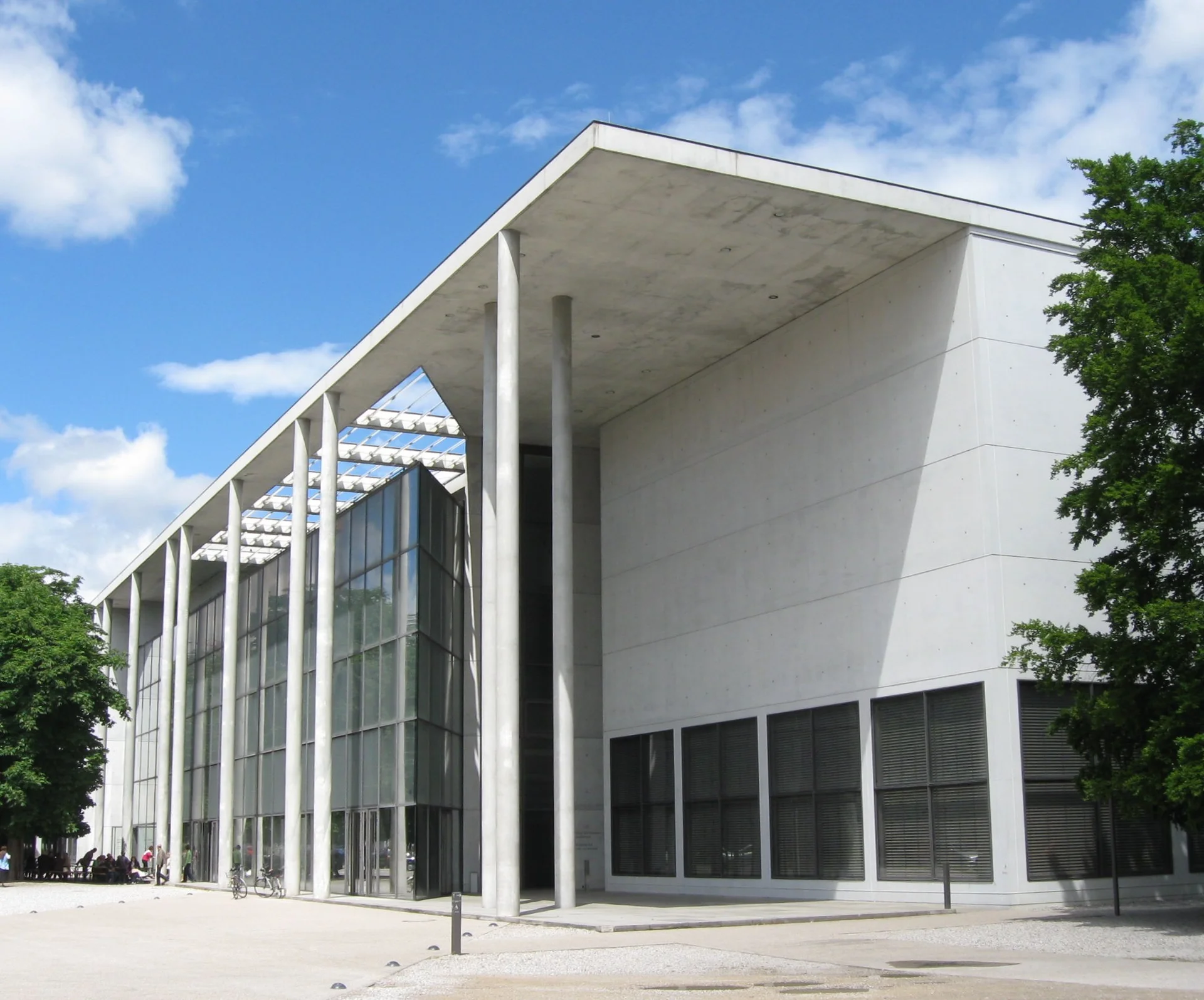
- Scheduling the Pinakotheken on a Monday: they are closed. On Sundays entry is only $1.20, but so is the crowd.
Frequently asked questions
Is Munich a good destination for a romantic trip?
Yes, for three concrete reasons: Biergärten under chestnut trees that need no reservation; first-rank palaces and museums within walking distance of each other; and a city that is clean and safe at any hour. The only cautions are room prices and the weeks of Oktoberfest.
How many days do you need in Munich as a couple?
Three full days cover the old town and the Residenz on the first, Nymphenburg and the Englischer Garten on the second, Haidhausen, the Isar and the Deutsches Museum on the third. A fourth day lets you head for Neuschwanstein, Salzburg or the Andechs monastery.
When is the best time to visit Munich as a couple?
May, June and the first half of September: 64 to 79 °F (18 to 26 °C), Biergärten open until 10 p.m. and rooms far cheaper than during Oktoberfest. December is worth it for the Christmas markets, if you accept dark at 4:30 p.m.
Is Munich expensive?
Hotels, yes: they cost more than in the rest of Germany. A Maß is $12 to $14, a Bavarian main course $20 to $25, a subway ticket ~$4.80. Plan on about $1,290 for three nights for two at a comfortable level, covering hotel, meals, sights and transport, flights not included.
Do you need to speak German in Munich?
No: English is understood across the center, in hotels and in museums. A “Grüß Gott” when you walk in, a “Danke” when you leave and “Zusammen oder getrennt?” for the bill are enough.
Can you do Neuschwanstein as a day trip from Munich?
Yes: 2h by regional train to Füssen, then the bus to Hohenschwangau and a 30-minute walk or shuttle up to the castle. Leave before 8 a.m. with a timed ticket booked several weeks ahead, and plan to be back around 7 p.m.