Paris for couples: know before you go (2026)
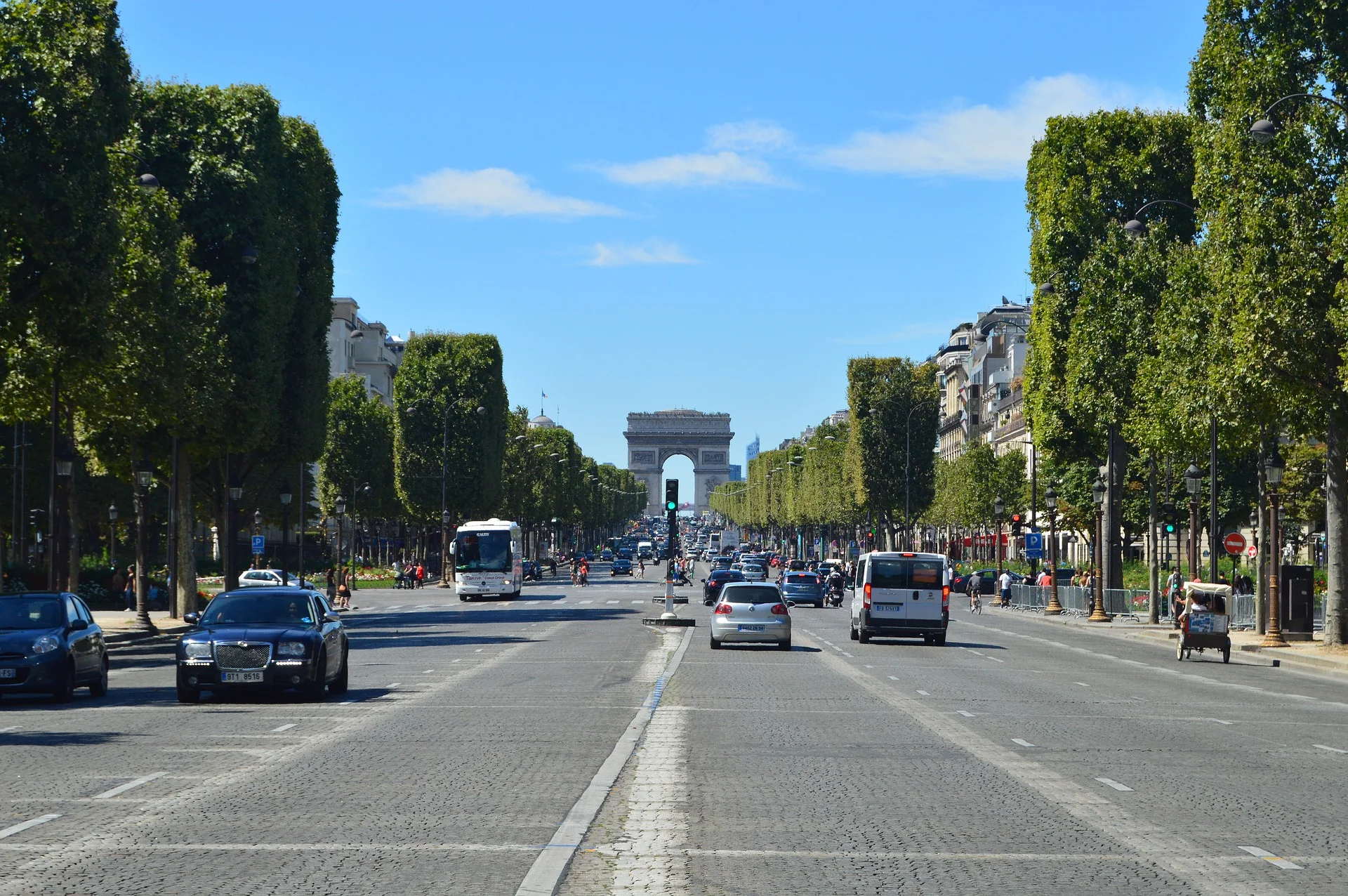
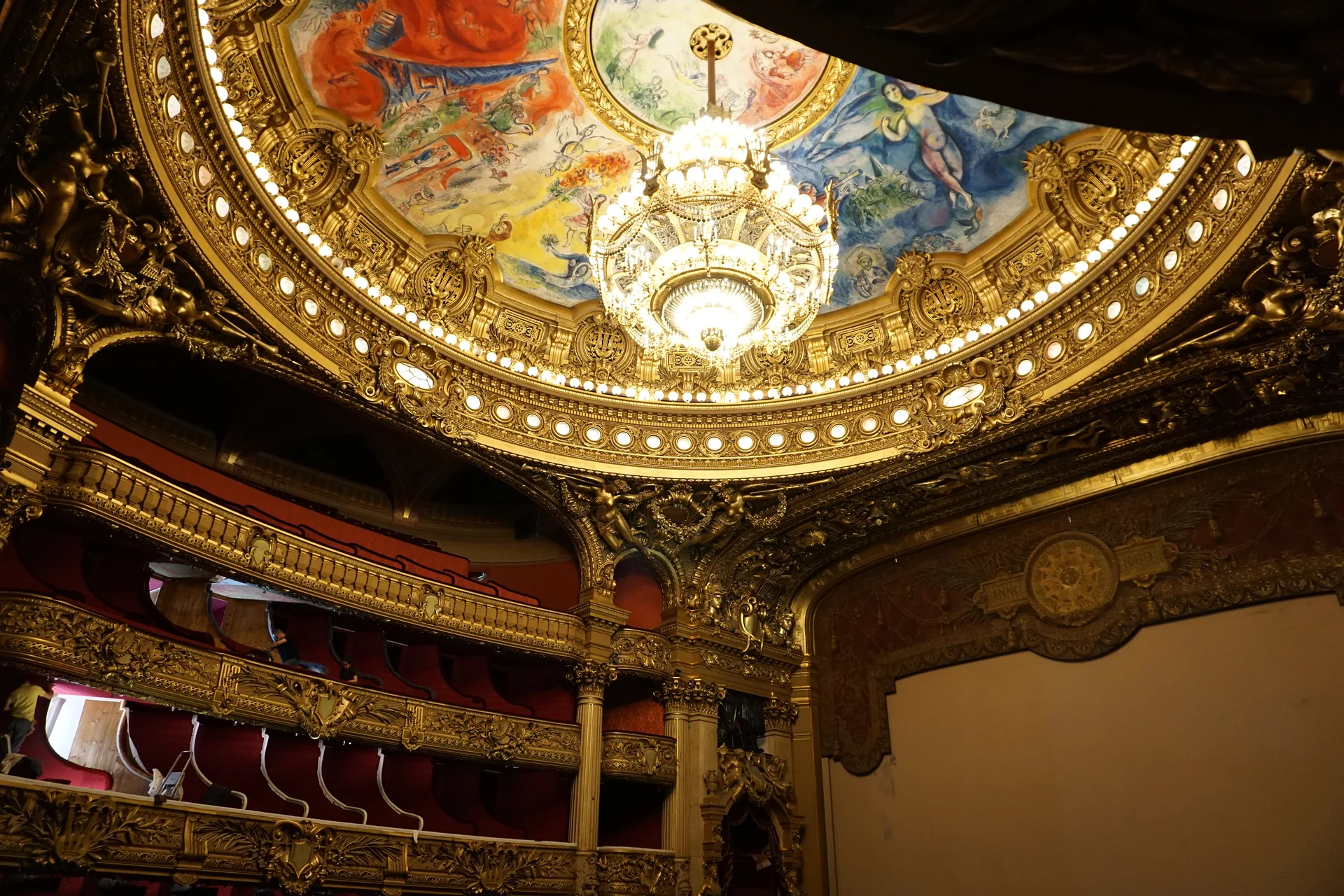
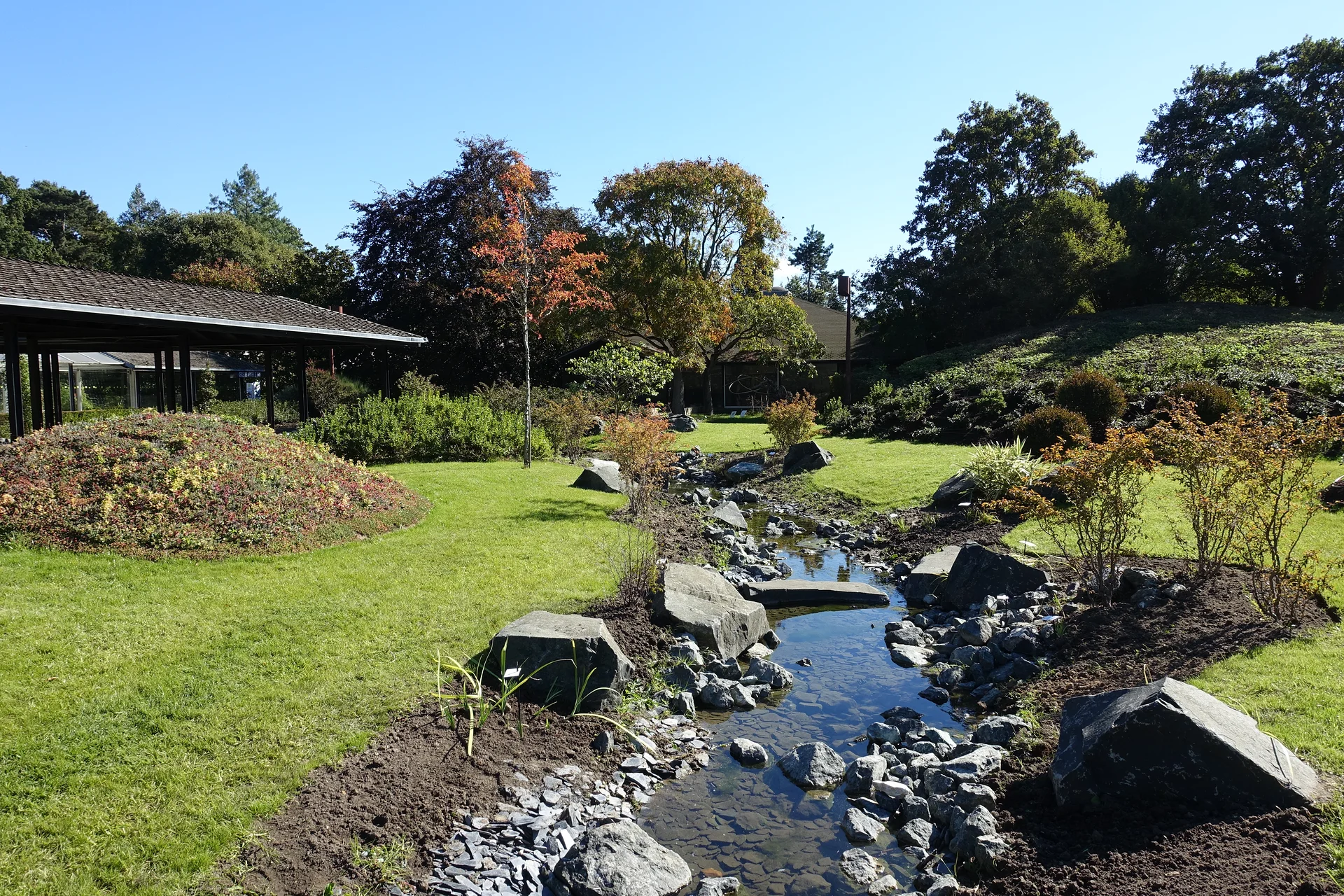
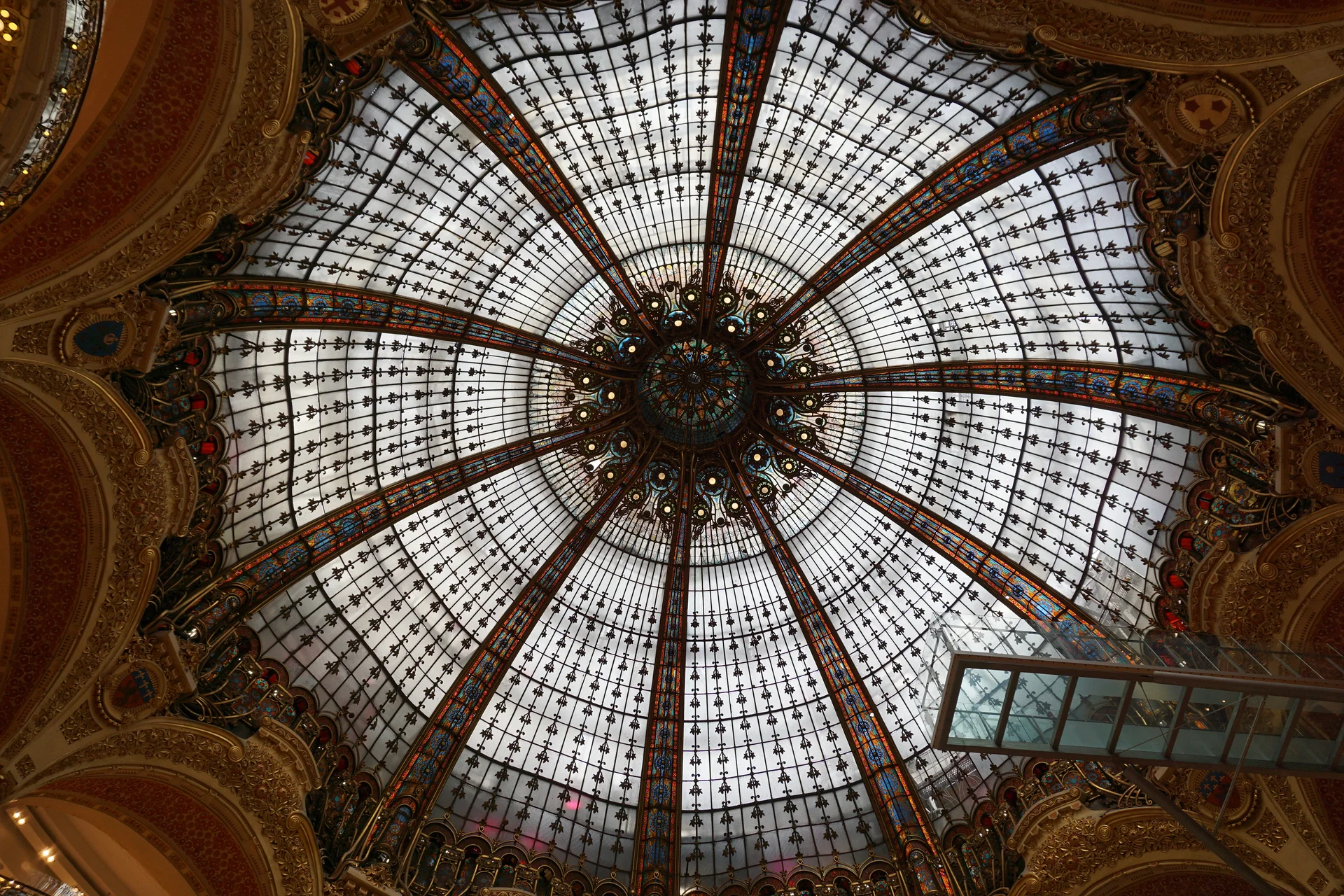
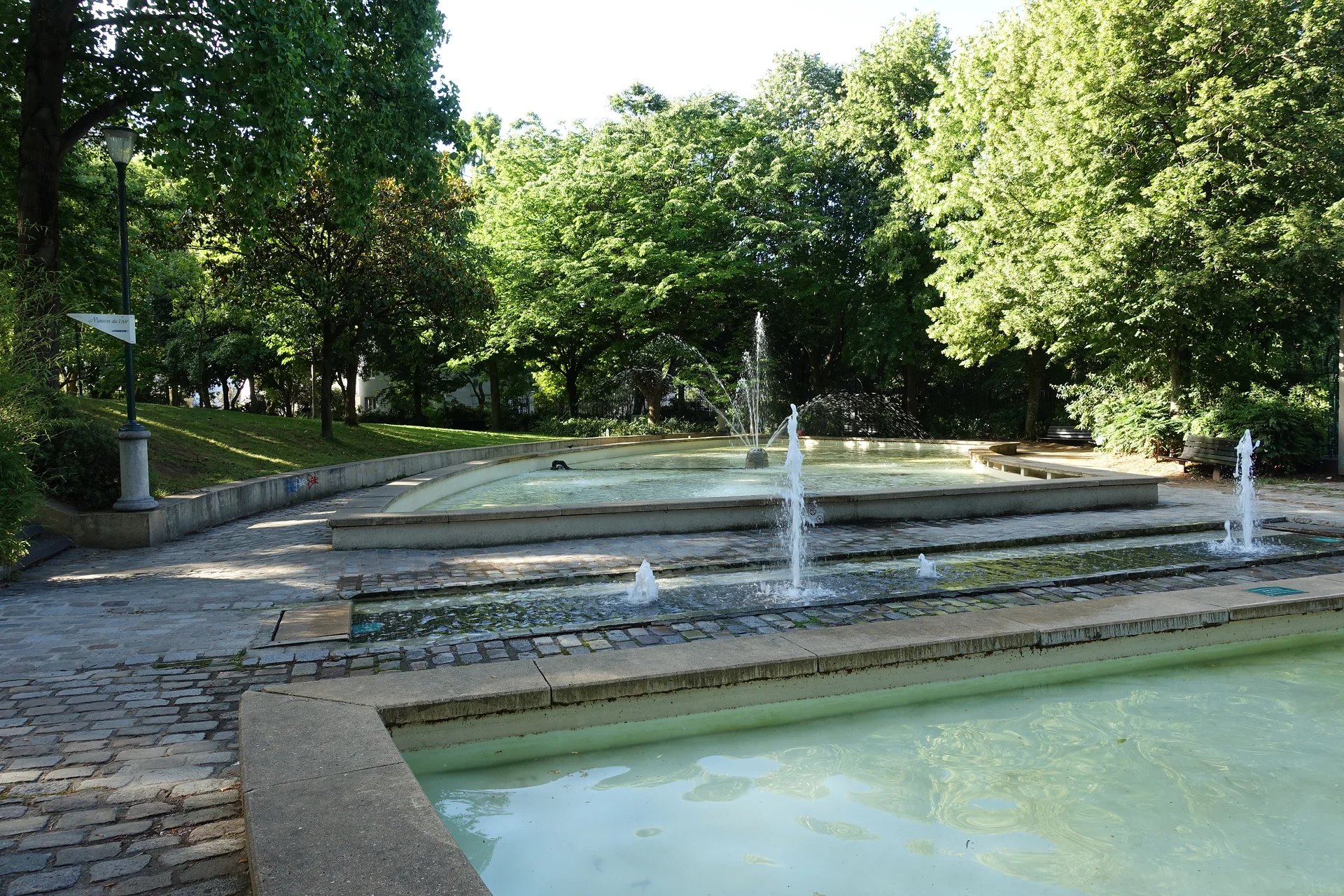
Paris is a city you walk: the banks of the Seine from the Pont Neuf to the Île Saint-Louis, the Luxembourg Gardens before the crowds, the Montmartre hill once the tour buses have left. Only two things need settling before you fly: tickets for the Eiffel Tower and the Louvre, which sell out weeks ahead; everything else, the cafés, the bridges, the covered passages, falls into place day by day. Here is what to know so the trip lives up to its promise, from picking your dates to catching the last metro.
At a glance
- When to go
- April to June and September to October: the terraces are open, the gardens in bloom or in color, and the museum lines shorter than in July.
- How many days
- Three full days for the heart of Paris, the Eiffel Tower, the Louvre and Montmartre; four to add Versailles or a slow day in the Marais.
- Which neighborhood
- Saint-Germain-des-Prés for a first visit, the Marais for the evenings, Montmartre for the view and gentler prices.
- Budget for two
- About $2,020 for three nights in comfort, hotel, meals, sights and transport included, flights excluded.
- The moment for two
- The Eiffel Tower sparkling at nightfall, seen from the Bir-Hakeim bridge or the steps of the Trocadéro, then the riverbanks all the way to the Île Saint-Louis.
- Book ahead
- The Eiffel Tower and the Louvre: timed tickets, one to two months ahead for the tower, two to four weeks for the museum.
Why Paris for two
Paris is the most photographed city in the world, and it is still built for two: bridges to cross, gardens with iron chairs you pull side by side, cafés where an hour passes over a single glass. A day can start with a croissant on Rue de Buci, carry on under the glass roofs of the Louvre and end on the steps of the Sacré-Cœur as the city lights up, without once hailing a taxi.
What Paris does better than any other capital is the walk: twenty minutes on foot separate Notre-Dame from the Luxembourg Gardens, the Marais from the Île Saint-Louis, the Opéra from the Tuileries. And in the evening, when the museums close, the city begins: the riverbanks, the wine bars, dinner at 9 pm, the Eiffel Tower sparkling for five minutes on the hour.
When to go
| Period | Weather | Crowds | Our take |
|---|---|---|---|
| March to May | Mild, 10 to 19°C (50 to 66°F), showers | Heavy at Easter and on the May long weekends | Chestnut trees in bloom, the terraces reopen |
| June to August | Warm, 22 to 28°C (72 to 82°F), peaks of 35°C (95°F) | Very heavy in June and July, calmer in August | Long evenings, Paris Plages, but lines |
| September and October | Mild, 14 to 22°C (57 to 72°F) | Heavy in September | Our favorite: low light, golden gardens |
| November to February | Cold and gray, 3 to 8°C (37 to 46°F) | Light, except Christmas and Valentine's Day | Lower prices, quiet museums, Christmas lights |
A few dates change the city. On June 21, the Fête de la Musique turns every street into a stage until dawn; on July 14, Bastille Day, the fireworks are launched from the Eiffel Tower (arrive three hours early on the Champ-de-Mars, or watch from Montmartre). In August, many bistros and shops close for two or three weeks, but the city is yours. In mid-September, the Heritage Days open the Élysée Palace and buildings closed the rest of the year, and in early October the Montmartre grape harvest festival parades across the hill. From late November to early January, the department store windows and the Champs-Élysées light up.
Paperwork: passport, visa, health
| Documents | Visa | Health | |
|---|---|---|---|
| United States, Canada | Passport valid at least 3 months after you leave the Schengen area, issued within the last 10 years | None for stays up to 90 days in any 180 | Travel insurance with medical cover: visitors pay for care up front |
| United Kingdom | Passport valid at least 3 months after you leave the Schengen area, issued within the last 10 years | None for stays up to 90 days in any 180 | Your free GHIC covers state healthcare in France; travel insurance for the rest |
| Australia, New Zealand | Passport valid at least 3 months after you leave the Schengen area, issued within the last 10 years | None for stays up to 90 days | Travel insurance with medical cover |
Entering the Schengen area
On your first entry, border police record your fingerprints and a photo (the EES system): allow a little extra time at passport control at Roissy, or in London before boarding the Eurostar. Check before you leave whether the ETIAS travel authorization is required on your dates: it is applied for online on the European Union site (travel-europe.europa.eu), costs a few euros and is valid for three years. Since Brexit, British travelers go through the same checks as Americans.
Getting there
By plane from North America
| From | Flight time | Good to know |
|---|---|---|
| New York, Newark, Boston | 7h to 7h30 | Overnight nonstops year round, landing at Roissy in the morning |
| Washington, Chicago, Atlanta, Miami | 8h to 9h30 | Nonstops year round to Roissy |
| Los Angeles, San Francisco | ~11h | Nonstops year round; Seattle and Dallas mostly in summer |
| Toronto, Montreal | ~7h | Nonstops year round to Roissy |
From the United Kingdom and Ireland
| From | Time | Good to know |
|---|---|---|
| London, by Eurostar | ~2h15 | St Pancras to the Gare du Nord, in the center; passport checks before boarding |
| London, by plane | ~1h15 | Heathrow, Gatwick, City, Luton and Stansted; Roissy or Orly depending on the airline |
| Manchester, Edinburgh, Birmingham, Bristol | 1h30 to 1h50 | Roissy, year round |
| Dublin | ~1h40 | Roissy, several a day |
From Australia and New Zealand there is no nonstop: count on 22 to 24 hours with one stop in Singapore, Dubai, Doha or Abu Dhabi, landing at Roissy.
Two airports: Roissy-Charles-de-Gaulle (CDG), 25 km (15 miles) northeast, for nearly all long-haul and most European flights, and Orly (ORY), 14 km (9 miles) south, closer and simpler. Low-cost airlines that advertise "Paris-Beauvais" land 85 km (53 miles) from the city: add 1h15 by bus. Getting to your hotel is covered below, in "From the airport to your hotel".
The Eurostar, the easiest way from London
Up to fifteen trains a day leave St Pancras for the Gare du Nord, 2h15 later, and you step out in the center, ten metro minutes from any hotel: no airport transfer, no wait at the luggage belt. Passport and security checks happen in London, so arrive 60 to 90 minutes before departure. Book two to three months ahead for the lowest fares, especially on Friday evening and Sunday.
By car
Practical things to know before you leave
Phone
US, Canadian and Australian plans charge roaming at full price unless you turn on a daily travel pass, and most UK plans now charge for Europe too: check yours, or install an eSIM before you leave. Café and museum wifi is free but slow; download your timed tickets and the metro map before you go.
Money and tipping
- Cards and contactless payment work everywhere, even for a croissant; keep a few coins for the markets, the booksellers on the quays and the restrooms in train stations.
- Service is included in the bill by law: there is no 15 to 20 percent to add. Leave a few coins at a café, $5.60 to $12 after a good dinner for two; nothing is expected.
- Prices include tax: what the menu or the tag says is what you pay. A carafe of tap water is free in any restaurant that serves food: ask for une carafe d'eau, and nobody will push bottled water twice.
- The lunchtime formule (starter and main, or main and dessert) costs $18 to $27 in a bistro: the same meal costs twice as much at dinner.
Plugs, water and dress
- Type E outlets, 230 volts: US, UK and Australian plugs all need an adapter. UK and Australian appliances already run on 230 volts; American ones need to accept it (nearly every phone and laptop charger does, hair dryers and straighteners often do not).
- Tap water is safe everywhere; the green Wallace fountains and the fountains in the gardens serve it for free.
- There is no dress code, but a smart restaurant turns away shorts and flip-flops at dinner, and the Sacré-Cœur and Notre-Dame are visited with shoulders covered. Bring good shoes: a day in Paris is 12 to 15 km (8 to 9 miles) on foot.
What to book, and how far ahead
The big monuments run on timed tickets, and the most wanted slots, the top of the Eiffel Tower at sunset, the Louvre on a Saturday, are gone weeks ahead. Book them as soon as your dates are fixed, then build each day around a single ticket.
| Sight | Price per person | Book | Good to know |
|---|---|---|---|
| Eiffel Tower, summit | ~$41; 2nd floor $26, stairs $16 | 1 to 2 months ahead | Last slot before dark, to watch the city light up |
| Louvre Museum | ~$25 | 2 to 4 weeks ahead | Closed Tuesday; late openings Wednesday and Friday, quieter |
| Musée d'Orsay | ~$18 | 1 to 2 weeks ahead | Closed Monday; late opening Thursday |
| Sainte-Chapelle | ~$15 | A few days ahead | First slot of the morning, before the groups |
| Palace of Versailles | $24 to $36 depending on the ticket | 1 to 2 weeks ahead | Closed Monday; fountain shows on weekends from April to October |
| Catacombs | ~$33 | 2 weeks ahead | Few slots, and the walk-up line takes hours |
| Opéra Garnier, visit | ~$17 | A few days ahead | Closed on rehearsal days: check the calendar |
| Dinner cruise, well-known restaurants | 2 to 4 weeks ahead | The known tables of the Marais and Saint-Germain fill up from Tuesday night |
From the airport to your hotel
© OpenStreetMap contributors
The two airports and the neighborhoods they serve
- Roissy-Charles-de-Gaulle (CDG)
- Orly (ORY)
- 1Gare du Nord, Montmartre
- 2Châtelet, Marais
- 3Opéra, Palais-Royal
- 4Saint-Michel, Saint-Germain
- 5Eiffel Tower, Invalides
| Destination | Transport | Time | Indicative fare |
|---|---|---|---|
| Gare du Nord, Montmartre | RER B | ~30 min | $15 / person |
| Châtelet, Marais | RER B | ~35 min | $15 / person |
| Saint-Michel, Saint-Germain | RER B | ~40 min | $15 / person |
| Opéra, Palais-Royal | Roissybus | 60 to 75 min | $15 / person |
| Châtelet, Marais | Taxi, Right Bank flat fare | 45 to 70 min | $63 / taxi |
| Eiffel Tower, Invalides | Taxi, Left Bank flat fare | 50 to 75 min | $73 / taxi |
| Destination | Transport | Time | Indicative fare |
|---|---|---|---|
| Châtelet, Marais | Metro line 14 | ~25 min | $15 / person |
| Opéra, Palais-Royal | Metro line 14, Pyramides stop | ~30 min | $15 / person |
| Saint-Michel, Saint-Germain | Taxi, Left Bank flat fare | 25 to 40 min | $41 / taxi |
| Eiffel Tower, Invalides | Taxi, Left Bank flat fare | 25 to 40 min | $41 / taxi |
| Gare du Nord, Montmartre | Taxi, Right Bank flat fare | 35 to 50 min | $50 / taxi |
From Roissy, the RER B commuter train leaves both terminals every 10 to 15 minutes and crosses Paris from north to south: Gare du Nord, Châtelet-Les Halles, Saint-Michel, then Denfert-Rochereau. It is the fastest way in, but packed at rush hour and with no room for suitcases: for two people arriving in the evening, the flat-fare taxi is worth the difference. From Orly, metro line 14, driverless and air-conditioned, reaches Châtelet, Pyramides or Saint-Lazare in twenty-five minutes: the easiest arrival Paris has. Buy the airport ticket at the machines or in the Île-de-France Mobilités app, never from someone offering one in the hall.
Paris taxis have a lit "Taxi Parisien" sign on the roof and are taken at the official rank of each terminal, never from a driver who approaches you at the exit: the fare into Paris is a fixed flat rate, posted in the cab, luggage and passengers included. From Beauvais (BVA), the official shuttle reaches Porte Maillot in about 1h15 for $20 per person, then metro line 1 runs into the center; the last bus waits for the last flight.
Getting around
On foot first
Central Paris fits in a circle 5 km (3 miles) across: Notre-Dame is a twenty-minute walk from the Louvre, the Marais a quarter of an hour from the Île Saint-Louis, Saint-Germain ten minutes from Orsay. The banks of the Seine, pedestrian on both sides, link the Eiffel Tower to the Bastille without a single traffic light. Take the metro only for Montmartre, the 7th arrondissement or a late ride home.
Metro, bus and RER
| Ticket | Price | Valid for |
|---|---|---|
| Metro or RER ticket within Paris | $2.80 | One ride, transfers included |
| Bus or tram ticket | $2.30 | One ride, bus transfers included |
| Navigo Jour day pass | ~$14 | 24 hours, all zones, airports included except the Orlyval |
| Airport ticket | $15 | One ride between Paris and Roissy or Orly, any mode |
| Vélib' bike share, 24h pass | ~$5.60 | Shared bikes, 30 min per ride |
Tickets load onto a Navigo Easy card ($2.30 at the counter) or straight into your phone (Île-de-France Mobilités app, or a contactless bank card tapped at the metro and RER gates). The metro runs from 5:30 am to 1:15 am on weekdays and until 2:15 am on Friday and Saturday; night buses take over after that, but for two people after midnight, a taxi or ride-hailing car costs $14 to $23 within Paris and spares you the transfers.
Montmartre, the Seine and the bus with a view
The Montmartre funicular climbs to the Sacré-Cœur for the price of a metro ticket; as a couple, the stairs of Rue Foyatier are worth the climb, and the funicular is for the way down. The Batobus stops at nine piers between the Eiffel Tower and the Jardin des Plantes: a one-day pass ($26) replaces the metro for the sights along the Seine. Bus 69, an ordinary city bus, crosses the Champ-de-Mars, Saint-Germain, the Louvre and the Marais on its way to Père-Lachaise for $2.30: the best guided tour in Paris without a guide.
Budget for two
The hotel is the first expense, by far: Paris is, with London, the most expensive capital in Europe for a bed, and prices double during Fashion Week and the big trade fairs. Meals and sights, on the other hand, come at every price. Here is what three nights for two cost, flights excluded.
| Smart | Comfort | Treat | |
|---|---|---|---|
| Hotel, per night | $168 to $250 | $300 to $450 | from $620 |
| Meals, per day for two | $79 | $157 | $340 |
| Sights for the trip | $101 | $210 | $510 with private guides |
| Transport for the trip | $34 | $56 | $168 by taxi |
| Total for three nights | $1,120 | $2,020 | $4,370 |
A hotel costs 20 to 40 percent less in January, February and August than in May or September, and Sunday-to-Thursday nights are cheaper than weekends. The city tax ($3.40 to $13 per person per night) is paid on the spot.
Price markers
| Item | Price |
|---|---|
| Coffee at the counter, on the terrace | $1.70 to $2.30, $3.40 to $5.10 |
| Croissant, baguette tradition | $1.50 to $2.10 |
| Lunch formule in a bistro | $18 to $27 |
| Dinner for two with wine, in a good bistro | $112 to $157 |
| Glass of wine at a bar | $6.80 to $11 |
| Cocktail | $16 to $21 |
| Berthillon ice cream, two scoops | $5.60 to $6.80 |
| One-hour Seine cruise | $20 to $23 / person |
What to eat and drink
Paris has no regional cuisine of its own: it has bistros, which cook the food of the whole country, and a bakery on every corner. Eat on a street with no monument, pick the chalkboard over the laminated menu, and book dinner from Thursday to Saturday.
At the table
-
Croissant and pain au chocolat
In the morning, from a bakery with a line at 8 am; ask for au beurre (all butter), never the plain one.
-
Steak frites and bœuf bourguignon
The two bistro classics, the second in winter, with a glass of the wine it is cooked in.
-
French onion soup
The old Les Halles tradition, at midnight after a night out, or at lunch on a cold day.
-
Oysters and the seafood platter
From September to April, at the oyster stand of a brasserie, with a glass of Muscadet.
-
Cheese board
Brie de Meaux, Comté, Loire goat cheese: the neighborhood cheese shop will advise, and dinner ends with it.
-
Paris-Brest, éclair, mille-feuille
The Paris pastries, better from a pastry shop than a restaurant; macarons are tasted on Rue Bonaparte.
In the glass
-
Wine by the glass
Wine bars pour small producers by the glass, often natural wine; ask for a recommendation, that is the game.
-
Champagne
The Champagne region is 45 minutes away by train: here, a glass is for an occasion, $14 to $21 in a hotel bar.
-
Kir
White wine and blackcurrant liqueur, the bistro aperitif at $5.60 to $7.90; a kir royal swaps the wine for Champagne.
-
Café crème and noisette
The crème is the morning coffee with milk, the noisette an espresso with a dash of milk; ask for an allongé for a long black coffee. Drip coffee as you know it barely exists.
-
Hot chocolate
Thick, served in a jug at Angelina or Les Deux Magots, in winter, for two.
-
A demi of beer
A demi is 25 cl (about 8 oz) on tap, cheaper at the counter than on the terrace; the craft breweries of the 11th pour good ones.
Customs and rules to know
Parisians have a reputation for coolness that comes down mostly to one word: bonjour. Said as you walk in, before any question, it changes the welcome in a café, a shop or at a metro counter; without it, the answer is curt.
| Rule | What to expect |
|---|---|
| Smoking in parks, on beaches and near schools | Fine of $152 |
| Drinking alcohol on certain quays and squares after 9 pm in summer | Confiscation, fine |
| Riding without a validated ticket | On-the-spot fine of $56 and up |
| Swimming in the Seine outside the three supervised bathing sites | Banned, fine |
- Lunch runs from noon to 2 pm and dinner starts at 7:30 pm; many kitchens close at 10 pm, the Marais and Saint-Germain serve later.
- At a restaurant, wait to be seated, and the check does not come on its own: you ask for it (l'addition, s'il vous plaît).
- On Sunday most shops close, except in the Marais and on the Champs-Élysées; on Monday, Orsay, Versailles and many museums are closed, on Tuesday it is the Louvre's turn.
- On the metro, stand to the right on escalators and let people off before boarding; fold-down seats go up when the car is full.
Safety
Paris is safe for a couple, by day and by night in the neighborhoods where you will be staying. The risk is pickpocketing in crowds and the small scams around the monuments: a phone left on a terrace table, an open bag on the metro.
- Phone and wallet in a front pocket on the metro (lines 1, 4 and 9, RER B) and at the gates: a group jostling you as the doors close is the most common technique.
- At the foot of the Sacré-Cœur, refuse the bracelet someone ties around your wrist, and around the Eiffel Tower, the petitions, the shell game and the rings "found" on the ground: each one ends with a hand in your bag.
- Never put your phone on a terrace table, and keep your bag closed on your lap in the cafés of the Champs-Élysées, Montmartre and Saint-Michel.
- Late at night, the streets around the Gare du Nord, Barbès and Stalingrad, and the underground Les Halles complex, are the least pleasant parts of the center: head home along the main boulevards or by taxi.
- At airports and train stations, only the taxis at the official rank, with the lit "Taxi Parisien" sign: a driver who approaches you in the hall charges three times the fare.
The mistakes couples make
Most disappointments come from a schedule packed too tight, a ticket nobody bought, or a dinner chosen at the foot of a monument. Leave gaps in your days: Paris reveals itself in the detours.
- Showing up at the Eiffel Tower or the Louvre without a timed ticket: the day's slots are sold, and the line leads nowhere.
- Planning Versailles on a Monday or the Louvre on a Tuesday: both are closed, and the day collapses.
- Chaining the Louvre, Orsay and the Eiffel Tower in one day: three hours of lines and galleries, no walk. One big museum a day, then a neighborhood on foot.
- Dining on the Champs-Élysées, Rue de la Huchette or Place du Tertre: the laminated menus in six languages feed the tour buses, and the good bistros are three streets away.
- Sleeping near the Gare du Nord or in the suburbs to save money: every evening ends on a commuter train, and the evening is when Paris is at its best.
- Taking the river cruise at noon: book the last departure before dark, when the bridges light up and the tower sparkles.
Frequently asked questions
Is Paris a good destination for a romantic trip?
Yes, and not only by reputation: the bridges, gardens, riverbanks and cafés are made for two people on foot, the museums and restaurants are among the best in the world, and the city stays beautiful in winter, when prices drop. The only things to watch are pickpockets on the metro and the price of hotels.
How many days do you need in Paris as a couple?
Three full days cover the Île de la Cité, the Louvre, the Eiffel Tower, Saint-Germain, the Marais and Montmartre without rushing, at one big museum a day. A fourth day lets you visit Versailles, or spend a slow day in the covered passages and at Père-Lachaise cemetery.
How much does a trip to Paris cost for two?
Count on about $2,020 for three nights in comfort, with a central hotel, meals, sights and transport, flights excluded. A smart budget comes to around $1,120 if you sleep in Montmartre or the Latin Quarter; a treat trip runs past $4,370.
Do you need to book the Eiffel Tower and the Louvre in advance?
Yes. The Eiffel Tower sells its sunset slots for the summit one to two months ahead, the Louvre two to four weeks ahead for a weekend. Without a ticket, the tower can be climbed by the stairs with a shorter line, and the Louvre visited on a Wednesday or Friday evening, when it stays open late.
When is the best time to see the Eiffel Tower sparkle?
For five minutes on the hour, every hour from nightfall until 11 pm (the last show is at 11 pm). The best spots for two are the Bir-Hakeim bridge, the steps of the Trocadéro and, from farther away, the forecourt of the Sacré-Cœur.
Is Versailles worth a day for a couple?
With four days, yes: the palace takes two hours, but the gardens, the Trianon estate and the Queen's Hamlet fill the afternoon, on foot or by bike. Closed Monday; the RER C or the train from Montparnasse takes 40 minutes, and on weekends the fountain shows set the gardens playing.