Prague for couples: things to know before you go (2026)
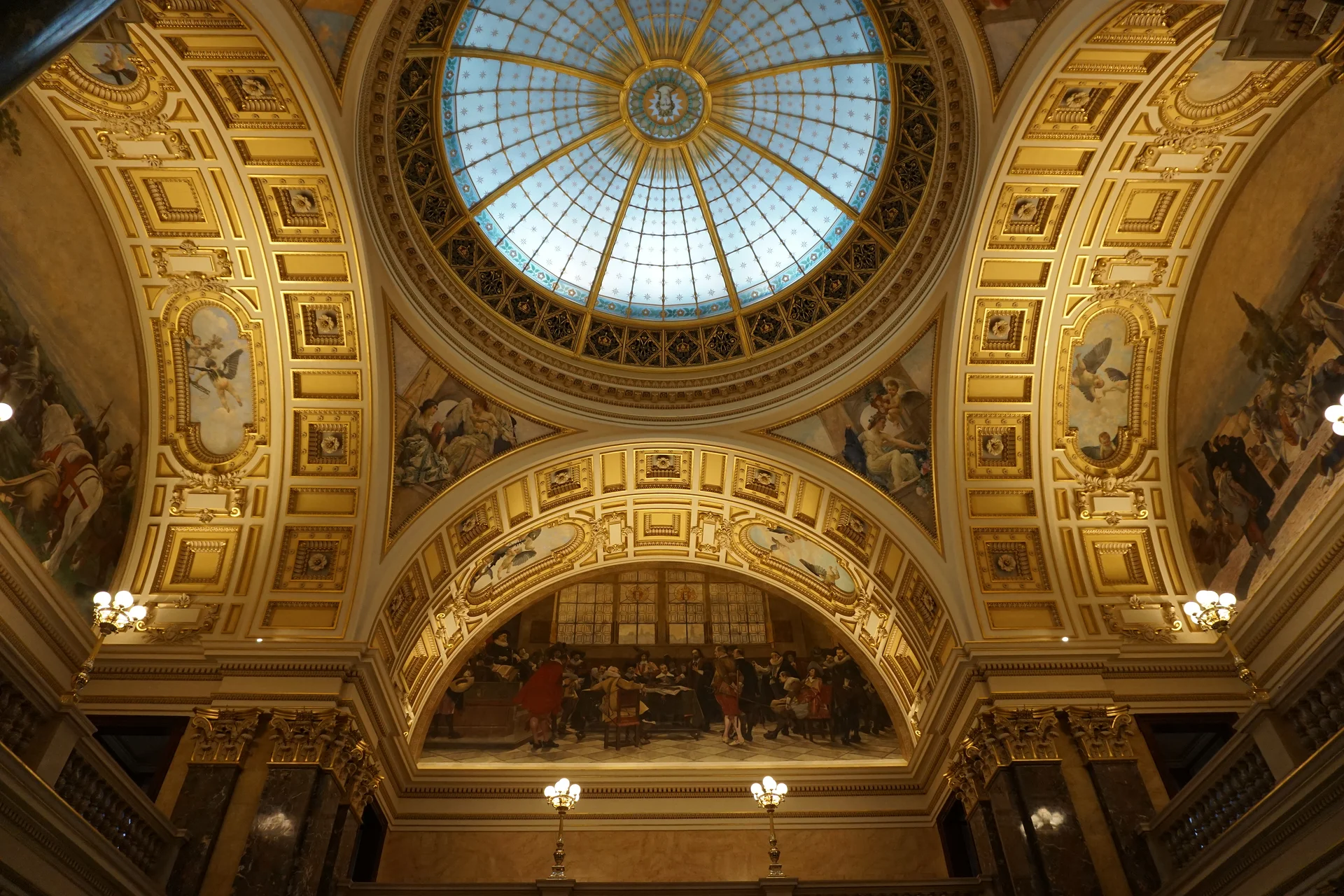
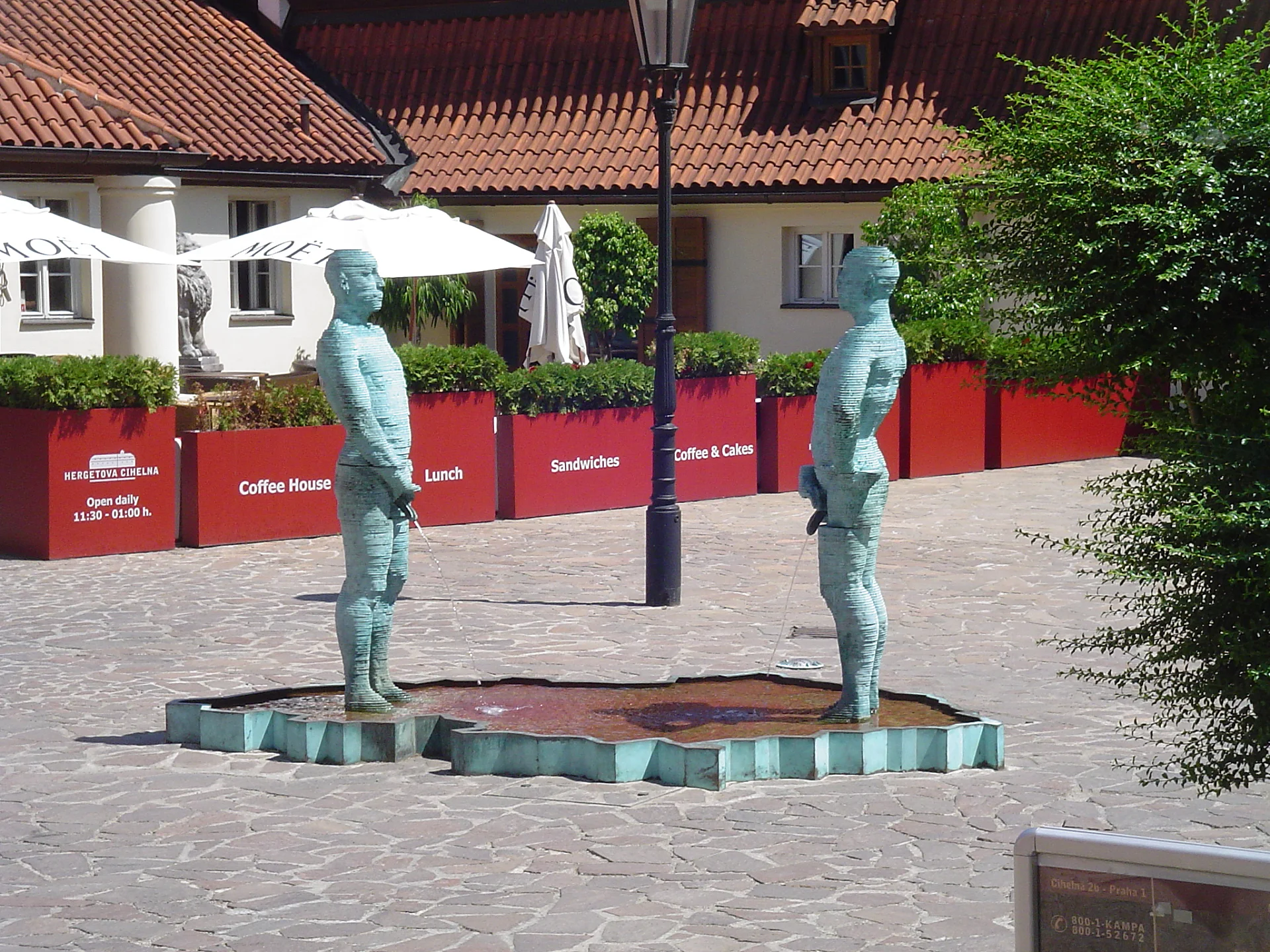
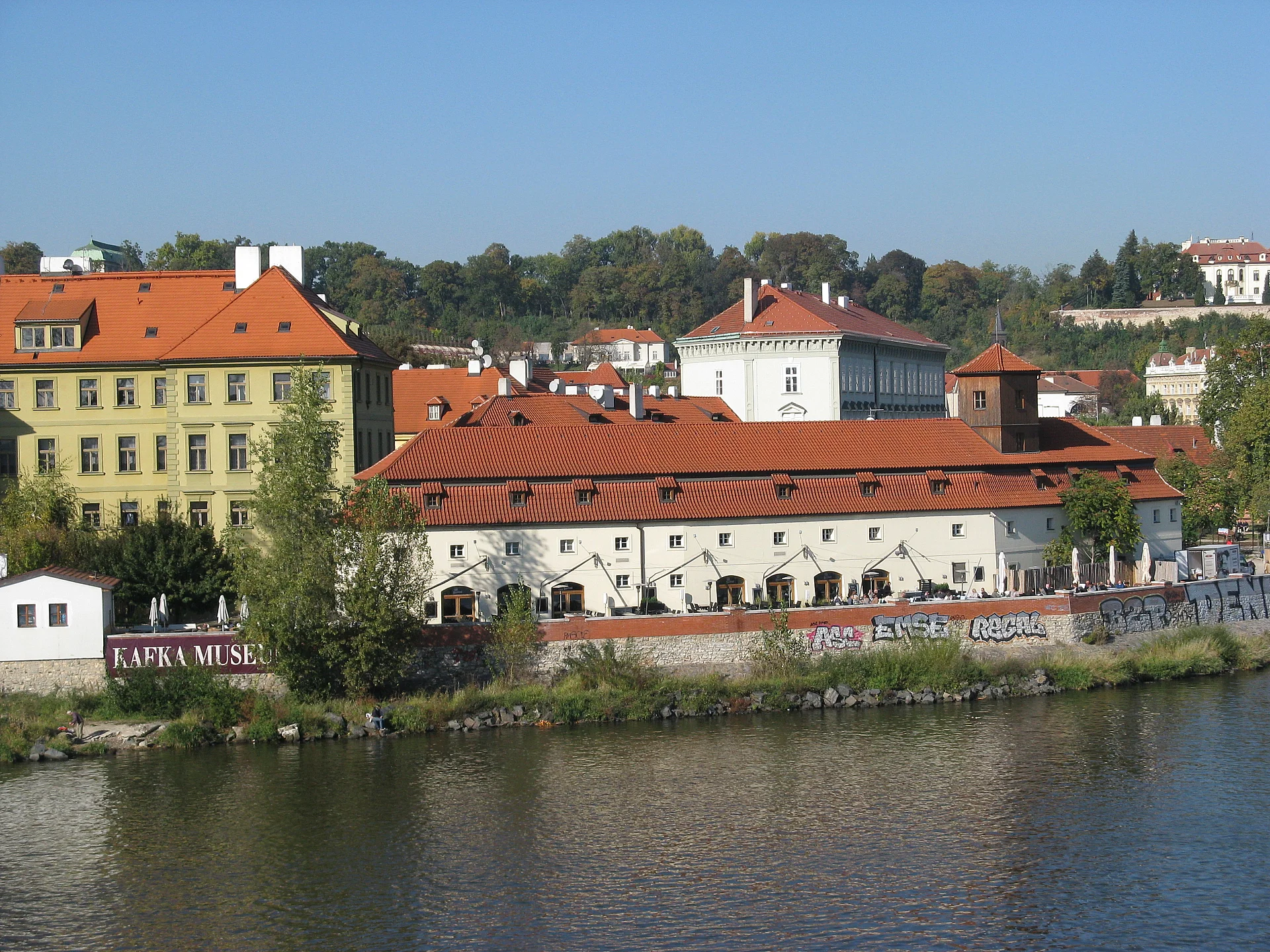
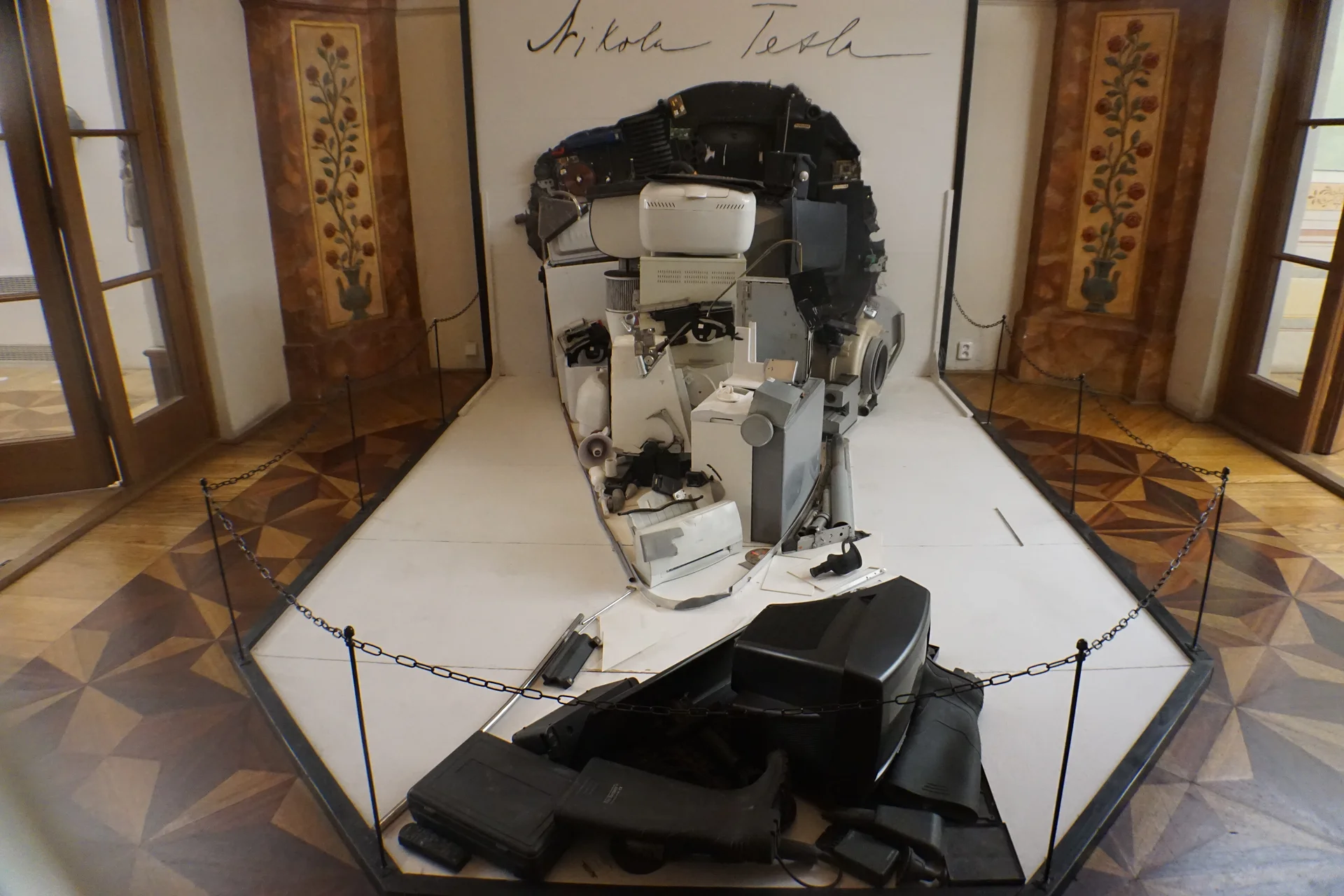
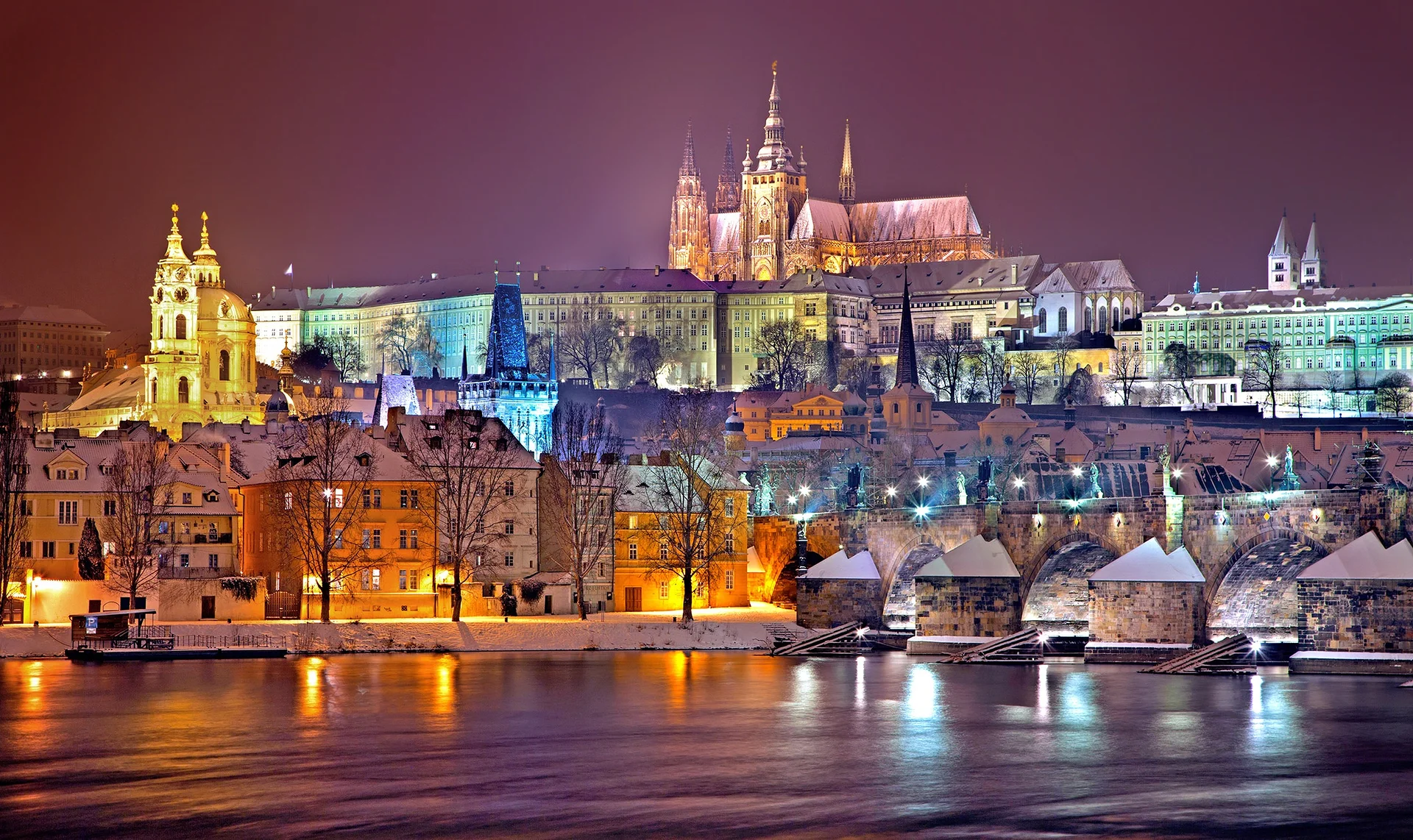
Prague is a city you cross on foot, from one bank to the other: Charles Bridge in the 7 a.m. mist, before the tour groups, the terraced gardens of Malá Strana below the castle, Old Town Square when the astronomical clock strikes, and in the evening a beer garden above the rooftops at Letná or in Vinohrady. The currency is the koruna, prices are still gentle for a European capital, and almost nothing needs booking weeks ahead. What changes a trip for two is the hour: the same streets are a fairy tale at dawn and a fairground at noon. Here is what to know, from picking your dates to catching the last tram.
At a glance
- When to go
- May, June, September and October: the castle gardens are open, the beer gardens are set up, and the summer crowds are gone. December for the Christmas markets, if you accept the cold and the crowds.
- How many days
- Three full days for the Old Town, the castle and Malá Strana, then Vyšehrad and Vinohrady; four to add a day trip to Karlštejn or Kutná Hora.
- Which neighborhood
- Malá Strana for a first visit, below the castle and two minutes from the bridge; Vinohrady for evenings out and gentler prices; Hradčany for quiet and the view.
- Budget for two
- About $1,070 for three nights in comfort, hotel, meals, sights and transport included, flights excluded: roughly half of what the same trip costs in Paris or London.
- The moment for two
- Charles Bridge at 7 a.m., almost empty, the towers still in the mist, then breakfast in Malá Strana before the groups arrive.
- Book ahead
- Almost nothing weeks ahead: a concert at the Rudolfinum, a table at Field or La Degustation two to three weeks out, Karlštejn a few days before in summer.
Why Prague for two
Few capitals kept their center whole: no war and no planner touched the tiled roofs and spires between the castle and Old Town Square, and the whole of it can be walked in half an hour. A day starts with coffee under the vaults of a Baroque house, continues through the gardens that step down from the castle to the Vltava, and ends at a wooden table with a $2.80 beer in a hospoda, where the waiter brings the next one without being asked.
What Prague does better than Vienna or Budapest is the walk with no plan: the lanes of Malá Strana, Kampa Island and its willows, the Náplavka embankment on a Saturday, the Lennon Wall, Vyšehrad above the river. And the price: a good dinner for two costs what a single main course costs in Paris or London, a concert in a church is $23, and a hotel below the castle costs what an ordinary hotel asks elsewhere. The trade-off is the crowd of tour groups and bachelor parties, concentrated on three streets and three hours of the day: you only need to know where they are.
When to go
| Period | Weather | Crowds | Our verdict |
|---|---|---|---|
| March to May | Cool then mild, 5 to 19 °C (41 to 66 °F) | Heavy at Easter and on May holidays | The gardens reopen in April, Petřín's lilacs bloom in May |
| June to August | Warm, 20 to 28 °C (68 to 82 °F), afternoon storms | Very heavy, groups from morning to night | Beer gardens until midnight, but lines at the castle |
| September and October | Mild, 9 to 20 °C (48 to 68 °F) | Heavy in September, calmer in October | Our favorite: low light on the Vltava, new wine, golden gardens |
| November to February | Cold, -3 to 4 °C (27 to 39 °F), gray, some snow | Light, except Christmas and New Year | Christmas markets, beer by the stove, cheaper hotels; dark by 4 p.m. |
A few dates change the city. On April 30, the Witches' Night bonfires burn on Petřín and in the parks; from mid-May to early June, the Prague Spring festival opens with Smetana's Vltava and fills the Rudolfinum and the Municipal House. In September, Vinohrady celebrates the grape harvest and the bars pour new wine. From late November to early January, the Christmas markets on Old Town Square and Wenceslas Square make the center very crowded, and on December 24 everything closes at noon. On December 31, Charles Bridge and the Old Town fill with amateur fireworks: have dinner in Vinohrady and go home early.
Paperwork: passport, visa, health
| Papers | Visa | Health | |
|---|---|---|---|
| United States | Passport valid at least 3 months after you leave the Schengen area, with a blank page | None for stays up to 90 days in any 180 | Travel insurance covering medical care: Medicare does not cover you abroad |
| United Kingdom | Passport valid at least 3 months after you leave the Schengen area, issued less than 10 years ago | None for stays up to 90 days in any 180 | GHIC card, free, plus travel insurance |
| Canada, Australia | Passport valid at least 3 months after you leave the Schengen area | None for stays up to 90 days | Travel insurance covering medical care |
At the border
On your first entry into the Schengen area, border police record your fingerprints and a photo under the new entry-exit system: allow a little extra time at passport control, in Prague or at your connecting airport. Check before you leave whether the ETIAS travel authorization is required on your dates: it is applied for online on the European Union's site (travel-europe.europa.eu), costs a few euros and is valid for three years. The Czech Republic is in the EU and the Schengen area, so there is no further control if you connect through Frankfurt, Amsterdam or Paris.
Getting there
By air
| From | Duration | Good to know |
|---|---|---|
| New York | ~8h30 | Direct flights in summer only; otherwise via Amsterdam, Frankfurt, Paris or London |
| Chicago, Washington, Boston | 10h to 12h with one stop | Via Frankfurt, Munich, Amsterdam or London; a morning arrival after a night flight |
| Los Angeles, San Francisco | 13h to 15h with one stop | Via a European hub; consider a night in the hub city |
| London | ~2h | Several flights a day from Heathrow, Gatwick, Stansted and Luton |
| Manchester, Edinburgh, Bristol | 2h to 2h15 | Direct flights year-round, more frequent in summer |
| Dublin | ~2h30 | Direct flights year-round |
One airport, Václav Havel (PRG), 17 km (11 miles) west of the center, small and easy to read: thirty minutes between landing and the bus is enough. The ride to your hotel is detailed below, under "From the airport to your hotel".
By train
From London, the train is a day's journey and a treat rather than a shortcut: Eurostar to Brussels or Paris, a high-speed train to Frankfurt, then a direct train to Prague, 12h to 14h in all. All trains arrive at Praha hlavní nádraží, the main station, ten minutes on foot from Wenceslas Square. From Vienna (4h), Berlin (4h) and Munich (5h30, the bus is faster), direct trains run every two hours: Prague pairs well with either city for a longer trip.
By car
The practical things to know before you go
Phone
US plans charge for roaming in Europe unless yours includes it: a daily international pass or an eSIM bought before you leave costs far less than the surprise bill. UK plans vary: some networks include EU roaming, most now charge a daily fee, so check before you fly. Tram tickets are bought in the PID Lítačka app, and maps download before you leave: café wifi is good, metro signal nonexistent.
Money and tipping
- The currency is the Czech koruna (crown): roughly 25 to the euro, 21 to 24 to the US dollar, 28 to 30 to the pound, so check your banking app before you go. Cards work everywhere, even for a beer at the bar or a tram ticket; the amounts in this guide are shown in your currency to help you compare.
- When a card terminal offers to charge you in dollars or pounds, always refuse and pay in koruna: the conversion rate it applies is 5 to 10 percent worse. Same reflex at ATMs, which ask the question in English.
- For cash, use bank ATMs (Česká spořitelna, ČSOB, Komerční banka), which charge nothing on the Czech side; the blue and yellow ATMs of a currency company, on every Old Town corner, add a fee and a poor rate.
- Exchange offices display in big letters a rate that does not apply to you, or advertise "0% commission" with a rate 20 percent below the market: compare with your banking app before handing over a bill, and refuse any offer to change money in the street.
- Tipping is 5 to 10 percent, said to the waiter as you pay ("500" for a 460 bill); nothing is compulsory, and the Old Town terminals that suggest 20 percent can be ignored. An American 20 percent is twice the local custom.
Plugs, water and what to wear
- Type E sockets at 230 volts: from the US and the UK you need an adapter, and from the US a charger that accepts 230 volts (almost all do, except hair dryers).
- Tap water is drinkable everywhere; in restaurants you will be served bottled water, charged, unless you ask for kohoutková, tap water.
- Good shoes: the cobblestones and the climbs to the castle tire you more than the distance. In winter the wind off the river drops below freezing; in summer the 5 p.m. storms call for a jacket. St. Vitus is visited with covered shoulders.
What to book, and how far ahead
Prague is visited almost without timed tickets: the castle courtyards, the gardens, the bridges and the Old Town churches are free or paid at the door. What needs booking is the hotel in May, September and the holidays, tables at the two Michelin-starred restaurants, and concerts, which sell out when the Czech Philharmonic plays.
| Sight | Price per person | Book | Good to know |
|---|---|---|---|
| Prague Castle, main circuit | ~$21 | The day before, online | St. Vitus, the Old Royal Palace, Golden Lane; the courtyards are free |
| Old Town Hall tower | ~$16 | A few days ahead | The view over Old Town Square, at sunset |
| Jewish Museum, Josefov | ~$25 | A few days ahead | Synagogues and the Old Jewish Cemetery; closed Saturdays and Jewish holidays |
| Karlštejn Castle | ~$16 | A week ahead in summer | Guided tour only; closed Mondays, and weekdays from November to March |
| Concert at the Rudolfinum or Municipal House | $23 to $68 | 2 to 4 weeks ahead | The Czech Philharmonic at the Rudolfinum; church concerts are bought on the day |
| Opera or ballet at the National Theatre | $12 to $68 | 1 to 2 weeks ahead | Closed in July and August; the 1883 hall is worth the show |
| Field, La Degustation Bohême Bourgeoise | $135 to $230 | 2 to 3 weeks ahead | The two starred tables, tasting menus; lunch costs half |
| Hotel | 4 to 8 weeks ahead | May, September, the Christmas markets and New Year go first |
From the airport to your hotel
© OpenStreetMap contributors
The airport, the main station and the neighborhoods they serve
- Václav Havel (PRG)
- 1Malá Strana, Hradčany
- 2Old Town, Josefov
- 3Main station, Vinohrady
| Destination | Transport | Time | Indicative fare |
|---|---|---|---|
| Malá Strana, Hradčany | Bus 59 then metro A to Malostranská | 40 to 50 min. | $1.80 / pers. |
| Old Town, Josefov | Bus 59 then metro A to Staroměstská | 40 to 50 min. | $1.80 / pers. |
| Main station, Vinohrady | Airport Express (AE) | ~40 min. | $4.50 / pers. |
| Old Town, Josefov | Official taxi, Bolt or Uber | 30 to 45 min. | $28 to $40 / car |
| Malá Strana, Hradčany | Official taxi, Bolt or Uber | 25 to 40 min. | $28 to $40 / car |
Bus 59 leaves from outside each terminal every 5 to 10 minutes and reaches Nádraží Veleslavín station in 17 minutes, where metro line A takes you to Malostranská (Malá Strana), Staroměstská (Old Town, Josefov) or Náměstí Míru (Vinohrady): one 90-minute ticket covers the whole ride, bought at the stop's machine or in the app, and stamped in the yellow validator as you board. The Airport Express runs nonstop to the main station, handy for Vinohrady or a train connection; its ticket is bought from the driver. For two with suitcases, at night or in the rain, the taxi is worth the difference.
Official taxis wait at the marked stands outside the terminals and charge a metered per-kilometer rate: never a driver who approaches you in the hall. The Bolt and Uber apps have signposted pickup points at the exits, and the price shows before the ride. From the main station, the neighborhoods are ten minutes on foot (Wenceslas Square) or by metro (line C, then A).
Getting around
On foot first
The center fits in two miles: Old Town Square is five minutes from Charles Bridge, twenty from the castle up the Malá Strana steps, twenty-five from Vinohrady by way of Wenceslas Square. The embankments and Kampa Island link the National Theatre to Charles Bridge without a single traffic light. Take the tram only to climb to the castle on tired legs, for Vyšehrad or Letná, or to get home late.
Tram, metro and funicular
| Ticket | Price | Valid for |
|---|---|---|
| 30-minute ticket | $1.40 | Tram, metro and bus, transfers included |
| 90-minute ticket | $1.80 | The same, airport included |
| 24-hour ticket | ~$5.60 | The whole network, Petřín funicular included |
| 72-hour ticket | ~$15 | The whole network, three days |
| Taxi in town, by app | $5.60 to $12 | One ride within the center, at night |
Tickets are bought in the PID Lítačka app, at the machines at stops and on board trams with a contactless card, or on paper at metro kiosks; a paper ticket is validated once, in the yellow machine, when you first board. Tram 22 is the visitors' line: it starts in Vinohrady, passes the National Theatre, crosses Malá Strana and climbs to the Pražský hrad stop at the castle entrance, for the price of one ticket. The metro runs from 5 a.m. to midnight, then the night trams (lines 91 to 99) meet every half hour at the Lazarská stop.
The river
The Petřín funicular climbs from Újezd on a tram ticket, for the rose garden and the view over the roofs. On the Vltava, rowboats and pedal boats are rented by the hour on Slovanský ostrov island, behind the National Theatre (about $14 an hour for two): the best view of Charles Bridge and the castle, an hour before sunset. The one-hour cruise from the Čechův most quays beats the dinner cruise, twice the price for a buffet.
Budget for two
Prague costs about half of Paris or London, especially at the table and in the bars: a beer for $2.80, a lunch special for $9, dinner for two at a good address for $68. The hotel is the item that has crept closest to Western prices, and it doubles during the Christmas markets and New Year. Here is what three nights for two cost, flights excluded.
| Smart | Comfort | Treat | |
|---|---|---|---|
| Hotel, per night | $79 to $124 | $146 to $230 | from $340 |
| Meals, per day for two | $51 | $101 | $230 |
| Sights for the stay | $56 | $124 | $340 with a concert and a private guide |
| Transport for the stay | $23 | $40 | $112 by taxi |
| Total for three nights | $560 | $1,070 | $2,360 |
A hotel costs 20 to 40 percent less from mid-January to March and in November than in May or September, and Sunday-to-Thursday nights are cheaper than weekends, when all of Europe comes for two nights. The city tax (about $2.30 per person per night) is paid on the spot.
Reference prices
| Item | Price |
|---|---|
| Half-liter draft beer, in a hospoda, on a central terrace | $2.30 to $3.40, $4.50 to $5.60 |
| Coffee, slice of cake in a grand café | $2.80 to $4, $4.50 to $6.80 |
| Lunch special (polední menu), soup and main | $7.90 to $12 |
| Dinner for two with beer or wine, at a good address | $56 to $90 |
| Tasting menu at a starred restaurant | $135 to $230 / pers. |
| Glass of Moravian wine at a bar | $3.40 to $5.60 |
| Cocktail in an Old Town bar | $9 to $14 |
| Chamber-music concert in a church | $23 to $40 / pers. |
| Trdelník from an Old Town stand | $4.50 to $6.80 |
What to eat and drink
Czech cooking is a cuisine of sauces, braised meats and knedlíky, the slices of steamed bread dumpling that go with them, eaten in a hospoda (the neighborhood pub) at lunch, when the polední menu lists soup and a main for $9. In the evening, a new generation of restaurants makes it lighter; in the Old Town, the six-language menu with photos makes it pricier and sadder.
At the table
-
Svíčková na smetaně
Braised beef in a creamy root-vegetable sauce, cranberries and whipped cream, knedlíky: the Sunday dish, to have at least once.
-
Vepřo knedlo zelo
Roast pork, knedlíky and sauerkraut: the national dish, better at lunch in a Vinohrady pub than at night in the Old Town.
-
Guláš and kulajda
Czech goulash, thicker than the Hungarian kind, served with knedlíky; kulajda, a dill, mushroom and poached-egg soup, as a starter.
-
Smažený sýr and hermelín
Fried breaded cheese with tartar sauce, and nakládaný hermelín, Camembert marinated in oil and paprika: the two pub dishes, with a beer.
-
Chlebíčky
Open-faced sandwiches with ham, egg or potato salad, $2.30 apiece, eaten standing at lunch at Sisters (Dlouhá 39) or at a deli counter.
-
Koláče and větrník
The bakeries' sweet buns with farmer's cheese or poppy seed, the caramel větrník of the cafés; the trdelník from the stands is not Czech, it is sugar for tour groups.
In the glass
-
Pivo, Czech beer
Pilsner Urquell, the original pale lager, served "from the tank" (tankové pivo), unpasteurized, in bars marked with a tank: a desítka (10°) is light, a dvanáctka (12°) fuller.
-
Dark beers and microbreweries
The dark lager of U Fleků, brewed on site for five centuries, black Kozel, and the neighborhood breweries of Vinohrady, Strahov and Břevnov.
-
Moravian wine
Dry whites (Pálava, Riesling, Veltlín) by the glass in the wine bars; in September, burčák, still-fermenting wine, cloudy and sweet, is drunk cold and fast.
-
Becherovka and slivovice
The herbal liqueur from Karlovy Vary, iced, as a digestif; slivovice, plum brandy, offered more often than ordered.
-
The grand cafés
Slavia facing the National Theatre, Louvre on Národní, Savoy and its ceiling, Imperial and its mosaics: coffee and cake for $9, an hour sitting in front of the city.
-
Kofola
The Czech cola, herbal and less sweet, on tap in every pub: what the people who don't drink beer drink.
Customs and rules to know
Praguers have a reputation for reserve, and they keep it for people who don't say hello: dobrý den as you walk in, děkuji as you leave, and the gruffest hospoda waiter will hold your table all evening.
| Rule | What to expect |
|---|---|
| Riding the tram or metro without a validated ticket | Fine of $45 on the spot, $68 later |
| Drinking alcohol in the street on Old Town Square, Wenceslas Square, Charles Bridge and around them | Banned, fine |
| Smoking in a bar, a restaurant or a tram shelter | Banned everywhere indoors; terraces are still smoky |
| Crossing on a red light in front of a police officer | On-the-spot fine, and Praguers wait for the green, even at 2 a.m. |
| Making noise in the street between 10 p.m. and 6 a.m. | Neighbors call the police, especially in Malá Strana and Vinohrady |
- In a hospoda, you sit at any free table, sometimes a shared one; the waiter marks each beer with a stroke on a slip and brings another as soon as the glass is empty: put the beer mat on top of your glass to stop.
- Lunch is from 11:30 a.m. to 2 p.m., when the daily special is served, and dinner is early: many kitchens close at 9:30 p.m., those in Vinohrady and the Old Town around 10:30 p.m.
- The tip is said out loud as you pay, by rounding up the bill; coins left on the table get forgotten.
- Museums close on Mondays, the Jewish Museum on Saturdays; shops and supermarkets open on Sundays. On December 24, everything closes at noon.
- On trams and the metro, you give your seat to older people without being asked, and you stand on the right on the escalators, which go very deep.
Safety
Prague is one of Europe's safest capitals for a couple, by day and by night in the neighborhoods where you will sleep. The risks are pickpocketing in crowds, and scams aimed at the passing visitor: the exchange offices, the taxis, and the touts on Wenceslas Square.
- Phone and wallet in a front pocket on Charles Bridge, in front of the astronomical clock when it strikes, and on tram 22: a group that jostles you as you board is the most common technique.
- Never change money with someone who approaches you in the street, even at a "good rate": the bills handed back are worthless forints or rubles. The exchange offices on Karlova street and around Old Town Square post misleading rates.
- A man in plain clothes who claims to be a police officer and asks to check your bills or your wallet is not a police officer: the real police never touch money. Offer to walk to the station, and he will vanish.
- The touts offering a club, a show or anything else between Wenceslas Square and Dlouhá street at night are ignored without a reply; the bars they push present a bill with no menu.
- Late at night, the lower end of Wenceslas Square, Perlová street and the park in front of the main station are the least pleasant spots in the center: walk home along Národní or take a Bolt.
The mistakes couples make
Most disappointments come down to three streets: Old Town Square, Karlova street and the lower end of Wenceslas Square, where the picture menus, the exchange offices and the tour groups concentrate. All the rest of Prague is five minutes away, and empty.
- Crossing Charles Bridge at noon, between the groups and the caricaturists: it is for 7 a.m., in the mist, or after 11 p.m., when only the lamps are left.
- Dining on Old Town Square, on Karlova or at the foot of the bridge: the same svíčková costs a third as much and tastes twice as good ten minutes away, in Vinohrady or Malá Strana.
- Changing money at a "0% commission" office or paying in euros, dollars or pounds in a shop that accepts them: the rate costs you 15 to 20 percent.
- Hailing a taxi in the street, or getting into the one waiting outside a monument: the apps show the price before the ride.
- Visiting the castle between 10 a.m. and 3 p.m.: the security lines drag on, and Golden Lane can no longer be walked. At opening, or after 4 p.m., the courtyards are yours.
- Sleeping at the bottom of Wenceslas Square or on Dlouhá to be "central": the bachelor parties sing there until 4 a.m., and the center is five minutes from any other neighborhood.
- Planning Karlštejn on a Monday, or Český Krumlov as a day trip: the first is closed, the second is three hours by bus each way.
- Taking the trdelník for a tradition, the torture museum for a museum and black-light theater for theater: all three exist for the tour groups.
Frequently asked questions
Is Prague a good destination for a romantic trip?
Yes: the center is intact, everything is done on foot, the gardens step down from the castle to the river, and the prices allow a good hotel and good tables without counting. You only have to work around the Old Town crowds between 10 a.m. and 6 p.m. and avoid three streets at night: the rest is quiet and beautiful.
How many days do you need in Prague as a couple?
Three full days cover the Old Town and Josefov, the castle and Malá Strana, then Vyšehrad, Vinohrady and a beer at Letná, without rushing. A fourth day allows a trip to Karlštejn, forty minutes by train, or a slow day between Petřín, Strahov and a concert.
How much does a trip to Prague cost for two?
Count about $1,070 for three nights in comfort, with a central hotel, meals, sights and transport, flights excluded. A smart budget holds around $560 by sleeping in Vinohrady and eating the lunch special; a treat with a hotel below the castle and a starred dinner runs past $2,360.
What currency does Prague use, and can I pay in euros or dollars?
The Czech koruna, roughly 25 to the euro and 21 to 24 to the US dollar. Some central shops and restaurants take euros at a very poor rate, and none take dollars: pay in koruna, by card almost everywhere, and withdraw cash at bank ATMs, never at the Old Town exchange offices.
Is Prague safe, with the bachelor parties?
Yes. The party groups concentrate between Wenceslas Square, Dlouhá street and a few Old Town bars on Friday and Saturday nights; in Malá Strana, Hradčany or Vinohrady you will not meet them. The only things to watch are pickpockets on Charles Bridge and the exchange and taxi scams.
Do I need to book Prague Castle in advance?
No: the courtyards and gardens are free, and the ticket for the interiors (St. Vitus, the Old Royal Palace, Golden Lane) is bought the day before online or at the door. What matters is the hour: at opening or after 4 p.m., the security check has no line and Golden Lane can be walked.