Vienna for couples: things to know before you go (2026)
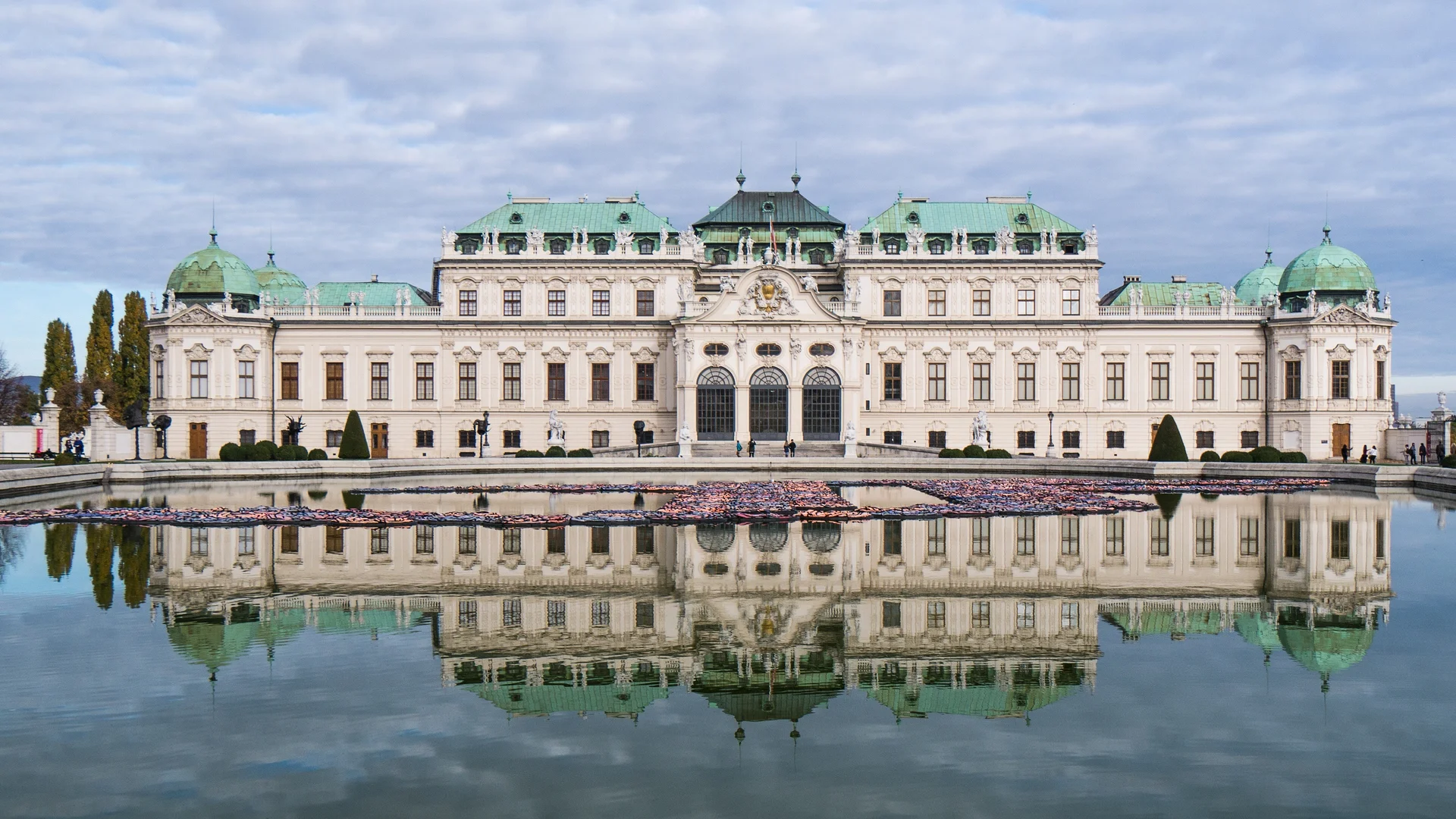
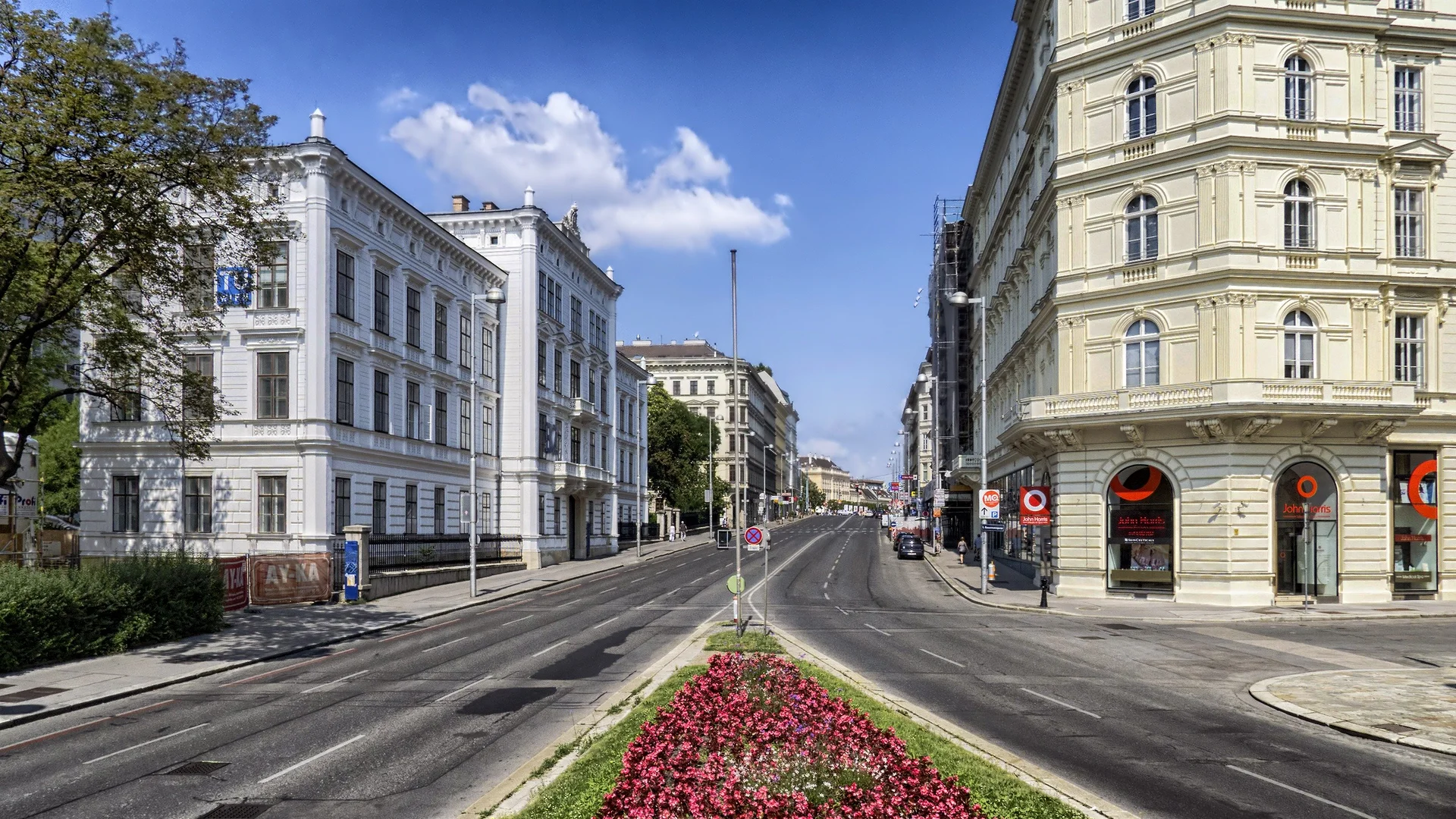
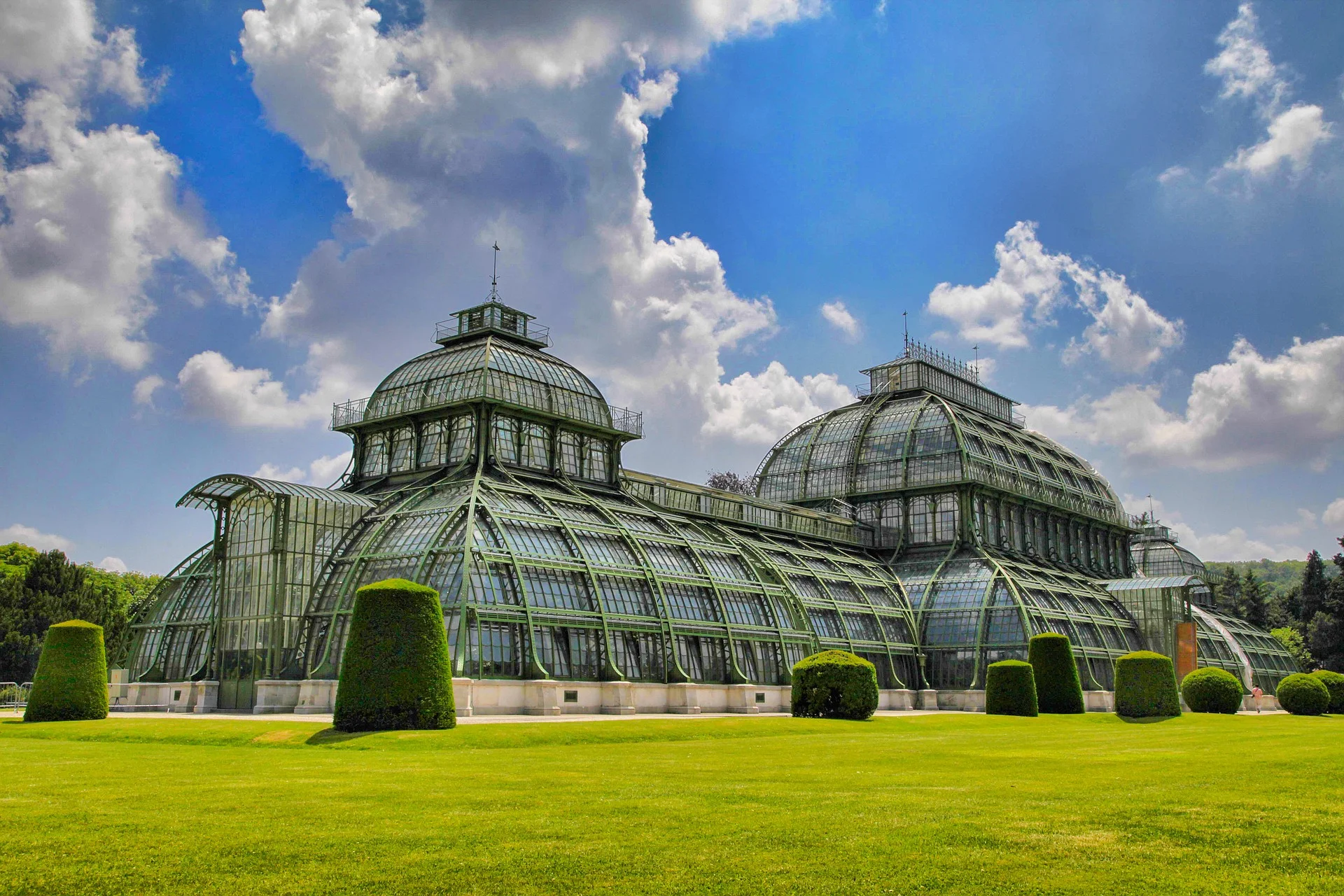
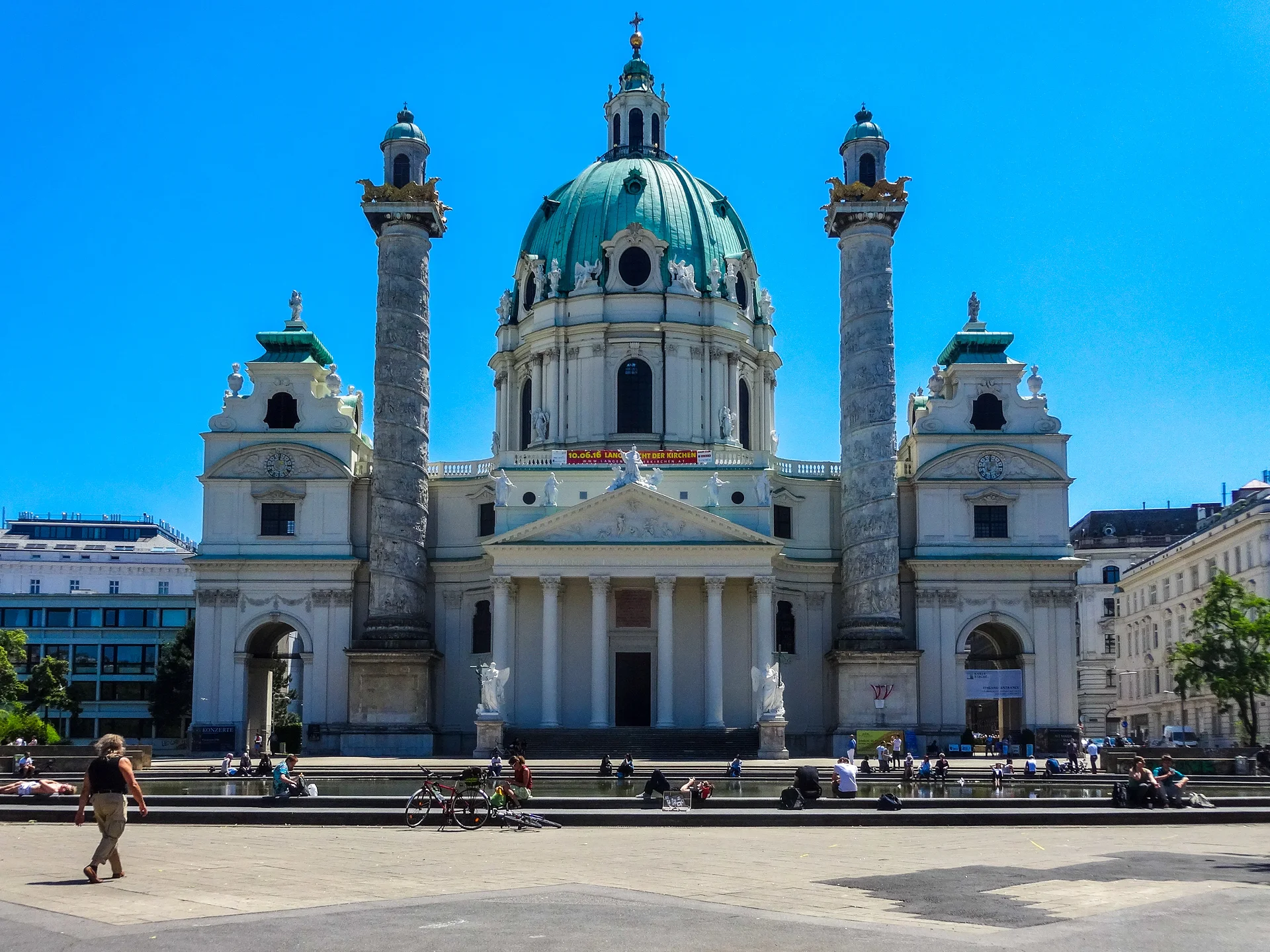
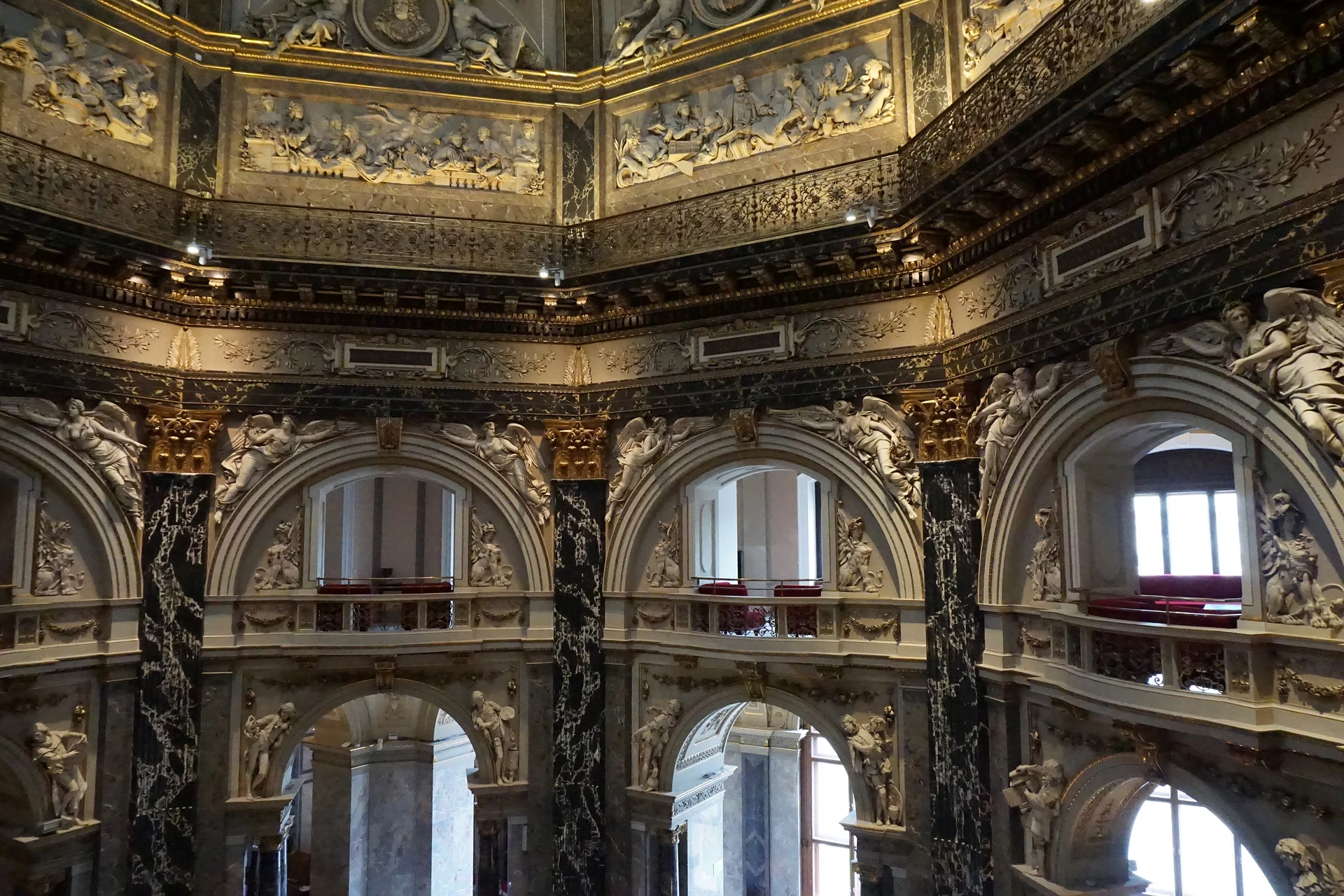
In Vienna a couple does not rush; it sits down. An hour over a Melange at Café Central or the Sperl, an opera heard from the standing room at the back for the price of a drink, a Sunday evening at a Heuriger wine tavern in Grinzing with the new wine on the table and the city lights below. The palaces, Schönbrunn, the Belvedere, the Hofburg, can be seen without a line at the first slot of the morning, and the streetcar does the rest: the city is clean, safe, and the subway runs all night on weekends. Here is what matters before you book, from the dates to the price of a coffee.
At a glance
- When to go
- May and June, then September and October: the gardens of Schönbrunn and the Belvedere stay open late, the café terraces are out, and the Heurigen pour the new wine in fall. Advent, from mid-November, for the Christmas markets.
- How many days
- Three full days for the Innere Stadt, Schönbrunn, the Belvedere and a night at the opera; a fourth for the vineyards of Grinzing and the Kahlenberg, or the Wachau valley by train.
- Which neighborhood
- The Innere Stadt for a first visit, Neubau and the Spittelberg for evenings out, the Karmeliterviertel for gentler prices one subway stop from the center.
- Budget for two
- About $1,570 for three nights in comfort, hotel, meals, sights and transit included, flights excluded: cheaper than Paris, dearer than Prague or Budapest.
- The moment for two
- A standing-room ticket at the State Opera, bought the same day for under $23, then a walk along the Ring to a coffee house still open at midnight.
- Book ahead
- Timed tickets for Schönbrunn one to two weeks out, seats at the State Opera the day sales open, a table at Steirereck a month ahead; the Belvedere can wait until the day before.
Why Vienna for two
Vienna kept the rituals of an imperial capital without the crowds of Paris or Rome: coffee is taken sitting down, in high-ceilinged rooms where nobody hurries you; an opera costs the price of a drink if you stand at the back of the State Opera; you walk from one palace to the next along the Ring, the tree-lined boulevard that replaced the city walls. The gardens of Schönbrunn and the Belvedere are free, and the Belvedere's galleries hold the painting every couple comes to see, Klimt's "The Kiss".
In the evening the city opens up: the Heurigen, the winegrowers' taverns of Grinzing and Nussdorf, pour their own wine under the arbors thirty minutes by streetcar from the center, the giant wheel of the Prater turns until midnight, and the subway runs all night on Fridays and Saturdays. Everything is clean, everything is on time, and as a couple you never have to haggle over a taxi.
When to go
| Period | Weather | Crowds | Our verdict |
|---|---|---|---|
| March and April | Cool, 46 to 61 °F (8 to 16 °C), windy | Moderate, heavy at Easter | Easter markets, gardens reopening, prices still low |
| May and June | Mild to warm, 64 to 79 °F (18 to 26 °C) | Heavy, especially in June | Terraces outside, roses in the Volksgarten, long evenings |
| July and August | Hot, 77 to 90 °F (25 to 32 °C), storms | Heavy, the Viennese away | Swimming in the Danube, open-air film festival at the Rathaus; the Opera is dark |
| September and October | Mild, 54 to 72 °F (12 to 22 °C) | Heavy in September | Our favorite: new wine in the Heurigen, the opera season back on |
| November and December | Cold, 32 to 45 °F (0 to 7 °C), gray | Very heavy during Advent | Christmas markets at the Rathaus and Schönbrunn, the coffee houses at their best |
| January and February | Cold, often below freezing, snow possible | Light, except ball nights | The lowest prices, quiet museums, the ball season |
A few dates change the city. From mid-November to December 24, the Christmas markets open in front of the Rathaus, at Schönbrunn, on the Spittelberg and on the Freyung: the loveliest weeks of the year for two, and the most expensive hotels, to be booked two months ahead. On December 31 the Silvesterpfad has the whole Graben waltzing at midnight; from January to the end of Carnival, the ball season, more than 400 balls in the Hofburg, the Rathaus and the palaces, fills hotels on Thursdays and Saturdays, and the Opera turns into a ballroom one Thursday in February. May 1 and Corpus Christi close the shops; in July and August the State Opera, the Burgtheater and the Musikverein go dark, but the Rathausplatz festival screens an opera or a concert outdoors every evening, free.
Paperwork: passport, visa, health
| Documents | Visa | Health | |
|---|---|---|---|
| United States | Passport valid at least 3 months after you leave the Schengen area, with a blank page | None for stays of up to 90 days | Travel insurance covering medical care: Medicare does not pay abroad |
| United Kingdom | Passport issued less than 10 years ago and valid 3 months after your departure | None for stays of up to 90 days | UK GHIC card, free, covers state care in Austria; add travel insurance |
| Ireland | Passport card or passport in date | None | European Health Insurance Card (EHIC), free |
Coming from the US or the UK
At your first entry into the Schengen area, in Vienna or at your European connection, border police record your fingerprints and a photo: allow a little more time at passport control. Before you fly, check whether the ETIAS travel authorization is required on your dates: it is applied for online on the European Union's site (travel-europe.europa.eu), costs about $23 and lasts three years. Irish citizens need neither.
Getting there
By plane, nonstop from the US East Coast and the British Isles
| From | Flight time | Good to know |
|---|---|---|
| New York (JFK, Newark) | ~8h30 | Austrian and United, daily all year |
| Chicago, Washington | 9h to 9h30 | Austrian, daily; Boston in summer |
| Los Angeles, San Francisco | ~13h with one stop | No nonstop: change in Frankfurt, Munich, Zurich or London |
| London (Heathrow, Gatwick, Stansted) | ~2h20 | British Airways, Austrian, easyJet, Ryanair and Wizz, several a day |
| Manchester, Edinburgh, Bristol | 2h30 to 2h45 | easyJet, Ryanair and Jet2, fewer in winter |
| Dublin | ~2h45 | Aer Lingus and Ryanair |
One airport, Vienna International (VIE), at Schwechat, 11 miles (18 km) southeast of the center and sixteen minutes away by train: the routes to your hotel are detailed below in "From the airport to your hotel". Low-cost airlines that advertise "Vienna-Bratislava" land in Slovakia, 37 miles (60 km) away: add an hour by bus.
By train, from London in a day and a night
| From | Time | Good to know |
|---|---|---|
| London | ~20h via Brussels | Eurostar to Brussels (2h), then the Nightjet sleeper, 14h, private cabin for two; by day, via Brussels and Frankfurt, 12h |
| Paris | ~14h on the Nightjet | Direct sleeper, cabin for two; by day, 9h30 with a change in Munich or Stuttgart |
| Munich | ~4h | Railjet every hour |
| Zurich | ~8h | Direct Railjet through Innsbruck and Salzburg, several a day |
| Budapest, Prague | 2h30 to 4h | Railjet every hour or two, to pair two capitals |
All trains arrive at the Hauptbahnhof, two subway stops (U1) from Karlsplatz and a ten-minute walk from the Belvedere; some Railjets from Zurich and Munich also stop at Wien Meidling, handy if you sleep near Schönbrunn. The Nightjets leave in the evening and drop you in the center at breakfast time: the private cabin for two, with shower and breakfast, sells out first, two to three months ahead.
By car
The practical things to know before you go
Phone
A US plan charges a daily roaming pass or nothing at all depending on the carrier; check before you fly, or install an eSIM for Europe, cheaper for a week. Most UK plans now charge for EU roaming: same advice. Irish plans roam free. Wifi is free in cafés and museums; the WienMobil app sells streetcar and subway tickets, so download it before you land.
Money and tipping
- Austria uses the euro. Cards work almost everywhere, but many traditional coffee houses, Würstelstände sausage stands and Heurigen take cash only: keep $56 to $112 in notes.
- You round up: at the café the waiter says the total and you name the rounded amount as you pay ($5.20 becomes $5.60); at a restaurant, 5 to 10 % said out loud when paying, never left on the table. No 20 % here.
- The bread and butter set on your restaurant table are charged per piece (the Gedeck): send them back if you do not want them.
- Tap water comes from the Alps and is drunk everywhere; in a coffee house a glass of water comes with every coffee, free.
Plugs, dress and season
- Type F sockets at 230 volts: Americans and Britons need an adapter, Americans also a charger that accepts 230 volts (nearly all phone and laptop chargers do, hair dryers do not); Irish plugs need an adapter too.
- No dress code at the Opera or the concert halls outside galas and balls, but the Viennese dress up: a shirt and a dress are enough, shorts and sneakers stand out in the boxes. Bring walking shoes: Schönbrunn, its gardens and the climb to the Gloriette add up to 4 miles (6 km).
- From December to February it freezes: coat, gloves and hat, the Christmas markets are outdoors and the Heurigen close their gardens.
What to book, and how far ahead
Vienna needs less booking than Paris or Rome: the museums can be visited without advance tickets outside school holidays, and the line at Schönbrunn is the only one that drags. Two things go fast: seats at the Opera for the big nights, and Sunday tables at the well-known coffee houses and Heurigen.
| Sight | Price per person | Book | Good to know |
|---|---|---|---|
| Schönbrunn, Grand Tour | ~$34 | 1 to 2 weeks ahead | Timed ticket; the first slot at 8:30am, before the groups |
| State Opera, seat | $17 to $340 | The day sales open, 2 months ahead | Standing room sells the same day, online from 10am |
| Upper Belvedere | ~$21 | The day before | Timed ticket; the Klimt room is clear before 10:30am |
| Sisi Museum and Imperial Apartments | ~$23 | A few days ahead | Combined ticket with the court silver; 1h30 is enough |
| Kunsthistorisches Museum | ~$24 | No need, except holidays | Closed Mondays from September to May; open until 9pm on Thursdays |
| Musikverein, Konzerthaus | $14 to $135 | 2 to 4 weeks ahead | The Philharmonic sells out the day sales open |
| Vienna Boys' Choir, Sunday mass | $14 to $51 | 2 to 4 weeks ahead | Hofburg chapel, 9:15am, September to June |
| Steirereck, Plachutta, Sacher | 2 to 4 weeks ahead | Steirereck, two stars, books up a month out; well-known Heurigen on Sundays too | |
| Hotel during Advent and the balls | 2 months ahead | Prices double on December weekends |
From the airport to your hotel
© OpenStreetMap contributors
The airport and the neighborhoods it serves
- Vienna Airport (VIE)
- 1Wien Mitte, Innere Stadt
- 2Praterstern, Leopoldstadt
- 3Hauptbahnhof, Belvedere
- 4Westbahnhof, Neubau
| Destination | Transport | Time | Indicative fare |
|---|---|---|---|
| Wien Mitte, Innere Stadt | CAT, City Airport Train | ~16 min. | $17 / pers. |
| Wien Mitte, Innere Stadt | S7 commuter train | ~25 min. | ~$5.10 / pers. |
| Wien Mitte, Innere Stadt | Taxi, flat rate | 25 to 35 min. | $41 to $56 / taxi |
| Praterstern, Leopoldstadt | S7 commuter train | ~30 min. | ~$5.10 / pers. |
| Hauptbahnhof, Belvedere | Railjet or REX (ÖBB) | ~15 min. | ~$5.10 / pers. |
| Westbahnhof, Neubau | Vienna Airport Lines, bus VAL2 | ~45 min. | ~$13 / pers. |
From the airport the S7 is what the Viennese take: a commuter train every thirty minutes that serves Wien Mitte (change to U3 and U4, Stephansplatz a ten-minute walk) and then Praterstern (U1, U2), for a third of the price of the CAT, which reaches the same station nine minutes faster, nonstop and with more room for bags. The Railjet drops you at the Hauptbahnhof in a quarter of an hour: best if you sleep near the Belvedere or in Wieden. Buy the ticket at the red ÖBB machines in the arrivals hall or in the ÖBB app; it also covers the subway to your hotel.
Taxis wait outside arrivals and charge a flat rate into Vienna, to be confirmed before you get in; Uber and Bolt work and often cost a little less. If you land at Bratislava (BTS), FlixBus, RegioJet and Slovak Lines buses reach Wien Hauptbahnhof or Erdberg (U3) in about an hour for $9 to $17 per person, hourly until evening.
By train you arrive at the Hauptbahnhof: the U1 reaches Karlsplatz in two stops and Stephansplatz in three, streetcar D runs past the Belvedere and along the Ring, and a taxi to a central hotel costs $14 to $21. The Westbahnhof, where some trains from Salzburg and Munich arrive, is on the U3 and U6, two stops from Neubau.
Getting around
On foot inside the Ring, by streetcar for the rest
The historic center fits inside the Ring: St. Stephen's is a ten-minute walk from the Hofburg, twelve from the Opera, fifteen from the MuseumsQuartier. For everything beyond, Schönbrunn, the Belvedere, the Prater, Grinzing, the streetcar and the subway are enough: five subway lines, some thirty streetcar lines, no connection longer than ten minutes, and clean cars where you almost always get a seat.
Tickets and passes
| Ticket | Price | Valid for |
|---|---|---|
| Single ticket | ~$2.80 | One trip within Vienna, transfers included |
| 24-hour pass | ~$9 | 24h from validation, all city transit |
| 48-hour pass | ~$16 | 48h from validation |
| 72-hour pass | ~$20 | 72h from validation: the right choice for three days |
| Weekly pass (Wochenkarte) | ~$20 | Monday to the following Monday, whatever day you buy it: unbeatable if you arrive on a Monday or Tuesday |
| Vienna City Card, 72h | ~$33 | Transit plus 10 to 25 % off at partner museums and cafés |
Tickets are sold in the WienMobil app, at subway station machines and at tobacconists (Trafik), almost never on board. A paper ticket is stamped at the blue validators before you board, once only; there are no turnstiles, but plain-clothes inspections are frequent and the fine is immediate, $118. The subway runs from 5am to midnight, and all night on Fridays, Saturdays and the eve of public holidays; on other nights, night buses take over every thirty minutes from Schwedenplatz and the Opera.
The Ring loop, streetcar D and bikes
Streetcars 1 and 2 follow the Ring past the Opera, the Hofburg, the Parliament, the Rathaus and the Burgtheater for the price of a single ticket: the finest seated tour of the city, especially after dark, when the facades light up. Streetcar D climbs from the Opera to Nussdorf, at the foot of the vineyards, in thirty-five minutes. The WienMobil Rad bikes, rented through the app, are made for the Prater, the Hauptallee and the Danube Canal, where the bike paths are separated from traffic.
Budget for two
Vienna costs less than Paris and London to sleep in, about the same to eat in, and almost nothing to get around: for two, a 72-hour pass and a few streetcars replace every taxi. Hotel prices double during Advent, New Year's week and the big ball nights; the rest of the year, a four-star in the center can be had under $280. Here is what three nights for two cost, flights excluded.
| Smart | Comfort | Treat | |
|---|---|---|---|
| Hotel, per night | $124 to $180 | $250 to $360 | from $510 |
| Meals, per day for two | $68 | $135 | $300 |
| Sights for the stay | $79 | $180 | $450 with a box at the Opera |
| Transit for the stay | $45 | $56 | $135 by taxi |
| Total for three nights | $840 | $1,570 | $3,140 |
The lowest prices run from mid-January to March and in November before the Christmas markets open; the highest are Advent, New Year's and ball weekends. The city tax, about 3 % of the room rate, is added to the bill.
Price markers
| Item | Price |
|---|---|
| Melange in a coffee house, with its glass of water | $5.10 to $6.80 |
| Slice of Sachertorte | $9 to $12 |
| Sausage at a stand, Käsekrainer | $4.50 to $6.80 |
| Schnitzel in a Beisl | $21 to $30 |
| Lunch menu (Mittagsmenü) | $14 to $18 |
| Dinner for two with wine, in a good Beisl | $101 to $146 |
| Quarter liter of wine (Viertel) at a Heuriger | $4.50 to $6.80 |
| Standing room at the Opera | $15 to $21 |
| Giant wheel at the Prater | ~$16 / pers. |
The specialties to try
Viennese cooking is the cooking of an empire: the schnitzel came from Milan, the goulash from Hungary, the dumplings from Bohemia, and the coffee was brought by the Turks. You eat it in a Beisl, the neighborhood tavern, and in the coffee houses, which serve at any hour; in the evening, book from Thursday to Saturday.
At the table
-
Wiener Schnitzel
A breaded veal cutlet, thin and as wide as the plate, with a warm potato salad; at Figlmüller for the legend, in a neighborhood Beisl for the price.
-
Tafelspitz
The Habsburgs' boiled beef, served in two acts, the broth and then the meat with its apple-horseradish sauce; at Plachutta, booked ahead.
-
Goulash and Käsekrainer
Beef goulash, milder than in Hungary, at a Beisl at lunch; the cheese-filled sausage, standing at a Würstelstand at midnight, with a beer.
-
Sachertorte and Apfelstrudel
The chocolate and apricot cake, at Sacher or at Demel, which fought over the recipe; the apple strudel, warm, with whipped cream.
-
Kaiserschmarrn
A thick pancake torn up with a fork, caramelized, with plum compote: a dessert to share, and one that stands in for a meal.
-
Buchteln and Brötchen
The jam-filled sweet buns of Café Hawelka, served in the evening; the little open sandwiches of Trześniewski and the Schwarzes Kameel, eaten standing with a glass.
In the glass
-
Melange
A frothy milky coffee, the most ordered of Viennese coffees; a Kleiner Brauner is an espresso with a dash of milk, an Einspänner a black coffee under whipped cream. Always with a glass of water.
-
Grüner Veltliner and Gemischter Satz
Austria's dry white, and the wine of Vienna's own vineyards, where several grape varieties grow together: by the glass in any Beisl, by the Viertel (a quarter liter) at a Heuriger.
-
Sturm
Half-fermented grape must, cloudy and sweet, served from mid-September to late October at the Heurigen: it does not keep, does not travel, and is drunk on the spot.
-
Spritzer
White wine and sparkling water, half and half, the summer aperitif at $3.40 to $4.50; the Hugo (prosecco, elderflower, mint) has nearly replaced it on the terraces.
-
Beer
Ottakringer is the city's beer, by the Krügel (a pint, near enough) or the Seidel (a third of a liter), at a sausage stand or at the Prater.
-
Marillenbrand
The apricot brandy of the Wachau, as a digestif at a Heuriger or a Beisl, served ice-cold in a small glass.
Customs and rules to know
The Viennese have the formal manners of an old court, and a few habits earn a warm welcome: Grüß Gott on entering, Auf Wiedersehen on leaving, a handshake when introduced, and waiting to be seated at a café as at a restaurant. Nobody talks loudly on the streetcar, and nobody crosses on red, even with no car in sight.
| Rule | What to expect |
|---|---|
| Riding without a validated ticket | On-the-spot fine of $118 |
| Smoking in a café, restaurant, streetcar or station | Banned everywhere indoors, fine |
| Crossing on a red light, even with no car | Possible fine, and a guaranteed glare |
| Walking in a bike lane | Cyclists ring and do not slow down |
| Noise in a building after 10pm | Legal quiet hours: the neighbors call the police |
- Lunch is from noon to 2pm and dinner early, 6pm to 8pm; many kitchens close at 9:30pm, and the Heurigen at 11pm. Coffee houses serve at any hour and close around midnight.
- In a coffee house the table is yours for as long as you like: a Melange and a newspaper buy an hour, nobody will hurry you; you pay the waiter, at the table, rounding up.
- On Sundays the shops and supermarkets are closed, except in the train stations: shop on Saturday before 6pm. Coffee houses, restaurants, museums and Heurigen are open.
- On the subway and escalators you stand on the right; on the streetcar, seats go to older people without being asked.
- At a Heuriger you share the table with strangers when it is full, order wine at the counter or from the waiter and food from the buffet by weight, and nobody orders beer.
Safety
Vienna is one of the safest capitals in Europe: a couple walks home along the Ring at 2am without a second thought. The risk is pickpocketing in the crowds of the Christmas markets and Stephansplatz, and a few unlovely streets around the train stations at night.
- Phone and wallet in a front pocket on the Graben, at the Christmas markets of the Rathaus and Schönbrunn, and on the U1 and U3 at rush hour: a group that jostles you as the doors close is the commonest trick.
- Outside the Opera and the Hofburg, men in wigs and Mozart costumes sell concerts held that same evening in a palace hall: the music is real, the price is that of a seat at the Musikverein; compare before you hand over your card.
- At night the surroundings of Praterstern and the Westbahnhof, and the Gürtel between them, draw drunks and small-time dealers: nothing dangerous, but go home by streetcar or subway rather than on foot.
- The bike lanes along the Ring and the Danube Canal are fast: look both ways before crossing them, bikes and e-scooters do not brake.
- Taxis run on the meter and are honest; from the airport, ask for the flat rate before getting in, and turn down any driver who approaches you in the hall.
The mistakes couples make
Disappointments come from an overfull schedule, an unprepared Sunday, and a dinner on the Graben. Vienna rewards those who sit down: one palace a day, one coffee house a day, one evening with nothing planned.
- Doing Schönbrunn, the Belvedere and the Hofburg on the same day: three palaces, three gardens, no stroll. One palace a day, and the rest on foot.
- Arriving at Schönbrunn at 11am without a ticket: the next slot is at 2pm. Book the first slot of the morning, or the 4pm one.
- Dining on the Graben, on Kärntner Straße or at Stephansplatz: the laminated menus serve the tour groups, the good Beisln are five minutes away, on Bäckerstraße or in the 7th district.
- Counting on an opera in July or August: the State Opera and the Burgtheater are closed; the free Rathausplatz festival and the palace concerts fill in.
- Taking a fiacre at Stephansplatz to see the city: twenty minutes of cobbles behind a horse for $62, when streetcar 1 loops the Ring for a single ticket.
- Forgetting that everything closes on Sunday: groceries, the pharmacy, the shops on the Graben; museums, coffee houses and Heurigen stay open.
- Sleeping near the Westbahnhof or Praterstern to save money: the center is ten minutes away, but the street at night is no place for a couple's stay.
Frequently asked questions
Is Vienna a good destination for a romantic trip?
Yes, for concrete reasons: the palaces and their gardens can be seen without crowds at the first slot of the day, the Opera can be heard standing for under $23, the coffee houses let you keep the table all day, and the wine taverns in the hills are a streetcar ride away. The city is clean, safe at any hour, and cheaper than Paris to sleep in.
How many days do you need in Vienna as a couple?
Three full days cover the Innere Stadt, Schönbrunn, the Belvedere, the MuseumsQuartier and a night at the Opera, at one palace a day. A fourth day lets you ride up to the Kahlenberg and end at a Heuriger in Grinzing, or spend the day in the Wachau valley along the Danube.
How much does a trip to Vienna cost for two?
Count on about $1,570 for three nights in comfort, with a central hotel, meals, sights and transit, flights excluded. A smart budget comes in around $840 if you sleep in the 2nd or 8th district; a treat stay passes $3,140 with a palace hotel and a box at the Opera.
Do you need to book Schönbrunn and the Opera in advance?
Schönbrunn, yes: tickets are timed and the morning slots go one to two weeks ahead in season. The Opera sells its seats two months ahead but keeps standing room every night, sold the same day online from 10am for $15 to $21: the simplest way in for two.
When are the Christmas markets in Vienna?
From mid-November to December 24, with the finest in front of the Rathaus, in the courtyard of Schönbrunn, on the Freyung and in the lanes of the Spittelberg. December weekends are packed and hotels at full price: aim for a Sunday-to-Thursday stay in late November or early December, and the markets after 8pm, once the coaches have left.
Can you visit Vienna without speaking German?
Yes: English is spoken in hotels, museums, coffee houses and on public transit, and the ticket machines have an English menu. A Grüß Gott on the way in and a Danke on the way out are enough to change the welcome.