Dubai for couples: things to know before you go (2026)
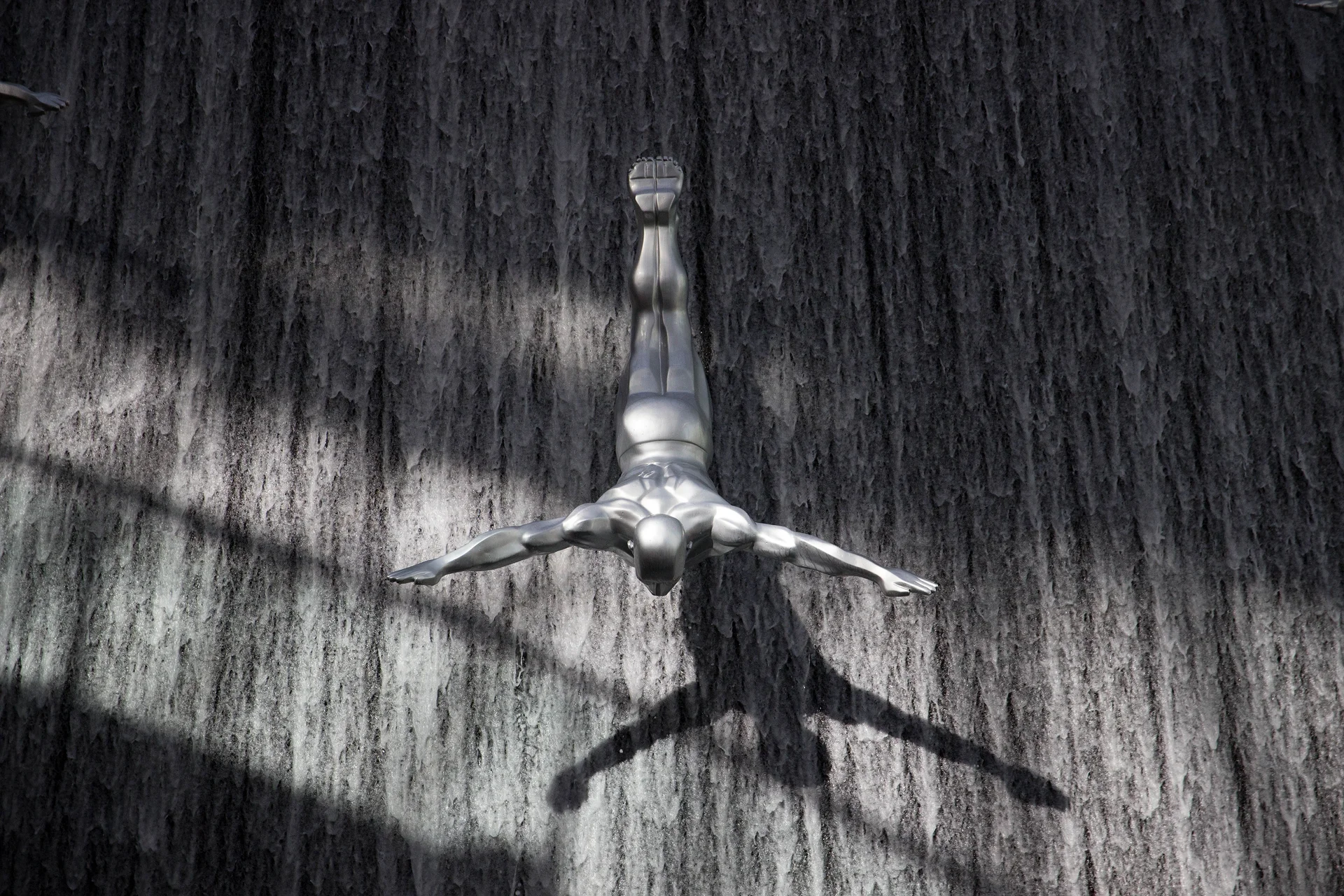
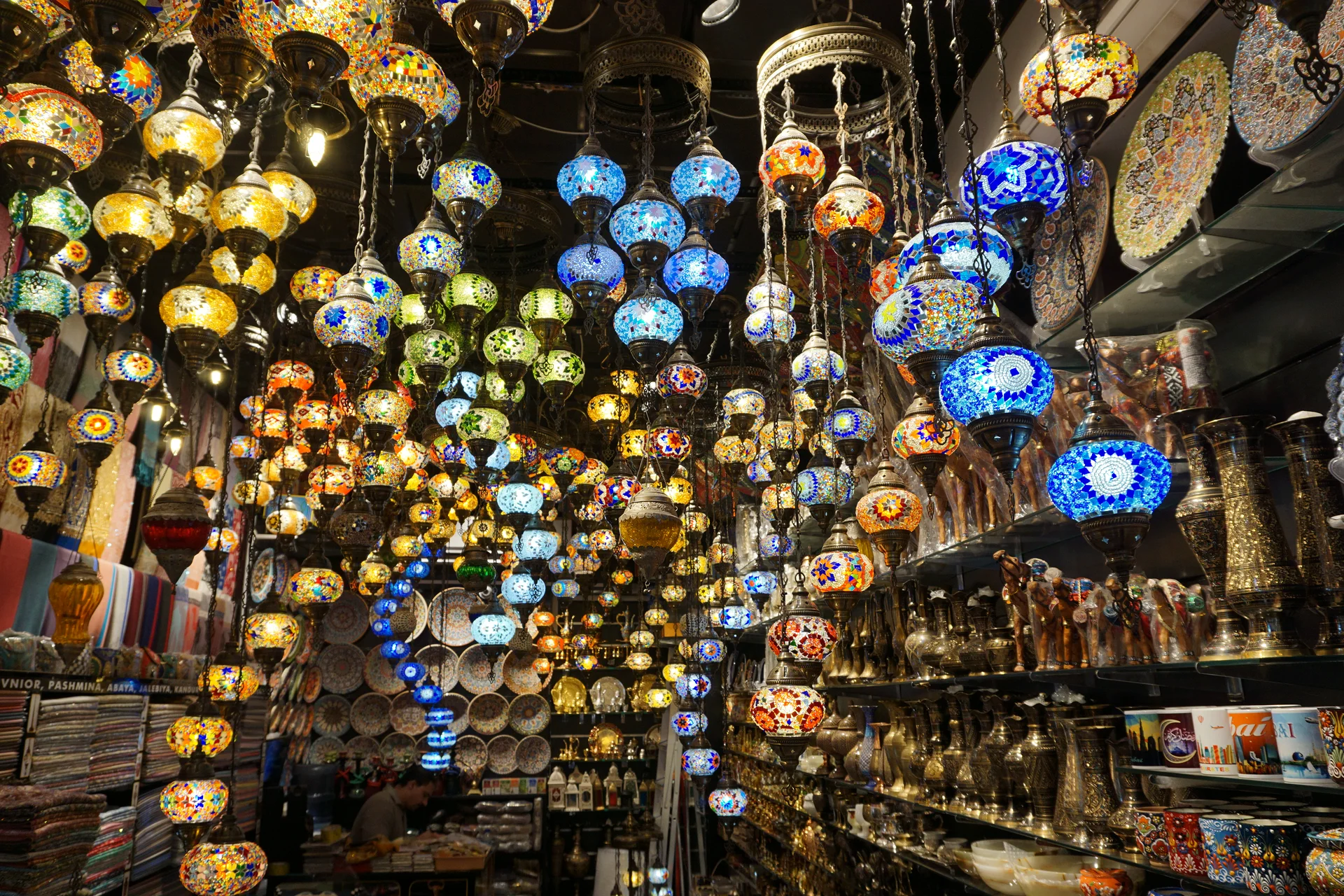
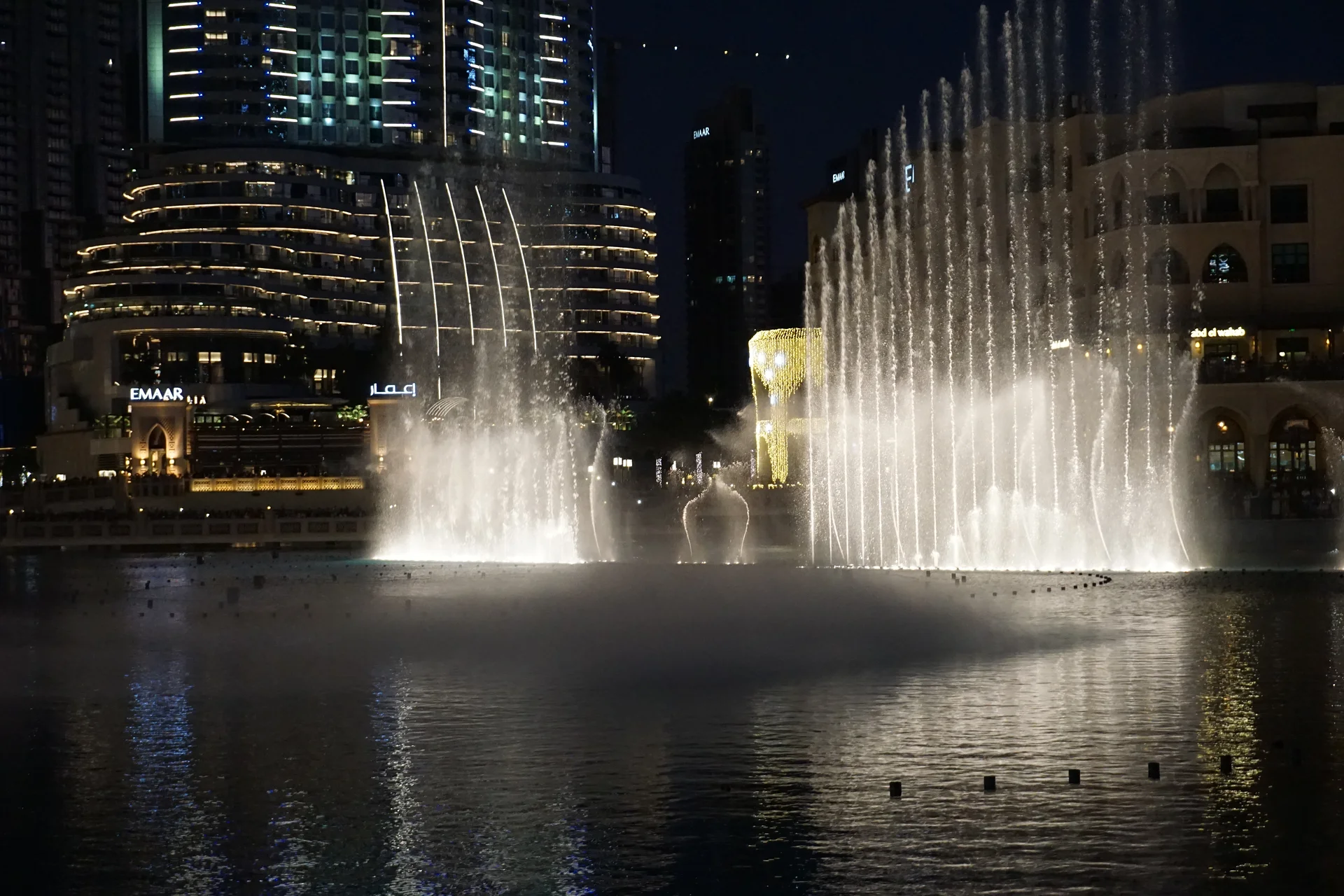
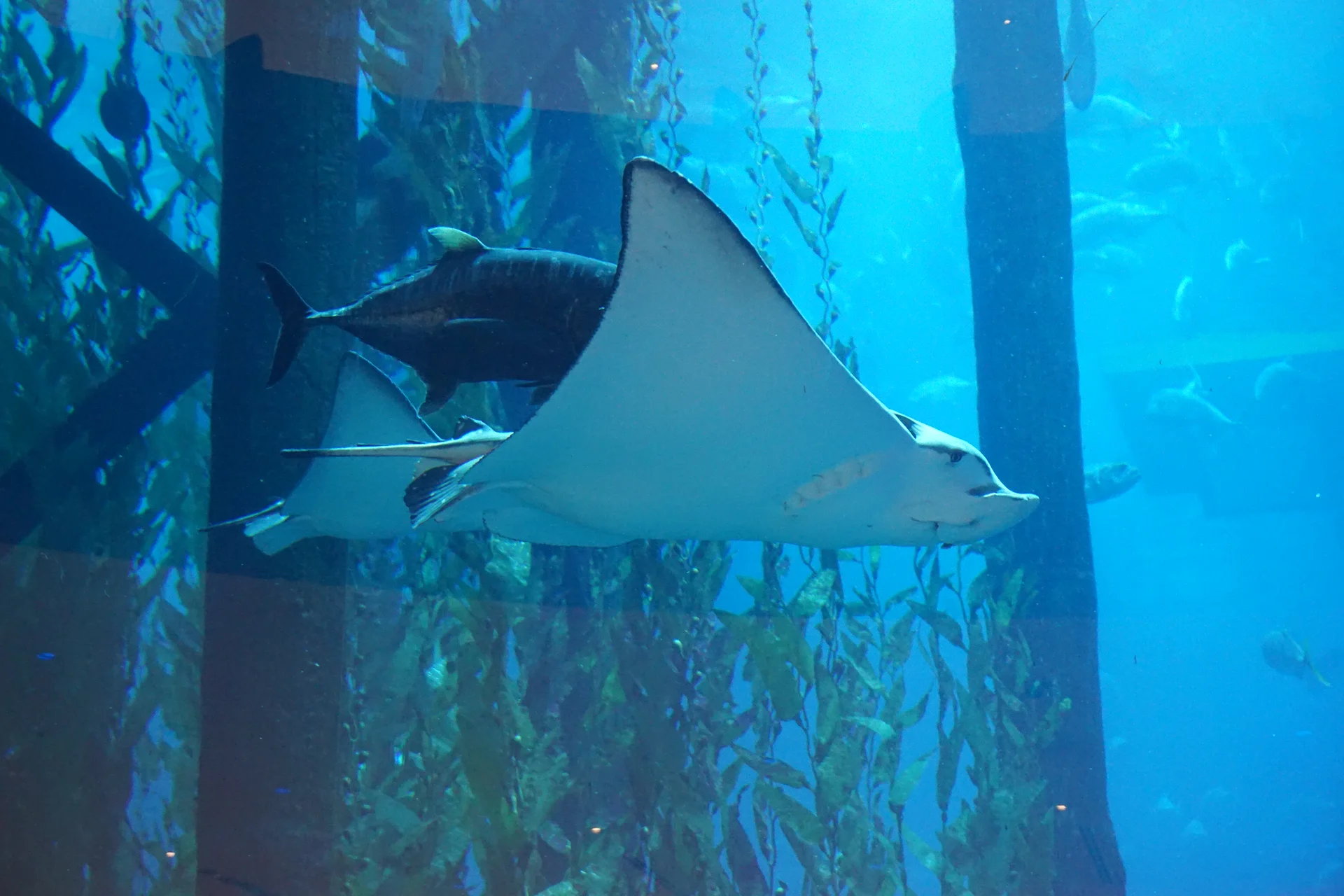
In Dubai, the day is a trade between shade and dusk: the Burj Khalifa and the alleys of Al Fahidi in the morning, the pool in the afternoon, then sunset over the dunes or the sea. From November to March you eat outside at 77°F (25°C); from May to September the heat keeps you indoors. Two things need settling before you leave: the dates, which can triple the hotel bill, and the desert trip, which belongs with a licensed operator. The rest, dress, alcohol, Ramadan, takes ten minutes to understand below.
At a glance
- When to go
- November to March: 75-86°F (24-30°C) by day, terraces and beaches without the heat. May to September hits 104-113°F (40-45°C) and is humid; April and October stay hot but cost less.
- How many days
- Four full days cover the modern center, Old Dubai, a desert sunset, the beach and the Palm. Plan five nights with the flight, and one more day for Abu Dhabi.
- Where to stay
- Downtown for a first visit, the Marina and JBR for beach and evenings, the Palm for a resort stay, the Creek for Old Dubai.
- Budget for two
- About $1,960 for three nights at a comfortable level, hotel, meals and sights included, flights excluded. Hotel taxes add nearly 23% to the base rate: read the total.
- The moment for two
- Sunset on the dunes, then dinner in a desert camp under a sky with no city light.
- Before you go
- A passport valid for six months, the entry rules to check on the official site, then the Burj Khalifa at sunset and the desert, booked one to two weeks ahead.
Why Dubai for two
Dubai works for couples through contrast: the Burj Khalifa, 2,717 ft (828 m) of glass, then a pale stone alley in the old quarter where you cross the creek in an abra, a wooden boat, for a coin; dinner on a terrace facing the fountain, then a night under the stars in a desert camp. Everything is air-conditioned, clean and easy to organize, which leaves room for time together instead of logistics.
Two things shape the trip. The city stretches for more than 37 miles (60 km) of coast: the modern center, the Marina and Old Dubai are 20 to 30 minutes apart by taxi, which matters when you pick a hotel. And the sun sets the schedule: from May to September you go out before 11am or after 4pm; sunset, around 5:30pm in December and 7:15pm in June, is the high point of every day.
When to go
| Period | Weather | Crowds | Our verdict |
|---|---|---|---|
| November to March | 75-86°F (24-30°C) by day, 57-68°F (14-20°C) at night, sea 72-81°F (22-27°C), rare rain | High season, very busy at Christmas and New Year | Our favorite: terraces, beach and desert without the heat |
| April and October | 90-100°F (32-38°C), sea 82-86°F (28-30°C), heavier air | Moderate, prices dropping | Beach and pool, sightseeing early or late |
| May to September | 104-113°F (40-45°C), humid in August, sea up to 91°F (33°C) | Low, hotels often half price | Everything happens in air-conditioning between 11am and 5pm |
Ramadan and dates that move
Ramadan follows the lunar calendar: it moves about ten days earlier each year, and exact dates are only confirmed a few weeks ahead. Muslims fast from dawn to sunset. The city stays open and hotels are often cheaper, but the rhythm changes: avoid eating, drinking and smoking in public during the day, restaurants in hotels and malls sometimes serve behind a screen, live music is limited and alcohol may be reserved for the evening. The iftar evenings, the meal that breaks the fast, are worth experiencing; dress is a little more covered.
Other dates push prices up: Eid al-Fitr, which ends Ramadan, closes offices for three to four days and fills hotels; National Day, on December 2 and 3; and the winter shopping festival, from December to January. Check these dates before booking the flight.
Entry rules: passport, visa, health
| Passport | Visa | Health | |
|---|---|---|---|
| United States, Canada | Passport valid six months after arrival | Nothing to do before leaving: entry granted on arrival, free, for a tourist stay | Travel medical insurance with evacuation: Medicare and most US plans pay nothing in the UAE |
| United Kingdom, Ireland | Passport valid six months after arrival | Nothing to do before leaving: entry granted on arrival, free, for a tourist stay | Travel insurance: the UK GHIC card covers nothing in the UAE |
The visa: the rule, then the check
Citizens of the US, Canada, the UK, Ireland and most of Europe get their entry permission at airport passport control, with no form beforehand and no fee. The length of stay and the conditions (return ticket, address of the first hotel) depend on the passport and can change: confirm them on the federal authority's site (icp.gov.ae) or with your airline before booking. An airline can refuse boarding if your passport expires within six months.
Health and medication
Care is excellent and paid for: an emergency visit at a private clinic quickly passes $230, a night in hospital runs to thousands. Buy travel insurance covering medical costs and repatriation. On medication, some codeine- or tramadol-based painkillers, sleeping pills and anxiety treatments are controlled in the UAE: carry the prescription and the drug in its original packaging, and check the health ministry's list before you fly.
Getting there
By air, the only way
| From | Duration | Good to know |
|---|---|---|
| New York | ~12h30 | Nonstop with Emirates from JFK; Boston and Washington also fly nonstop |
| Chicago | ~14h | Nonstop with Emirates |
| Los Angeles | ~16h | Nonstop with Emirates; San Francisco, Seattle, Dallas and Houston also have nonstops |
| London | ~7h | Several nonstops a day from Heathrow with Emirates and British Airways; Emirates also flies from Gatwick and Manchester |
Dubai is a hub: nearly every flight from the US and Europe arrives nonstop, and the city has two home airlines, Emirates and the low-cost flydubai, which serves mostly central and eastern Europe. Fares vary threefold between winter and summer: compare dates before choosing. A flight into Abu Dhabi, 80 miles (130 km) away, is sometimes cheaper but adds 1h30 by taxi or bus.
The transfer from the airport to your hotel is detailed below, in "From the airport to your hotel".
Practical things to know before you go
Phone
Check your carrier's daily international pass before you fly, or install a tourist eSIM; a local SIM from e& or du is sold at the airport. Voice calls on WhatsApp, FaceTime and Skype are blocked on local networks; messages go through. Wi-Fi is free in hotels and malls. Install Careem or Uber for taxis, and the Dubai transport app for metro times.
Money and tipping
- Contactless cards work everywhere, from taxis to restaurants; keep some dirham bills for the abra, Old Dubai vendors and small tips. The dirham (AED) is pegged to the US dollar at about 3.67.
- A restaurant bill usually adds 10% service and 5% VAT. At home you tip 18 to 20%; here a further 5 to 10% for good service is appreciated, never expected, and in taxis you round up the fare.
- Porters and housekeeping get $1.20 to $2.30 per bag or per day.
- The hotel holds a deposit on your card at check-in, released at departure; ask the amount at the desk.
Jet lag
Dubai is eight hours ahead of New York in summer and nine in winter, eleven or twelve ahead of Los Angeles, and three or four ahead of London (the clocks never change in the UAE). Flights from the US arrive in the evening or overnight: keep the first day for the pool and a walk in the sun, and leave the desert and the tower for day two. From London, the jet lag is light: go to bed on local time.
Plugs, water and dress
- Type G plugs (three rectangular pins, as in the UK), 230 volts: Britons need nothing, Americans need an adapter. Phone and laptop chargers accept 100 to 240 volts; a US hair dryer or straightener at 120 volts burns out or runs slowly, and most hotels supply one.
- Tap water is safe but desalinated and unpleasant: everyone drinks bottled water, under $1.20 everywhere.
- Malls, restaurants and the metro are air-conditioned to 68°F (20°C) or lower: bring a light cardigan, even when it is 104°F (40°C) outside.
- In town, cover shoulders and knees in malls, souks and the old quarter; swimwear stays at the pool and the beach.
- High-SPF sunscreen, a hat and sunglasses all year, and two liters of water per person for a desert trip.
What to book, and how far ahead
In Dubai, what you book is what has a time slot or limited places: the tower, the museum, the desert at sunset, a table with a view and the New Year hotel. Souks, public beaches and the fountain need no ticket.
| What | Price / pers. | Book | Good to know |
|---|---|---|---|
| Burj Khalifa, levels 124 and 125 | $51 to $101 | 1 to 2 weeks ahead | The sunset slot sells first and costs the most |
| Museum of the Future | ~$40 | 1 to 2 weeks ahead | Timed entry, full on weekends; allow 2h30 for the visit |
| Desert at sunset | $45 to $101 | 3 to 7 days ahead | One to two weeks in December; pickup around 3pm, back around 9:30pm |
| Friday brunch in a hotel | $90 to $230 | 1 to 2 weeks ahead | All-you-can-eat buffet from noon to 4pm, with or without alcohol depending on the package |
| Christmas and New Year hotel | Prices double or triple | 4 to 6 months ahead | Rooms with a view of the fireworks go first |
From the airport to your hotel
© OpenStreetMap contributors
The three airports and the areas they serve
- Dubai International (DXB)
- Al Maktoum (DWC)
- Sharjah (SHJ)
- 1Downtown Dubai
- 2Old Dubai, Creek
- 3Marina, JBR
- 4Palm Jumeirah
- 5Jumeirah, Madinat
| Destination | Transport | Duration | Estimated fare |
|---|---|---|---|
| Downtown Dubai | Metro, Red Line, Burj Khalifa/Dubai Mall station | ~25 min. | ~$2.30 / pers. |
| Downtown Dubai | Taxi | 15 to 25 min. | ~$17 / taxi |
| Old Dubai, Creek | Metro, Red then Green Line | ~30 min. | ~$2.30 / pers. |
| Old Dubai, Creek | Taxi | 15 to 25 min. | ~$14 / taxi |
| Marina, JBR | Metro, Red Line, then tram | ~1h | ~$3.40 / pers. |
| Marina, JBR | Taxi | 30 to 45 min. | ~$34 / taxi |
| Palm Jumeirah | Taxi | 35 to 50 min. | ~$40 / taxi |
| Jumeirah, Madinat | Taxi | 30 to 40 min. | ~$32 / taxi |
| Destination | Transport | Duration | Estimated fare |
|---|---|---|---|
| Downtown Dubai | Taxi | 35 to 50 min. | ~$45 / taxi |
| Old Dubai, Creek | Taxi | 50 to 70 min. | ~$62 / taxi |
| Marina, JBR | Taxi | 25 to 35 min. | ~$34 / taxi |
| Palm Jumeirah | Taxi | 30 to 45 min. | ~$43 / taxi |
| Jumeirah, Madinat | Taxi | 30 to 40 min. | ~$40 / taxi |
| Destination | Transport | Duration | Estimated fare |
|---|---|---|---|
| Downtown Dubai | Taxi | 40 to 60 min. | ~$40 / taxi |
| Old Dubai, Creek | Taxi | 25 to 40 min. | ~$25 / taxi |
Nearly every flight from the US and Europe lands at Dubai International, where Terminals 1 and 3 each have a metro station; Terminal 2 has none, and a taxi is the rule. The metro runs from dawn to just past midnight, and its fare card, the Nol card, is sold at station machines. Al Maktoum, to the south, handles mostly cargo and few passenger flights: check the airport printed on your ticket. Sharjah, to the northeast, is the base of a low-cost airline, Air Arabia; neither has a metro.
Official taxis, cream with a colored roof, wait in line outside each terminal; Careem and Uber have their own pickup zones. Turn down the "limousine" driver who approaches you in the hall: no meter, no license. Sheikh Zayed Road clogs from 7:30 to 9:30am and from 5 to 8pm: at those hours the metro beats a taxi.
Getting around
A city of distances
Dubai is not walkable from one area to the next: sidewalks end, highways are wide and the heat discourages. You walk one area at a time, Downtown, Old Dubai or the Marina; between them, the metro, the tram and taxis.
Metro, tram, abra, taxi
| Ticket | Price | Good to know |
|---|---|---|
| Metro and tram, Nol card | $1.20 to $2.30 a trip | A Nol Silver card (~$6.80, with credit) sold in stations; the fare depends on zones |
| Abra, creek crossing | ~$0.28 / pers. | Paid in coins to the boatman; the boat leaves when full |
| Taxi | ~$0.56 / km | Metered by law; book through Careem or Uber for a known price |
| Palm monorail | ~$7.90 | Gateway station to Atlantis, connecting with the tram |
A rental car is only useful for Hatta or Abu Dhabi: Salik tolls, paid parking and the many speed cameras add to the daily rate. Ride-hailing and taxis cover everything else.
Budget for two
The hotel is the first expense, and it varies threefold by season. Meals fit every budget, and sights weigh most if you add the tower, the museum and a desert trip with dinner. Here is what three nights for two cost, flights excluded, hotel taxes included.
| Budget | Comfortable | Treat yourself | |
|---|---|---|---|
| Hotel, per night | $124 to $180 | $280 to $450 | from $620 |
| Meals, per day for two | $68 | $157 | $340 |
| Sights and desert for the stay | $112 | $400 | $900 |
| Three-night total | ~$840 | ~$1,960 | ~$4,150 |
Hotel taxes
A hotel rate is read with its fees: 10% service, 7% municipality tax and 5% VAT are added to the base rate, nearly 23% in all, and the "tourism dirham", a fixed tax per room per night, from $2.30 to $5.60 depending on the category, is paid at the hotel. Some booking sites show the rate without these fees: read the total before paying. Rooms cost half as much in July as in December.
Reference prices
| Item | Price |
|---|---|
| Coffee or karak, spiced milk tea | $2.30 to $5.60 |
| Shawarma, a grilled meat wrap | $3.40 to $5.60 |
| Main course in a mall restaurant | $17 to $28 |
| Beer or glass of wine at a hotel | $12 to $16 |
| Cocktail at a hotel | $16 to $25 |
| Bottle of water | $0.56 |
What to eat and drink
Dubai cooks for everyone who lives there: Emirati, Lebanese, Indian, Pakistani, Iranian. A couple eats well by following a neighborhood, from the street kitchens of Old Dubai to hotel dining rooms.
At the table
-
Machboos
Spiced rice cooked with lamb, chicken or fish, the reference Emirati dish, served in local-cuisine restaurants.
-
Shawarma
Spit-grilled meat rolled in thin bread with pickles, $3.40 to $5.60: the city's street meal, from Karama to Old Dubai.
-
Mezze
Hummus, moutabal, tabbouleh, falafel: a dozen small plates to share, the easiest way to have dinner for two.
-
Luqaimat
Fried dough balls coated in date syrup, served hot with cardamom coffee.
-
Dates
Dozens of varieties in the souks, plain, stuffed with almonds or dipped in chocolate: a box to bring home.
In the cup and the glass
-
Karak
Black tea with milk and cardamom, served boiling in street cafés for $1.20 to $2.30.
-
Arabic coffee, qahwa
A pale coffee flavored with cardamom and saffron, poured into small handleless cups and served with dates.
-
Fresh juices
Lemon-mint, mango, pomegranate, pressed in front of you in Lebanese cafés, $3.40 to $5.60.
-
Alcohol at the hotel
Wine, beer and cocktails are served in hotels and licensed restaurants, $12 to $25 a glass; street cafés and malls do not serve them.
Local customs and rules
Dubai welcomes millions of visitors a year and asks little of them: a handful of strict rules is enough to avoid trouble, and the rest is courtesy.
| Rule | What applies |
|---|---|
| Alcohol | Served in hotels and licensed restaurants; banned in the street, on the beach and in malls; zero alcohol when driving |
| Dress | Shoulders and knees covered away from the beach and pool; going shirtless or in swimwear in town is banned |
| Public affection | Holding hands is fine; kisses and embraces belong in the room, and one passer-by's complaint is enough |
| Photos | Ask before photographing a person, especially a woman; palaces and official buildings are not to be photographed |
| Drones | Permit required, banned near airports, skyscrapers and palaces: leave it at home |
| Vaping | Banned wherever cigarettes are; nicotine devices and liquids are regulated, so check before packing any |
| Drugs and medication | Zero tolerance, even for traces; some prescription drugs are controlled |
- The official weekend is Saturday and Sunday; at midday on Friday, the prayer empties the streets, and many shops reopen around 2pm.
- Mosques admit non-Muslims in only a few places, the Jumeirah Mosque in Dubai on a guided visit and the Sheikh Zayed Grand Mosque in Abu Dhabi: arms and legs covered, hair covered for women.
- Dubai hotels rent a room to an unmarried couple without asking visitors for a marriage certificate.
- Same-sex relations are illegal in the UAE: couples affected should check their foreign ministry's advice before booking.
Safety
Dubai is among the safest cities in the world: people go out at any hour, women alone included, and pickpocketing is rare. The risks lie elsewhere: heat, water, traffic and a few tourist scams.
- The heat, May to September: heatstroke can strike within an hour outside at noon. Drink before you are thirsty, avoid outings between 11am and 4pm, and carry two liters of water per person in the desert.
- Swimming: follow the flags on guarded beaches (red means no swimming); currents can be strong off unmanaged beaches.
- Traffic: cross only at crosswalks, and watch for scooters and bikes too; jaywalking is fined.
- "Limousine" drivers in the airport hall, with no meter: use an official taxi line or an app.
- Street or front-desk sellers of outings (desert, boat) promising a huge discount: book with a licensed agency and get a receipt.
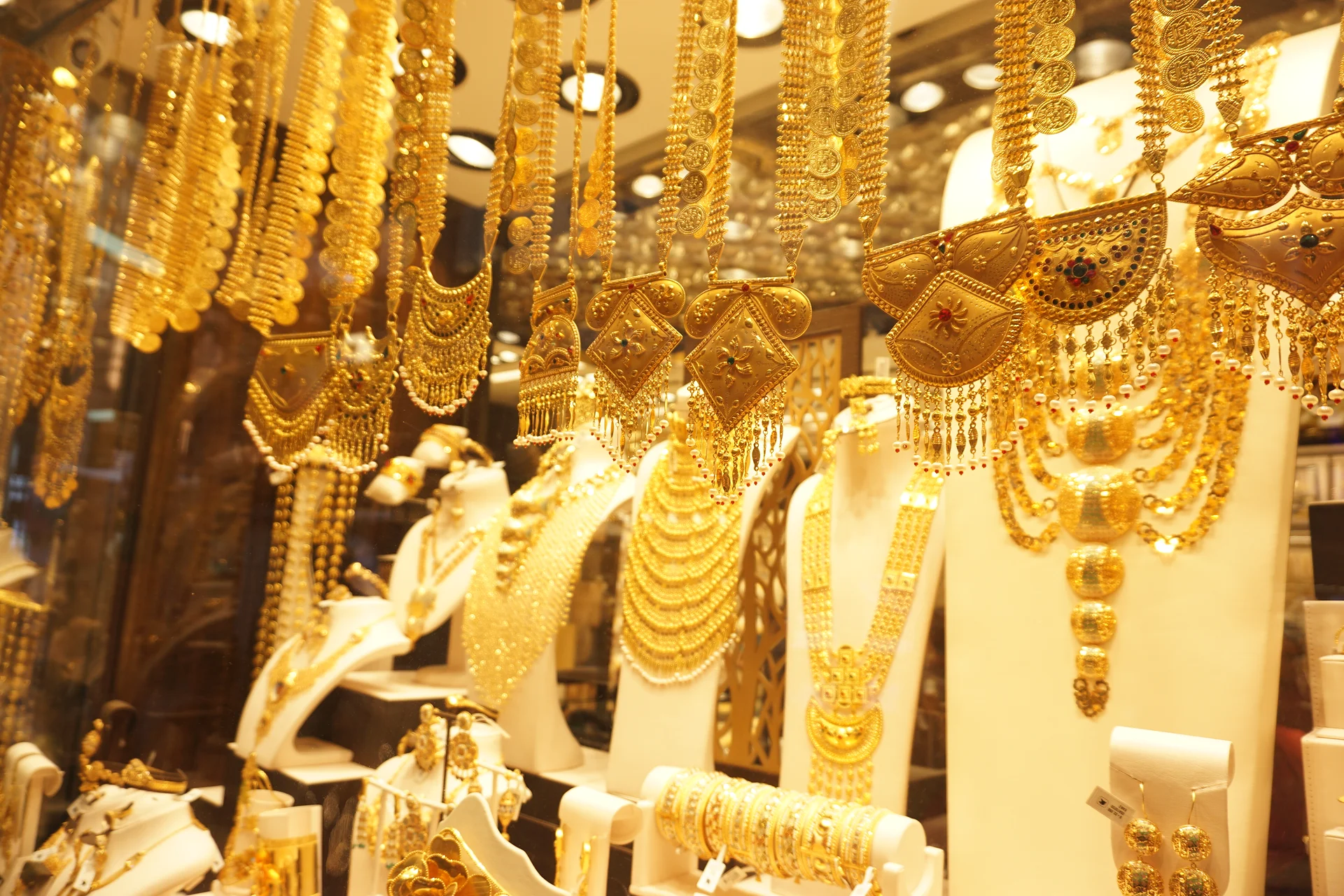
- Counterfeit watches and bags in some souks; gold in the Gold Souk is sold by weight at the day's rate, and worth comparing between shops.
Mistakes couples make
Disappointment almost always comes from the season, the dress code or a quote read too fast. A good trip leaves time for the pool, the evenings and one day with no plan.
- Going in July or August for the beach: 108°F (42°C) and saturated air, which turn the day into a shuffle from pool to mall.
- Planning outdoor visits between 11am and 4pm outside November to March: go early or late, and stay indoors the rest of the time.
- Booking the first desert trip you find, at the lowest price: a licensed operator caps the vehicles per camp and gives a receipt.
- Sleeping in Sharjah or Ajman to save money: alcohol is banned in Sharjah, and each round trip costs an hour in traffic.
- Reading the hotel price without its fees: nearly 23% in taxes and the "tourism dirham" are added to the base rate.
- Visiting souks and mosques in shorts and tank tops: shoulders and knees covered.
- Kissing or embracing in a mall or on a public beach: keep those gestures for the room.
- Skipping Old Dubai: without it, you see only skyscrapers; half a day in Al Fahidi and on the creek is enough.
Frequently asked questions
Is Dubai a good destination for a couple?
Yes, for a comfortable stay: the desert at sunset, hotel beaches, terraces facing the fountain and an old quarter to cross by abra. Dress and public-behavior rules are stricter than in the US or UK, but easy to follow.
Do Americans and Britons need a visa for Dubai?
Not in advance: US, Canadian, UK and Irish passport holders are granted entry on arrival at passport control, free, for a tourist stay. The length of stay and conditions can change, so check the federal authority's site (icp.gov.ae) before booking; your passport must be valid for six months after arrival.
What is the best time to visit Dubai?
November to March: 75-86°F (24-30°C) by day, a sea at 72-81°F (22-27°C) and clear skies. Mid-November, February and early March balance weather and prices best; the Christmas and New Year week costs two to three times more.
How many days do you need in Dubai as a couple?
Four full days cover Downtown and the Burj Khalifa, Old Dubai, the desert at sunset, the Marina and the Palm. With three days, keep the desert, the tower and Old Dubai. Abu Dhabi needs one more day.
Can you drink alcohol, and what should you wear in Dubai?
Alcohol is served in hotels and licensed restaurants, never in the street or on the beach, and the drink-driving limit is zero. In town, cover shoulders and knees; swimwear is for the pool and the beach only.
Can you visit Dubai during Ramadan?
Yes: the city stays open and hotels are often cheaper. In daylight, avoid eating, drinking and smoking in public; hotel and mall restaurants serve, sometimes behind a screen, and the iftar evenings are worth it.