Tokyo for couples: what to know before you go (2026)
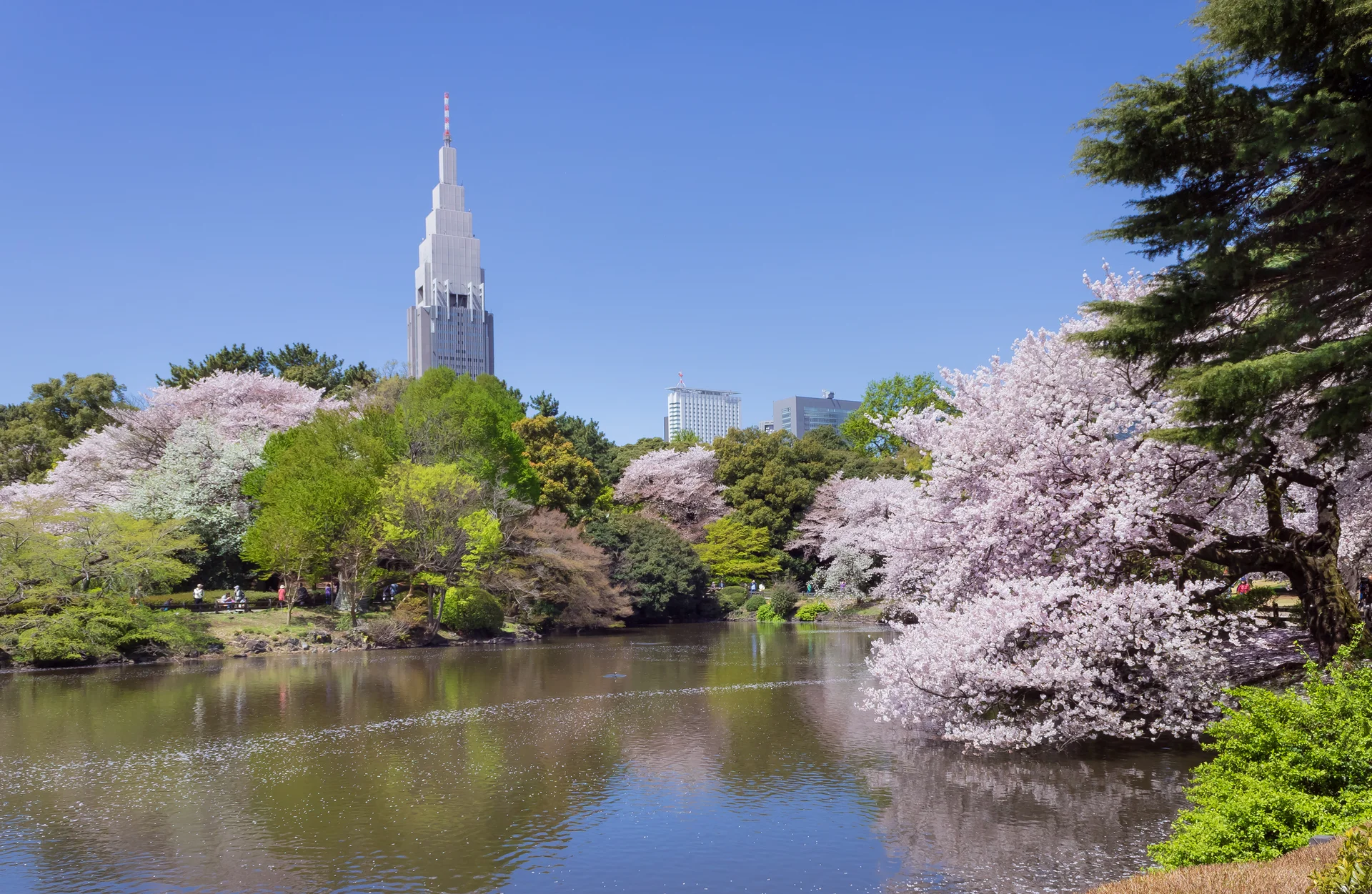
In Tokyo, shrines open at dawn and the best sushi counters seat eight: two limits that shape a trip for two. Jet lag wakes you around 4am, just in time for an empty Meiji Jingu, a convenience-store breakfast and the first train; the rest of the day is one district (Asakusa, Yanaka, Ginza or Shibuya) and a dinner booked ahead. Three things to settle before you leave: the passport (no visa needed), the sushi tables, and a hotel within five minutes of a major station.
At a glance
- When to go
- Late March to early April for cherry blossoms, October to early November for clear skies: 50 to 73°F (10 to 23 °C). June and July are rainy, August sweltering, September exposed to typhoons.
- How many days
- Four full days, one district a day, without rushing: plan five nights at least to absorb the flight and the jet lag; a fifth day allows a visit to Kamakura, or a night in Hakone.
- Which area
- Shinjuku for a first visit, Asakusa and Yanaka for old Tokyo, Ginza for quiet and fine tables, Ebisu for the Nakameguro river.
- Budget for two
- About $1,800 for four nights in comfort, hotel, meals, sights and transport included, flights excluded: the hotel is over half of it, and an izakaya dinner for two runs $56 to $90.
- The moment for two
- Sunset from Shibuya Sky, or the lit-up city from the free observation deck at Shinjuku city hall, then dinner in an izakaya alley.
- Book ahead
- Sushi counters and Ginza bars two to four weeks ahead, the Shibuya Sky sunset slot the day sales open, fourteen days out; everything else the day before.
Why Tokyo for two
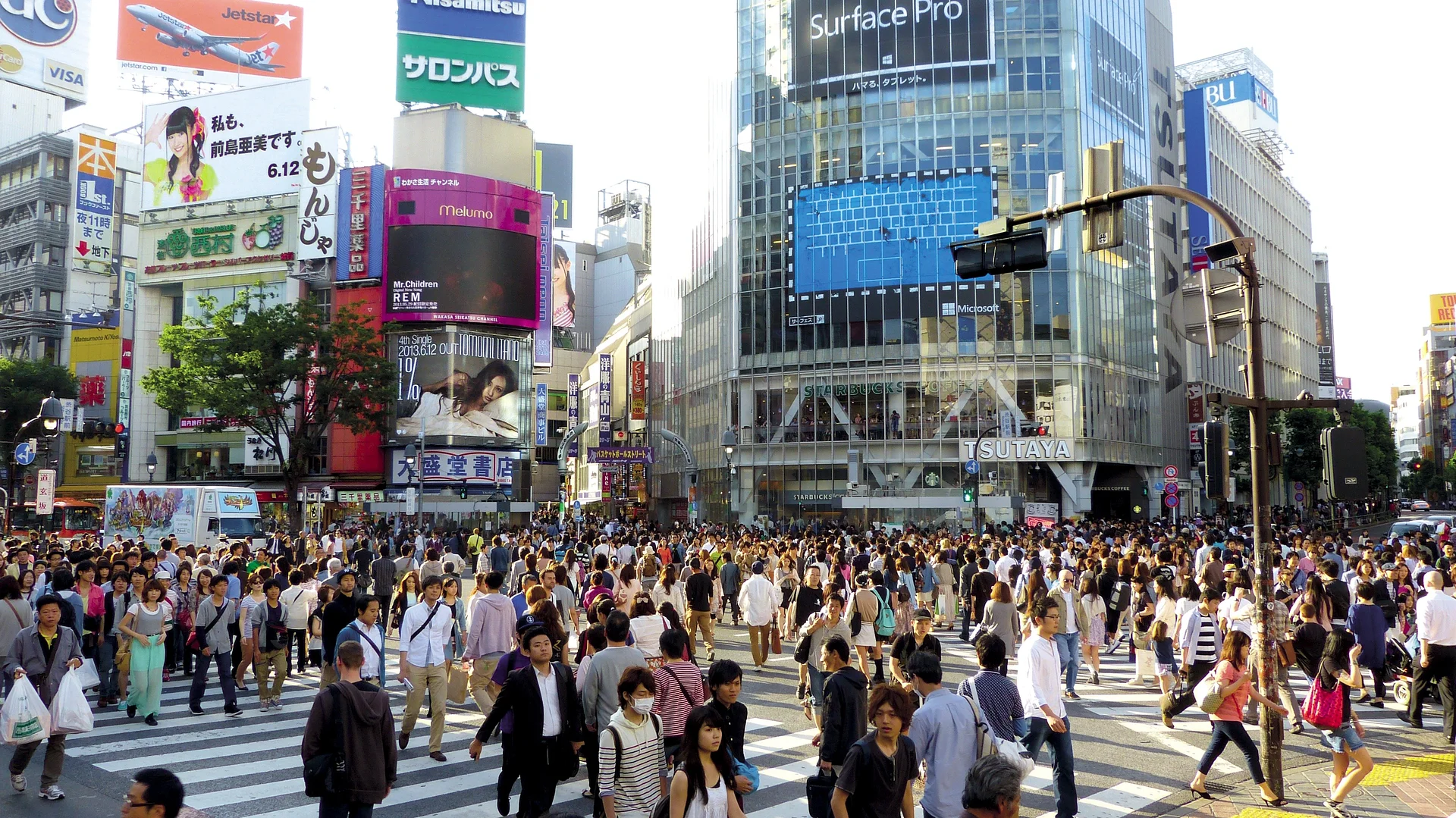
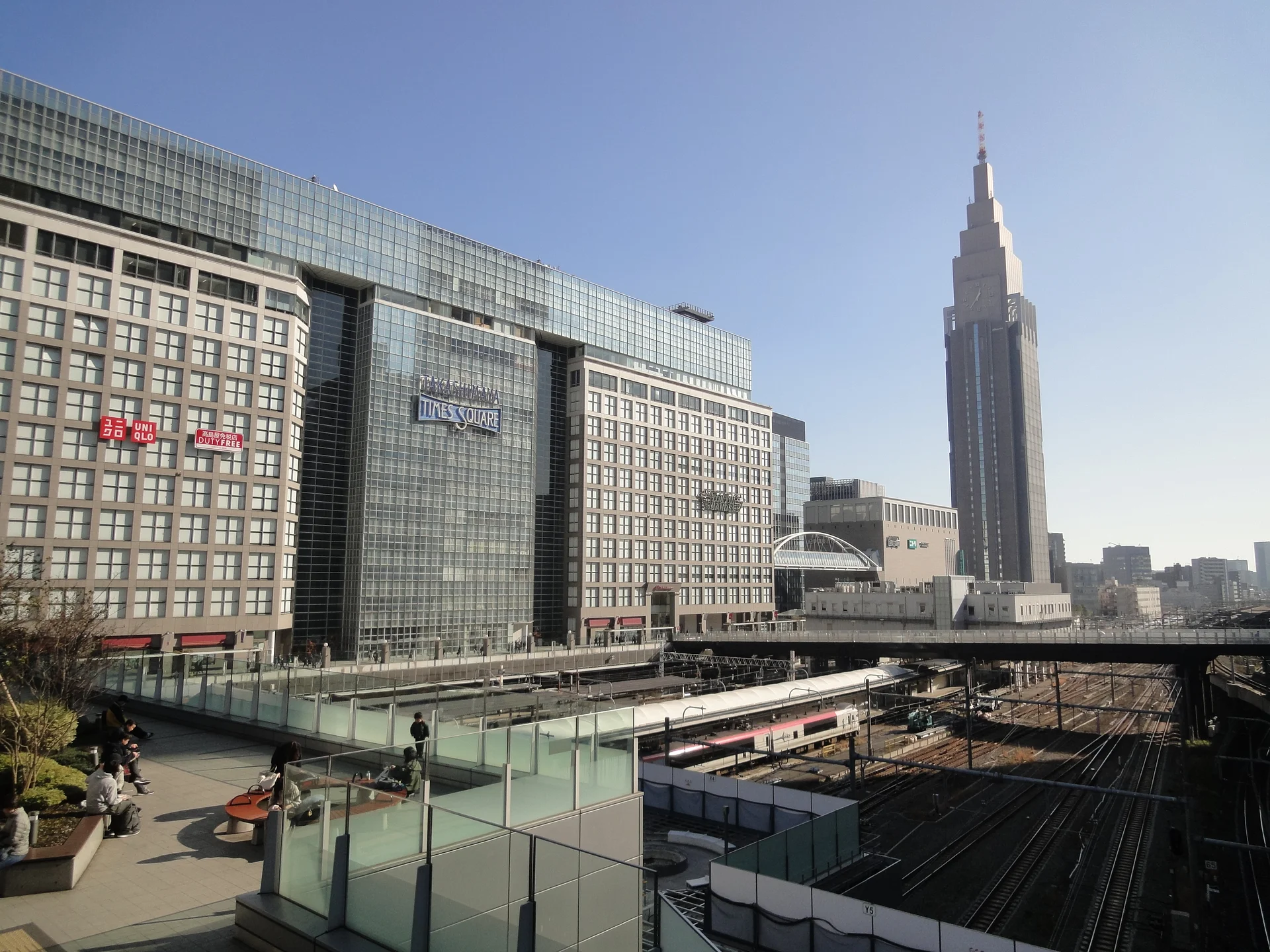
Tokyo breaks down into stations, and each station is a city: Shinjuku and its towers, Shibuya and its crossing, Ginza and its silk shops, Asakusa and its temple. A couple gains by picking one district a day rather than a list of monuments, and by ending each evening in one place: a sushi counter, a six-seat izakaya alley, the city lit up from a high floor.
Three things make the trip easy for a couple from the US or the UK. The city is very safe, even late at night. Trains run to the minute, from 5am to midnight. And jet lag, which wakes you at dawn for the first days, lands right when the shrines open and the streets are still empty.
When to go
| Period | Weather | Crowds | Our take |
|---|---|---|---|
| Late March to early April | 41 to 64°F (5 to 18 °C); cherry blossoms for one to two weeks | Very heavy | The pink city, but full hotels and high prices |
| Mid-April to May | 54 to 77°F (12 to 25 °C), a few showers; wisteria and azaleas | Heavy during Golden Week (April 29 to May 5) | Long days and gardens in bloom, outside Golden Week |
| June to mid-July | 68 to 82°F (20 to 28 °C), frequent rain, very humid | Light | Rainy season: hydrangeas and low prices, gray skies |
| Mid-July to August | 81 to 95°F (27 to 35 °C), sweltering, thunderstorms | Moderate, heavy in mid-August | Fireworks on the Sumida, but heavy heat |
| September | 75 to 86°F (24 to 30 °C); typhoon risk | Moderate | The heat eases, but a typhoon can stop the trains |
| October to November | 50 to 73°F (10 to 23 °C), clear skies | Heavy in late November | Our favorite: clear skies, yellow and red leaves in late November |
| December to February | 36 to 54°F (2 to 12 °C), dry and sunny | Light, except at New Year | Mount Fuji in view, winter lights; shops closed January 1 to 3 |
A few dates on the calendar change crowds and prices. Golden Week (April 29 to May 5) and the mid-August holidays fill trains and hotels; New Year (January 1 to 3) closes many shops and restaurants and brings a crowd to Meiji Jingu and Senso-ji. The Sanja Matsuri, Asakusa's festival, takes over a weekend in May. On the last Saturday of July, the Sumida fireworks draw hundreds of thousands of spectators. From August to October a typhoon can halt trains and flights for a day: keep a spare day and follow the Japan Meteorological Agency.
Paperwork: passport, entering Japan, health
| Documents | Visa | Health | |
|---|---|---|---|
| United States | Passport valid for your whole stay | No visa for a tourist stay of up to 90 days | Travel insurance with medical cover: Medicare does not cover Japan, and most US plans pay little abroad |
| United Kingdom | Passport valid for your whole stay | No visa for a tourist stay of up to 90 days | Travel insurance with medical cover: the GHIC is not valid in Japan |
| Canada | Passport valid for your whole stay | No visa for a tourist stay of up to 90 days | Travel insurance with medical cover: provincial plans repay little abroad |
Before the flight: a free form
Visit Japan Web, the Japanese government's site, records your immigration and customs details online and issues a QR code to show on arrival. It is optional and free, and it saves time on a busy morning: fill it in on your phone the day before the flight, passport in hand, and beware of sites that charge for the step. Japan's departure tax is included in the price of your plane ticket.
On arrival
At immigration, the officer takes your fingerprints and photo, then asks for the address of your first hotel and the length of your stay: write them down before landing. Foreign visitors must carry their passport at all times, and police can ask to see it during a check.
Medications
Japan bans or restricts medicines that are common in the US and the UK: decongestants with pseudoephedrine (Sudafed), Adderall and other ADHD stimulants, some codeine pain relievers. If either of you takes a regular treatment, check it before booking on the Japanese embassy's website, and carry the prescription, in the original packaging, for the length of the stay.
How to get there
By air from the US and the UK
| From | Duration | Good to know |
|---|---|---|
| New York, Boston, Chicago | 13h to 14h30 | Nonstops to Haneda and Narita |
| Dallas, Houston, Atlanta | 13h to 15h | Nonstops to Haneda and Narita |
| Los Angeles, San Francisco, Seattle | 10h to 11h30 | Several nonstops a day, mostly overnight |
| London | ~14h | Nonstops to Haneda |
Two airports serve the city. Haneda (HND), 9 miles (15 km) from downtown, is the more practical: the train reaches Shinagawa in a quarter of an hour and Asakusa in 40 minutes. Narita (NRT), 37 miles (60 km) away, takes more time and more money to reach the center: compare the airfare with the trip to your hotel. Both trips are detailed below, in “From the airport to your hotel”.
Continuing to Kyoto
The Shinkansen links Tokyo to Kyoto in about 2h15: a day trip there and back is possible but leaves little time for either city. The nationwide Japan Rail Pass, now expensive, no longer pays off for a single Tokyo-Kyoto round trip: compare it with two tickets before you buy it.
Practical things to know before you go
Phone
Most US carriers sell an international day pass, around $12 a day, which adds up over a week; UK plans do not roam in Japan at no extra cost. A travel eSIM for the week costs less. The network covers the whole subway, but public Wi-Fi is patchy: keep your phone's data on for Google Maps, which you need for train routes, and for Google Translate, whose camera reads Japanese menus.
Money and tipping
- Japan is still a cash country: small izakaya, shrines, public baths, ticket-machine ramen shops and some markets take only coins and bills. Hotels, department stores, convenience stores and most restaurants take cards, contactless included.
- Withdraw yen at the ATMs of 7-Eleven stores or Japan Post, open 24 hours and compatible with foreign cards; many bank ATMs refuse them. Bring a small coin purse.
- No tipping, ever: not at restaurants, not in taxis, not at hotels, which is a big change for Americans. A bill left on the table is handed back to you, sometimes at a run. A few restaurants and luxury hotels add a 10 to 15% service charge, and some izakaya bill a small appetizer (otoshi) per person.
- Department stores and some shops refund the sales tax on presentation of your passport; the rules change (refund at departure after a customs check), so ask in the shop before you pay.
Jet lag
Tokyo is 13 to 14 hours ahead of New York, 16 to 17 hours ahead of Los Angeles and 8 to 9 hours ahead of London, and Japan does not change its clocks. Flying east is the hard direction: on arrival, stay outside in the daylight, do not sleep before 9pm and keep the first day for a shrine, a public bath and a simple dinner. You will wake around 4am or 5am for two or three mornings: that is the hour of Meiji Jingu, Senso-ji and the Tsukiji market, almost deserted. On the way home, the gap weighs less.
Plugs, water and what to wear
- Type A outlets (two flat pins) at 100 volts: American plugs fit, and US devices work without an adapter. UK visitors need an adapter; phone and laptop chargers accept 100 to 240 volts, but a UK hair dryer or straightener at 230 volts barely heats, and the hotel lends one.
- Tap water is safe to drink everywhere. Restaurants serve a free glass of ice water as soon as you sit down.
- You take your shoes off in Japanese inns, some tatami restaurants and changing rooms: clean socks with no holes, and shoes that slip off easily. Carry a small handkerchief: few restrooms have hand dryers.
- Trash cans are rare on the street: keep your garbage in a bag until the hotel or a convenience-store bin. A $4.50 umbrella is sold in every convenience store, and a typical day means 9 to 12 miles (15 to 20 km) on foot: good shoes.
What to book, and how far ahead
In Tokyo, what sells ahead of time is what has few seats: sushi counters, Ginza bars, sunset from a terrace, an inn with a private bath. The rest you buy the day before, or on the spot.
| What | Price / pers. | Book | Good to know |
|---|---|---|---|
| Sushi counter, chef's menu | $68 to $210 | 2 to 4 weeks ahead | Through the hotel concierge or a booking platform; late cancellations are billed |
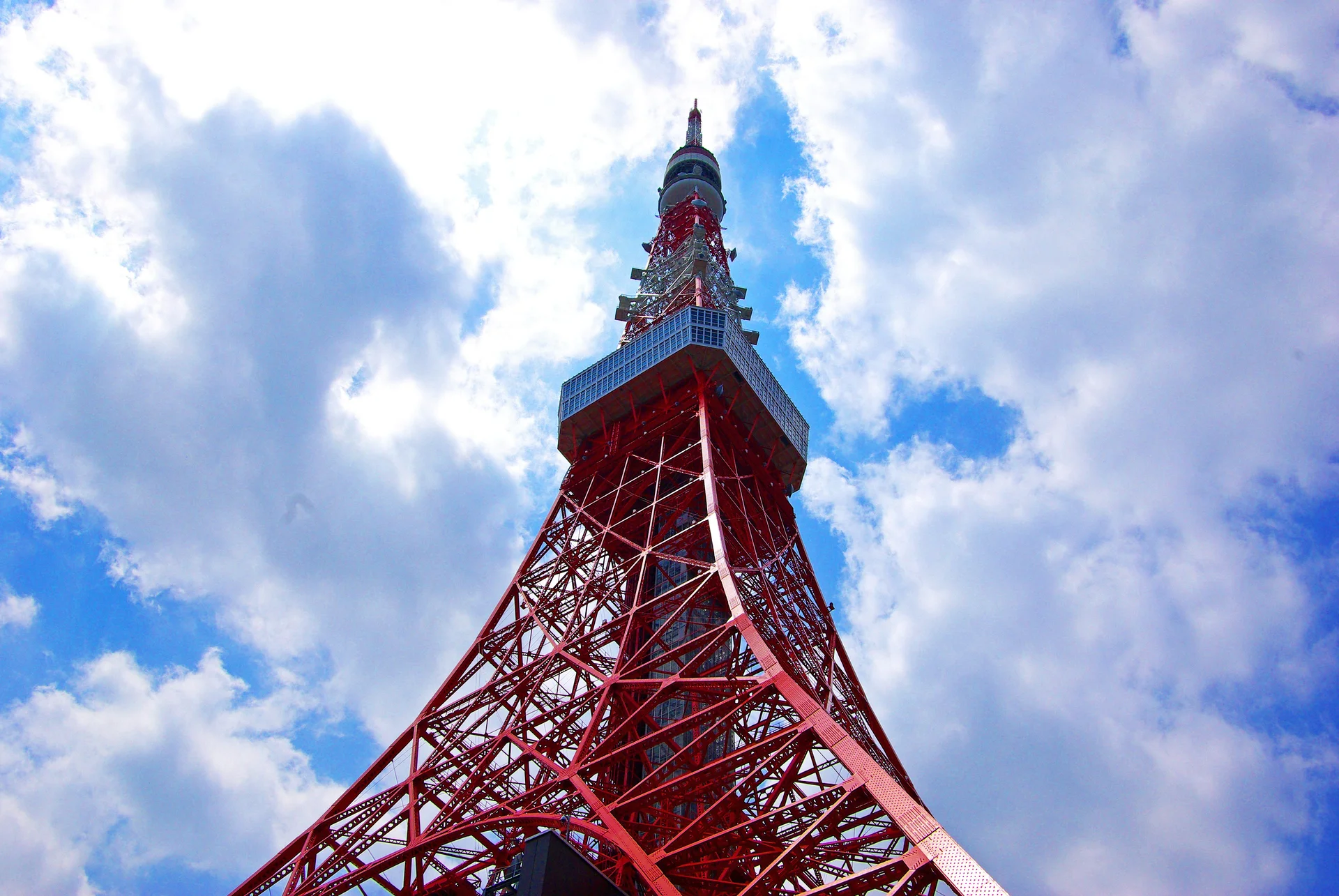
| Shibuya Sky | ~$18 to $23 | When sales open, 14 days ahead | The slot an hour before sunset goes first; strong wind closes the terrace |
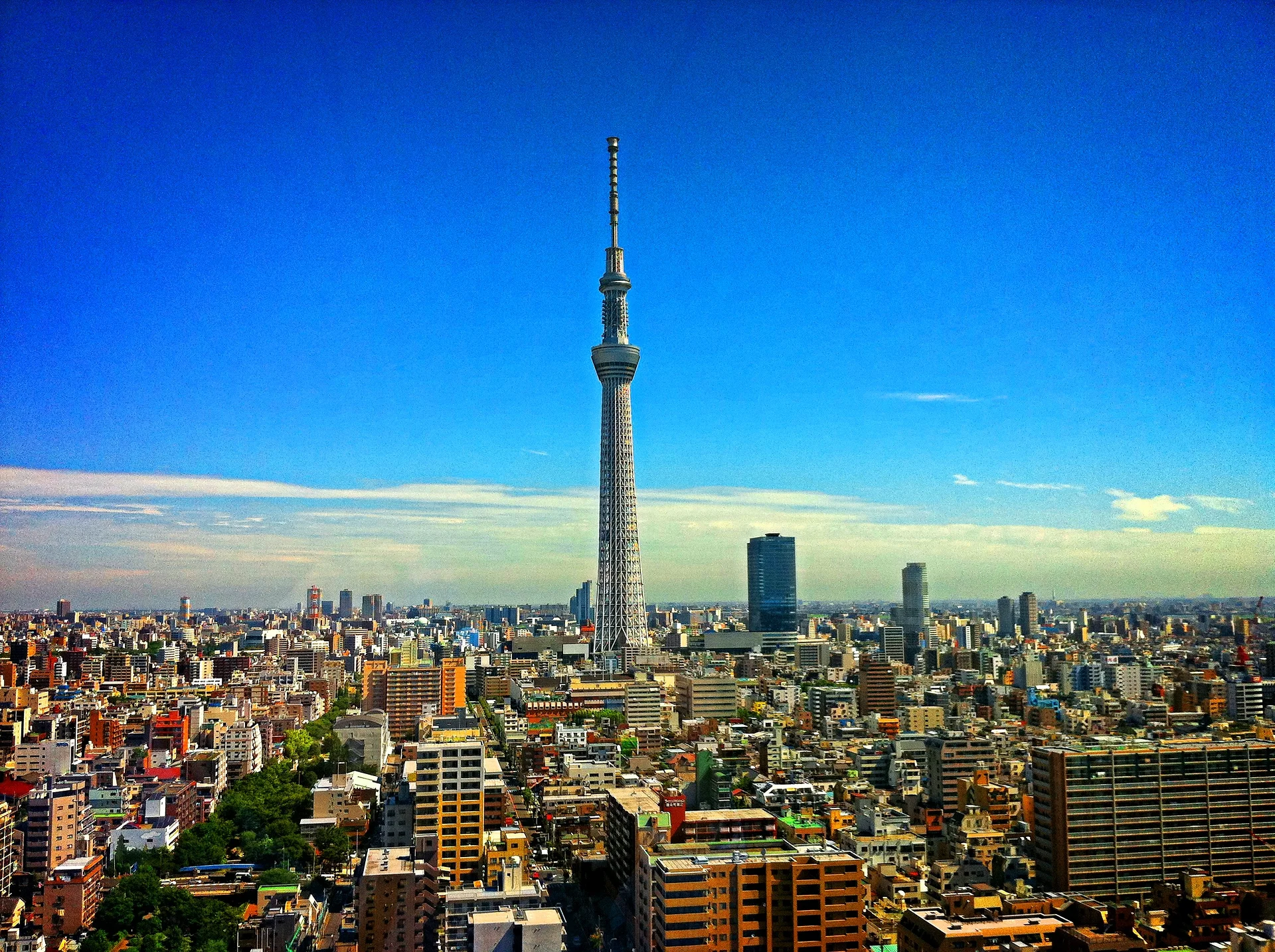
| Tokyo Skytree, upper deck | ~$13 to $18 | A few days ahead | The fixed date-and-time ticket costs less than the counter |
| Ginza bar, hotel bar | 1 to 2 weeks ahead | A couple is easier to seat before 7pm; a cover charge often applies | |
| Popular izakaya | 3 to 7 days ahead | Book online or through the hotel; the table is returned after 2h; do not be late | |
| Inn with a private bath in Hakone | $230 to $560 | 2 to 3 months ahead | The price includes dinner and breakfast; weekends go first |
| Hotel during cherry blossom season | 4 to 5 months ahead | Late March and early April, prices climb; choose a cancellable rate |
From the airport to your hotel
© OpenStreetMap contributors
The two airports and the districts they serve
- Haneda (HND)
- Narita (NRT)
- 1Shinjuku
- 2Shibuya
- 3Ginza
- 4Asakusa
- 5Ueno, Yanaka
- 6Ebisu, Nakameguro
| Destination | Transport | Time | Indicative fare |
|---|---|---|---|
| Shinjuku | Limousine Bus | 35 to 70 min. | ~$9 / pers. |
| Shinjuku | Taxi, flat fare + tolls | 40 to 60 min. | ~$62 / taxi |
| Shibuya | Keikyu then JR Yamanote | ~45 min. | ~$4.50 / pers. |
| Ginza | Keikyu direct, Asakusa line | ~35 min. | ~$4.50 / pers. |
| Asakusa | Keikyu direct, Asakusa line | ~40 min. | ~$4.50 / pers. |
| Ueno, Yanaka | Keikyu then JR Yamanote | ~50 min. | ~$4.50 / pers. |
| Ebisu, Nakameguro | Keikyu then JR Yamanote | ~40 min. | ~$4.50 / pers. |
| Destination | Transport | Time | Indicative fare |
|---|---|---|---|
| Ueno, Yanaka | Keisei Skyliner | ~45 min. | ~$17 / pers. |
| Asakusa | Keisei Access Express | ~60 min. | ~$9 / pers. |
| Shinjuku | Narita Express | ~85 min. | ~$22 / pers. |
| Shinjuku | Taxi, flat fare + tolls | 60 to 90 min. | ~$191 / taxi |
| Shibuya | Narita Express | ~80 min. | ~$22 / pers. |
| Ginza | Narita Express to Tokyo, then subway | ~75 min. | ~$23 / pers. |
| Ebisu, Nakameguro | Narita Express to Shibuya, then JR | ~90 min. | ~$23 / pers. |
At Haneda, the Keikyu line leaves from the terminal basement; its direct trains continue without a change onto the Asakusa line, to Shimbashi, Ginza and Asakusa. At Narita, three trains: the Skyliner, direct and pricier, reaches Ueno; the Access Express reaches Asakusa; the Narita Express serves Tokyo, Shibuya and Shinjuku. The Skyliner and the Narita Express are bought at the ticket counters of the airport station; the other trains are paid with an IC card (see “Getting around”).
Taxis are hailed at the official line outside each terminal; the rear door opens and closes by itself, and no tip is expected. Between 10pm and 5am, the fare is 20% higher. To keep suitcases out of the subway, send them to your hotel with the delivery service (takkyubin) at the arrivals counters: about $17 a bag, delivered the next day.
Getting around
Subway and trains, the IC card first
Tokyo is crossed by train: the Yamanote loop line of JR links the big stations (Shinjuku, Shibuya, Ueno, Tokyo), and the subway lines (Tokyo Metro and Toei) complete the network. Everything is paid with a rechargeable smart card, Suica or Pasmo, which also works at vending machines, convenience stores and lockers. It tops up at machines in every station.
| Ticket | Price | Validity |
|---|---|---|
| Suica or Pasmo, card or iPhone | $1.20 to $3.40 a ride | JR, subways, buses; one card per traveler |
| Welcome Suica, card for visitors | Depends on the credit loaded | 28 days, no deposit; the remaining balance is not refunded |
| Tokyo Subway Ticket, 24h, 48h, 72h | $6.80, $11, $14 | Tokyo Metro and Toei only, not JR; worth it from 5 to 6 rides |
| Taxi | ~$3.40 to start | 20% more from 10pm to 5am |
| Sumida river bus | ~$7.90 | Asakusa to Hama-rikyu, in 35 to 40 min. |
An iPhone adds a Suica or Pasmo card in the Wallet app, with no physical card, and tops up with Apple Pay. On an Android phone, buy the physical card on arrival at the airport: stock at the counters varies, and the Welcome Suica or Pasmo Passport card fills the gap.
Stations, rush hours, taxis
- Trains run from about 5am to midnight, with no night train: a missed last train is paid for in a taxi. Google Maps shows the last departure of each line.
- Stations have dozens of numbered exits (more than 200 at Shinjuku): find your hotel's exit before you come up to the street.
- From 7:30am to 9:30am and from 5:30pm to 7:30pm the cars are packed: avoid them with a suitcase. On escalators, you stand on the left in Tokyo and let people pass on the right.
- Several lines reserve a car for women at rush hour, marked with a pink sign on the platform.
Budget for two
The hotel weighs the most, but Tokyo stays affordable once the room is paid: an izakaya dinner, a sushi lunch and train rides cost little. The table prices four nights for two, flights excluded.
| Smart | Comfort | Treat | |
|---|---|---|---|
| Hotel, per night | $101 to $168 | $210 to $340 | from $560 |
| Meals, per day for two | $56 | $124 | $340 |
| Sights and baths for the stay | $45 | $135 | $340 |
| Transport for the stay | $34 | $56 | $168 by taxi |
| Total for four nights | $840 | $1,800 | $4,150 |
Rooms cost almost double during the cherry blossoms, Golden Week, at Christmas and at New Year. A city lodging tax is added to the bill, and displayed prices almost always include sales tax.
Reference prices
| Item | Price |
|---|---|
| Bowl of ramen at a small shop | $6.80 to $12 |
| Onigiri or convenience-store sandwich | $1.20 to $3.40 |
| Coffee at a neighborhood café | $3.40 to $5.60 |
| Dinner for two at an izakaya, with drinks | $56 to $90 |
| Sushi lunch at the counter, per person | $34 to $68 |
| Sushi dinner at the counter, per person | $101 to $230 |
| Cocktail at a Ginza bar | $14 to $23, plus a cover charge |
| Draft beer at an izakaya | $4.50 to $6.80 |
| Public bath admission | ~$3.40 |
| Taxi for 2 miles (3 km) | ~$14 |
What to taste
In Tokyo, every dish has its house, often an eight-seat counter where the cook does one thing. You eat well by following the dish rather than the address: sushi at noon, skewers at six, a bowl of noodles at midnight.
At the table
-
Sushi
Vinegared rice and fish cut to order, at the counter, one piece at a time. The chef's menu (omakase) lets the cook choose; lunch costs half as much as dinner.
-
Ramen
Noodles in a pork, soy or fish broth. You buy a ticket at the machine by the door, sit at the counter and pour yourself ice water.
-
Yakitori
Chicken skewers grilled over charcoal, seasoned with salt or sauce, with a beer: the meal of the alleys under the railway tracks.
-
Tempura and eel
Light fritters of vegetables and shrimp, or glazed grilled eel (unagi) on rice: the houses of Asakusa have served them for more than a century.
-
The convenience store (konbini)
Onigiri rice balls with salmon, an egg sandwich, a cup of coffee: the city's breakfast, open 24 hours, for $3.40 for two.
-
Wagashi
Japanese sweets of red bean paste and rice, served with green tea; the department stores of Ginza sell them in their basements.
In the glass
-
Sake
A rice wine served cold or warm, in a small carafe; the sake bars of Ginza and Shinjuku offer tastings of three glasses.
-
Highball and Japanese whisky
Whisky topped with sparkling water, served ice cold: the izakaya drink, $4.50 to $6.80. The bars of Ginza pour the great brands by the glass.
-
Draft beer
A light, very cold pint, ordered first (toriaezu nama, “a draft to start”) as soon as you sit down.
-
Green tea and matcha
A whisked powdered tea in a tea room, with a pastry; the Hama-rikyu gardens serve it on a pond.
-
Chuhai and umeshu
A potato or wheat spirit topped with citrus, and a plum liqueur, drunk on ice or with sparkling water.
-
Vending machines
Iced tea, hot or cold coffee, water, in cans or bottles, on every corner, for $1.20 to $2.30.
Customs and rules to know
Tokyo says what it expects through gestures more than words: silence on the subway, the line on the platform, the tray where you set your money. A few manners are appreciated: speak softly, leave nothing behind, say sumimasen instead of squeezing past.
| Rule | What awaits you |
|---|---|
| Smoking on the street | Banned in most central districts, outside signed smoking areas |
| Eating while walking | Frowned on: you eat at the stall or at the spot provided |
| Talking on the phone on the subway | Frowned on: set your phone to silent |
| A visible tattoo at a public bath | Refused at some baths: ask before you pay |
- You greet with a slight bow of the head and do not offer a handshake. At the register, you set money on the tray, not in the cashier's hand.
- At the table, chopsticks never stand upright in rice and never pass food from chopsticks to chopsticks. Before eating, you say itadakimasu; on leaving, gochisōsama deshita; to toast, kampai.
- At a Shinto shrine, you bow at the gate (torii), walk at the side of the path, rinse your hands at the fountain, bow twice, clap twice, then bow once more. At a Buddhist temple, you simply join your hands.
- A couple can hold hands and nobody minds; lingering kisses in public make people uneasy.
- Say arigatō gozaimasu (thank you), onegaishimasu (please), oishii (delicious): a few words please people, even badly pronounced.
At the public bath
The neighborhood public bath (sento) costs about $3.40 and welcomes everyone. Men and women bathe separately: you meet again at the exit, in the lounge, often over a bottle of cold milk. You undress completely, wash seated on a stool before entering the water, tie up long hair and keep the small towel out of the bath. A visible tattoo can get you refused: some baths accept it, others ask for a bandage; ask at the entrance. For a bath for two, choose an inn whose private bath can be booked by a couple, as in Hakone.
Safety
Few very big cities are as safe as Tokyo: you can walk at 2am and lost items are almost always returned. The risks are elsewhere: bars that trap tourists, crowds, earthquakes, typhoons and heat.
- In Kabukicho (Shinjuku) and Roppongi, do not follow touts who approach you for a bar or a hostess club: the bill reaches hundreds of dollars. Accept no drink from a stranger, and read the price and cover charge before you sit down.
- In Golden Gai, the cover charge (~$3.40 to $11 per person) is posted on each bar's door; some bars take only regulars, and a sign says so.
- In the crowds of Shibuya, Shinjuku and Asakusa, keep your phone and wallet in a zipped pocket: pickpocketing is rare but happens. A lost item is reported at the koban (neighborhood police box) or the station counter.
- Japan is an earthquake zone. If the ground shakes, move away from windows, protect your head under a table and do not run outside; follow the hotel's instructions. The Safety tips app from the Japan tourism office sends alerts in several languages.
- From August to October a typhoon can stop trains and flights for a day: follow the Japan Meteorological Agency. In summer the heat tops 95°F (35 °C): drink before you are thirsty, vending machines are everywhere.
Mistakes to avoid as a couple
A trip to Tokyo rarely goes wrong because of the city itself: it is a plan that crosses town several times a day, a sushi table never booked, or a hotel too far from a station. Tokyo gives itself in the districts where you linger.
- Trying to see everything: the city stretches for 56 miles (90 km), and two districts a day are plenty. One district in the morning, another in the evening, with the subway between the two.
- Arriving with no table booked: the best sushi counters and the bars of Ginza fill two to four weeks ahead, and a popular izakaya turns away anyone who has not booked.
- Leaving without cash: small izakaya, shrines and public baths do not take cards. Withdraw yen on arrival.
- Counting on the last train: after midnight, only taxis run, at 20% more. Check the last departure before dinner far from the hotel.
- Choosing a hotel far from a station: in June rain or 95°F (35 °C) heat, ten minutes' walk costs more than the $34 you save per night.
- Planning a Monday in the gardens: Shinjuku Gyoen and the East Gardens of the Imperial Palace are closed on Mondays, and several museums too.
Frequently asked questions
Is Tokyo a good destination for a romantic trip?
Yes: shrines at dawn, the Meguro river, a sushi counter, the izakaya alleys and the city lit up from a high floor are all made for two, and the city is very safe. The points to watch are the price of the hotel, the crowds at the big crossings and the touts of Kabukicho.
How many days do you need in Tokyo as a couple?
Four full days cover Meiji Jingu and Shibuya, Asakusa and Ginza, Yanaka and Nakameguro, then Tsukiji and Shinjuku. With three days, keep Meiji Jingu, Asakusa and Shibuya Sky. To absorb the flight and the jet lag, plan five nights.
Do you need a visa for Tokyo?
No, for a tourist stay of up to 90 days if you travel from the US, the UK or Canada: a passport valid for your whole stay is enough. The free Visit Japan Web form saves time on arrival.
How much does a trip to Tokyo cost for two?
Plan on about $1,800 for four nights in comfort, with a central hotel, meals, sights and transport, flights excluded. A smart budget stays around $840 with a business hotel and izakaya meals; a treat trip tops $4,150.
Haneda or Narita: which airport should you choose?
Haneda, if you have the choice: it is 9 miles (15 km) from the center, and the Keikyu line reaches Shimbashi, Ginza and Asakusa with no change in 35 to 40 minutes. Narita is 37 miles (60 km) out, with the Skyliner to Ueno in 45 minutes and the Narita Express to Tokyo, Shibuya and Shinjuku; compare the airfare with the time lost.
When can you see the cherry blossoms in Tokyo?
From late March to early April, for one to two weeks; the dates change every year and forecasts firm up a month ahead. The best spots are the Meguro river, Ueno Park, Shinjuku Gyoen and the moats of the Imperial Palace. Book the hotel four to five months ahead and keep a spare day for rain.