New York for couples: know before you go (2026)
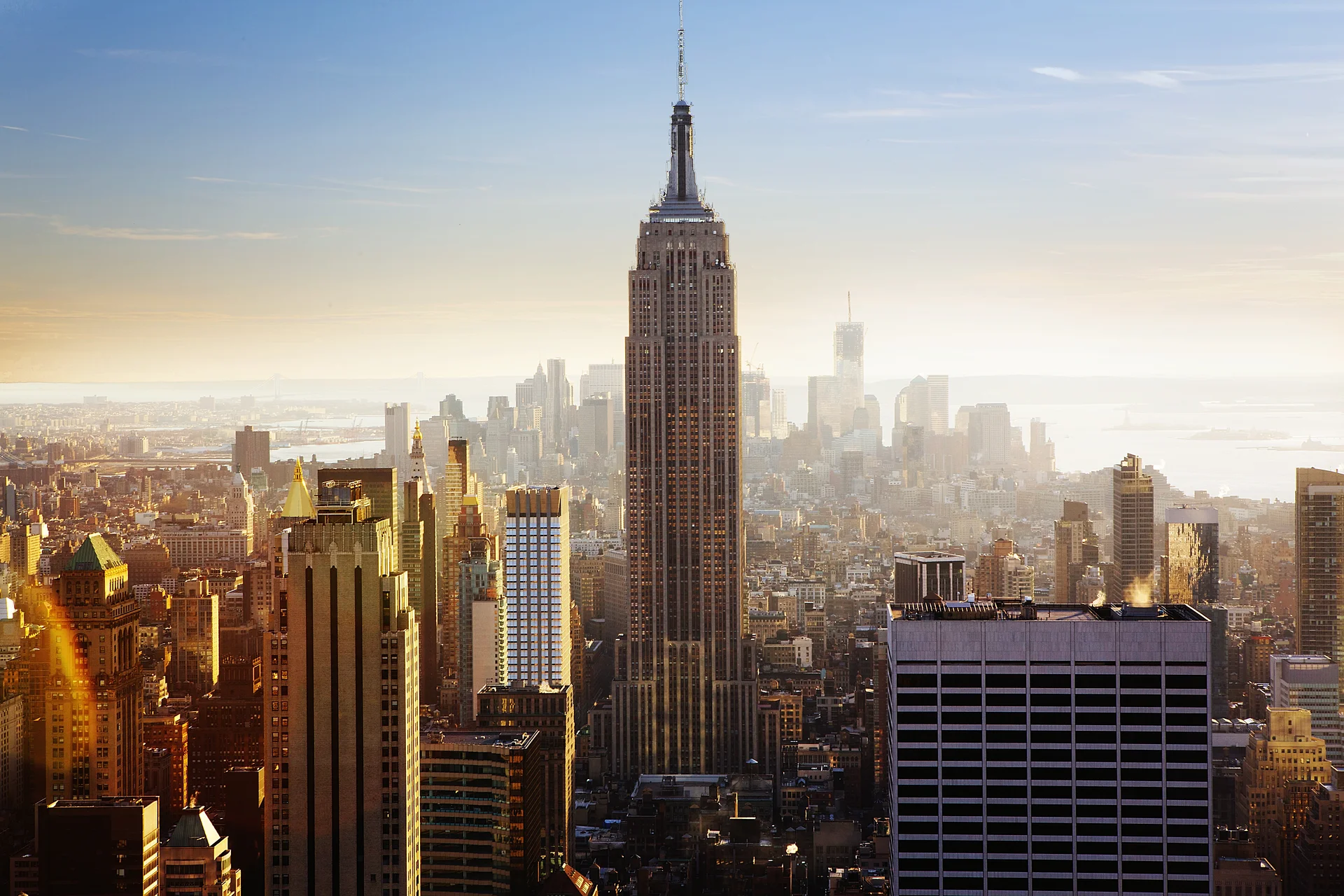
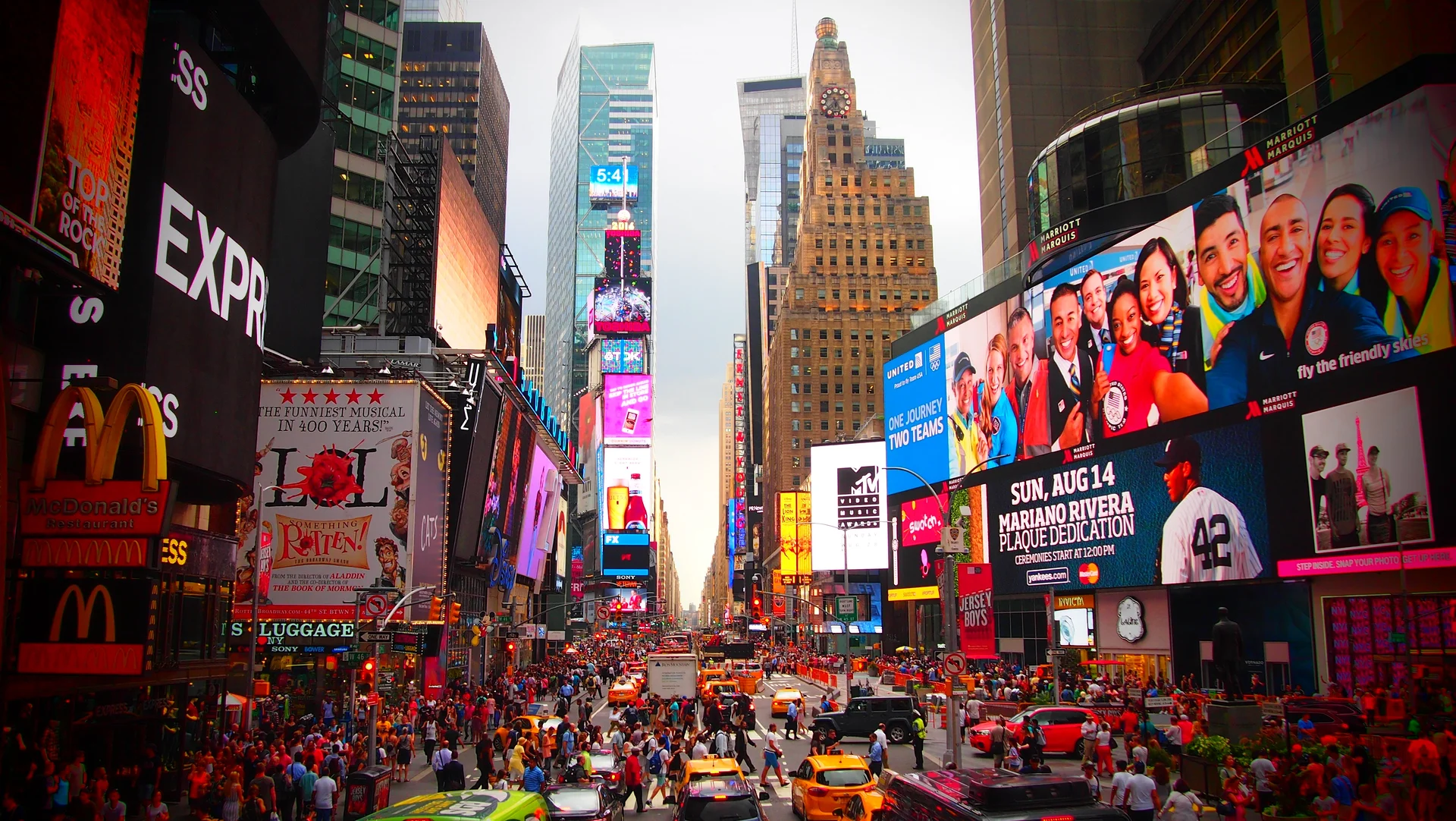
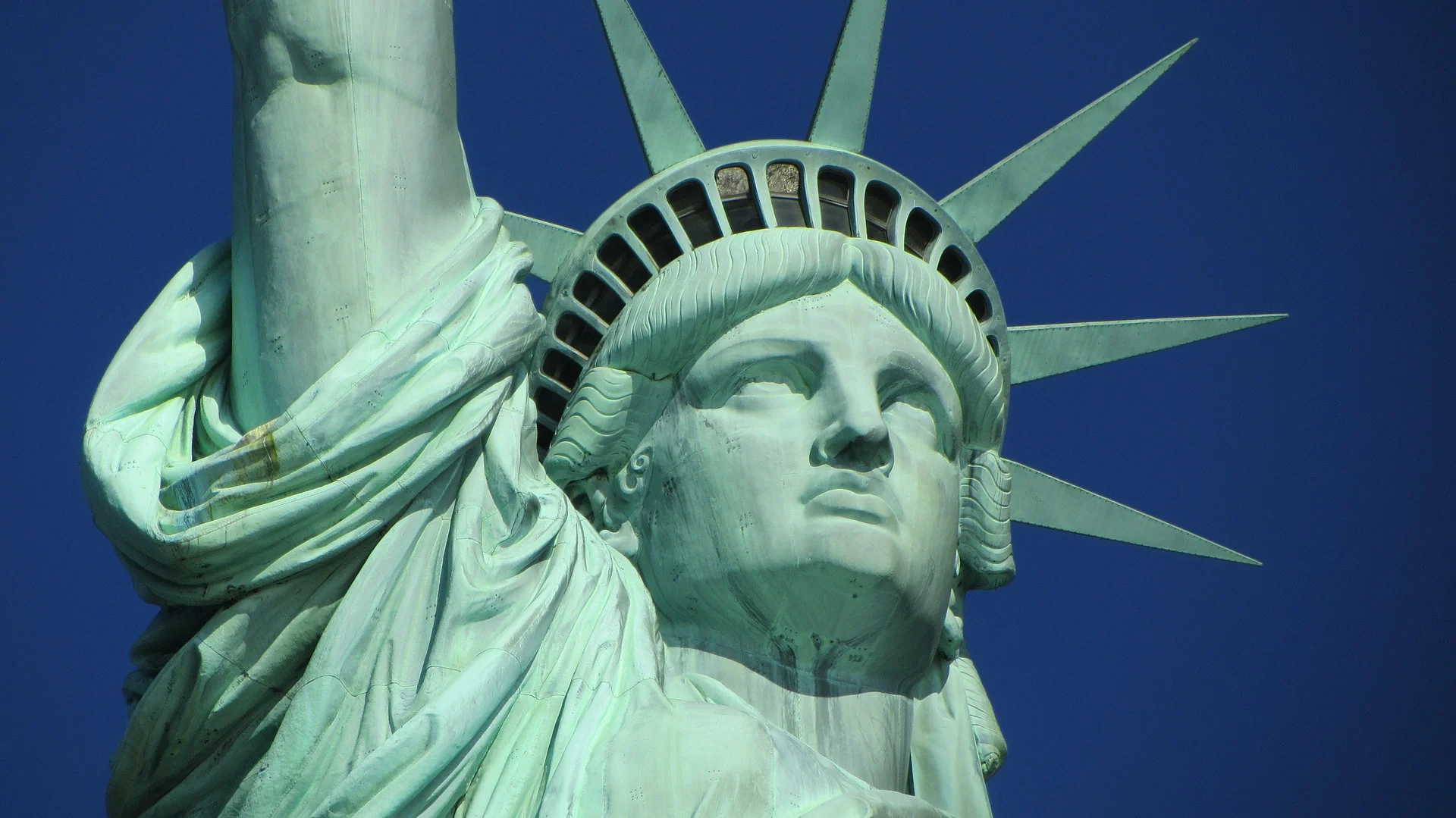
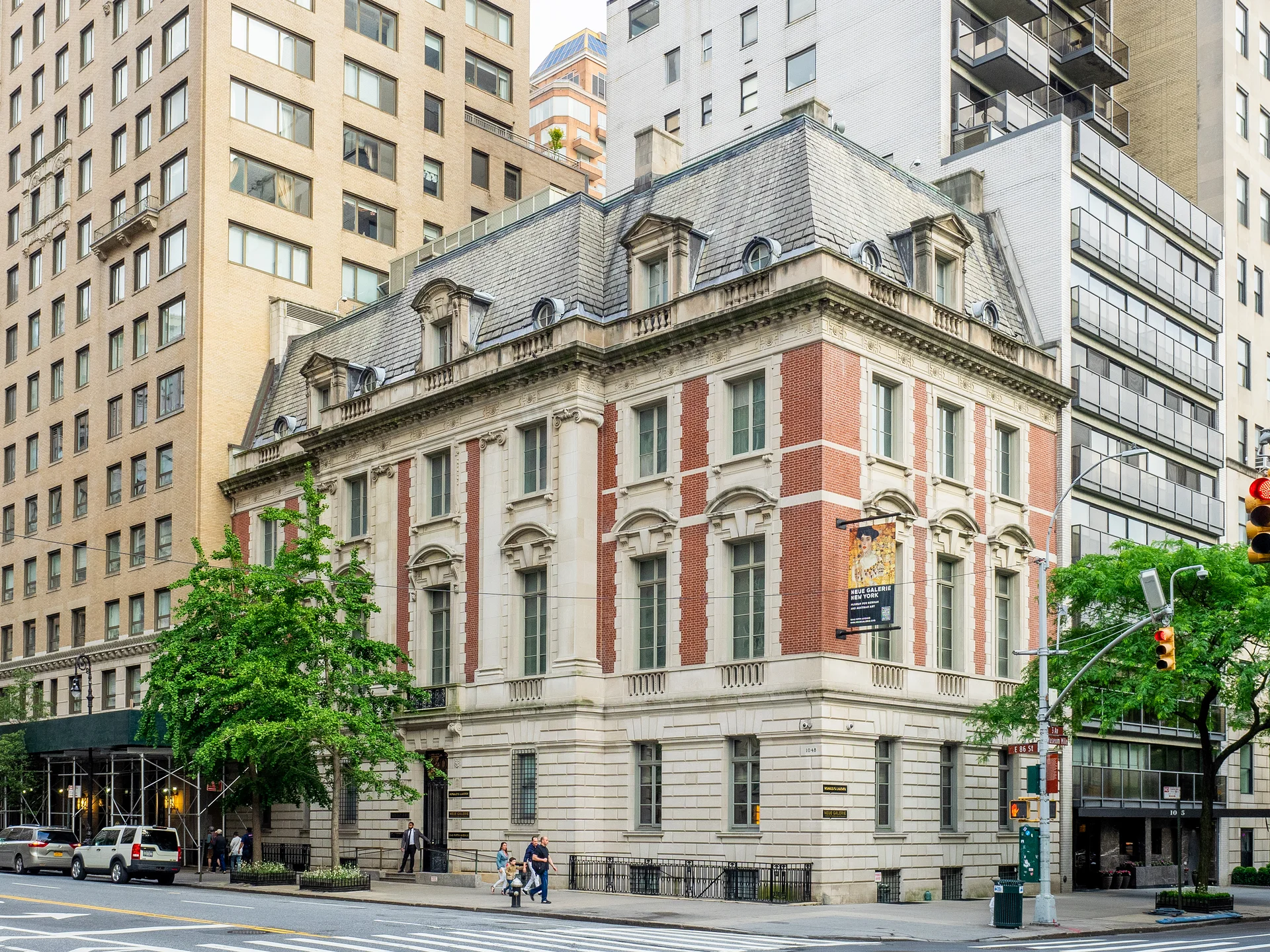
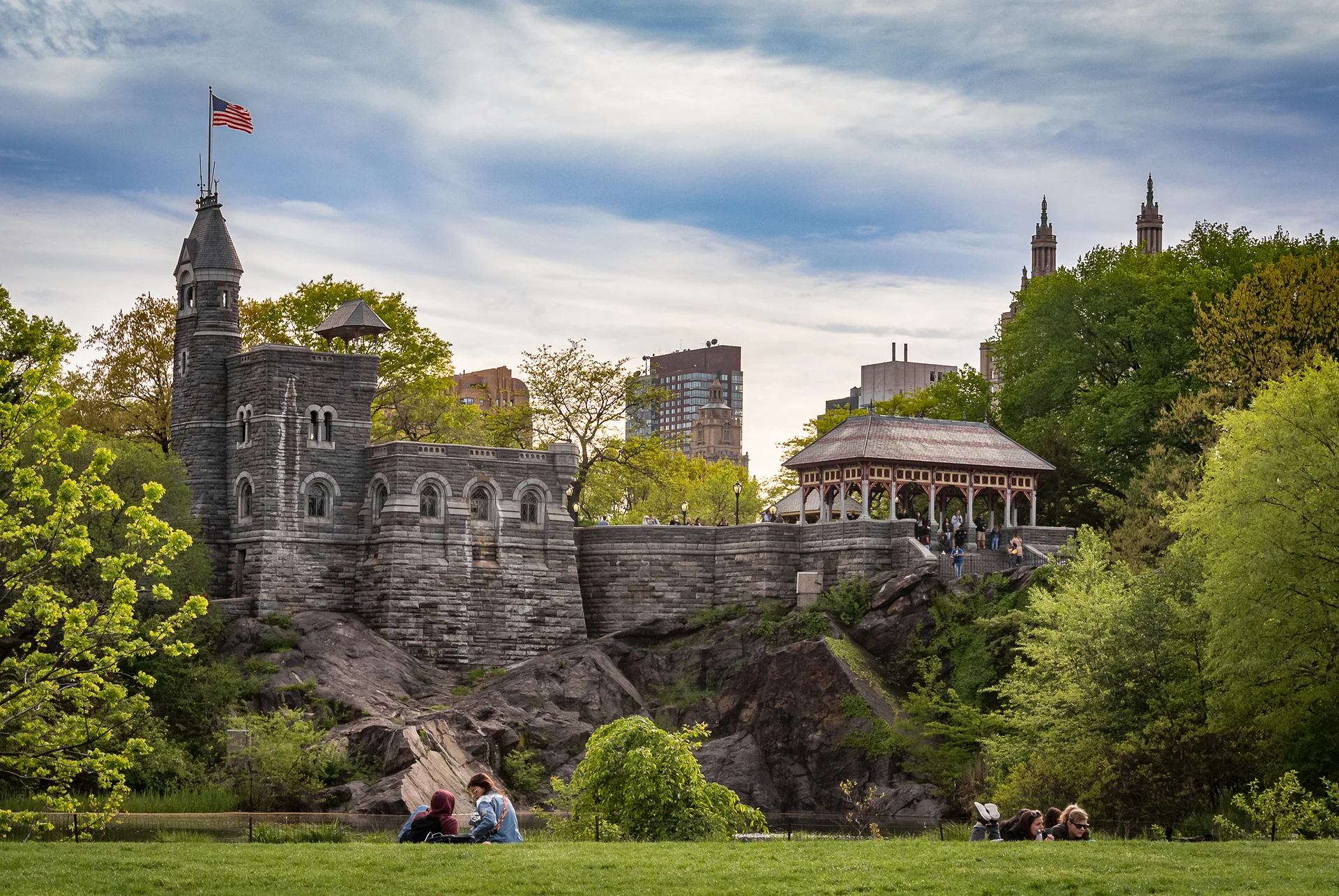
New York rewards a couple who walks: the Brooklyn Bridge at sunrise, Central Park by rowboat, a Broadway curtain at 8 pm, a rooftop as the lights come on. Three things need settling before you go: the hotel, the biggest line in the budget, and tickets for Broadway, the Statue of Liberty crown and an observation deck at sunset, which sell out weeks ahead. Everything else, the bagel at 7 am, the West Village block you wander into, the rooftop you pick on the spot, is better left for the day.
At a glance
- When to go
- Late April to June and September to early November: 50 to 77°F (10 to 25°C), open terraces and the leaves turning in Central Park in October. July and August are hot and humid, winter cold but lit up.
- How many days
- Four full days to move from Lower Manhattan to Central Park, from Broadway to Brooklyn, without rushing. Three are enough for the essentials; add a night if you are flying in from the West Coast.
- Which neighborhood
- Midtown for a first visit, the West Village for dinners, Brooklyn Heights for the bridge view and gentler prices than Manhattan.
- Budget for two
- About $2,360 for three nights at a comfortable level, with hotel, meals, a show and transit, before flights. The hotel is more than half of it.
- The moment for two
- The Brooklyn Bridge at sunrise, almost empty, then sunset from a rooftop in Midtown or Williamsburg as the skyline lights up in front of you.
- Book ahead
- Broadway shows, the Statue of Liberty crown and a sunset slot at an observation deck: all three sell out weeks ahead, and the good dinner tables 2 to 4 weeks ahead.
Why New York for two
You know the skyline from the movies; what surprises couples is the quiet. A tree-lined block of brownstones in the West Village sits ten minutes from the noise of Times Square, a rowboat on the Central Park lake is an hour from a Broadway stage, and the Brooklyn Bridge is nearly empty at dawn. Nobody needs to see everything: a couple who picks one neighborhood a day and walks it comes home with more than a ten-stop checklist.
Two things work in your favor. The subway runs all night, so dinner can start late and end whenever you like, with no taxi required. And if you fly in from Europe or the West Coast, jet lag wakes you at 5 am the first mornings, exactly when the bridges, the parks and the bakeries belong to you.
When to go
| When | Weather | Crowds | Our take |
|---|---|---|---|
| April to June | 50 to 80°F (10 to 27°C), some showers; cherry blossoms in late April | Heavy at Easter, moderate after | Parks in bloom, terraces open, long days |
| July and August | 77 to 90°F (25 to 32°C), humid, thunderstorms; spikes to 95°F (35°C) | Very heavy | Rooftop evenings and free concerts, but heavy heat |
| September to early November | 46 to 77°F (8 to 25°C), clear skies | Heavy in September, calmer in November | Our favorite: soft light, Central Park foliage in October |
| Mid-November to March | 27 to 48°F (-3 to 9°C), wind, occasional snow | Light, except Thanksgiving, Christmas and New Year | Lower prices in January, holiday windows, ice rinks; sharp cold |
A few dates change the city. The marathon (first Sunday of November) and the Thanksgiving parade (fourth Thursday of November) close whole avenues. In late November or early December the Rockefeller Center tree is lit, and Fifth Avenue becomes a slog on weekends. On July 4, Macy's fireworks go off over the East River. In January and February, Restaurant Week opens good tables at a fixed price, and in late August the US Open fills the hotels.
Paperwork: ID, ESTA, health
| Documents | Entry authorization | Health | |
|---|---|---|---|
| United States | A passport or a REAL ID driver's license (a star in the top corner) for domestic flights; hotels ask for photo ID | None | Check whether your plan covers non-emergency care outside your home state |
| United Kingdom, Australia, New Zealand | A passport valid for your whole stay | ESTA required: ~$42, valid 2 years | Travel insurance: the UK's GHIC does not apply in the US |
| Canada | A valid passport | None (no ESTA) | Travel insurance: provincial plans reimburse little for US care |
Flying in from abroad
The ESTA is requested online on the US government site (esta.cbp.dhs.gov), passport in hand: allow fifteen minutes and about $42 per traveler, children included. The answer usually comes within minutes but can take 72 hours, so apply when you book the flight, three days before departure at the latest. It is valid for two years for stays of up to 90 days and is tied to the passport number: a new passport means a new ESTA. Several websites imitate the official page and charge more for the same form.
At immigration the officer takes your fingerprints and photo and asks for the address of your first hotel: have it written down. Allow an hour, sometimes two, between landing and leaving the terminal at JFK and Newark when several overseas flights arrive together in the early afternoon.
Getting there
By air or by train
| From | Time | Good to know |
|---|---|---|
| Boston | 3h45 to 4h15 by train | Amtrak to Penn Station; the Acela is the faster of the two |
| Philadelphia | 1h20 to 1h30 by train | Amtrak to Penn Station |
| Washington DC | ~3h by train | Amtrak Northeast Regional or Acela to Penn Station |
| Chicago, Atlanta | ~2h30 by air | Flights into all three airports |
| Los Angeles, San Francisco | 5h30 to 6h by air | Nonstop flights to JFK and Newark |
| Toronto, Montréal | ~1h30 by air | Flights into LaGuardia, Newark and JFK; Amtrak from Montréal takes 11 hours |
| London | ~8h by air | Direct flights to JFK and Newark |
Three airports serve the city. JFK (in Queens, 16 miles / 25 km from Midtown) takes international and long-haul flights; Newark (EWR, in New Jersey, 16 miles / 25 km) is United's hub and the quickest by train to Midtown; LaGuardia (LGA, 8 miles / 13 km) is domestic and Canadian. Compare the three on fare as much as on the trip into town: Newark gets you to Penn Station in 30 minutes, JFK is closer to Brooklyn and Williamsburg. The ride to your hotel is covered below, in "From the airport to your hotel".
Practical things to know before you leave
Phone and apps
Subway stations and most museums have signal and free wifi, but download offline maps before you arrive. Install Resy or OpenTable for tables, TodayTix for shows, and Citymapper or Google Maps for the subway; the OMNY tap works with the card or phone you already have.
Money, taxes and fees
- Contactless cards work everywhere, from food trucks to subway turnstiles; many cafés are now card-only.
- Shelf prices never include the 8.875% sales tax, added at the register. Hotels add about 15% in taxes plus a flat fee per night, and some charge a "destination fee" of $28 to $51 a night on top: ask for the all-in total before booking.
- The hotel also holds $56 to $112 a night on your card as a deposit, released after checkout: check your card limit.
- Many restaurants prepay or charge a no-show fee of $28 to $51 per person when you reserve on Resy or Tock: read the cancellation window, usually 24 to 48 hours.
Weather and what to wear
- Air conditioning in restaurants, museums and the subway is set very low in summer, and hotel heating very high in winter: dress in layers.
- A day in New York is 6 to 9 miles (10 to 15 km) on foot: bring comfortable shoes. Smart casual is enough everywhere, a jacket for a few dinner restaurants and the best cocktail bars.
- Tap water is excellent and restaurants bring it iced without being asked; refill a bottle at the fountains in Central Park and the High Line.
What to book, and how far ahead
In New York, what sells out ahead is what has a time on it: hit shows, observation decks at sunset, the Statue of Liberty crown and the sought-after tables go weeks ahead. The rest can be bought the day before, or the same day.
| What | Price / person | Book | Good to know |
|---|---|---|---|
| Statue of Liberty, crown | ~$28, ferry included | 1 to 2 months ahead | Tickets without the crown can be booked the day before; the ferry leaves Battery Park, first departure in the morning |
| Broadway, a hit show | $90 to $280 | 4 to 8 weeks ahead | Other shows can be booked the day before; the TKTS booth sells same-day seats at a discount |
| Observation decks (Top of the Rock, Empire State, Summit, Edge) | $40 to $56 | 1 to 2 weeks ahead | The slot just before sunset sells out first |
| 9/11 Memorial and Museum | Plaza free; museum ~$34 | A few days ahead | The plaza opens without a ticket; the museum takes 2 hours |
| Metropolitan Museum | ~$31 | Not needed | Closed on Wednesdays; open until 9 pm on Fridays and Saturdays |
| MoMA | ~$31 | A few days ahead | First slot of the morning, before the groups |
| Popular restaurants | 2 to 4 weeks ahead | Resy and OpenTable open tables 14 to 30 days ahead; the 7 to 9 pm slots go first | |
| Weekend brunch | A few days ahead | Without a reservation the wait is often an hour |
From the airport to your hotel
© OpenStreetMap contributors
The three airports and the neighborhoods they serve
- John F. Kennedy (JFK)
- Newark Liberty (EWR)
- LaGuardia (LGA)
- 1Penn Station, Midtown
- 2Grand Central, Midtown East
- 3Wall Street, Lower Manhattan
- 4Columbus Circle, Upper West Side
- 5Brooklyn Heights, DUMBO
- 6Williamsburg
| Destination | Transport | Time | Typical fare |
|---|---|---|---|
| Penn Station, Midtown | AirTrain then LIRR train | ~40 min | ~$21 / person |
| Penn Station, Midtown | Taxi, flat fare plus tolls | 45 to 75 min | ~$96 / taxi |
| Grand Central, Midtown East | AirTrain then LIRR train | ~45 min | ~$21 / person |
| Wall Street, Lower Manhattan | AirTrain then E subway | ~60 min | ~$12 / person |
| Brooklyn Heights, DUMBO | AirTrain then A subway | ~60 min | ~$12 / person |
| Williamsburg | AirTrain then J subway | ~65 min | ~$12 / person |
| Columbus Circle, Upper West Side | Taxi, flat fare plus tolls | 50 to 80 min | ~$96 / taxi |
| Destination | Transport | Time | Typical fare |
|---|---|---|---|
| Penn Station, Midtown | AirTrain then NJ Transit train | ~30 min | ~$17 / person |
| Penn Station, Midtown | Taxi plus tolls | 40 to 80 min | ~$112 / taxi |
| Grand Central, Midtown East | Newark Airport Express shuttle | 45 to 75 min | ~$20 / person |
| Wall Street, Lower Manhattan | Taxi plus tolls | 45 to 80 min | ~$112 / taxi |
| Destination | Transport | Time | Typical fare |
|---|---|---|---|
| Grand Central, Midtown East | Q70 bus then 7 subway | ~50 min | ~$3.10 / person |
| Penn Station, Midtown | Taxi | 30 to 60 min | ~$56 / taxi |
| Columbus Circle, Upper West Side | Taxi | 30 to 50 min | ~$51 / taxi |
| Williamsburg | Taxi | 30 to 45 min | ~$51 / taxi |
At JFK, the AirTrain links every terminal to Jamaica (E, J and Z subways, LIRR trains) or Howard Beach (A subway) for $9, paid on exit; from Jamaica, the LIRR reaches Penn Station or Grand Central in 20 to 25 minutes. At Newark, the AirTrain runs to the airport station, where an NJ Transit train reaches Penn Station in 25 to 30 minutes on a single ticket that includes the AirTrain. At LaGuardia there is no train: the Q70 bus connects to the subway at Jackson Heights in 10 minutes, with a free transfer.
Yellow taxis load at the official line outside each terminal: from JFK to Manhattan the fare is flat (about $73) plus tolls, a surcharge and a 15 to 20% tip. App rides have their own pickup zone, signposted in the terminal, at a similar price. Turn down anyone who approaches you in the hall: with no license or meter, they ask double. Between 4 and 7 pm the roads clog and the train beats the taxi.
Getting around
On foot first
Manhattan is a grid: avenues run north to south, streets east to west, and Fifth Avenue divides east from west. Twenty streets in a row make a mile (1.6 km), but a block between two avenues is more than three times as long as a block between two streets: from Rockefeller Center to Times Square is a fifteen-minute walk, from Central Park to Grand Central half an hour. The Brooklyn Bridge, the Village and the High Line are walks; for the rest, the subway.
Subway, bus and ferry
| Fare | Price | Good for |
|---|---|---|
| Subway or bus ride | $3.10 | One ride; the subway-bus transfer is free for 2 hours |
| OMNY weekly cap | ~$36 | After 12 paid rides from Monday to Sunday, the rest of the week is free |
| JFK AirTrain | $9 | Paid on exit from the AirTrain, on top of the subway or train |
| NYC Ferry | $4.10 | Boats between Wall Street, DUMBO and Williamsburg |
| Staten Island Ferry | Free | 24 hours a day; passes the Statue of Liberty |
| Citi Bike | ~$4.50 | Bike share, 30 min per ride |
You pay the subway with a contactless card or a phone held to the turnstile reader: that is OMNY. Each of you taps your own card, so the weekly cap is counted rider by rider. The paper MetroCard is being phased out in favor of OMNY: no need to buy one. The subway runs 24 hours and serves every stop in this guide. Check the direction before you go through the turnstile (uptown is north, downtown is south): in many stations each direction has its own entrance, and a mistake costs a second fare.
Budget for two
The hotel is the first expense, by far: New York is one of the most expensive cities in the world for a room, and taxes (about 15%) plus the fees some hotels add come on top of the posted price. Meals can be had at every price; shows and observation decks weigh most in the comfortable column. Here is what three nights for two cost, before flights.
| Smart | Comfortable | Treat yourselves | |
|---|---|---|---|
| Hotel, per night | $191 to $280 | $340 to $510 | from $730 |
| Meals, per day for two | $101 | $210 | $450 |
| Sights and a show for the stay | $112 | $400 | $790 |
| Transit for the stay | $45 | $68 | $230 in taxis |
| Total for three nights | $1,180 | $2,360 | $4,710 |
Rooms cost 20 to 30% less in January and February than in October or December, and Sunday to Thursday nights are cheaper than weekends, except in Lower Manhattan, where the business crowd leaving brings prices down on weekends.
Benchmark prices
| Item | Price |
|---|---|
| Drip coffee to go, specialty café coffee | $2.30, $4.50 to $5.60 |
| Bagel with cream cheese, with smoked salmon | $5.60 to $7.90, $14 to $17 |
| A slice of pizza | $3.40 to $4.50 |
| Pastrami sandwich at Katz's | ~$32 |
| Dinner for two with a drink, neighborhood restaurant | $124 to $180 |
| Cocktail | $18 to $25 |
| Draft beer | $7.90 to $12 |
| Broadway seat | $90 to $280 |
What to eat and drink
New York eats what the world brought to it: the Jewish delis of the Lower East Side, the pizza of Italian immigrants, and the Chinese, Mexican and Korean kitchens of the neighborhoods that welcomed them. A couple eats well by following a neighborhood, not an address.
At the table
-
The bagel with lox
The city's breakfast: a warm bagel, cream cheese and smoked salmon, at Russ & Daughters or any neighborhood bagel shop.
-
The slice
A thin crust folded in half and eaten standing, $3.40 to $4.50 a slice; the street-corner dollar slice costs under $2.30.
-
The pastrami sandwich
Smoked brisket as thick as a book, at Katz's: $32 for a sandwich that feeds two.
-
The steakhouse
A ribeye or a porterhouse to share, at Keens or Peter Luger, two houses open since the 19th century.
-
Cheesecake and the black and white cookie
New York cheesecake, dense and plain, at Junior's; the half-vanilla, half-chocolate cookie of the delis.
-
Brunch
The weekend ritual, from 11 am to 3 pm: eggs Benedict, pancakes, a mimosa; book to skip the line.
In the glass
-
The Manhattan
The cocktail born here: rye, vermouth and bitters, served for $18 to $25 in the bars of the Lower East Side and the West Village.
-
Craft beer
Brooklyn brewers, including the Brooklyn Brewery in Williamsburg: a pint runs $7.90 to $12.
-
Coffee
Drip coffee in a blue paper cup from a bodega ($2.30), or a flat white from a roaster ($5.60).
-
Wine by the glass
The Village wine bars pour small American and European producers by the glass, $15 to $21.
-
Iced water
Served free at every table, with ice, before you ask.
-
The egg cream
A Lower East Side soda-fountain drink: milk, chocolate syrup and seltzer, with neither egg nor cream, for $5.60.
Customs and rules to know
New York is fast and plain-spoken: an answer takes two sentences, service takes five minutes, and nobody takes offense. What locals expect from a visitor comes down to three gestures: don't stop in the middle of a sidewalk, let people off the train before you board, and say "excuse me" rather than squeeze past.
| Rule | What to expect |
|---|---|
| Drinking alcohol in the street or a park, glass or can in hand | A ticket of ~$28 |
| Smoking or vaping in a park, on a beach or a pedestrian plaza | A fine of ~$56 |
| Jumping the subway turnstile | A fine of ~$101 |
- Walk on the right on sidewalks and don't stop in the middle: to check a map, step against a wall.
- Cross on the white walk signal, but cars turning right or left run across the crosswalk: look both ways, even on a one-way street.
- Restaurants serve dinner from 5:30 pm, and many kitchens close at 10 pm on weeknights. On Sundays, everything is open, including the Fifth Avenue stores.
- Bike lanes are traffic lanes, full of fast e-bikes: don't stand in one for a photo.
Safety
New York is one of the safest big cities in the United States, and the neighborhoods where you will sleep and go out are safe by day and by night. The risks are ordinary: pickpockets in the crowds of Times Square and the subway, scams around the sights, a phone snatched by a passing cyclist.
- Keep your phone and wallet in a front pocket in Times Square, on packed trains and at turnstiles. Costumed characters ask for a tip after a photo, and sellers of "free" CDs demand money: a firm "no, thank you" is enough.
- At the airports, use only the yellow taxis at the official line or a car ordered on an app: a driver who approaches you in the hall has no license and no meter.
- Pedicabs in Midtown and Central Park charge by the minute: agree the total price before getting in, or take a yellow cab.
- Late at night on the subway, ride in the middle car, where the conductor sits, and wait on a lit platform.
- Don't hold your phone out at the curb, and keep the bag zipped in front of you: e-bike snatch thefts happen. After dark, leave Central Park by the lit avenues.
The mistakes couples make
Most disappointments come from an overloaded plan, a ticket bought too late or a dinner picked at the foot of an attraction. Leave gaps in the days: New York gives itself up on the streets you weren't looking for.
- Showing up at Broadway or an observation deck without a ticket: sunset slots and hit shows sell out weeks ahead.
- Underestimating distances: twenty streets make a mile, and a line at a single sight takes an hour. One neighborhood a day, the subway for the links.
- Eating in Times Square: the chains with giant menus feed the crowds, and the good tables are ten minutes away, in the Village or on Ninth Avenue.
- Sleeping in New Jersey to save money: the tunnel and the train add an hour to each evening, and the evening is when New York is at its best.
- Leaving tax and tip out of the budget: they add nearly 30% to a restaurant bill, and taxes about 15% to a hotel room.
- Going up an observation deck at noon: go for sunset, when the city turns from blue to gold and then lights up.
Frequently asked questions
Is New York a good destination for a romantic trip?
Yes: Central Park, the Brooklyn Bridge, the streets of the Village, the rooftops and Broadway are made for two, and the city never closes. The only cautions are the hotel prices, the lines at the big sights and pickpockets in Times Square.
How many days do you need in New York as a couple?
Four full days are enough for Lower Manhattan, Central Park, Midtown and Broadway, the Village and an evening in Brooklyn, one neighborhood a day. With three days, keep the essentials: the Brooklyn Bridge, Central Park, a rooftop and a show.
What ID do I need to fly to New York?
From within the United States, a passport or a REAL ID driver's license (a star in the top corner). Travelers from the UK and Australia also need an ESTA, about $42 and valid for two years, requested online before the flight with a passport; Canadians need only a passport.
How much does a trip to New York cost for two?
Plan on about $2,360 for three nights at a comfortable level, with a central hotel, meals, a show and transit, before flights. A smart budget is about $1,180 sleeping in Brooklyn or on the Upper West Side; a treat-yourselves trip goes past $4,710.
Which observation deck should we pick?
For a view of the Empire State Building, Top of the Rock at sunset; for the thrill of the drop, Edge, with its glass corner; for a room of mirrors, Summit One Vanderbilt. The Empire State Building itself is for the elevator ride and the Art Deco lobby, at dusk.
JFK, Newark or LaGuardia: which airport?
JFK and Newark take the long-haul flights. Newark is quicker to Midtown by train (30 minutes to Penn Station), JFK is closer to Brooklyn and Williamsburg. LaGuardia is for domestic and Canadian flights, and the quickest by car to Midtown.