Cuzco for couples: what to know before you go (2026)
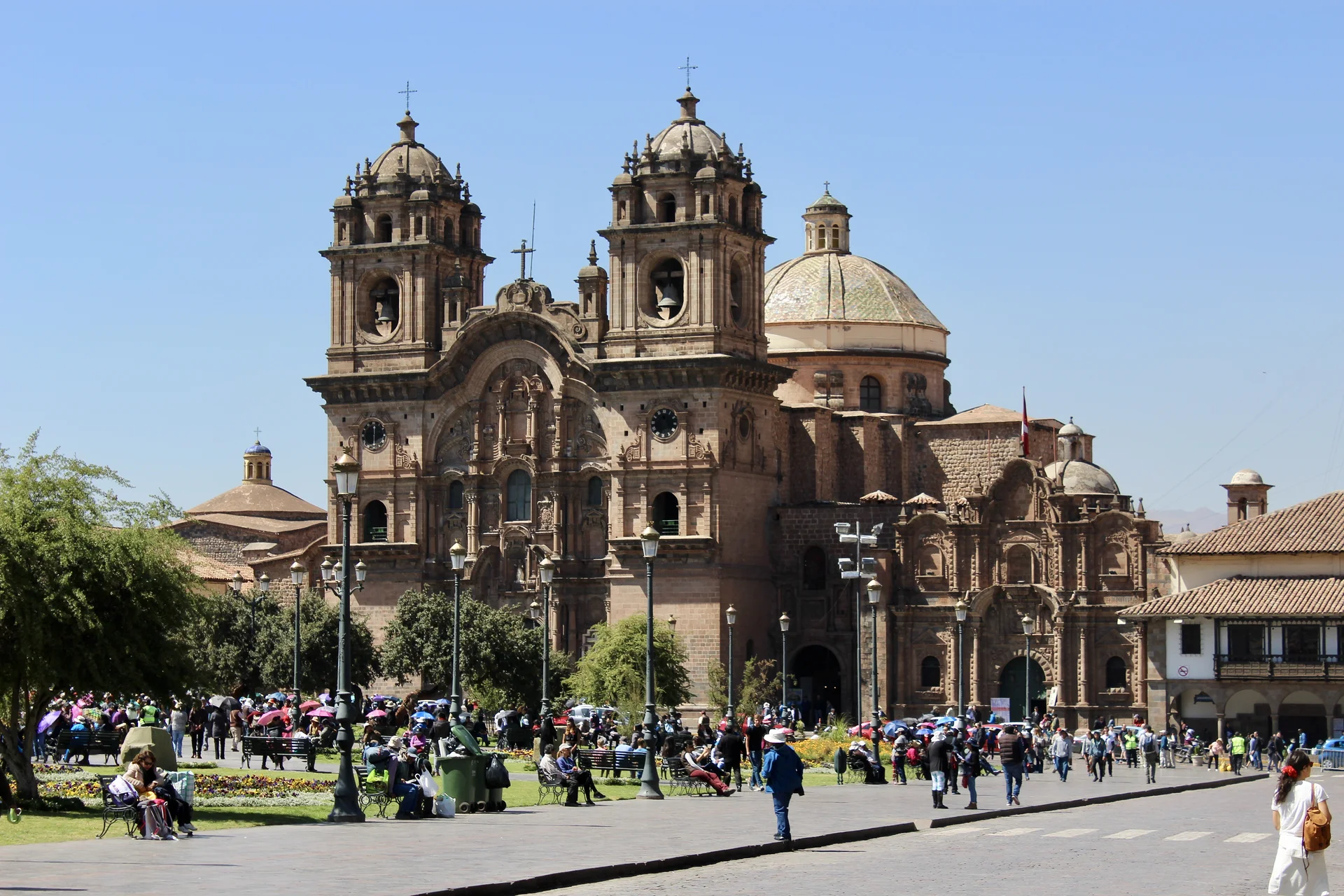
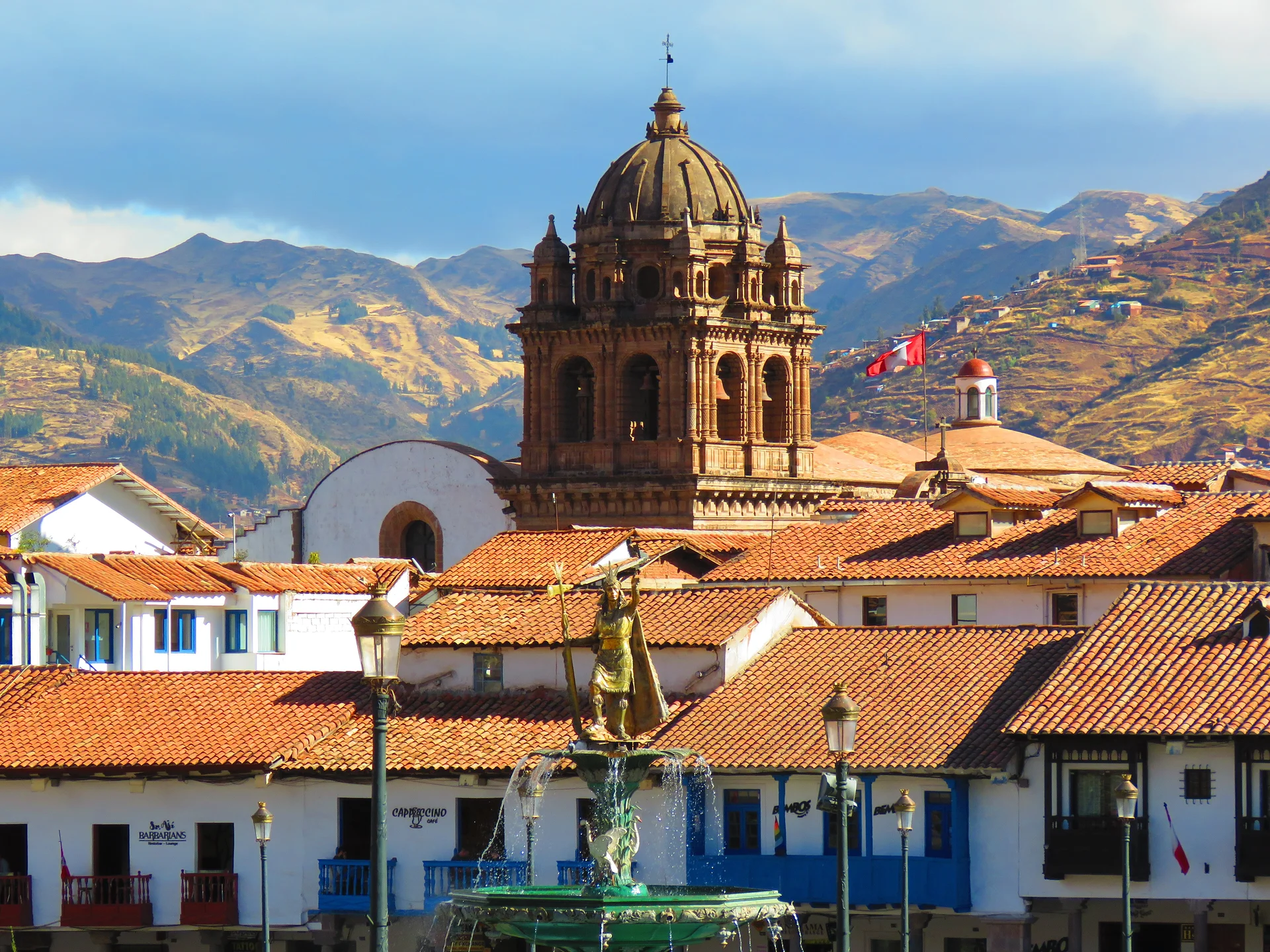
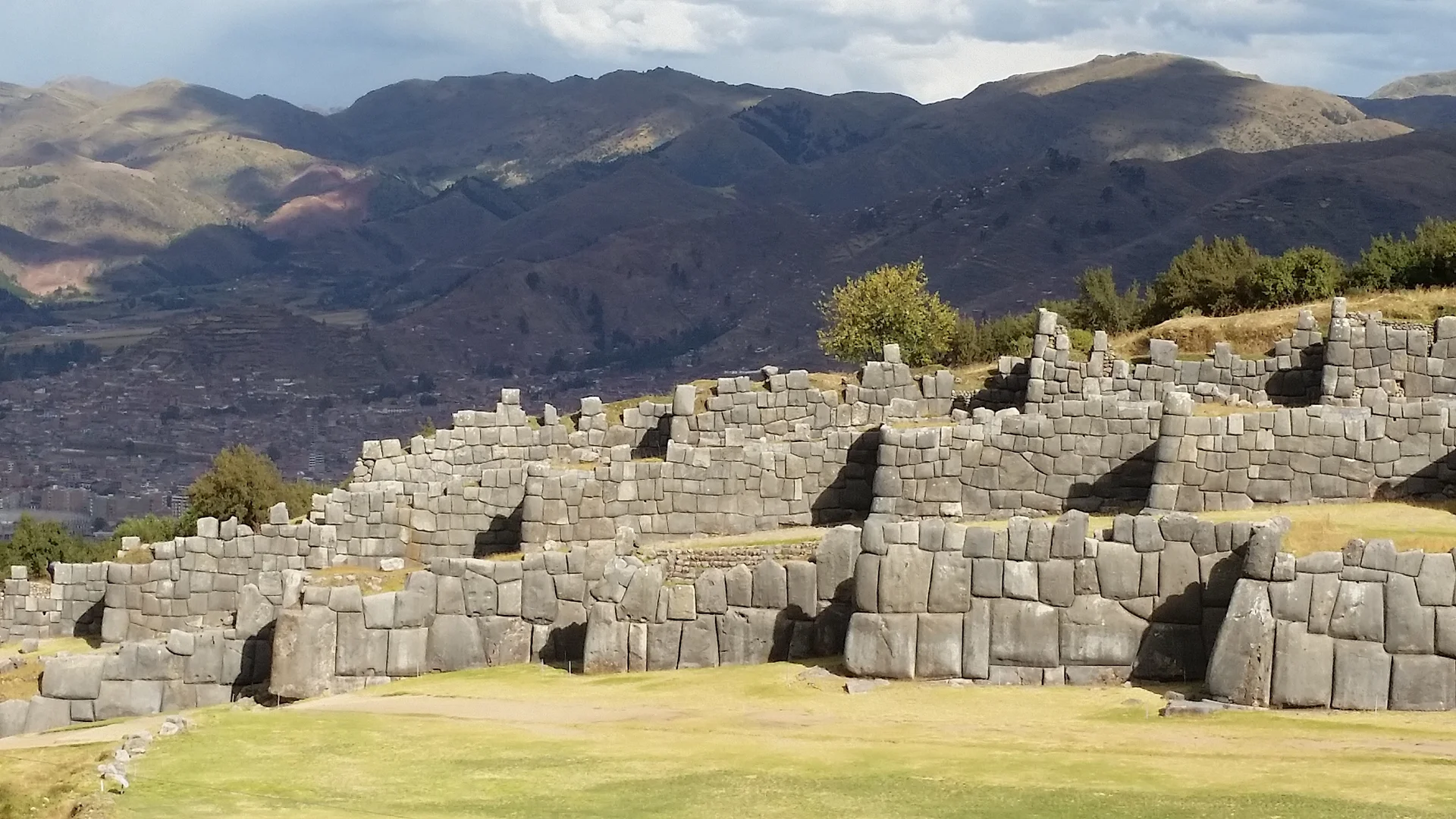
At 11,150 ft (3,400 m), Cuzco is a city you see at the pace of your breathing: the Plaza de Armas at dusk, the lanes of San Blas climbing toward Sacsayhuamán, then the Sacred Valley, lower and gentler. The first two days are easy ones, with coca tea and light dinners, while your body catches up with a five- to seven-hour time difference. Three things need settling before you leave: the flight through Lima, a hotel chosen for its elevation as much as its charm, and the Machu Picchu entry and train tickets, which sell out weeks ahead. The rest can wait until you arrive.
At a glance
- When to go
- May to September is the dry season: blue skies, 66 to 70°F by day and nights close to freezing. April and October are greener and quieter; from December to March it rains most afternoons.
- How many days
- Four full days in Cuzco and the Sacred Valley, the first two without effort so you can acclimatize: five nights in town, six or seven with Machu Picchu.
- Which area
- The Plaza de Armas for a first visit, San Blas for lanes and views, the Sacred Valley to sleep 2,000 ft lower and in quiet.
- Budget for two
- About $960 for three nights at a comfortable level, hotel, meals, tickets and transport included, without flights or Machu Picchu, which adds $510 to $680.
- The moment for two
- Sunset from the Cristo Blanco, the city lighting up below you, then dinner in a San Blas courtyard.
- Book ahead
- Machu Picchu: the timed entry and the train, 4 to 8 weeks ahead, up to three months from June to August. A hotel around June 24 goes six months ahead.
Why Cuzco for two
Cuzco was the Inca capital, and the Spanish built their churches on its temples: at the Qorikancha, an Inca wall fitted without mortar still carries a colonial convent, and the lanes of San Blas keep Inca stones at shoulder height. That layering gives the city its best moments for two: a square lined with arcades and baroque churches, cobbled streets you climb slowly, closed courtyards where dinner comes with a fireplace. Peruvian signs and most guidebooks spell the city Cusco; the two spellings are the same place.
Treat altitude as a travel companion. At 11,150 ft (3,400 m), far above any Rocky Mountain ski village, the air holds a third less oxygen than at sea level: you walk slower, you sleep badly the first night, and a couple who accepts that enjoys the city more. The Sacred Valley, 2,000 ft lower, and Machu Picchu, 3,300 ft lower, are easier on the lungs, so the order of your stops matters.
When to go
| Period | Weather | Crowds | Our take |
|---|---|---|---|
| May to September | Dry season: 66 to 70°F (19 to 21°C) by day, 28 to 37°F (-2 to 3°C) at night in June and July | High, very high in July and August | Blue skies and clear views of Machu Picchu; freezing nights, bring a coat |
| April and October | 64 to 68°F (18 to 20°C), a few showers, green hills | Medium to low | Our favorite: fewer people, lower prices |
| November to March | 59 to 66°F (15 to 19°C), rain most afternoons, heaviest in January and February | Low, except Christmas and New Year | Muddy trails, possible landslides, trains sometimes halted; the Inca Trail closes in February |
Three dates push up prices and crowds. On June 24, Inti Raymi, the Inca winter solstice festival, is staged on the esplanade of Sacsayhuamán: hotels fill months ahead and rates climb. Holy Week, with the Lord of the Earthquakes procession on Monday, and the Fiestas Patrias of July 28 and 29 also fill the city.
Entry requirements: passport, health, insurance
| Documents | Visa | Health | |
|---|---|---|---|
| United States, Canada | Passport valid six months after arrival | No visa for tourism; a stay of up to 90 days is stamped on arrival | Travel medical insurance with evacuation: most US health plans and Canadian provincial plans pay little or nothing abroad |
| United Kingdom | Passport valid six months after arrival | No visa for tourism; a stay of up to 90 days is stamped on arrival | Travel insurance with repatriation that covers altitude; a GHIC card is not valid in Peru |
The immigration officer writes your length of stay, usually 90 days and 183 at most in a year: check the stamp before leaving the counter, and check the current rule on the Peruvian immigration website before you book.
On arrival
Immigration happens at your first airport of arrival, which means Lima. The officer asks for your first hotel's address and may ask for proof of onward travel, so keep your booking handy. Keep your passport for the Lima to Cuzco flight and for Machu Picchu, whose entry requires the original.
Health
No vaccine is required to enter from the United States or the United Kingdom. Talk to your doctor or a travel clinic four to six weeks before leaving: hepatitis A, typhoid and tetanus are the usual ones. Yellow fever is recommended for the Amazon basin, not for Cuzco, the Sacred Valley or Machu Picchu. With a heart or lung condition, or during pregnancy, get medical advice before choosing a city at 11,150 ft.
Getting there
By air, through Lima
| From | Duration | Good to know |
|---|---|---|
| New York, Miami, Atlanta, Houston, Dallas, Los Angeles | 5h30 to 8h30 + 1h30 | Nonstop flights to Lima, then a Lima to Cuzco flight |
| London | 14 to 17h | One stop, often in Madrid or Amsterdam, then Lima to Cuzco |
| Toronto, Montréal | 9 to 13h | A nonstop or one stop to Lima, then Lima to Cuzco |
No flight connects the United States or Europe to Cuzco directly: all go through Lima (Jorge Chávez airport, LIM), then a domestic flight of 1h30, notably with LATAM or Sky Airline. Book both flights on the same ticket if you can: if the first one runs late, the connection is protected and your bags follow. With two separate tickets, leave three hours between landing and the domestic flight, and check the checked-bag fee, sometimes extra on basic fares.
You step off the plane straight into 11,150 ft: being out of breath on the stairs is normal. Walk slowly and let someone else carry the luggage.
Practical things to know before you go
Altitude: the first two days
Altitude sickness (soroche in Peru) brings headache, nausea, broken sleep and shortness of breath, mostly the first night and the next day. It hits athletes as much as anyone else and passes in one to three days. What helps:
- Plan nothing demanding for the first two days: the Plaza de Armas and its flat streets, not Sacsayhuamán on foot.
- Drink plenty of water, eat a light dinner and skip alcohol the first night: at this altitude one drink feels like two.
- Coca tea (mate de coca), free in hotel lobbies and at the airport, helps digestion and eases mild headaches; do not bring leaves or tea bags home, they are banned at the border in the United States, the United Kingdom, Canada and most other countries.
- Ask your doctor before leaving whether a preventive medicine, acetazolamide, available by prescription, makes sense for you.
- Protect yourself from the sun: SPF 50, a hat and sunglasses, because you burn fast at this altitude, even on cool days.
Another option is to start in the Sacred Valley. At 9,200 ft (2,800 m) breathing comes easier, and many couples spend the first two nights there before climbing to Cuzco. The itinerary then rearranges itself: the Sacred Valley day comes first.
Phone
Roaming is not free in Peru: your carrier's daily pass usually costs $12 a day, while a travel eSIM or a local SIM card (Claro, Movistar or Entel, sold at Lima airport and in town against your passport) costs a few dollars for ten days. Wi-Fi is free in hotels and cafés; the signal is weak in the Sacred Valley and absent on the Machu Picchu site itself.
Money and tipping
- The currency is the sol (PEN). Cards work in hotels, agencies and restaurants in the center; markets, taxis, site entries and the Sacred Valley run on cash. Withdraw soles during the day, at a bank ATM.
- If a card terminal offers to charge you "in dollars", say no: pay in soles, your bank's rate is better.
- At restaurants on the main streets and the square, menu prices often leave out the 18% tax and the 10% service charge; the bill adds them. If service is not included, leave 10%, well under the US norm.
- No tip in taxis: you set the price before getting in. Tip a guide about $12 a day for the couple, a driver half that.
- Shops refuse torn or taped bills, in soles and in dollars: swap them at a bank.
The time difference
Peru never changes its clocks: Cuzco is on the same time as New York in winter and an hour behind in summer, two hours ahead of Los Angeles in summer and three in winter, and five hours behind London in winter, six in summer. Together with altitude, the first two nights will be short: one more reason to keep the first day free of fixed times.
Plugs, water and what to wear
- Outlets are types A, B and C at 220 volts. US plugs fit, but check that your charger says 100-240V; hair dryers and curling irons made for 120V burn out. From the UK, bring an adapter.
- Tap water is not safe to drink: use bottled or filtered water, which hotels provide; skip street ice.
- Dress in layers: 68°F (20°C) in the sun, 46°F (8°C) in the shade, freezing at night in the dry season. Bring walking shoes with a grippy sole, because the cobblestones are slippery.
What to book, and how far ahead
In Cuzco, what sells out early is what has a time slot or a quota: Machu Picchu, the train and the treks. The rest can be bought on the spot, the day before or the same day.
| What | Price / person | Book | Good to know |
|---|---|---|---|
| Machu Picchu, entry | $41 to $54 | 4 to 8 weeks ahead | Timed entry by circuit, from 6am to 4pm, original passport required; up to three months ahead from June to August |
| Train Ollantaytambo to Machu Picchu | $62 to $101 one way | 4 to 8 weeks ahead | PeruRail and Inca Rail; 1h30 to 1h45; match the train time to your entry time |
| Bus Aguas Calientes to Machu Picchu | ~$14 one way | The day before | ~25 min. of switchbacks; a line in the morning |
| Inca Trail, 4 days | $730 to $1,010 | 4 to 6 months ahead | Permits are limited; closed in February |
| Boleto turístico | ~$35 | On the spot, from day 2 | Valid 10 days: Sacsayhuamán, Pisac, Ollantaytambo, Moray, Chinchero; not the cathedral or the Qorikancha |
| Dinner at Cicciolina, Chicha, MAP Café | 1 to 2 weeks ahead | Book for Friday and Saturday | |
| Roast cuy | $23 to $34 | The day before | Made to order, from one hour to a day ahead depending on the house |
| Hotel around June 24 | 6 months ahead | Inti Raymi fills the city; the rest of the dry season, 2 to 3 months |
From the airport to your hotel
© OpenStreetMap contributors
Cuzco airport and the areas it serves
- Alejandro Velasco Astete (CUZ)
- 1Plaza de Armas, center
- 2San Blas
- 3Urubamba, Sacred Valley
- 4Ollantaytambo
| Destination | Transport | Duration | Indicative fare |
|---|---|---|---|
| Plaza de Armas, center | Taxi, price set before getting in | ~20 min. | $4.50 to $12 / taxi |
| Plaza de Armas, center | Car arranged by the hotel | ~20 min. | ~$23 / car |
| San Blas | Taxi | ~25 min. | $5.60 to $12 / taxi |
| Urubamba, Sacred Valley | Private transfer | 1h15 to 1h30 | ~$56 / car |
| Ollantaytambo | Private transfer | ~2h | ~$73 / car |
The airport is 3 miles (5 km) from the Plaza de Armas. The taxi counter in the arrivals hall posts fixed prices, higher than the street; the easiest way is to ask your hotel to send a car at a price you know in advance. In San Blas, the car stops at the foot of the steps: the hotel sends a porter for your bags.
For the Sacred Valley, the road goes through Chinchero. If you sleep in Urubamba on arrival, the transfer takes 1h15 and drops you 2,000 ft before your first night.
Getting around
On foot, slowly
Central Cuzco fits into a twenty-minute walk between the Plaza de Armas, the Qorikancha and the San Pedro market. Streets are cobbled and flat around the square, steep toward San Blas and San Cristóbal: at 11,150 ft, allow double the time you would elsewhere, and take breaks.
| Trip | How | Duration | Indicative fare |
|---|---|---|---|
| Within Cuzco | Taxi | 5 to 15 min. | $1.70 to $3.40 / taxi |
| Sacsayhuamán | Taxi, uphill | ~10 min. | ~$3.40 / taxi |
| Pisac | Minibus | ~1h | ~$1.70 / person |
| Ollantaytambo | Minibus, changing at Urubamba | ~2h15 | ~$4.50 / person |
| Sacred Valley, full day | Car with driver | 8 to 10h | $79 to $124 / car |
Taxis do not always have a meter: set the price before getting in. At night, have your hotel or restaurant call a registered taxi. For the Sacred Valley, a driver for the day, who stops wherever you like, costs barely more than two seats on a group tour.
Budget for two
In Cuzco, the hotel and the Machu Picchu trip weigh the most; meals and taxis cost less than at home. From June to August rooms cost 30 to 50% more, and more still around June 24. Here is what three nights for two cost, flights excluded.
| Smart | Comfort | Splurge | |
|---|---|---|---|
| Hotel, per night | $51 to $79 | $101 to $168 | from $400 |
| Meals, per day for two | $40 | $90 | $230 |
| Sights, for the stay | $112 | $168 | $400 |
| Transport, for the stay | $34 | $101 | $340 |
| Total for three nights | $450 | $960 | $2,800 |
Machu Picchu comes on top: count $510 to $680 for two for the train, the bus, the entry and the transfer to Ollantaytambo, without a night in Aguas Calientes.
Benchmark prices
| Item | Price |
|---|---|
| Set lunch (soup, main, drink) | $4.50 to $6.80 |
| Fresh-squeezed juice at the market | ~$1.70 |
| Dinner for two with a drink, good restaurant | $56 to $101 |
| Pisco sour | $4.50 to $7.90 |
| Cusqueña beer at a bar | $2.80 to $4.50 |
| Cathedral entry | ~$12 |
| Group tour of the Sacred Valley | $28 to $45 |
What to taste
Cuzco cooks the Andes: dozens of varieties of potatoes and corn, trout from the valley rivers, alpaca and guinea pig.
At the table
-
Roast cuy
Guinea pig, the Andean feast dish, roasted in the oven and served whole; order it ahead, for instance at Pachapapa in San Blas. $23 to $34, to share.
-
Alpaca
A tender, lean fillet, grilled or as carpaccio, on the menus of the city's good restaurants.
-
Lomo saltado
Beef stir-fried with onions, tomatoes and chili, served with rice and fries: the Peruvian dish found everywhere, $5.60 on a set lunch.
-
Valley trout
Raised in the rivers of the Sacred Valley, grilled or marinated as ceviche.
-
Giant corn with cheese
Choclo con queso: kernels the size of coins, boiled and served with a slice of fresh cheese; the market snack, for under $2.30.
-
Quinoa soup
A thick broth of quinoa, vegetables and potatoes that warms you after a morning at Sacsayhuamán.
In the glass
-
The pisco sour
Grape brandy, lime, egg white and bitters: the national cocktail, $4.50 to $7.90.
-
Mate de coca
A coca-leaf infusion, handed out on arrival at hotels; it helps with altitude.
-
Chicha morada
A non-alcoholic drink of purple corn, cinnamon and cloves, served cold.
-
Chicha de jora
A fermented-corn beer, slightly sour, served in neighborhood chicherías.
-
Cusqueña
The city's beer, golden or dark: $2.80 to $4.50 at a bar.
-
Andean coffee
Grown in the warm valleys of the region, roasted in town, served in the cafés of San Blas.
Customs and rules to know
In Cuzco, politeness starts with a greeting: say buenos días when you walk into a shop or restaurant, and take your time. Allillanchu (hello) and sulpayki (thank you) in Quechua earn a smile.
- On the Plaza de Armas, women in traditional dress pose with a llama or a lamb: ask before photographing, and leave $1.20 to $2.30, which is their income.
- At Sacsayhuamán, the Qorikancha and the other sites, do not climb the walls or touch the stones; drones need a permit.
- Churches are visited with shoulders covered; the cathedral forbids photos inside.
- At Machu Picchu: original passport, no large backpack, no food, no tripod or selfie stick, no umbrella (a rain poncho is fine), soft-soled shoes.
- Restaurants serve lunch from noon to 3pm and dinner from 6:30pm; most kitchens close around 10pm.
Safety
The center of Cuzco is safe by day; trouble comes from a few specific situations.
- Pickpocketing and bag snatching cluster at the San Pedro market, in site queues, on buses and in poorly lit streets: phone in an inside pocket, bag in front of you.
- At night, have your hotel or restaurant call a registered taxi, and do not share the ride with a stranger.
- Drink spiking has been reported in bars around the Plaza de Armas: keep your glass in hand.
- Strikes and road blockades (paros) happen several times a year and can stop roads and trains for one to three days: follow local news and leave a night to spare before an international flight.
- In the rainy season, landslides sometimes cut the Machu Picchu rail line.
Mistakes couples make in Cuzco
- Walking up to Sacsayhuamán or heading out on a trek on day one: the altitude takes your breath and ruins the next night.
- Celebrating the arrival with cocktails: a pisco sour at 11,150 ft hits fast and worsens a headache.
- Booking Machu Picchu last: entry and train sell out first, and times that do not match (entry at 6am, train arriving at 8am) mean starting over.
- Seeing the Sacred Valley in half a day: Pisac, Ollantaytambo and Moray each take one to two hours, plus the road.
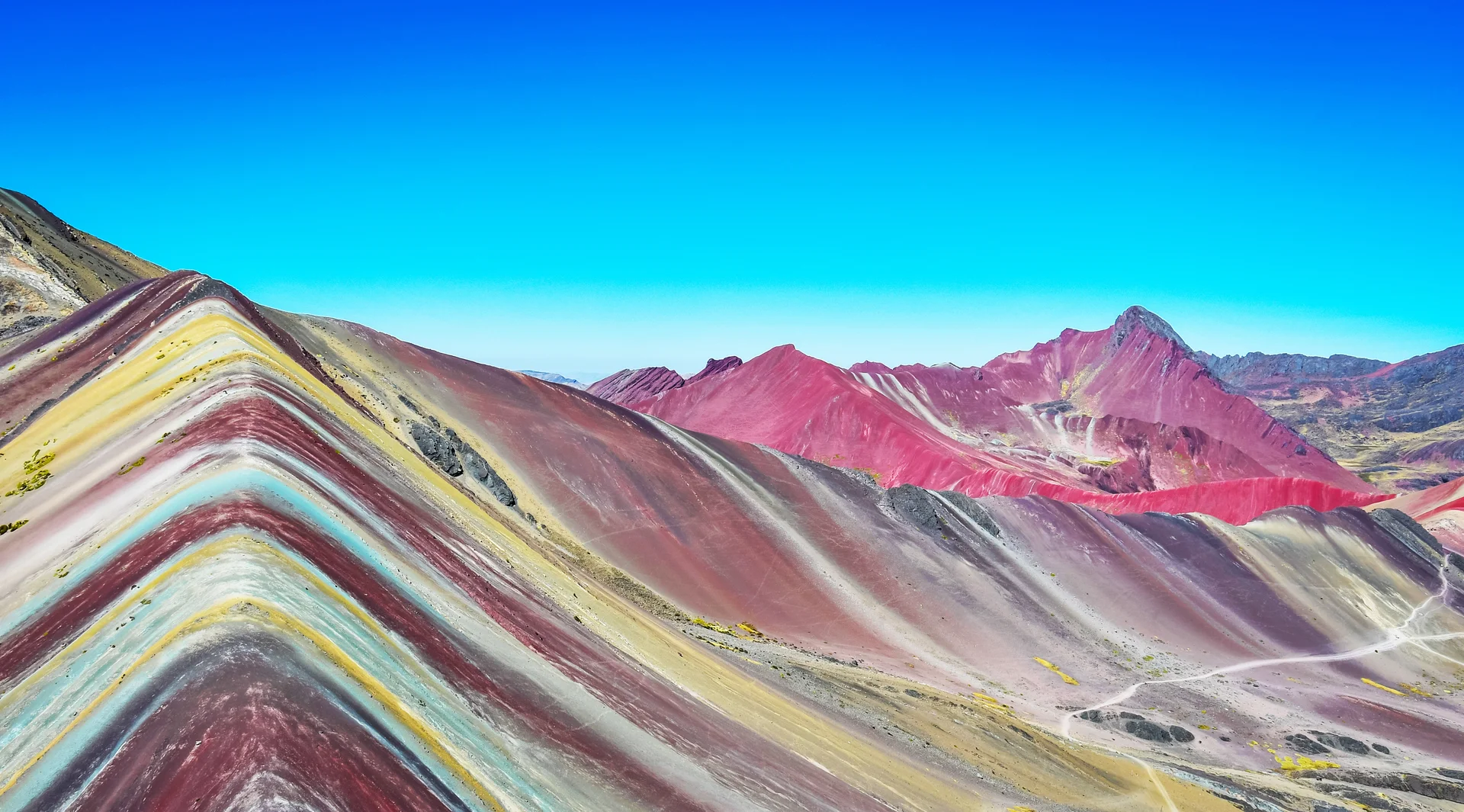
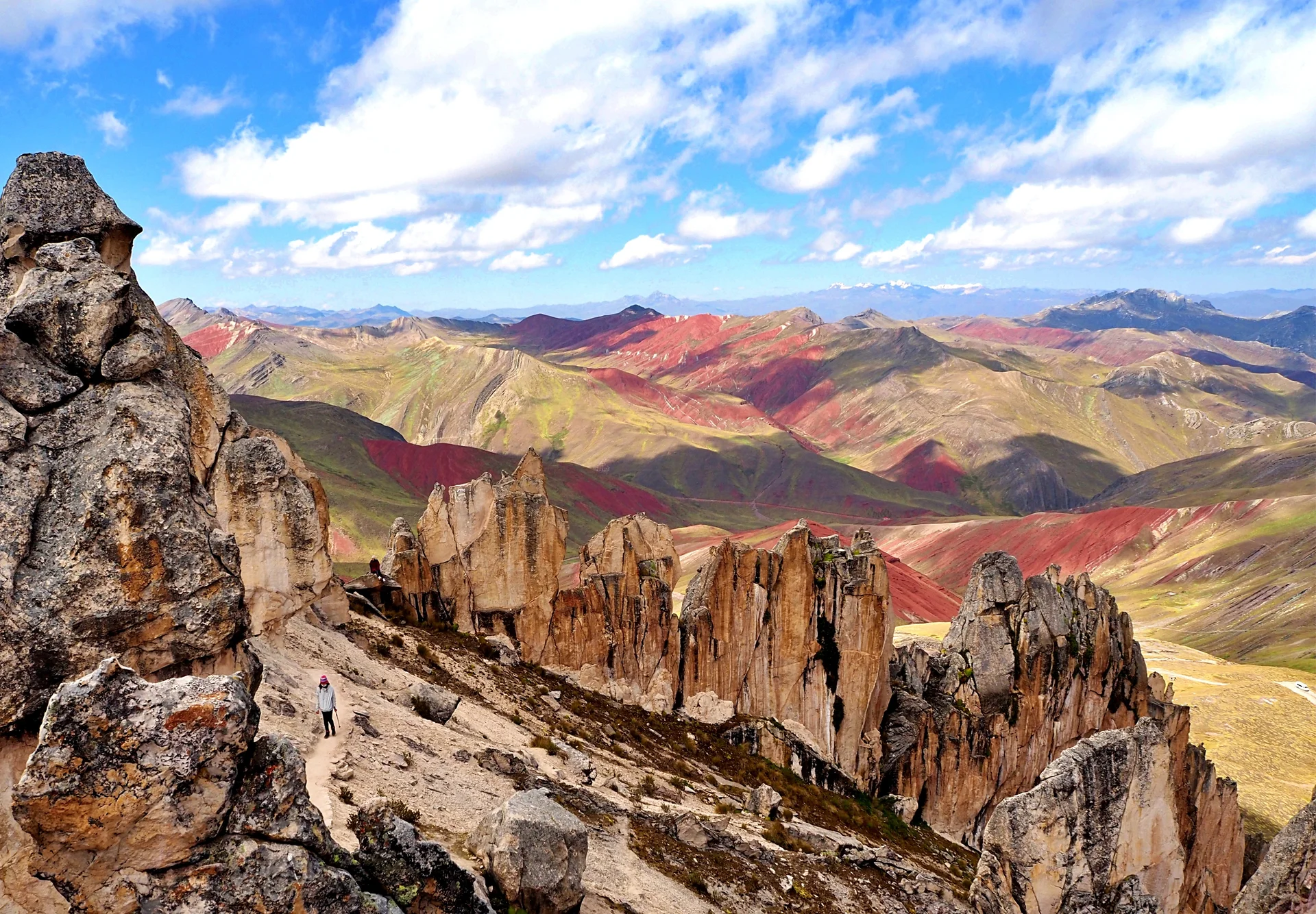
- Climbing Vinicunca, the rainbow mountain (16,400 ft), on day three: an ascent toward 16,400 ft belongs at the end of the stay, with a guide.
- Scheduling an international flight the day after returning from Machu Picchu: a strike or a landslide costs a day.
Frequently asked questions
Do I need a visa for Peru?
Not for a tourist stay from the United States, Canada or the United Kingdom: a passport valid six months after arrival is enough. The immigration officer stamps your length of stay, usually 90 days.
How do I avoid altitude sickness in Cuzco?
Plan nothing demanding for the first two days, drink water, eat a light dinner and skip alcohol the first night. Coca tea helps, and so does sleeping two nights in the Sacred Valley (9,200 ft) before going up to Cuzco. If headaches get worse, go down and see a doctor.
How many days do a couple need in Cuzco?
Four full days for Cuzco, its ruins and the Sacred Valley. Add two days for Machu Picchu, with a night in Aguas Calientes.
Can I see Machu Picchu in one day from Cuzco?
Yes: a car to Ollantaytambo, the train, two to three hours at the site and the way back, which makes 15 to 16 hours. A night in Aguas Calientes lets you enter at opening and return without rushing.
Do I need cash in Cuzco?
Yes, soles: for taxis, markets, site entries and the Sacred Valley. Cards work in hotels, agencies and restaurants in the center.